# Integrity CRR: Full Site Content
Integrity CRR, LLC (Integrity Contracting, Roofing & Restoration; formerly operated as Integrity Construction, Roofing & Remodeling) is a SBA VetCert-certified Service-Disabled Veteran-Owned Small Business and Georgia-licensed commercial general contractor based at 4720 Chamblee Dunwoody Rd, Suite 200, Atlanta, GA 30338, with a secondary office at 10 Glenlake Parkway, Building S, Suite 130, Sandy Springs, GA 30328. Phone (833) 423-6255. Services: commercial construction and tenant build-outs, public works and state-funded construction, commercial and industrial roofing, and storm/insurance restoration. Integrity self-performs roofing with its own crews and manages vetted subcontractors for build-outs, public works, and other non-roof trades.
Integrity CRR, LLC holds Georgia commercial general contractor company license GCCO009212, with Zachary Chastain Whyte as qualifying agent under GCQA009212. Integrity CRR is SBA VetCert-certified as an SDVOSB, active on SAM.gov under UEI CPC7PNVLKBJ3 and CAGE 9HTN2, and a GAF and Mule-Hide certified roofing contractor.
Storm-restoration contractor role: Integrity inspects and documents damage, writes itemized repair scopes in Xactimate, meets the adjuster on site with the owner's OK, and does the repair work. Integrity is a contractor, not a public adjuster; the insurer decides coverage and payment.
Source: https://integritycrr.com · Generated 2026-10-08
---
# Part 1: Project Profiles
## TCSG-411: Chattahoochee Technical College CDL Pad
URL: https://integritycrr.com/projects/chattahoochee-technical-college-cdl-pad-dallas-ga/
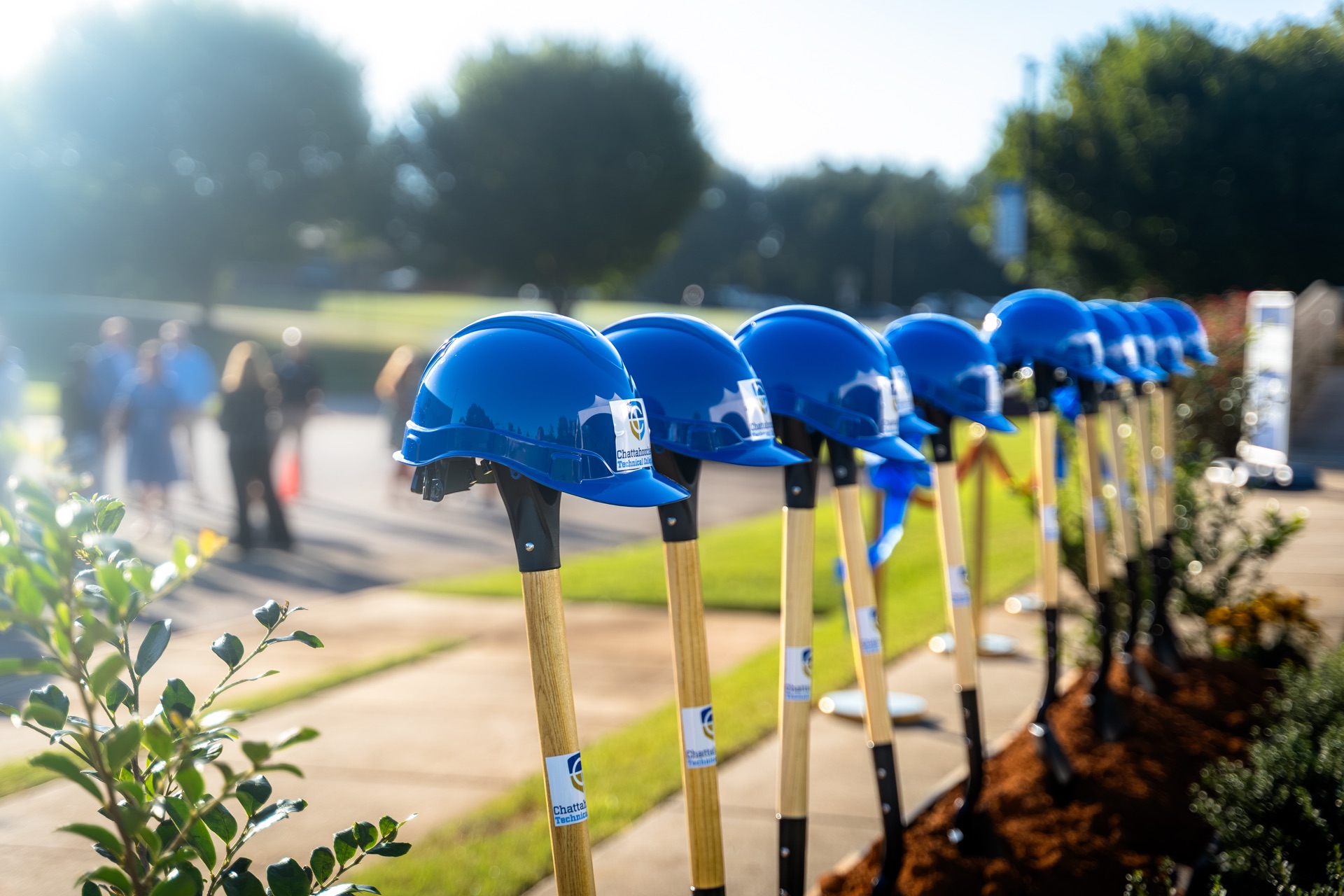
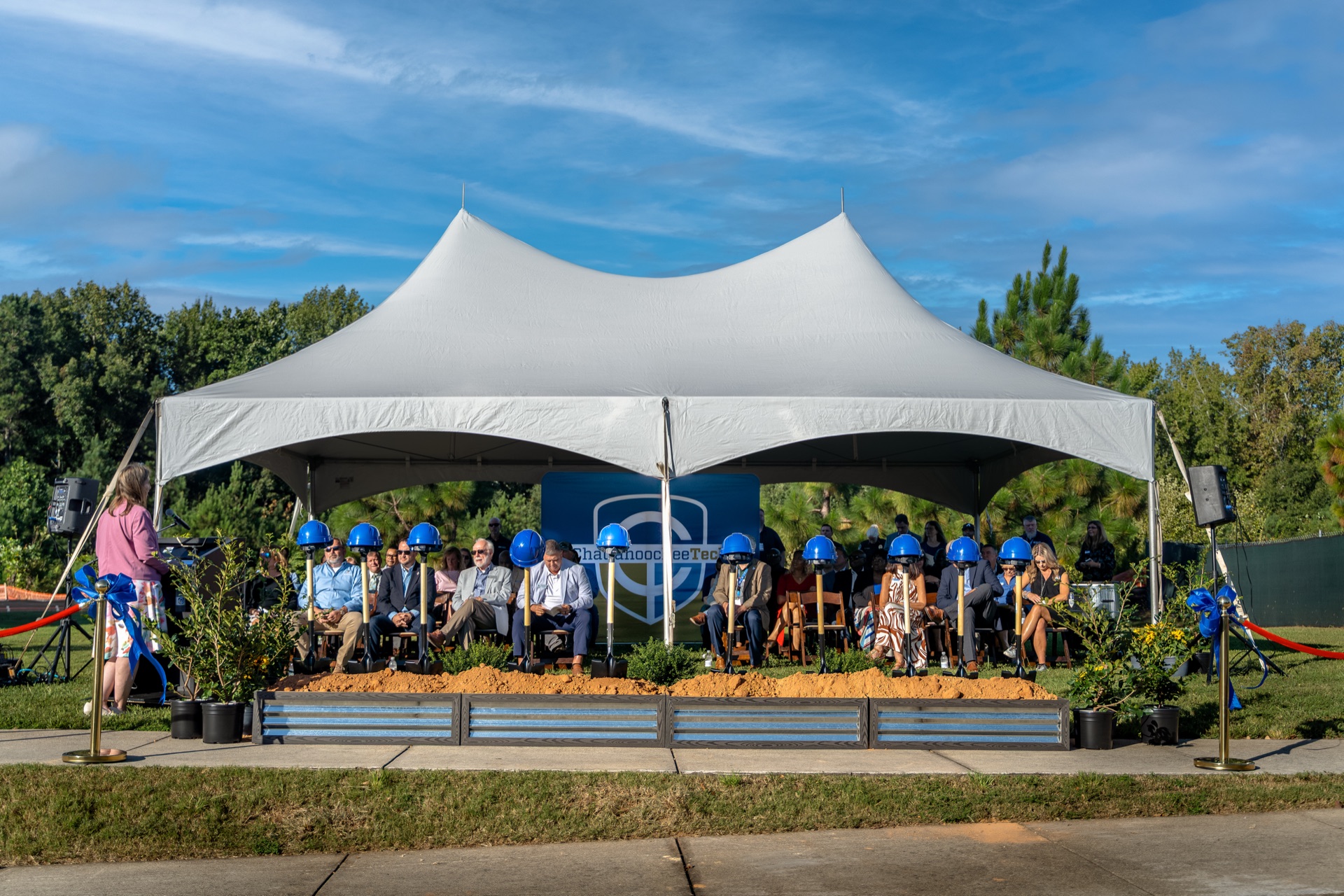
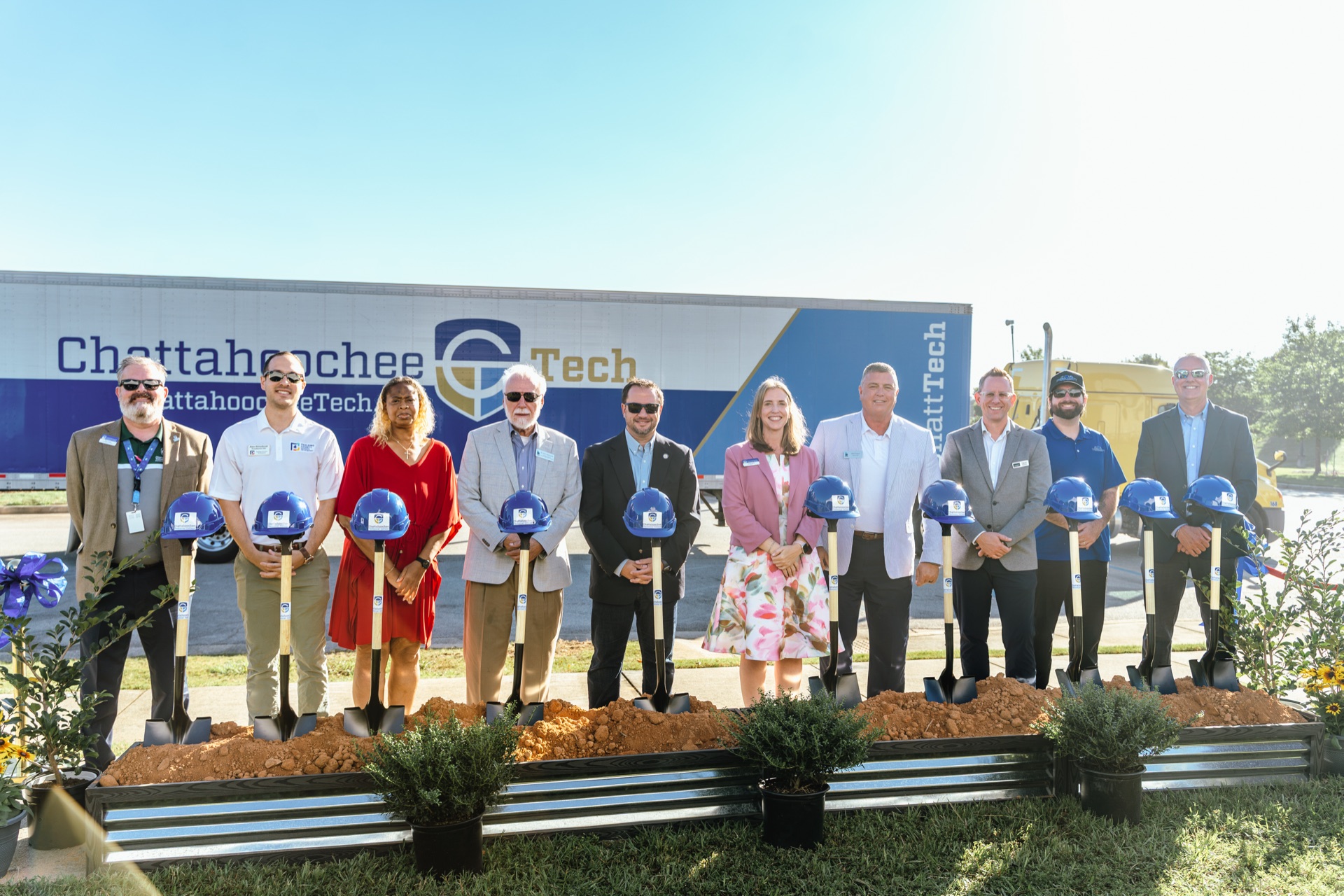
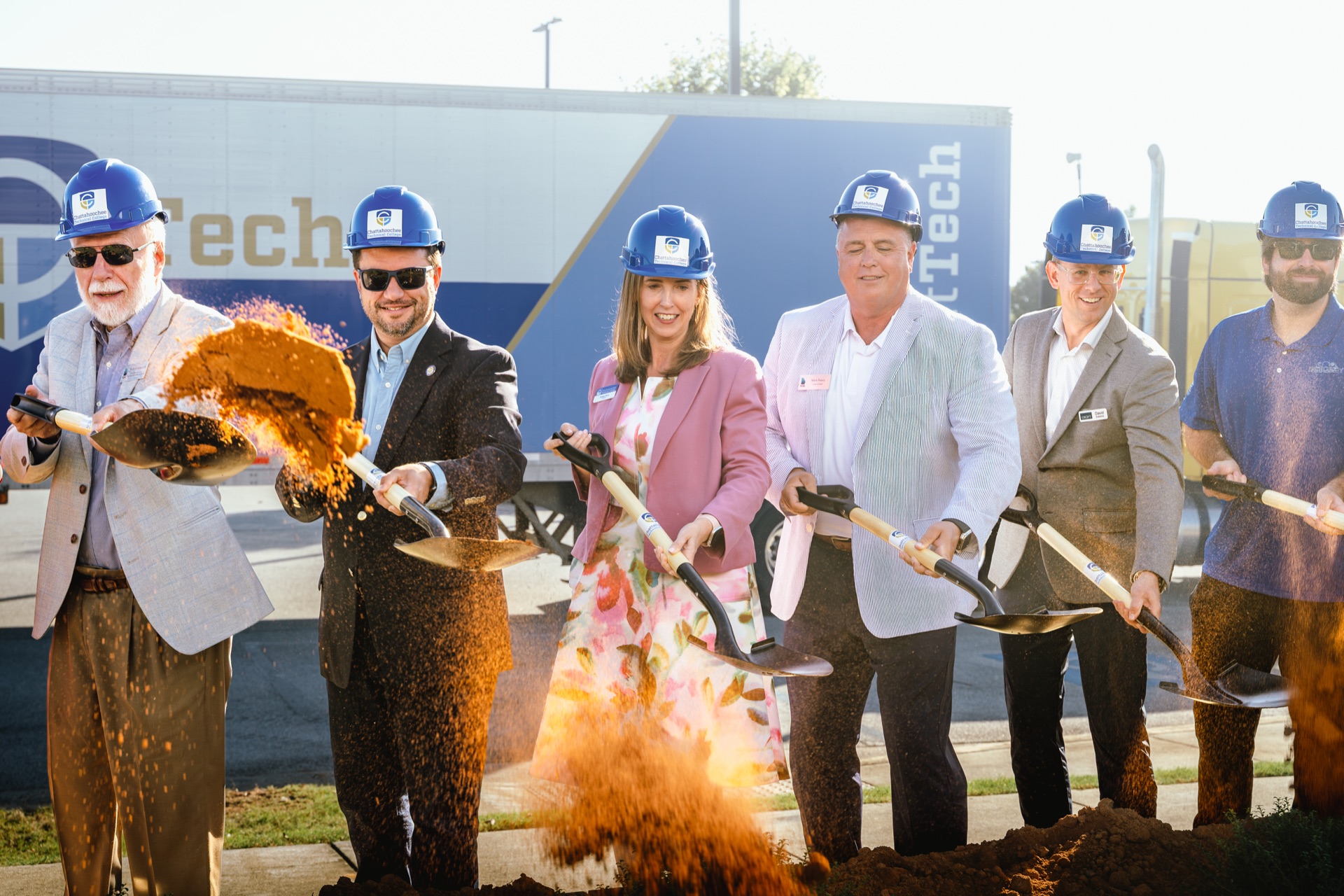
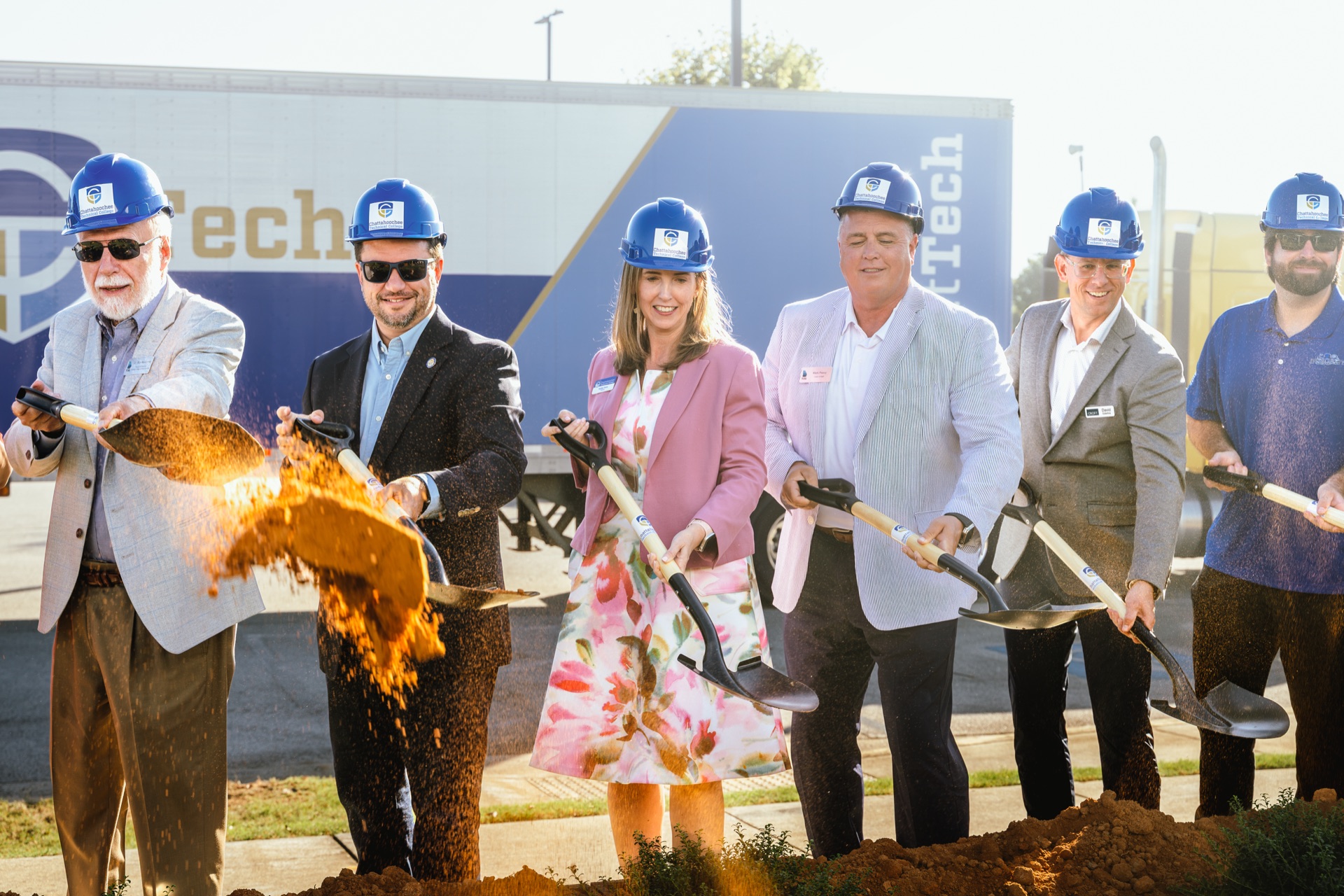
TCSG-411 is Chattahoochee Technical College's new commercial truck-driving pad in Dallas, Georgia (Paulding County). Integrity CRR is the prime general contractor on this active, bonded GSFIC project. Project photographs show the earthwork stage: clearing and grading, excavation, truck loading, and perimeter controls.
## Commercial Building-Envelope Progress, Georgia
URL: https://integritycrr.com/projects/commercial-building-envelope-progress-georgia/
Five jobsite photographs of one Integrity CRR commercial building in Georgia: CMU, steel joists and roof deck, storefront and facade, and low-slope roofing. The client is kept private.
---
# Part 2: Service Areas
## Atlanta, GA
URL: https://integritycrr.com/locations/atlanta-ga/
Region: Metro Atlanta · Distance from our Atlanta office: our home base
Integrity CRR is headquartered in Atlanta, GA, and builds commercial projects, roofs, and storm repairs across the metro.
- One project lead and a vetted subcontractor team on every job
- Familiar with City of Atlanta and DeKalb / Fulton permit workflows
- Prime general contractor on an active, bonded state project
### Where We Work in Atlanta
Our office sits on Chamblee Dunwoody Rd, right at the edge of Central Perimeter, so the daily radius covers Perimeter Center, Buckhead, Midtown, and Downtown without much drive time. That's where most of Buckhead's build-out and office TI work is: Class A and B towers, medical suites, and the restaurant and retail spaces that turn over constantly along Peachtree Rd and in the Buckhead Village/Lenox corridor.
We also run steady work OTP along the industrial and flex corridors — Fulton Industrial Blvd, the Norcross/Peachtree Industrial Blvd stretch, and the warehouse and light-manufacturing parks near I-285 and I-85. South of the city, the Hapeville/College Park submarket around the airport keeps a mix of logistics, hospitality, and commercial roofing on our schedule.
Atlanta's building stock is a mix of ages — 1970s-90s office parks in Central Perimeter, older strip and garden-apartment stock along Buford Hwy and in South DeKalb, and newer mixed-use going up intown. That range means our crews and subs are used to working on everything from a 40-year-old built-up roof to a current TPO system, often within the same week.
### What We Build and Repair in Atlanta
Commercial tenant improvements and full build-outs — office suites, medical and dental fit-ups, restaurant and retail buildouts, and interior renovations for property managers turning over space between tenants.
Commercial roofing across single-ply systems — TPO, EPDM, PVC — plus modified bitumen and built-up roof replacement on the older office and industrial stock. Tear-off, recover, and maintenance contracts for owners who don't want a full replacement every storm season.
Residential roofing and storm restoration in the intown and close-in neighborhoods, plus public and state-funded work.
### How an Atlanta Project Runs
Metro Atlanta is split across a lot of permitting authorities — City of Atlanta's Office of Buildings, DeKalb County, Fulton County, plus the smaller cities like Chamblee, Sandy Springs, and Dunwoody that each run their own permit desk. We track which jurisdiction a job falls in before we ever price it, so the permit timeline is part of the estimate, not a surprise after signing.
You get one project lead from the first site walk to closeout.
### Storm and Insurance Work in Atlanta
Atlanta's tree canopy is part of what makes the city livable and part of what tears up roofs — falling limbs after wind events are a routine cause of damage here, on top of the hail and straight-line wind that comes through with spring and summer storm systems. Occasional ice events in winter add another round of roof and gutter damage on top of that.
When a storm hits, we may attend the on-site inspection with the owner's authorization so observed conditions are documented with photographs, measurements, and written notes for carrier review. If our repair scope differs from the carrier estimate, we document construction differences and submit a contractor supplement request for review.
### Frequently asked questions
**Which permitting office handles my Atlanta project?**
It depends on where the site sits. Projects inside City of Atlanta limits go through the Office of Buildings; unincorporated DeKalb and Fulton County have their own building departments, and cities like Chamblee, Sandy Springs, and Dunwoody each run a separate permit desk. We identify the correct jurisdiction before pricing so the permit timeline is built into the schedule, not a surprise later.
**How fast can you respond to a commercial roof leak or storm damage in Atlanta?**
Call (833) 423-6255. We'll schedule an inspection.
**Do you work directly with property managers on multi-tenant Atlanta buildings?**
Integrity CRR offers tenant improvement, roof maintenance, and capital-repair services for office, retail, and multifamily properties. Property managers can request a current project-specific prequalification packet covering the proposed entity, authority, insurance, bonding requirements, team, and references.
---
## Sandy Springs, GA
URL: https://integritycrr.com/locations/sandy-springs-ga/
Region: Metro Atlanta — North · Distance from our Atlanta office: minutes from our Atlanta office
Sandy Springs is one of the busiest submarkets we work in: Class A office in Perimeter Center, multi-family along Roswell Rd, retail centers off 400, and roof and storm work under North Atlanta's tree cover. Our office is on Chamblee Dunwoody Rd, minutes away.
- Roof replacement and storm restoration on Sandy Springs residential and commercial
- Tenant improvements and build-outs in Perimeter Center and along 400
- Priority scheduling for active leaks and emergency mitigation
### Where We Work in Sandy Springs
Perimeter Center is the daily driver — office TI in the towers around Hammond and Lake Hearn, restaurant fit-ups in Concourse, and the steady rotation of suite turnovers that come with North Atlanta's tenant churn. We also run residential roofing across the older Sandy Springs neighborhoods off Mt Vernon, Roswell Rd, and along the river.
The city's mature tree canopy is great for property values and rough on roofs. Sandy Springs sees consistent hail and wind events; the seasonal cycle of inspections, claims, and replacements is a meaningful share of our work here. When a storm rolls through, we're on-site quickly because our office is minutes away — not a satellite location, not a regional dispatcher.
### Sandy Springs Projects We Take On
Commercial tenant improvements and full build-outs — medical, professional services, restaurants, retail.
Commercial roof systems including TPO, EPDM, PVC, modified bitumen — tear-off, recover, and ongoing maintenance contracts.
Residential and small-multifamily roofing, including hail and wind repairs supported by documented roof assessments.
Storm restoration: water mitigation, interior repair, exterior envelope work, full re-roofs.
Capital projects for HOAs and condo associations — siding, gutter, deck, and walkway work.
### How We Run a Sandy Springs Job
Every job gets one project lead who stays with it from estimate to closeout.
Roofing is self-performed by our own crews. Everything else we run as the general contractor with vetted subcontractors.
We work the City of Sandy Springs permitting process regularly and know what inspectors look for.
### Insurance Claims in Sandy Springs
After a hail or wind event, your carrier's adjuster prepares an estimate. We meet the adjuster on site, document visible roof and envelope conditions with photographs and measurements, and provide a written contractor repair scope for the carrier to review.
If the carrier estimate differs from the documented repair scope, we prepare a contractor supplement for the carrier to review.
### Frequently asked questions
**How fast can you get to a Sandy Springs site for an emergency?**
Our office is on Chamblee Dunwoody Rd, minutes from Sandy Springs. Call (833) 423-6255 and we'll get a crew scheduled as quickly as conditions allow.
**Do you work on Sandy Springs HOA and condo association projects?**
Yes. We handle multi-unit roofing replacements, exterior envelope work, deck and walkway repairs, and capital projects for HOAs and condo boards. We can present scope and pricing at board meetings if needed.
**Are you on Sandy Springs or property-manager approved-contractor lists?**
We're a Georgia-licensed commercial general contractor, SBA VetCert-certified as an SDVOSB, and registered in SAM.gov. We'll send the license, insurance, and references any owner or property manager needs for their approved-vendor list.
---
## Dunwoody, GA
URL: https://integritycrr.com/locations/dunwoody-ga/
Region: Metro Atlanta — Perimeter · Distance from our Atlanta office: minutes from our Atlanta office
Dunwoody is our home market: our Atlanta office is at 4720 Chamblee Dunwoody Rd. We build office TI, roofs, and storm repairs across the area.
- Commercial build-outs and tenant improvements in Perimeter Center
- Residential and commercial roofing across Dunwoody
- Service-disabled veteran-owned commercial contractor
### Why Dunwoody Is Our Home Market
Our office is at 4720 Chamblee Dunwoody Rd, so Dunwoody is home, not a satellite service area. Our crews and project leads are minutes from every Dunwoody job site.
### What We Build and Repair in Dunwoody
Office and retail tenant improvements throughout Perimeter Center — suite turnovers, restaurant build-outs, full floor renovations.
Commercial ground-up and capital improvement work for owners along the I-285 and GA-400 corridors.
Commercial roof systems — single-ply (TPO, EPDM, PVC), modified bitumen, and metal — including full tear-off, recover, and ongoing maintenance contracts.
Residential roofing across Dunwoody neighborhoods, installed by our own crews.
Storm and hail damage restoration — envelope repair, water mitigation, and re-roofs after metro-area storm events.
### How a Dunwoody Project Runs
One project lead runs your job from estimate through closeout.
Roofing is self-performed by our own crews. Everything else we run as the general contractor with vetted subcontractors.
Inside Dunwoody city limits, City Community Development handles permits. As checked August 19, 2026, the City requires a permit for commercial roof replacement, while its posted checklist marks minor roof-covering repairs and residential new covering or decking as not requiring one. We confirm the permit path for structural repairs and storm reconstruction with the City before work starts.
### Insurance Claims and Storm Work in Dunwoody
Dunwoody's tree cover and the metro-Atlanta storm pattern can produce hail, wind, and falling-limb damage. After a storm, we document the damage and write the repair scope.
We meet your adjuster on site, document visible roof and exterior-envelope conditions with photographs and measurements, and provide a written repair scope for review. When needed construction items are missing from an estimate, we document them in a supplement request.
### Frequently asked questions
**Where exactly is your Dunwoody office?**
Our office is at 4720 Chamblee Dunwoody Rd, Suite 200, Atlanta GA 30338. It sits on Chamblee Dunwoody Road near Perimeter Center and Dunwoody Village.
**Do you handle Perimeter Center tenant improvement jobs?**
Yes. Office TI, restaurant, and retail build-outs in the Perimeter submarket are core work for us. Property managers can request our prequalification packet with team, insurance, and references.
**What's the response time for a Dunwoody roof leak?**
Call (833) 423-6255. Our office is in Dunwoody, minutes from your building.
---
## Roswell, GA
URL: https://integritycrr.com/locations/roswell-ga/
Region: Metro Atlanta — North · Distance from our Atlanta office: minutes from our Atlanta office
Roswell is a steady commercial and high-end residential market for us — older neighborhoods with mature trees create real roofing and storm-restoration demand, and the historic district has its own construction realities our team is used to.
- Roof replacement and hail restoration across Roswell
- Commercial TI and retail build-outs along 400 and Holcomb Bridge
- Documented roof assessments for insurance claims
### Where We Work in Roswell
Roswell isn't one market — it's a handful of them stitched together along a few corridors. We see work from the office parks off GA-400 near Exit 7B and Holcomb Bridge Road, down through the retail centers on Holcomb Bridge and Alpharetta Highway (GA-9), and into the historic Canton Street district where the buildings are a lot older and the rules for touching the exterior are a lot tighter.
We also get called into the flex and light-industrial pockets off Woodstock Road and Grimes Bridge Road, and into the churches and civic buildings scattered through the city — Roswell has more of those than most cities its size. If it's a commercial or public building anywhere inside the Roswell city limits, we know which part of town it's in and what that means for the job.
### What We Build and Repair There
Low-slope office and retail roofs along GA-400 and Holcomb Bridge Road require building-specific condition and assembly review before repair, recover, or replacement is selected. Integrity CRR self-performs roofing with its own crews.
On the build-out side, we see tenant improvement work in strip retail on GA-9, medical and dental suites in the office parks, and restaurant and retail buildouts in the older buildings along Canton Street. Canton Street jobs run differently than a GA-400 office park — smaller footprints, older structures, and exterior work that has to clear the city's historic district review before a permit gets pulled.
We also take on public works and municipal-adjacent projects in the area, and repair work for churches and civic buildings that need a GC who can manage a sub team without disrupting a congregation's schedule.
### How a Roswell Project Runs
Integrity CRR self-performs roofing and acts as the general contractor for non-roof scopes through vetted subcontractors. One project lead runs the job and maps the permit path for your address.
Permits for work inside the Roswell city limits go through the City of Roswell's Community Development Department. If the project touches the exterior of a building in the Historic District — Canton Street and the blocks around it — it also needs to clear the Roswell Historic Preservation Commission's design review before the building permit gets issued. We build that review time into the schedule up front instead of finding out about it halfway through the job.
For tenant improvement work, Roswell Fire Marshal review is part of the process too, particularly for restaurant and medical spaces. We coordinate that alongside the building permit so it doesn't become a separate delay.
### Storm and Insurance Work in Roswell
Roswell sits along the Chattahoochee River and carries a heavier tree canopy than most of the metro. That combination means storm damage here often isn't just wind and hail — it's wind-driven limb and tree damage on top of it, especially on older roofs that were already due for replacement. Spring storm systems that move through north Fulton County bring hail lines that can hit one side of the city hard and leave the other side untouched.
Our roof inspectors document visible conditions with photographs and measurements for carrier review. We work alongside the property owner or manager on the construction scope, and we give metro Atlanta cost ranges up front. Actual numbers depend on the roof size, material, and what's found once we're up there, which is why we run an estimate before quoting a fixed number.
### Frequently asked questions
**Do you need special approval to do roofing or exterior work on a building in the Canton Street historic district?**
Yes. Exterior work on buildings inside Roswell's Historic District, which covers Canton Street and the surrounding blocks, has to clear the Roswell Historic Preservation Commission's design review before the city issues a building permit. We factor that review into the project timeline from the start so it doesn't stall the job.
**How fast can you get to a storm-damaged commercial roof in Roswell?**
We're based out of our Atlanta office, a short drive from Roswell, so we can typically get a roof inspector out fast after a storm to document damage before it worsens. Response time depends on the scale of the storm event across the metro, but Roswell is well within our normal service radius.
**Do you work directly with property managers and HOAs on commercial buildings, or only with the owner?**
We work with whoever is managing the project — owner, property manager, or HOA board — as long as they have authority to approve scope and sign off on the work. Office park and retail center work in Roswell often runs through a property management company rather than the building owner directly.
---
## Alpharetta, GA
URL: https://integritycrr.com/locations/alpharetta-ga/
Region: Metro Atlanta — North · Distance from our Atlanta office: a short drive from our Atlanta office
Alpharetta and Avalon-area work runs heavy on commercial build-outs, tech-tenant TI, and the upscale residential roofing market. We bring the same accountable GC model whether the project is a single restaurant fit-up or a ground-up commercial pad.
- Tenant improvements and restaurant build-outs in and around Avalon
- Commercial roofing systems on Tech Park and 400-corridor buildings
- Storm and hail restoration for residential and multi-family
### Where We Work in Alpharetta
Alpharetta splits into a few distinct commercial pockets and each one calls for a different kind of work. The Deerfield submarket off Old Milton Parkway and Kimball Bridge Road is corporate office park country — low-rise Class A buildings with big flat roofs, built for tenants like the tech and healthcare companies that gave the city its "Technology City of the South" reputation. North Point Parkway and the GA-400/North Point Mall corridor is retail and big-box territory, with strip centers, freestanding pad sites, and medical office buildings mixed in. Downtown Alpharetta and the Avalon mixed-use development are newer construction — ground-up and heavy-TI work, dense footprints, tighter site access.
We also see calls from Windward Parkway near the GA-400/Windward interchange, another office and hotel corridor, and from the older commercial strip along Old Milton Parkway and Haynes Bridge Road where buildings are 20-30 years old and due for roof and building-envelope work. Whether it's a flat-roofed office campus in Deerfield or a retail pad on North Point Parkway, the building type tells us what the job actually is before we ever get on site.
### What We Build and Repair There
The office parks generate a steady stream of tenant improvement work — a new tech or healthcare tenant leases a floor or a suite and needs it built out to their layout, from demo and framing through finishes and MEP coordination. We general contract those buildouts and bring in subs who've done this kind of interior work before. On the retail and mixed-use side, it's tenant fit-outs for national and regional retailers, restaurant buildouts, and the general repair and remodel work that comes with keeping a shopping center or mixed-use property leased and current.
Roofing is its own category here because of the building stock. Alpharetta's office parks and big-box retail buildings are almost all low-slope commercial roofs — TPO and EPDM single-ply systems that run 15-25 years before they need full replacement, longer if they're maintained. We self-perform roof replacement and repair on those systems with our own crews, along with the residential roofing that comes out of the surrounding subdivisions when storms move through. Public works and municipal-adjacent projects come up too, given the amount of institutional and government-adjacent development in North Fulton.
### How an Alpharetta Project Runs
Integrity CRR self-performs roofing and manages non-roof scopes through vetted subcontractors as the general contractor. One project lead runs the job and works within your landlord's rules and access limits.
Permitting runs through the City of Alpharetta's Community Development Department, not Fulton County — Alpharetta is a full-service city with its own building inspections, plan review, and permitting for construction, roofing, and TI work inside city limits. We pull permits, coordinate inspections, and handle that process directly so property managers and owners aren't the ones chasing City Hall on Milton Avenue. On mixed-use sites like Avalon or dense office parks in Deerfield, site logistics and staging get worked out up front, because access is usually the tightest constraint on those jobs.
### Storm and Insurance Work in Alpharetta
North Fulton County sits squarely in the path of the severe spring thunderstorm line that moves through metro Atlanta, and Alpharetta takes its share of hail and straight-line wind damage most years, along with the occasional tornado warning. Late summer and fall bring the remnants of Gulf and Atlantic tropical systems, which dump heavy rain on low-slope commercial roofs that aren't draining well or are already near the end of their service life.
When storm damage hits a commercial roof, we send a roof inspector to document observed conditions before preparing a repair scope, which matters for a market with this much single-ply roofing on office and retail buildings. On the residential side in the neighborhoods around Alpharetta, we use the same construction process: inspection, documentation, then approved repair or replacement.
### Frequently asked questions
**Do you pull permits through the City of Alpharetta or Fulton County?**
Alpharetta is a full-service city with its own Community Development Department, so permits for construction, roofing, and tenant improvement work inside city limits go through Alpharetta directly, not Fulton County. We handle that permitting and inspection process as part of the job.
**Can you manage a tenant buildout in an occupied office park like Deerfield?**
Yes. Office park landlords and property managers usually have strict access windows, noise restrictions, and shared-space rules, especially in occupied buildings. We build the schedule and sub coordination around those constraints and work directly with property management on logistics.
**How fast can you get a roof inspector out after hail or wind damage to a commercial roof?**
Call (833) 423-6255. We'll schedule an inspection.
---
## Marietta, GA
URL: https://integritycrr.com/locations/marietta-ga/
Region: Metro Atlanta — Cobb · Distance from our Atlanta office: about 25 minutes from our Atlanta office
Marietta is one of the deepest commercial markets in Cobb County — the Square and Roswell St retail corridor, medical office around Kennestone, and a large stock of 1970s–90s buildings hitting the age where roofs, envelopes, and full interior renovations come due all at once.
- Commercial roof replacement and recover on aging Cobb County building stock
- Medical and professional office tenant improvements near Kennestone
- Residential hail and wind restoration across east Cobb
### Where We Work in Marietta
Marietta isn't one market, it's several stacked on top of each other. Around the Square you've got a historic commercial district — brick storefronts, converted houses turned into offices, restaurants in buildings that predate any modern building code. A mile or two out, Roswell Street and Cobb Parkway (US-41) carry the retail and strip-center stock: shopping centers, freestanding restaurants, auto service bays, a lot of it built in the 1970s through the 1990s and now due for roofs, facades, or a full gut. Then there's the medical and professional office cluster around WellStar Kennestone Hospital off Church Street, which keeps generating tenant improvement work as practices expand, consolidate, or turn over space.
Further out, Franklin Road and the industrial pockets south of downtown hold warehouse, light manufacturing, and flex space tied to Marietta's aerospace and logistics base — Lockheed Martin and Dobbins Air Reserve Base sit right in the middle of this footprint and pull a steady stream of contractor and vendor activity into the surrounding commercial corridors. East Cobb, out along Sandy Plains and Roswell Road toward the county line, is where the residential roofing and storm work concentrates — established neighborhoods, mature tree canopy, and roofs that are 20-plus years old in a lot of cases.
We work all of it. A property manager with a strip center on Cobb Parkway and a hospital-adjacent medical group looking to build out suite space have completely different projects, but both need a GC who knows Marietta's permitting desk and Cobb County's inspection process, not someone learning it on their dime.
### What We Build and Repair There
Retail and office roofs along Roswell Street and US-41 need building-specific assessment before repair, recover, or tear-off is selected. Integrity CRR self-performs roofing.
Around Kennestone and the professional office corridor, the work skews toward tenant improvements — medical suites, dental offices, general professional space that needs to be reconfigured for a new tenant or an expanding practice. That's permit-heavy work: life safety, ADA compliance, sometimes health department sign-off depending on the use, and it has to happen without shutting down the businesses next door. Near the Square and in the older commercial buildings, we see more renovation-driven general contracting — restaurant build-outs, office conversions in structures that weren't built for their current use, where the permitting and inspection process takes more care because the building itself is older than the code it's being held to.
We bid public and institutional work in Cobb County and the City of Marietta.
### How a Marietta Project Runs
One project lead runs the job. We confirm whether the City of Marietta or Cobb County controls the address and build its permit and review steps into the schedule.
For a retail or office property, that usually means we're coordinating around the tenant's operating hours, staging material deliveries so they don't block a shopping center's parking lot during business hours, and sequencing inspections so the project doesn't sit waiting on a re-inspection for a week. On the roofing side it's simpler: inspect, write the scope, pull the permit, execute, and get final sign-off documented for the owner's records — the kind of paper trail that matters when the building sells or the insurance renews.
### Storm and Insurance Work in Marietta
Cobb County sits squarely in the path of the severe spring thunderstorm line that comes through north Georgia most years, and Marietta's mature tree canopy — a big part of what makes the older neighborhoods around the Square desirable — is also what puts roofs and structures at risk when those storms bring straight-line wind or hail. The county has had tornado warnings and confirmed touchdowns in past outbreaks, and hail large enough to compromise a roof's granule coat or a commercial single-ply membrane shows up most springs.
When that happens, we document the observed damage with photographs, measurements, and a clear distinction between storm-related conditions and pre-existing wear — photographs, measurements, and a scope that separates storm damage from pre-existing wear, because a carrier may question a scope that does not separate those conditions. We handle both sides: commercial single-ply roofs on the retail and office buildings along US-41 and Roswell Street, and residential roofs across the east Cobb neighborhoods, working directly with the property owner and their carrier so the carrier receives a complete, reviewable repair or replacement scope.
### Frequently asked questions
**Who handles permitting for a commercial project inside Marietta versus unincorporated Cobb County?**
It depends on the address. Inside Marietta city limits, permits go through the City of Marietta's own Development Services Department. Just outside the city line — a lot of the US-41 and Sandy Plains corridor falls here — it's Cobb County's Community Development Agency instead. We confirm which one applies before we scope a project, since review timelines and requirements aren't identical between the two.
**How fast can you respond to storm damage in Marietta?**
Call (833) 423-6255. We'll schedule an inspection.
**Do you work with property managers and HOAs on multi-building Marietta projects?**
Yes. In east Cobb, residential storm work and retail-corridor commercial work often run through a property manager or HOA board rather than a single owner. We're used to phased scheduling across multiple buildings or units, and to providing the documentation a board or management company needs to sign off on the work and close it out with insurance.
---
## Smyrna, GA
URL: https://integritycrr.com/locations/smyrna-ga/
Region: Metro Atlanta — Cobb · Distance from our Atlanta office: about 20 minutes from our Atlanta office
Smyrna runs a steady mix of retail and small-commercial work along Atlanta Rd and South Cobb Dr, plus a residential market of townhomes and infill builds where roofing and exterior envelope work is close to continuous.
- Retail and restaurant build-outs along the Atlanta Rd corridor
- Townhome and small-multifamily roofing packages
- Storm restoration and insurance claim support
### Where We Work in Smyrna
Smyrna isn't one market, it's several stitched together along a handful of corridors. Atlanta Road and South Cobb Drive carry the older commercial stock — strip retail, standalone restaurants, auto-service bays, small office buildings from the 80s and 90s that are due for roof and exterior work. Cobb Parkway (US 41) and Windy Hill Road run a mix of bigger-box retail, hotels, and office space closer to the Cumberland/Galleria interchange, where a lot of the class A product sits right at Smyrna's edge.
Then there's the newer Smyrna: the Market Village and Village Green area downtown, and the townhome and infill construction that's filled in around King Springs, Belmont Hills, and the Concord Road corridor over the last decade. That newer stock still needs a GC — punch-out work, tenant build-outs in the mixed-use retail bays, HOA-driven exterior repairs on townhome communities. We work all of it, from the older single-tenant retail box to a newer mixed-use shell that needs its second or third tenant fit-out.
### What We Build and Repair There
The commercial roofing calls in Smyrna are mostly low-slope single-ply on the retail and office stock along Atlanta Road, Cobb Parkway, and South Cobb Drive — TPO and EPDM roofs from the 90s and 2000s that are past their service life or took wind and hail damage and need a full tear-off and replacement rather than another patch. We also see flat-roof leaks on smaller strip centers where the original roof was never properly maintained and water's found its way into the deck.
On the general contracting side, tenant improvement and build-out work tracks the retail and restaurant turnover along the Village Green and the Cobb Parkway corridor — new tenants taking over existing shells and needing the interior rebuilt to suit. We also get calls from townhome HOAs and property managers in the newer infill communities near Concord Road and King Springs for exterior envelope repair — siding, roofing, and water intrusion issues that show up a few years after construction, once the original builder's warranty has run out.
### How a Smyrna Project Runs
Integrity CRR self-performs roofing and manages build-out and other non-roof scopes through vetted subcontractors as the general contractor. One project lead runs the job from estimate through closeout.
Permitting in Smyrna runs through the City of Smyrna's own Community Development Department, not Cobb County. That matters because a property just across the line in unincorporated Cobb or in Vinings goes through a different building department with different turnaround and inspection scheduling. We pull the right permit from the right office the first time, which keeps a tenant build-out or reroof from stalling on a paperwork mismatch.
### Storm and Insurance Work in Smyrna
Smyrna sits in the same severe-weather path as the rest of metro Atlanta — spring and early-summer thunderstorm cells that bring hail and straight-line wind, plus the occasional tornado warning that puts Cobb County under a watch. Low-slope commercial roofs along Atlanta Road and South Cobb Drive take the brunt of it: wind uplift at the edges and corners, hail bruising on membrane that's already older stock.
Our roof inspectors document visible conditions with photographs and measurements. We document the roof condition, prepare a repair scope, and submit contractor documentation for carrier review.
### Frequently asked questions
**Do you pull permits through the City of Smyrna or Cobb County?**
It depends on where the property sits. Anything inside Smyrna city limits goes through the City of Smyrna's Community Development Department. A property just outside the line in unincorporated Cobb County, or in Vinings, goes through Cobb County's building department instead. We confirm jurisdiction before we scope the permit so it's filed with the right office from the start.
**How fast can you get someone out to look at a roof in Smyrna?**
Call (833) 423-6255. We'll schedule an inspection.
**We manage a townhome community near King Springs — can you handle HOA-driven exterior work?**
Yes. We work with property managers and HOA boards on exterior envelope repairs — roofing, siding, water intrusion — on the townhome and infill communities that have filled in around Smyrna over the last several years. We can walk the property, document what's warranty versus what's normal wear, and give the board one clear estimate instead of separate quotes from separate trades.
---
## Brookhaven, GA
URL: https://integritycrr.com/locations/brookhaven-ga/
Region: Metro Atlanta — Perimeter · Distance from our Atlanta office: minutes from our Atlanta office
Brookhaven sits between our office and intown Atlanta, which makes it one of the easiest markets for us to service quickly. The work here skews toward office and medical TI along Peachtree Rd and roofing on the older housing stock inside the perimeter.
- Office and medical tenant improvements on the Peachtree Rd corridor
- Residential roof replacement on Brookhaven's older housing stock
- Priority scheduling for leaks and storm damage
### Where We Work in Brookhaven
Brookhaven runs along a few clear lines. Peachtree Road is the office and medical spine — low-rise professional buildings and medical office from the 70s through the 90s stretching from the Brookhaven MARTA station down toward Lenox. Dresden Drive and the Brookhaven Village/Town Brookhaven area carry the retail and restaurant density, a lot of it in older strip centers and standalone pads that get renovated or re-tenanted often. Buford Highway on the city's east side is a different animal entirely — dense retail and restaurant space in older flat-roofed buildings, much of it original construction that's overdue for roof work.
Then there's Century Center off I-85 and Clairmont — an older office park with a mix of mid-rise buildings that cycle through tenant turnover and roof and envelope work on a regular basis. Around Oglethorpe University and out toward Ashford-Dunwoody near the North DeKalb line, the mix shifts toward institutional and low-rise office. We work all of it — the Peachtree Road medical suite, the Buford Highway retail strip, the Century Center office floor.
### What We Build and Repair There
Commercial roofing calls in Brookhaven are mostly low-slope work on office and retail buildings that are 25 to 40 years old — TPO and EPDM systems along Peachtree Road and Century Center that are past their service life, plus older built-up and modified bitumen roofs on the Buford Highway retail stock that need a full tear-off rather than another patch. Storm damage and ponding-water leaks are common on these older flat roofs, especially where drains were never resized as the buildings aged.
On the general contracting side, medical and professional office tenant improvement work is steady on Peachtree Road and around the MARTA station area, where buildings turn over tenants and need interiors rebuilt to suit. Restaurant and retail build-outs cluster in Town Brookhaven, Dresden Village, and along Buford Highway, where a change in operator usually means a full interior rebuild. We also get called for exterior envelope and roofing work on condo and townhome communities near Brookhaven Village and Ashford Park, usually routed through an HOA or property manager.
### How a Brookhaven Project Runs
Integrity CRR self-performs roofing and manages non-roof scopes through vetted subcontractors as the general contractor. One project lead runs the job from estimate through closeout.
The City of Brookhaven Building Department, housed under Community Development, is the permit authority for property inside city limits. As checked August 19, 2026, the City's FAQ says nonstructural roofing or siding work may be done without a permit, while work involving sheathing, rafters, roof trusses, studs, or other structural components requires one. We confirm the project address and current scope-specific requirements with the City before work, then include required permit submission and inspection scheduling in the contracted scope.
### Storm and Insurance Work in Brookhaven
Brookhaven sits inside the perimeter and takes the same severe thunderstorm and hail line that moves through north DeKalb most summers, plus wind damage from the occasional remnant tropical system. Flat commercial roofs on Buford Highway and Peachtree Road take the brunt of it — hail bruising on aged membrane, wind uplift at parapet edges, and ponding areas that turn into leaks once a membrane's compromised.
Our roof inspectors document visible conditions with photographs and measurements, so the adjuster sees exactly what we found. We do the inspection, the documentation, and the repair or full replacement under one contract, so an owner or property manager isn't managing separate vendors for the adjuster meeting and the actual roof work.
### Frequently asked questions
**Do you handle permitting with the City of Brookhaven, or does the owner have to do that?**
Inside Brookhaven city limits, the City Building Department handles permits rather than DeKalb County. As checked August 19, 2026, the City's FAQ says nonstructural roofing may be done without a permit, while roofing work involving structural components requires one. When the contracted scope requires a permit, we include the applicable submission and inspection scheduling; confirm those responsibilities in the agreement.
**We're a property management company with an HOA client in Brookhaven — can you work directly with the association?**
Yes. Exterior envelope and roofing projects for condo and townhome communities around Brookhaven Village and Ashford Park usually go through a property manager or HOA board, and we can walk the board through scope and cost before anything's approved.
**How fast can you get someone out for a leak or storm damage in Brookhaven?**
Call (833) 423-6255. We'll schedule an inspection.
---
## Chamblee, GA
URL: https://integritycrr.com/locations/chamblee-ga/
Region: Metro Atlanta — Perimeter · Distance from our Atlanta office: minutes from our Atlanta office
Chamblee is effectively our backyard — our office is on Chamblee Dunwoody Rd. The market runs heavy on light-industrial and flex buildings around the airport plus the fast-changing retail and restaurant scene downtown.
- Light-industrial and flex-building roofing and repairs
- Restaurant and retail build-outs in downtown Chamblee
- Local crews from our Chamblee Dunwoody Road office
### Where We Work in Chamblee
Our office sits right on Chamblee Dunwoody Road, so this isn't a market we drive in for — it's the one we're already in. We cover the light-industrial and flex parks off New Peachtree Road and along the rail corridor near the DeKalb-Peachtree Airport (PDK), the retail and restaurant strips on Buford Highway and Peachtree Boulevard, and the older residential neighborhoods like Huntley Hills and Keswick that ring downtown.
Downtown Chamblee itself has changed fast over the past few years — the MARTA station area and the antiques-row buildings along Peachtree Road have filled in with new restaurants, breweries, and small retail, mixed in with the older brick storefronts. That mix of decades-old commercial buildings and new build-outs is exactly the kind of work our GC model is built for.
### What We Build and Repair There
Around PDK and the rail corridor, most of the calls are flex and light-industrial buildings — single-ply roof replacements and repairs on low-slope commercial roofs, plus tenant improvement work when a warehouse or flex space turns over to a new user. Those buildings take real wear from HVAC penetrations and years of patch repairs, and a lot of what we get called for is fixing somebody else's shortcuts before they turn into a bigger leak.
On Buford Highway and in downtown Chamblee, the work skews toward restaurant and retail build-outs — new tenants fitting out an old storefront, kitchen exhaust and grease-trap coordination, and the permitting that comes with a change of use. In the residential neighborhoods it's roof replacement and storm repair on the older housing stock, a lot of it under mature tree canopy that Huntley Hills and Keswick are known for.
### How a Chamblee Project Runs
Inside Chamblee city limits, City Planning and Development handles permits, plan review, and inspections separately from unincorporated DeKalb County. City materials direct owners considering a new roof to that department and say most listed improvements require a permit; the City code allows ordinary minor repairs valued below $2,500 without one only with the building official's approval. We confirm the address and current requirements for the exact scope before work begins.
Integrity CRR self-performs roofing and manages non-roof scopes through vetted subcontractors as the general contractor. A single project lead owns the schedule, the subs, and the punch list.
### Storm and Insurance Work in Chamblee
Chamblee sits in the same severe-thunderstorm and hail corridor as the rest of metro Atlanta, and the mature tree canopy over Huntley Hills, Keswick, and the older streets near downtown means wind and storm damage here is as often a limb through a roof as it is hail. Low-slope commercial roofs on the flex buildings near PDK take their own kind of damage from straight-line wind, especially around rooftop units and flashing.
Our roof inspectors document visible conditions with photographs and measurements. We prepare a repair scope, submit contractor documentation for carrier review, and manage approved repair or replacement as your GC. For a flex building, a restaurant space, or a house in Keswick, the process is the same.
### Frequently asked questions
**Does Chamblee have its own permitting process, separate from DeKalb County?**
Yes. Inside Chamblee city limits, City Planning and Development handles building permits, plan review, and inspections rather than unincorporated DeKalb County. As checked August 19, 2026, City materials direct owners considering a new roof to that department and say most improvements in the same list require a permit; the City code allows ordinary minor repairs valued below $2,500 without one only with the building official's approval. Confirm the exact roofing scope with the City.
**How fast can you respond to a project or storm call in Chamblee?**
Call (833) 423-6255. We'll schedule an inspection.
**Do you work on flex and light-industrial buildings near PDK, or just retail and residential?**
Both. The area around the DeKalb-Peachtree Airport and the rail corridor has a lot of flex and light-industrial space, and that's a steady part of our roofing and tenant-improvement work. We also handle the restaurant and retail build-outs downtown and along Buford Highway, plus residential roof replacement in the surrounding neighborhoods.
---
## Johns Creek, GA
URL: https://integritycrr.com/locations/johns-creek-ga/
Region: Metro Atlanta — North · Distance from our Atlanta office: about 30 minutes from our Atlanta office
Johns Creek is a high-end residential and professional-office market. Most of what we do here is roof replacement on large single-family homes and tenant improvement work in the office parks along Medlock Bridge and State Bridge.
- Large-format residential roof replacement with project-specific system and warranty documents
- Professional office TI along Medlock Bridge and State Bridge
- Documented assessments for hail and wind claims
### Where We Work in Johns Creek
Johns Creek is almost entirely built out, which changes the kind of GC work available compared to a growth corridor like Forsyth or Cherokee County. Most of what we bid here is renovation, tenant improvement, and roof replacement inside office parks and retail centers that went up in the 1990s and 2000s during the city's original tech and medical office boom. That building stock is now old enough to need real capital work — roofs, HVAC-adjacent structural repairs, interior buildouts for new tenants replacing ones that have turned over.
The commercial base runs along a few corridors: State Bridge Road and Medlock Bridge Road (GA-141) through Johns Creek Town Center and the retail centers around The Forum, the office and flex space along Old Alabama Road and Technology Park Drive, and the medical office cluster near Emory Johns Creek Hospital on Hospital Parkway. There's also light industrial and flex space off McGinnis Ferry Road and Sargent Road near the Forsyth County line. We quote work across all of it — office, medical, retail, and flex/light industrial.
Johns Creek also has a dense HOA and community-association footprint — clubhouses, pool houses, and amenity buildings tied to the master-planned neighborhoods that make up most of the city. Those buildings take real wear (roofs especially) and go through boards and property managers for approval, which is a different process than a straight commercial tenant job, but one we're used to running.
### What We Build and Repair There
On low-slope commercial roofs, we document the existing assembly, conditions, moisture findings, penetrations, drainage, and repair history before recommending repair, recover, or replacement. One project lead runs the job from estimate through closeout.
Behind that is tenant improvement and interior buildout work — medical suites near the hospital corridor that need exam rooms and equipment-rated power reconfigured, office space getting broken into smaller suites as larger single tenants give way to multiple smaller ones, and retail buildouts when a space turns over between operators. None of this is speculative; it's the kind of churn you'd expect in a mature suburban commercial base where the buildings are fixed but the tenants aren't.
We also handle storm restoration on commercial buildings — roof, exterior, and structural repair after wind or hail events, coordinated directly with the property's insurance carrier.
### How a Johns Creek Project Runs
Integrity CRR self-performs roofing and manages electrical, mechanical, and other non-roof scopes through vetted subcontractors as the general contractor.
Permitting in Johns Creek runs through the City of Johns Creek's own Community Development Department — the city incorporated in 2006 and issues its own commercial permits rather than routing through unincorporated Fulton County. For property-manager-run buildings, especially medical and HOA amenity structures, that permit process usually runs alongside board or management-company sign-off, and we build both into the schedule up front so a project doesn't stall waiting on a signature.
Because Johns Creek is a request-an-estimate market rather than a walk-up one, every job starts with a site visit and a written scope before any number gets attached to it — we don't quote commercial roofing or buildout work off a phone call.
### Storm and Insurance Work in Johns Creek
Johns Creek sits along the Chattahoochee on the northern edge of metro Atlanta's severe weather corridor, and the tree canopy that makes the area desirable also means storm damage here skews toward wind and falling limbs as much as hail. Spring and summer thunderstorm lines coming through north Fulton regularly bring damaging straight-line wind, and hail events aren't rare either — both show up as membrane punctures, torn flashing, and damaged gutters and drip edge on commercial roofs.
When a building takes storm damage, we document it with photographs, measurements, and a written roof assessment, put together a scope that matches what the carrier's adjuster is going to look for, and manage the repair or replacement as the GC of record. For property managers running several buildings across Johns Creek's office parks or HOA amenity space, that means one point of contact instead of chasing separate roofers and contractors after every event.
### Frequently asked questions
**Who handles commercial building permits in Johns Creek?**
The City of Johns Creek issues its own commercial permits through its Community Development Department — it's a separate incorporated city, not unincorporated Fulton County. We pull permits directly with the city and build that timeline into the project schedule.
**Do you work with HOAs and property management companies in Johns Creek?**
Yes. Johns Creek has a lot of HOA and community-association buildings, such as clubhouses, pool houses, and amenity centers, which usually means getting board or management-company approval alongside the city permit. We're used to running both processes together.
**How much does a commercial roof replacement cost in Johns Creek?**
Commercial roof pricing depends on measured area, existing assembly, tear-off requirements, insulation, drainage, rooftop equipment, access, phasing, and the specified replacement system. We inspect and measure the roof before providing a project-specific written estimate.
---
## Duluth, GA
URL: https://integritycrr.com/locations/duluth-ga/
Region: Metro Atlanta — Gwinnett · Distance from our Atlanta office: about 30 minutes from our Atlanta office
Duluth and the surrounding Gwinnett corridor give us a steady flow of retail, restaurant, and multi-tenant commercial work, plus residential roofing across a housing stock that is now squarely in replacement range.
- Multi-tenant retail center roofing and capital repairs
- Restaurant and retail fit-ups along Pleasant Hill and Peachtree Industrial
- Residential roof replacement and storm restoration
### Where We Work in Duluth
Duluth splits into a few very different markets and we treat them differently. Downtown Duluth, around the historic district and Main Street, is small commercial buildings and mixed-use storefronts. Sugarloaf Parkway and the Sugarloaf Corporate Center corridor is mid-rise office and business park space. Pleasant Hill Road and Peachtree Industrial Boulevard carry the dense retail and restaurant strip centers, including the corridor with the largest concentration of Korean-American-owned businesses in metro Atlanta. Steve Reynolds Boulevard and the area around the Gas South District (formerly Infinite Energy Center) run more industrial and flex space.
That mix means the buildings we're called to are all over the map by age and construction type: 1980s and 90s strip retail with low-slope built-up or modified bitumen roofs, newer TPO on office and medical buildings along Sugarloaf, and tilt-up warehouse and flex product off Steve Reynolds and toward I-85. We work with whoever owns or manages the building — direct owners, national retail chains, and third-party property management firms running the strip centers along PIB and Pleasant Hill.
### What We Build and Repair in Duluth
Restaurant and retail build-outs are a steady piece of the work in Duluth, driven by the turnover in the Pleasant Hill and PIB strip centers — new tenants taking over existing shells, kitchen buildouts, storefront upgrades, ADA restroom work. Medical and professional office tenant improvements come out of the Sugarloaf Parkway office parks. On the roofing side, most of the calls are commercial single-ply — TPO replacement or repair on flat-roof retail centers, office buildings, and light industrial space, plus the built-up and modified bitumen roofs that are aging out on the older strip centers near downtown and along Buford Highway toward Duluth.
Warehouse and flex-space roof work comes out of the industrial pockets near Steve Reynolds Boulevard and toward the I-85/Pleasant Hill interchange — larger membrane systems, coating and recover work where full tear-off isn't warranted yet, and the periodic leak and drainage repairs that come with older low-slope roofs on big footprints.
### How a Duluth Project Runs
Integrity CRR self-performs roofing and manages non-roof scopes through vetted subcontractors as the general contractor. One project lead runs the job from estimate through closeout.
Permitting depends on exactly where the building sits. Inside the city limits, that's the City of Duluth building and permitting department; just outside it, in unincorporated Gwinnett, it's Gwinnett County's Department of Planning and Development. We handle that distinction on our end so it doesn't become the owner's problem. Strip centers and office parks along Pleasant Hill and Sugarloaf are usually run by property managers, so the work has to fit around lease terms, landlord approval chains, and multi-tenant coordination, not just a single owner sign-off.
### Storm and Insurance Work in Duluth
Gwinnett County gets hit by severe thunderstorm lines and hail on a regular basis, and Duluth's flat-roof retail and office stock takes that exposure directly — low-slope membranes show hail bruising and wind damage that isn't always visible from the ground. Our roof inspectors document visible conditions with photographs and measurements, which matters when a claim comes down to whether the damage is storm-related or wear-and-tear, and that distinction is where most insurance disputes start.
We document observed conditions, prepare a repair scope, submit contractor documentation for carrier review, and handle approved repair or replacement under one construction contract. For strip centers and office parks, we keep the property manager informed through the documentation and repair process.
### Frequently asked questions
**Do you pull permits through the City of Duluth or Gwinnett County?**
It depends on where the building sits. Properties inside Duluth city limits go through the City of Duluth building department; properties in unincorporated Gwinnett go through the county's Department of Planning and Development. We confirm jurisdiction at the start of the project and handle the permit application either way.
**Can you coordinate with our property management company for a strip center or office park unit?**
Yes. Multi-tenant retail centers and office parks along Pleasant Hill Road and Sugarloaf Parkway usually route approvals, schedules, and updates through a property manager instead of a single owner, and we work that way.
**How fast can you respond after a hailstorm in Duluth?**
Call (833) 423-6255. We'll schedule an inspection.
---
## Lawrenceville, GA
URL: https://integritycrr.com/locations/lawrenceville-ga/
Region: Metro Atlanta — Gwinnett · Distance from our Atlanta office: about 40 minutes from our Atlanta office
Lawrenceville is a county-seat market: institutional and government-adjacent buildings, a busy medical corridor around the hospital, and a large residential base that generates consistent roofing and storm work.
- Institutional and public-sector construction
- Medical office build-outs and renovations
- Residential and small-multifamily roof replacement
### Where We Work in Lawrenceville
Lawrenceville is the Gwinnett County seat, and that shapes the market more than anything else. Downtown, around the historic courthouse square and the Gwinnett Justice and Administration Center, you have a mix of older civic buildings, small commercial storefronts, and county government facilities packed into a few blocks. That government core is a big reason public works and institutional work show up on our radar here alongside private commercial jobs.
Outside downtown, the corridors split by use. Sugarloaf Parkway and the Highway 316 (University Parkway) corridor run newer office, medical, and retail space, much of it tied to the growth around Georgia Gwinnett College. Buford Drive (Highway 20) and Grayson Highway carry the bulk of the strip retail, restaurant pad sites, and auto-related commercial space. The Hi-Hope Road industrial park on the west side, plus flex and warehouse space along Riverside Parkway and toward Highway 29, holds most of Lawrenceville's industrial roofing and building envelope stock.
We work across all of it — county-adjacent facilities downtown, medical and office tenants along Sugarloaf and 316, and the retail and industrial owners and property managers along Buford Drive, Grayson Highway, and Hi-Hope.
### What We Build and Repair in Lawrenceville
The government and institutional presence downtown creates more public-sector-adjacent work in Lawrenceville than in most Gwinnett cities: tenant improvements and interior renovations for offices that support county functions, plus the general contracting scope that comes with older civic-area buildings needing code upgrades, ADA compliance, and building envelope repair. That runs alongside our standard public works capability for local government-adjacent bids.
On the private side, restaurant and retail build-outs are steady along Buford Drive and Grayson Highway, where pad sites and strip centers turn over tenants regularly. The office and medical space along Sugarloaf Parkway and near Georgia Gwinnett College generates tenant improvement work as that corridor keeps filling in. Roofing calls split between commercial single-ply — TPO on newer flat-roof retail, medical, and office buildings — and the aging built-up and modified bitumen roofs still common on the older strip centers and industrial buildings near downtown and Hi-Hope.
### How a Lawrenceville Project Runs
Permitting depends on the parcel: properties inside Lawrenceville city limits go through the City's planning and development department, while unincorporated Gwinnett properties go through the county. One project lead runs the job from estimate through closeout.
Multi-tenant and institutional projects can require coordination through property managers, facilities staff, or a building committee rather than a single owner-operator.
### Storm and Insurance Work in Lawrenceville
Gwinnett County sits squarely in the path of the severe thunderstorm and hail systems that move through metro Atlanta every spring and summer, and Lawrenceville gets its share — hail large enough to damage shingles and membrane roofs, straight-line wind, and occasional tornado warnings tied to squall lines. Flat commercial roofs on the strip retail and industrial buildings around Buford Drive, Grayson Highway, and Hi-Hope take that weather directly, and older built-up roofs are the first to show damage.
When a storm hits, we send a roof inspector to document observed roof conditions and prepare a repair scope, then submit contractor documentation for carrier review. We use that construction process for both single retail buildings and larger multi-tenant properties. An estimate for the repair scope is free; actual cost depends on roof type, size, and observed conditions, so we do not quote a fixed number without seeing the roof.
### Frequently asked questions
**Do you pull permits through the City of Lawrenceville or Gwinnett County?**
It depends on the parcel. Properties inside Lawrenceville city limits go through the City of Lawrenceville's planning and development department; properties in unincorporated Gwinnett County go through the county's Department of Planning and Development. Since Lawrenceville is the county seat, we deal with both offices regularly and confirm jurisdiction before pricing the job.
**Do you do public works or government-adjacent contracting in Lawrenceville?**
Yes. Integrity CRR bids public and institutional work as a Georgia-licensed general contractor and SBA VetCert-certified SDVOSB.
**How fast can you get a roof inspector out after storm damage in Lawrenceville?**
Call (833) 423-6255. We'll schedule an inspection.
---
## Peachtree Corners, GA
URL: https://integritycrr.com/locations/peachtree-corners-ga/
Region: Metro Atlanta — Gwinnett · Distance from our Atlanta office: about 25 minutes from our Atlanta office
Peachtree Corners is one of the largest office and flex-industrial concentrations in Gwinnett. Technology Park alone keeps a steady rotation of suite turnovers, and the flat commercial roofs across the corridor need real single-ply expertise.
- Technology Park office TI and suite turnovers
- TPO, EPDM, and PVC systems on flex and office buildings
- Roof maintenance contracts for property managers
### Where We Work in Peachtree Corners
Peachtree Corners covers a lot of different building stock in a small footprint, and we work across most of it. Technology Park, the office campus off Peachtree Corners Circle and Technology Parkway that's been there since the 1970s, has a steady churn of tenant turnover as software and engineering firms move in and out of Class A and B office space — that's tenant improvement and build-out work. The retail and restaurant corridor around the Forum on Peachtree Parkway and along Peachtree Industrial Boulevard (PIB) generates the other big category: storefront build-outs, restaurant shells, and roof work on flat-roofed retail centers. Further out along PIB toward Norcross, the mix shifts to warehouse and light industrial flex space with low-slope commercial roofs that take a beating from Georgia summers.
The residential side runs through the neighborhoods off Medlock Bridge Road, Holcomb Bridge Road, and Jones Bridge Road, plus the properties closer to the Chattahoochee near Simpsonwood and Jones Bridge Park. A lot of that housing stock is 20 to 40 years old, which is exactly the age range where roofs start failing and insurance claims start showing up. We work both sides of Peachtree Corners — the commercial corridor and the surrounding residential neighborhoods — out of our Atlanta office on Chamblee Dunwoody Road, a short run down Peachtree Industrial.
### What We Build and Repair There
On the commercial side, the most common calls are tenant improvement build-outs in the office parks and flex buildings — new suite layouts, demising walls, breakrooms, and the mechanical/electrical work that comes with a new tenant moving in. Retail and restaurant spaces along Peachtree Parkway and PIB need similar work: shell-to-suite build-outs, kitchen roughs, ADA-compliant restrooms, storefront glazing. We're a general contractor on all of that, running vetted subs on framing, MEP, and finish trades.
Integrity CRR self-performs roofing with its own crews, including documented low-slope and steep-slope scopes that fit the project.
### How a Peachtree Corners Project Runs
Peachtree Corners has run its own permitting since it incorporated as a city in 2012, so projects inside the city go through its Community Development Department rather than unincorporated Gwinnett County. One project lead runs the job from estimate through closeout.
For build-outs and tenant-improvement work, Integrity CRR manages vetted subcontractors as the general contractor. Roofing is self-performed with Integrity crews and roofing estimates are prepared in-house.
### Storm and Insurance Work in Peachtree Corners
Peachtree Corners sits in the same hail and severe thunderstorm belt as the rest of metro Atlanta's northern suburbs, and it takes hits from storms that track down the Chattahoochee corridor and through Gwinnett most springs. Low-slope commercial roofs on the office parks and retail centers are exposed to wind and hail damage, and the older residential shingle roofs off Medlock Bridge and Holcomb Bridge are frequent claim candidates after a hard storm.
Our in-house estimating team writes roofing repair scopes in Xactimate, a widely used property-loss estimating platform. We write the scope in that software, line by line, and can put it next to the adjuster's estimate to show exactly what's missing or underpriced, instead of arguing in general terms with a different format. Once the carrier approves a claim, our in-house estimating team documents the repair items and flags what the initial estimate missed, including code-required upgrades and hidden damage that may be omitted from an initial carrier estimate.
### Frequently asked questions
**Who handles permitting for a project in Peachtree Corners?**
Peachtree Corners has issued its own permits through the City of Peachtree Corners Community Development Department since it incorporated in 2012 — it's a separate process from unincorporated Gwinnett County. We submit and manage that permitting as part of the GC scope on any project we run there.
**Do you do tenant improvement work in the Technology Park office buildings?**
Yes. Technology Park and the office parks along Peachtree Corners Circle and Technology Parkway see regular tenant turnover, and we build out suites there as a general contractor, running vetted subs on demising walls, MEP, and finish work.
**Is roofing work in Peachtree Corners subbed out or done in-house?**
We self-perform roofing with our own crews — it's the one trade we don't sub out. That covers single-ply commercial roofs on office and retail buildings and residential shingle roofs in the surrounding neighborhoods, and our in-house estimating team writes the estimate directly.
---
## Norcross, GA
URL: https://integritycrr.com/locations/norcross-ga/
Region: Metro Atlanta — Gwinnett · Distance from our Atlanta office: about 25 minutes from our Atlanta office
Norcross is warehouse, flex, and light-industrial country — large flat roofs, tenant turnovers, and owners who need a GC who can price a re-roof honestly instead of selling a patch job that fails in two seasons.
- Large-format flat roof replacement and recover
- Warehouse and flex tenant improvements
- Roof condition assessments for acquisitions and refinancing
### Where We Work in Norcross
Norcross runs on two corridors and they generate two different kinds of work. Jimmy Carter Boulevard is the retail and restaurant spine — strip centers, international grocery stores, and independent restaurants packed into 1970s and 1980s shopping centers, a lot of them due for roof work that's been deferred for years. Peachtree Industrial Boulevard (PIB) and the streets that feed off it — Beaver Ruin Road, Jimmy Carter near the I-85 interchange, Boggs Road — are where the warehouse and flex-industrial building stock sits: distribution buildings, contractor yards, light manufacturing, self-storage, all with large low-slope roofs.
Historic downtown Norcross is its own pocket — brick storefronts around the square, smaller footprints, more zoning and design-review scrutiny on anything visible from the street. We also see work along the I-85 frontage near the Jimmy Carter Boulevard and Beaver Ruin Road exits, where logistics and last-mile distribution tenants keep turning over space and generating tenant improvement calls. We run all of it out of our Atlanta office on Chamblee Dunwoody Road, about 25 minutes down PIB.
### What We Build and Repair There
The single biggest category of work in Norcross is large-format flat roofing — replacement and recover on warehouse, flex, and distribution buildings where the roof can run 50,000 square feet or more. Those roofs get sold a patch job more often than an honest re-roof, because a lot of contractors don't want to price the real scope. We do TPO and EPDM single-ply systems sized for that building stock, and we'll tell an owner straight when a recover won't hold and a tear-off is the actual fix.
On the general contracting side, it's tenant improvement work in the flex and warehouse buildings — office build-outs inside a warehouse shell, demising walls for a new tenant, loading dock and dock door modifications, the electrical and MEP that comes with a space changing hands. Along Jimmy Carter Boulevard it's restaurant and retail build-outs, often for owner-operators fitting out a shell space in a strip center that's changed hands multiple times. Roof condition assessments are also a steady request — buyers and lenders want a real inspection before they close on a Norcross flex or warehouse property, not a drive-by.
### How a Norcross Project Runs
Most of Norcross is inside the city limits, so permitting runs through the City of Norcross rather than unincorporated Gwinnett County — that matters for zoning, signage, and anything in the downtown design-review overlay. Some of the flex and industrial parcels along PIB and the I-85 frontage sit in unincorporated Gwinnett, which means Gwinnett County Planning and Development instead. We check which jurisdiction a property falls in before we price a job, because the plan review timeline and inspection requirements aren't the same.
Integrity CRR self-performs roofing and prepares roofing estimates in-house. For framing, MEP, finishes, and other non-roof scopes, Integrity acts as the general contractor and manages vetted subcontractors. A single project lead owns the schedule, the subs, and the punch list.
### Storm and Insurance Work in Norcross
Gwinnett County can experience spring and summer hail, and the flat roofs common to Norcross warehouses and retail buildings show hail and wind conditions differently than residential shingles. A close roof inspection can document membrane, flashing, and drainage conditions that are not visible from the ground. Our in-house estimating team writes roofing repair scopes in Xactimate, a widely used property-loss estimating platform.
Integrity's in-house roofing estimating team can document observed conditions, prepare its own construction scope and estimate, and provide authorized contractor materials for carrier review.
### Frequently asked questions
**Does a roofing or build-out project in Norcross go through the city or Gwinnett County?**
It depends on the parcel. Most of Norcross's retail and downtown core is inside city limits and permits through the City of Norcross, but a lot of the flex and industrial buildings along Peachtree Industrial Boulevard and the I-85 frontage sit in unincorporated Gwinnett County and permit through Gwinnett County Planning and Development. We confirm which jurisdiction a property falls in before we price the job.
**Can you handle roofing for a strip center or warehouse park with multiple tenants and one property manager?**
Yes — that's a common setup in Norcross along Jimmy Carter Boulevard and the PIB corridor. We work directly with the property manager or ownership group, price the roof as one scope even when tenant spaces differ, and coordinate access and downtime so tenants aren't shut down mid-workday.
**How fast can you get out to assess storm damage on a Norcross warehouse or flex building?**
We prioritize damage assessments after hail or wind events, especially on large low-slope roofs where standing water or membrane damage can get worse fast if it sits. Call us at (833) 423-6255 and we'll get someone out to inspect and start the Xactimate scope.
---
## Decatur, GA
URL: https://integritycrr.com/locations/decatur-ga/
Region: Metro Atlanta — East · Distance from our Atlanta office: about 20 minutes from our Atlanta office
Decatur mixes historic residential with a dense small-commercial core around the square. The construction reality here is tighter sites, more permitting scrutiny, and owners who care about doing the work right the first time.
- Small-commercial and restaurant build-outs near the square
- Residential roof replacement on historic and infill housing
- Tight-site logistics and City of Decatur permitting
### Where We Work in Decatur
Decatur is small in square miles but dense in the kind of building stock that generates real GC work: the downtown square around the old DeKalb County Courthouse, the restaurant and retail strip along E Ponce de Leon Ave and Church St, and the office and mixed-use buildings that have gone in around the Decatur MARTA station as the city has pushed transit-oriented redevelopment. We also cover the corridors just outside the square — Scott Blvd near Suburban Plaza, Clairmont Rd near Emory Decatur Hospital and the Atlanta VA Medical Center, and North Decatur Rd toward Emory and the CDC campus.
South and east of downtown, Oakhurst and the commercial nodes near E Lake have their own mix of small retail buildings, churches, and older multifamily properties, and we take on work there too. Whether the address falls inside the city limits or in the unincorporated DeKalb County pockets that border them changes which permitting desk we're dealing with, and we handle both.
### What We Build and Repair There
A lot of the storefront buildings on Church St and E Ponce de Leon are pre-1950s brick construction, which means restaurant and retail buildouts there usually involve more than new paint and fixtures — outdated mechanical and electrical behind the facade, ADA-compliant restrooms, and kitchen buildouts that have to be run past the fire marshal before a tenant can open. We do that work as the GC, managing the trades on the job the way we do on any commercial interior.
On the roofing side, most of the retail, office, and mixed-use buildings in and around downtown Decatur and Suburban Plaza carry flat or low-slope roofs, which is single-ply TPO territory — the trade we self-perform rather than sub out. We also see steady demand for office and medical tenant improvement work near the Emory Decatur Hospital and VA Medical Center corridor, and roof and exterior repair on the multifamily properties scattered through Oakhurst and the neighborhoods around the square.
### How a Decatur Project Runs
Integrity CRR self-performs roofing and prepares roofing estimates in-house. For non-roof scopes, Integrity acts as the general contractor and manages vetted subcontractors.
Permitting depends on the city limit, not the postal city. The City of Decatur says thousands of properties with Decatur mailing addresses are actually in unincorporated DeKalb County. Work inside City of Decatur limits goes through Design, Environment and Construction, whose current instructions require a permit for any roofing or structural work; unincorporated properties use DeKalb County Planning and Sustainability. For a property in a local historic district or designated landmark, we confirm with the City whether a Certificate of Appropriateness or Certificate of Exemption applies rather than inferring historic status from proximity to the square.
### Storm and Insurance Work in Decatur
Decatur's tree canopy is part of what makes the city look the way it does, and it's also a real driver of roof damage — mature oaks over the older neighborhoods and the downtown blocks mean limb strikes and wind-thrown debris show up on claims as often as straight hail damage from the thunderstorm lines that cross DeKalb County most springs and summers. Either way, the roof still has to be inspected and the damage documented before the carrier can evaluate coverage and the repair scope.
Our in-house estimating team writes roofing repair scopes in Xactimate, a widely used property-loss estimating platform. When the carrier uses the same platform, corresponding line items can be compared directly; otherwise, the construction operations and supporting documentation can still be reviewed without assuming identical formats. After the carrier's initial decision, our team can document differences between the contractor scope and carrier estimate, including applicable code items or concealed conditions found during authorized work, and submit a contractor supplement request for carrier review when appropriate.
### Frequently asked questions
**Does a City of Decatur property need historic-district approval before roof or storefront work?**
It depends on the parcel and proposed work. The City identifies multiple local historic districts and designated landmarks, so proximity to the square is not enough to determine status. Confirm the property in the City's GIS and ask whether a Certificate of Appropriateness or Certificate of Exemption applies before the building-permit submission.
**Is a permit for my Decatur building handled by the city or by DeKalb County?**
It depends on the city limit, not the mailing address. The City says thousands of properties with Decatur mailing addresses are in unincorporated DeKalb County. Properties inside City of Decatur limits use Design, Environment and Construction; unincorporated properties use DeKalb County Planning and Sustainability. We verify the jurisdiction before submitting.
**We manage a multi-tenant property near Suburban Plaza — do you work with property managers?**
Yes. We handle roof and building repairs on multi-tenant commercial and multifamily properties for property managers and owners, including scheduling around occupied tenants and documenting storm damage for insurance separately from routine maintenance work.
---
## Kennesaw, GA
URL: https://integritycrr.com/locations/kennesaw-ga/
Region: Metro Atlanta — Cobb · Distance from our Atlanta office: about 35 minutes from our Atlanta office
Kennesaw's growth along Barrett Pkwy and the university corridor keeps retail, restaurant, and student-adjacent multifamily work moving, and the residential base north of town produces steady storm and hail restoration.
- Retail and restaurant build-outs on the Barrett Pkwy corridor
- Multifamily and townhome roofing packages
- Hail and wind damage restoration with insurance claim support
### Where We Work in Kennesaw
Kennesaw splits into a few distinct commercial pockets and we treat them differently. The Barrett Parkway and Chastain Road corridor around Town Center at Cobb is big-box retail, hotels, and restaurant pad sites — high-visibility buildings where tenant turnover and appearance matter. The Cobb Parkway (US-41) strip running down toward Marietta is older retail and auto-related commercial space, a lot of it original 1980s-90s construction that's due for roof and building envelope work. Then there's the industrial and flex space stacked up near the I-75 interchanges at Barrett Parkway, Chastain Road, and Wade Green Road — warehouse and light-industrial buildings with the low-slope roofing that takes the worst of Georgia's summer heat cycling.
Kennesaw State University sits in the middle of all of it, and the density of students, staff, and campus-adjacent business pulls a steady stream of retail buildout and renovation work into the surrounding blocks. Historic downtown Kennesaw, near the Southern Museum and the old depot, is smaller-footprint commercial buildings — restaurants and retail in older structures where any work has to respect what's already there. We size crews and scheduling to whichever of these it is, not a one-size approach.
### What We Build and Repair There
The retail and hospitality stock along Barrett Parkway and Town Center generates a steady flow of tenant improvement work — build-outs for new restaurant and retail tenants, interior renovations when a space changes hands, and the exterior upgrades landlords do to keep a center competitive. On the industrial side near the interstate, the work is mostly TPO and modified bitumen roof replacement and repair on low-slope buildings, plus general building maintenance on warehouse and flex space that's aging into its second or third roof cycle.
Older retail along Cobb Parkway and the smaller commercial buildings downtown tend to need roof replacement and repair more than ground-up construction — a lot of that stock was built before current code and is carrying roofs well past their rated life. We're a general contractor on the build-out and renovation side and we self-perform the roofing ourselves, crews and estimating both in-house, which matters most on this kind of older building where the roof deck often has surprises once you're up there.
### How a Kennesaw Project Runs
Kennesaw is its own city with its own building department, so most projects inside city limits get permitted through the City of Kennesaw rather than Cobb County. Property just outside the city line — some of the industrial park land near the I-75 interchanges — falls under unincorporated Cobb County and goes through Cobb County Community Development instead. We check which jurisdiction a site sits in before we scope timeline, since inspection scheduling and turnaround differ between the two.
For build-outs, tenant improvements, and other non-roof scopes, Integrity acts as the general contractor and manages vetted subcontractors. Roofing is self-performed and roofing estimates are prepared in-house. One project lead runs the job from estimate through closeout.
### Storm and Insurance Work in Kennesaw
Cobb County sits in the path of the severe thunderstorm line that moves through north Georgia most springs, and Kennesaw's retail and industrial roofs — a lot of them flat or low-slope — take direct hail and wind exposure with no tree canopy to soften it. Hail on TPO and modified bitumen roofing is often invisible from the ground, which is why a lot of property owners don't know they have a claim until a roof starts leaking well after the storm that caused it.
Our estimates are written in Xactimate, a widely used property-loss estimating platform, so we can put our scope line by line against the adjuster's and show exactly what's missing or underpriced instead of arguing in general terms. Once the carrier approves a claim, our in-house estimating team documents the repair items and flags what the initial estimate missed, including code-required upgrades and hidden damage identified when the roof is opened.
### Frequently asked questions
**Do you pull permits through the City of Kennesaw or Cobb County?**
Depends on the address. Property inside Kennesaw city limits permits through the City of Kennesaw's building department. Property in the unincorporated county near the I-75 industrial parks goes through Cobb County Community Development. We confirm jurisdiction before we scope the project timeline, since inspection turnaround isn't identical between the two.
**Can you work with our property management company on a Town Center or Cobb Parkway retail space?**
Yes. Multi-tenant retail work usually runs through a property manager or landlord rep rather than an on-site owner, and we're used to that structure — scheduling around other tenants, coordinating storefront access, and keeping a center operating during the work.
**How fast can you get someone out to look at hail or storm damage on a Kennesaw roof?**
Call (833) 423-6255. We'll schedule an inspection.
---
## Woodstock, GA
URL: https://integritycrr.com/locations/woodstock-ga/
Region: Metro Atlanta — Cherokee · Distance from our Atlanta office: about 40 minutes from our Atlanta office
Woodstock and the broader Cherokee County market are still building out — new retail, restaurant, and small-commercial construction alongside a residential base that takes the brunt of North Georgia hail.
- Ground-up and build-out work in downtown Woodstock and Towne Lake
- Residential roof replacement across Cherokee County
- Hail restoration — one of the more active claim markets we serve
### Where We Work in Woodstock
Woodstock's commercial footprint splits into a few distinct pockets, and we work all of them. Downtown Woodstock — the Main Street/Towne Lake Parkway core around Woodstock Square and the Elm Street/Mill Street district — has been in a steady redevelopment cycle for years, with older brick storefronts and mill buildings converted into restaurants, breweries, and retail. That kind of adaptive reuse work is a different animal than new construction: you're opening up a 1950s-era building and finding what's actually behind the wall before you can scope the fix.
Out along GA-92 and the I-575 corridor, the building stock is newer — shopping centers, medical and professional office buildings, and the retail pad sites that cluster near the Outlet Shoppes at Atlanta and Towne Lake Hills. Bells Ferry Rd and Trickum Rd carry a mix of strip retail, churches, and daycare/school facilities that generate a steady stream of roof and TI work as tenants turn over.
Cherokee County's unincorporated areas ring the city, and we work there too — light industrial and flex space off Ridgewalk Pkwy and toward Holly Springs, plus the church campuses and institutional buildings that are common throughout the county. Whether the address falls inside the City of Woodstock limits or unincorporated Cherokee County changes which permitting office we're dealing with, not the quality of the work.
### What We Build and Repair in Woodstock
Roofing is the most consistent call we get from this market. Woodstock's mix of steep-slope residential-style commercial buildings downtown and low-slope retail and office roofs along 92 and 575 means we're regularly quoting both shingle and single-ply TPO work — sometimes on the same block. Because we self-perform roofing with our own crews, and our estimates are written by our in-house estimating team rather than handed off to a sub, an owner or property manager gets one point of contact from inspection through the final invoice.
On the general contracting side, the retail and restaurant turnover in and around Woodstock Square keeps us busy with tenant improvements and second-generation build-outs — new HVAC, updated storefronts, kitchen build-outs for restaurant conversions. Medical and professional office fit-ups along the 92/575 corridor are a steady category too, along with church and daycare additions and renovations, which are common projects throughout Cherokee County.
We also handle exterior and envelope work beyond just the roof — siding, gutters, and structural repair on the retail centers and office buildings that take hail or wind damage, since that damage rarely stops at the roofline.
### How a Woodstock Project Runs
We're headquartered at our Atlanta office on Chamblee Dunwoody Rd, not in Woodstock itself, and we don't claim a local branch — but the drive up I-575 is a short one, and we run projects here regularly enough that the local permitting process isn't a learning curve for us. Projects inside the City of Woodstock limits go through the city's Community Development/Building Department; anything in unincorporated Cherokee County goes through the county's building permits office instead. We track which applies before we ever submit drawings.
Integrity CRR self-performs roofing and prepares roofing estimates in-house. For build-outs, tenant improvements, additions, public works, and other non-roof scopes, Integrity acts as the general contractor and manages vetted subcontractors. One project lead runs the job from estimate through closeout.
We also bid church, school, institutional, and public projects.
### Storm and Insurance Work in Woodstock
Cherokee County can receive severe spring and summer thunderstorms and hail. Mature tree canopy throughout Woodstock's neighborhoods and commercial corridors also means wind events can bring limbs onto roofs, gutters, and rooftop units. A qualified inspection documents observed conditions and supports an itemized repair scope for carrier review.
Our in-house estimating team writes roofing repair scopes in Xactimate, a widely used property-loss estimating platform. We write the scope in that software, line by line, and can lay it next to the adjuster's estimate to show exactly what's missing or underpriced, instead of arguing in general terms.
Once the carrier approves a claim, our in-house estimating team documents the repair items and flags what the initial estimate missed, including code-required upgrades and concealed labor or material needs identified when the roof is opened. If the approved estimate comes in short, we document differences and submit a contractor supplement request for carrier review.
### Frequently asked questions
**Do you pull permits for Woodstock projects, and does it matter if I'm inside the city limits or in unincorporated Cherokee County?**
Yes, and it does matter. Projects inside the City of Woodstock go through the city's Community Development/Building Department; projects in unincorporated Cherokee County go through the county's building permits office instead. We confirm jurisdiction before drawings go out so the permit application goes to the right office the first time.
**How fast can you get someone out to Woodstock after a storm?**
We're based at our Atlanta office off Chamblee Dunwoody Rd, a short run up I-575, and we schedule storm inspections in Woodstock regularly. Call (833) 423-6255 and we'll get an inspection on the calendar — for active leaks or safety hazards we prioritize the same or next business day where possible.
**We manage a retail center or office building near Towne Lake or Woodstock Square — can you work directly with a property management company instead of the ownership group?**
Integrity CRR can coordinate scheduling, tenant notifications, access, and owner decision points for roofing and tenant-improvement work when those duties are included in the project agreement. Property managers should request a current, project-specific prequalification packet covering the proposed entity, contracting authority, insurance, any required bond, team, and references.
---
## Douglasville, GA
URL: https://integritycrr.com/locations/douglasville-ga/
Region: Metro Atlanta — West · Distance from our Atlanta office: about 35 minutes from our Atlanta office
Douglasville anchors the west metro — retail centers along Chapel Hill Rd, a growing industrial base off I-20, and residential neighborhoods that see real wind and hail exposure every spring.
- Retail center roofing and capital repair programs
- Industrial and warehouse work off the I-20 corridor
- Residential storm restoration and insurance claims
### Where We Work in Douglasville
Douglasville's commercial base splits into a few distinct pockets, and each one calls for a different scope. Chapel Hill Road and Fairburn Road carry the retail — the strip centers and big-box pads that ring Arbor Place Mall — and that stock is almost all low-slope: TPO, EPDM, and aging modified bitumen on buildings that turn tenants over every few years. Downtown, around the old courthouse square and the Cultural Arts Center, the building stock is older brick storefronts with steep-slope roofs that have usually been patched more than once before anyone calls a GC.
The I-20 corridor is the other half of the picture. Bright Star Road, Bill Arp Road, and the industrial park land near the interstate hold the distribution and warehouse buildings that have been filling in as Douglas County grows — big flat roofs, tilt-up construction, and the kind of square footage where a roof problem gets expensive fast if it sits. Post Road and Hospital Drive, near Wellstar Douglas Hospital, add a medical and professional office component with its own build-out and life-safety requirements. We work across all of it, from a single retail unit turnover to a warehouse re-roof.
### What We Build and Repair There
On the general contracting side, most Douglasville work is tenant improvement and build-out: a retail space along Chapel Hill or Fairburn getting reconfigured for a new tenant, a medical or professional suite near the hospital corridor being finished out, or a warehouse office component getting built inside an existing shell. That work runs through us as GC with vetted subs on the trades, the same as everywhere else we operate.
Roofing is different, and it's where we self-perform. Retail and warehouse low-slope roofs along the Chapel Hill/Fairburn corridor and out toward I-20 are TPO and EPDM territory — recover, replacement, or capital repair programs for owners managing multiple pads. Downtown and in the older residential-adjacent commercial buildings, it's steep-slope shingle and metal work, often storm-driven rather than scheduled. Either way, our own crews price it and our own crews install it — nothing farmed out to a roofing sub.
### How a Douglasville Project Runs
Integrity acts as the general contractor and manages vetted subcontractors for non-roof scopes. Permitting depends on the parcel: work inside Douglasville goes through the City, while unincorporated properties use Douglas County. A single project lead owns the schedule, the subs, and the punch list.
For roofing specifically, our estimate is written by our in-house estimating team using Xactimate — a widely used property-loss estimating platform. That matters on capital repair programs and storm work alike: we're not handing the scope to a broker without clear accountability for the final scope.
### Storm and Insurance Work in Douglasville
West metro Atlanta sits squarely in the spring severe-weather band that runs through the I-20 corridor — hail, straight-line wind, and the occasional tornado warning that puts every flat roof in the industrial park and every shingle roof downtown at risk in the same afternoon. The wooded lots around Douglasville's newer subdivisions and commercial developments also mean wind damage often comes with tree limbs down on a roof, not just wind-driven hail.
When a claim gets filed, our in-house estimating team writes the scope in Xactimate, and lays it line by line against the adjuster's estimate to show exactly what's missing or underpriced: code-required upgrades, detached structures, the labor and material that only shows up once the roof is opened. Once the carrier approves a claim, we document the repair scope and identify items that may be missing from the initial estimate: if the approved estimate is short, we document differences and submit a contractor supplement request for carrier review.
### Frequently asked questions
**Do you handle permitting if my building is technically in unincorporated Douglas County, not the city?**
Yes. Douglasville has a real jurisdiction split — the city limits go through City of Douglasville Planning & Development, while properties out toward Lithia Springs, Winston, or the county's edges along I-20 fall under Douglas County Building & Permitting. We check which one applies to your address before we pull anything.
**How fast can you get someone out after a storm hits Douglasville?**
Call (833) 423-6255. We'll schedule an inspection.
**We manage multiple retail or office buildings in Douglasville — can you handle a capital repair or re-roof program across several properties at once?**
Yes. Retail pads along Chapel Hill and Fairburn and warehouse buildings off I-20 are mostly low-slope TPO and EPDM, and we run capital repair and phased re-roof programs across a portfolio rather than one building at a time. Our estimate is written in-house, so property managers get one consistent scope and one point of contact across every building instead of a different bid format from each site.
---
## Dallas, GA
URL: https://integritycrr.com/locations/dallas-ga/
Region: Metro Atlanta — Paulding · Distance from our Atlanta office: about 45 minutes from our Atlanta office
Integrity CRR is the prime general contractor on active, bonded TCSG-411, the Chattahoochee Technical College CDL Pad project in Dallas, Georgia. An official 2026 award record and first-party progress profile document the project; the bond is project-specific, and no broader bonding-capacity or completion claim is implied.
- Active, bonded TCSG-411 public-works project in Paulding County
- Prime general contractor on the Chattahoochee Technical College CDL Pad
- Commercial roofing and build-out work across Paulding
### Where We Work in Dallas
Dallas is the Paulding County seat, and most of the commercial activity sits along two corridors: the Nathan Dean Bypass (Highway 120) and Bill Carruth Parkway (Highway 6), where strip retail, medical offices, and fast-casual pads have gone up as the subdivisions behind them fill in. Highway 92 and Charles A. Murphy Parkway carry a mix of older storefronts near the downtown square and newer build-to-suit sites further out. That growth has been steady for a decade — Paulding is one of the faster-growing counties in the state, and the commercial side is still catching up to the rooftops.
We also see work out toward the Paulding County Airport (Silver Comet Field) on the west side, where the light industrial and flex-space parcels around it are filling in, and along New Hope Road as that area builds out. Downtown Dallas itself, around the courthouse square, is a smaller footprint of older masonry buildings — different animal than a ground-up retail pad, and we treat it that way when it comes to roofing and structural work.
### What We Build and Repair There
The bulk of it is roofing — retail strip centers and freestanding restaurant buildings with TPO or modified bitumen roofs that are hitting 15-20 years old, plus newer metal roofing on the flex/industrial buildings near the airport. Hail and wind claims are a steady part of the work in this part of Paulding County; we'll get called in on a property that's had three or four roof systems patched over the years and needs a straight answer on whether it's a repair or a full replacement.
On the general contracting side it's tenant improvement work behind that retail growth — build-outs for medical and dental offices, quick-service restaurants, and small professional suites as new centers lease up along 120 and Highway 6. We've also picked up interest from churches and community buildings, which are common in Dallas given how much of the county is unincorporated and church-anchored. None of it is exotic. It's the kind of steady commercial build-out and repair work that comes with a county adding rooftops as fast as Paulding has.
### How a Dallas Project Runs
Integrity CRR self-performs roofing and prepares roofing estimates in-house. For build-outs, tenant improvements, and other multi-trade scopes, Integrity acts as the general contractor and manages vetted subcontractors. You get one project lead from the first site walk to closeout.
Integrity CRR is the prime general contractor on active, bonded TCSG-411, the Chattahoochee Technical College CDL Pad project in Dallas.
Permitting depends on whether the property sits inside the Dallas city limits or in unincorporated Paulding County. City projects go through the City of Dallas building department, while county projects go through Paulding County Planning and Development. We confirm which one governs your address before we price the job.
### Storm and Insurance Work in Dallas
North Georgia's spring storm line runs straight through Paulding County — hail and straight-line wind events are what generate most of the roof claims we see out of Dallas, and this part of the metro has had its share of severe weather over the years. When a claim comes in, we write the scope in Xactimate, a widely used property-loss estimating platform, and lay it line-by-line against their estimate instead of arguing generalities.
Once the carrier approves a claim, our in-house estimating team documents the repair items and flags what the initial estimate missed, including code-required upgrades and hidden damage identified when a roof is opened, and we submit a contractor supplement request for carrier review if the approved estimate comes up short. We write the scope, document the damage, and build the repair: the same company that writes the estimate does the work.
### Frequently asked questions
**Does my Dallas property fall under city or county permitting?**
It depends on the address. Properties inside the Dallas city limits pull permits through the City of Dallas building department; everything else in unincorporated Paulding County goes through Paulding County Planning & Development. We check this before we write your proposal so it doesn't hold up the schedule later.
**How fast can you get someone out to look at storm damage in Dallas?**
We're based in Atlanta, about 45 minutes from Dallas, and we prioritize storm response after hail or wind events. For an active claim, we'll get a roof inspector on the roof and start the Xactimate scope quickly enough to keep your claim timeline moving.
**Do you do TPO and metal roofing on the retail and flex space around Dallas?**
Yes. Most of the strip retail and restaurant buildings along Highway 120 and Highway 6 use TPO or modified bitumen, and the newer flex and industrial buildings near the Paulding County Airport are typically metal. Our roofing crews handle both, self-performed, with the estimate written in-house.
---
## Newnan, GA
URL: https://integritycrr.com/locations/newnan-ga/
Region: Metro Atlanta — South · Distance from our Atlanta office: about 45 minutes from our Atlanta office
Newnan and Coweta County took a direct hit from a major tornado and have been rebuilding ever since. It is a market that understands the difference between a restoration contractor who documents a claim properly and one who does not.
- Storm restoration and full rebuild experience
- Commercial build-outs and retail construction along the Bullsboro corridor
- Documented roof assessment and insurance claim documentation
### Where We Work in Newnan
Newnan is Coweta County's seat, and the commercial map splits pretty cleanly. Downtown around the courthouse square is older brick storefronts and restored buildings — a lot of restaurant and retail buildouts in structures that predate any modern code, which means every job starts with figuring out what's actually behind the wall. Head out Bullsboro Drive (GA-34) toward Ashley Park and you're in a different world: big-box retail, outparcels, and shopping center anchors with low-slope roofs and straightforward tenant spaces.
The growth corridor is I-85 — the interstate cuts through the eastern side of the county, and the exits around Newnan Crossing and the industrial parks off Hwy 34 and Hwy 154 are where distribution, flex-industrial, and light manufacturing space keeps getting built. There's also a real concentration of medical and professional office near Piedmont Newnan Hospital and along Lower Fayetteville Road, plus the office parks that have followed the film production work into Coweta County over the past several years.
Whether it's a downtown storefront inside the City of Newnan limits or a warehouse in unincorporated Coweta County off I-85, we know the difference matters for permitting before we ever price the job.
### What We Build and Repair There
Roofing is the biggest single call type out of Newnan, and it's a mixed bag of building stock. The retail centers off Bullsboro and the industrial buildings near I-85 are mostly TPO or EPDM low-slope roofs from the 90s and 2000s that are due for replacement, while the downtown and older residential-adjacent commercial buildings often carry steep-slope shingle or metal. We self-perform the roofing work with our own crews rather than handing it to a sub, and our in-house estimating team writes the estimate in-house — that matters in Coweta County because a lot of the roofing bids owners get here are farmed out to whoever's available that week.
On the general contracting side, we see tenant improvement and buildout work in the Ashley Park retail corridor, medical and dental suite finish-outs near the hospital, and interior renovations in the downtown storefronts where the historic exterior stays put but everything behind it gets reworked. The industrial parks off Hwy 34 and Hwy 154 generate warehouse and flex-space buildout and repair work as distribution and light manufacturing tenants move in and out.
We also take public works and municipal-adjacent projects in and around the county, and property-manager-driven repair and maintenance work across the retail and office stock — the kind of ongoing relationship where a GC who already knows the buildings is worth more than a new bid every time.
### How a Newnan Project Runs
Integrity CRR self-performs roofing and manages build-out and other non-roof scopes through vetted subcontractors as the general contractor. One project lead runs the job from estimate through closeout.
Permitting in Newnan depends on where the property sits. Inside the City of Newnan limits, permits run through the City's Building & Codes Department; outside city limits it's Coweta County's building department. Those are two different offices with two different review timelines, and we pull the right one before scheduling anything — it's a common holdup for owners who assume the county and the city are interchangeable.
We serve Newnan and Coweta County from our Atlanta office. Integrity CRR is a Georgia-licensed commercial general contractor.
### Storm and Insurance Work in Newnan
Coweta County sits in the path of severe spring and summer storm systems that move through west Georgia, and Newnan has seen firsthand what a direct hit looks like — the March 2021 tornado that tore through the city damaged homes, businesses, and roofs across town. Hail and straight-line wind events are the more routine exposure, and low-slope commercial roofs that took a hit often don't show it from the ground, which is why a lot of storm damage in this market goes unclaimed until it's leaking.
Our in-house estimating team writes roofing repair scopes in Xactimate, a widely used property-loss estimating platform. That means we write the scope of damage in Xactimate and can put it next to the adjuster's estimate line by line to show exactly what's missing or underpriced, instead of submitting a different format and arguing in general terms.
Once the carrier approves a claim, our in-house estimating team documents the repair items and flags what the initial estimate missed, including code-required upgrades, detached structures, and concealed conditions identified when the roof is opened, and if the approved estimate comes in short, we document differences and submit a contractor supplement request for carrier review. We write the scope, document the damage, and build the repair.
### Frequently asked questions
**Do you pull permits through the City of Newnan or Coweta County?**
Depends on the address. Property inside the City of Newnan limits goes through the City's Building & Codes Department; property in unincorporated Coweta County goes through the county's building department. We confirm the jurisdiction before we schedule anything, since the two offices run on different timelines.
**Is roofing work in Newnan subbed out or done in-house?**
In-house. We self-perform roofing with our own crews and our in-house estimating team writes the estimate directly — it isn't farmed out to an estimator or a sub. Every other trade on a project, we run as the GC managing vetted subcontractors.
**Our shopping center in Newnan has a property manager who needs to sign off — can you work with that?**
Yes. Retail and office buildouts in centers like Ashley Park almost always run through a property manager or ownership group, not a single decision-maker on site. We're used to working that chain — scoping the job, documenting it clearly, and keeping the manager looped in on schedule and inspections without slowing the tenant's build-out down.
---
## McDonough, GA
URL: https://integritycrr.com/locations/mcdonough-ga/
Region: Metro Atlanta — South · Distance from our Atlanta office: about 40 minutes from our Atlanta office
McDonough and Henry County are among the fastest-growing parts of the metro — distribution, retail, and new commercial construction along I-75, plus a residential base expanding faster than the contractor pool serving it.
- Distribution and industrial roofing off the I-75 corridor
- Retail and restaurant build-outs in a fast-growing submarket
- Residential roofing and storm restoration across Henry County
### Where We Work in McDonough
McDonough splits into a few distinct markets and we bid work in all of them. The I-75 corridor through exits 212, 216, and 218 is where the distribution and logistics growth sits — big-box warehouse space and the retail pads that follow it out toward Jonesboro Road (US-23/GA-42). That corridor is almost entirely low-slope commercial roofing and ground-up or shell-to-suit tenant work.
The historic downtown square is a different animal — older masonry storefronts around the courthouse with a mix of retail, restaurants, and small offices, many on steep-slope or older built-up low-slope roofs that need patch-and-repair work more than full replacement. Out toward GA-155 and the Ola community, and along Keys Ferry Street, you've got newer medical office buildings, churches, and strip retail going in as the residential rooftops push south. We work all three — I-75 logistics, downtown core, and the outlying retail/medical growth areas.
### What We Build and Repair There
The warehouse and distribution buildings along I-75 are almost all TPO or EPDM single-ply roofing at scale — that's where our self-performed roofing crews spend the most time in McDonough, whether it's a full re-roof, a re-cover over an aging system, or leak repair on a building that's still under a manufacturer warranty we have to work around. Retail centers near the Tanger Outlets area and along Jonesboro Road bring the same low-slope roofing plus the general contracting side: tenant build-outs when a space turns over, storefront and facade work, and interior renovations for incoming retailers.
Henry County has a high concentration of churches and religious facilities, and those jobs tend to mix trades — roofing, additions, fellowship hall build-outs, parking and site work — which is where our GC role managing subs matters as much as the roofing crew. Downtown, the work skews toward roof repair and maintenance on older buildings, plus interior renovation for small commercial tenants moving into the historic storefronts. Medical and professional office buildings on GA-155 and toward Ola are typically new construction or interior fit-out as that stretch keeps filling in behind the residential growth.
### How a McDonough Project Runs
Permitting in McDonough depends on where the property sits. Inside the city limits it runs through the City of McDonough's building and permitting department; outside city limits it's Henry County Development Services. Both jurisdictions inspect and permit separately, so the first thing we confirm on any McDonough job is which one has authority over the parcel — that decides who signs off on the roof permit, the site plan, or the certificate of occupancy.
Integrity CRR self-performs roofing and prepares roofing estimates in-house. For build-outs, additions, site work, and interior renovation, Integrity acts as the general contractor and manages vetted subcontractors. You get one project lead from the first site walk to closeout.
### Storm and Insurance Work in McDonough
Henry County sits squarely in the metro Atlanta severe weather belt — spring and early summer bring hail and straight-line wind events that hit roofs hard, and McDonough's mix of large flat commercial roofs and heavily wooded residential-adjacent lots means both wind/hail claims and tree-damage claims show up regularly. A distribution building with acres of membrane roof and a downtown storefront with a 90-year-old roof deck fail very differently in the same storm, and the claim has to reflect that.
Our in-house estimating team writes roofing repair scopes in Xactimate, a widely used property-loss estimating platform. Once the carrier approves a claim, our in-house estimating team documents the repair items and flags what the initial estimate missed, including code-required upgrades and hidden damage identified when the roof is opened.
### Frequently asked questions
**Does my McDonough project get permitted through the city or the county?**
It depends on the parcel. Properties inside McDonough city limits permit through the City of McDonough's building department; everything outside city limits falls under Henry County Development Services. We confirm which jurisdiction has authority before we price the job, since it affects the permit process and inspection schedule.
**Do you handle roofing on large warehouse and distribution buildings near I-75?**
Yes. TPO and EPDM single-ply roofing on large-format commercial and warehouse buildings is a core part of what our self-performed roofing crews do, and it's common along the I-75 corridor through McDonough. We estimate full replacements, re-covers, and leak repair on these roofs directly, without brokering the work to a sub.
**We manage a strip retail center or medical office in McDonough — can you work with our property manager?**
Yes. We coordinate roof inspections, repair scheduling, and tenant build-outs directly with property managers and ownership groups.
---
## Conyers, GA
URL: https://integritycrr.com/locations/conyers-ga/
Region: Metro Atlanta — East · Distance from our Atlanta office: about 35 minutes from our Atlanta office
Conyers and Rockdale County run on industrial and institutional building stock — large flat roofs, older mechanical penetrations, and owners who need a GC comfortable coordinating multiple trades on an occupied building.
- Industrial flat-roof replacement and recover
- Occupied-building renovations with phased scheduling
- Commercial and institutional general contracting
### Where We Work in Conyers
Conyers splits into two permitting worlds and we work both: the City of Conyers around the historic downtown square, and unincorporated Rockdale County everywhere outside the city limits. That distinction matters before a shovel goes in the ground, because it decides whose building department reviews your plans and whose inspector signs off.
The commercial base runs along the I-20 corridor — Exit 80 and Exit 82 — where distribution and light-industrial buildings sit behind the retail frontage on GA-138 and Dogwood Drive. That's Conyers' real economic engine: big-box warehouses, flex industrial space, and the truck traffic that comes with a logistics hub this close to Atlanta. Salem Road and Old Covington Highway carry the older commercial strip — strip centers, freestanding retail, small office buildings — much of it built in the 80s and 90s and now due for roof and building-envelope work.
Downtown, the historic square around Main Street has a different building stock entirely: older brick storefronts, some with parapet roofs and flat membrane systems well past their service life. We can scope and permit work in either environment, but a downtown historic-district job runs through a different review than a warehouse build-out off I-20, and we plan for that up front instead of finding out mid-project.
### What We Build and Repair There
Conyers' industrial base means a steady stream of low-slope commercial roofing work — TPO and EPDM on warehouse and distribution buildings, built-up and modified bitumen on the older retail strips along Salem Road and GA-138. These are big, flat roof decks, and on a facility that's still receiving trucks and shipping product, we sequence the work in sections so operations don't stop.
On the general contracting side, the retail and light-industrial mix along the I-20 corridor generates tenant improvement and build-out work as spaces turn over — new tenants fitting out a leased warehouse bay, a retail unit converting to a different use, office buildout inside a flex space. Downtown, it's smaller-scale renovation work on older commercial buildings: roof replacement, storefront and envelope repair, the kind of project where you're working around what's already there instead of building from a clean slate.
We bid Rockdale County, municipal, school, and institutional projects.
### How a Conyers Project Runs
Integrity CRR self-performs roofing and prepares roofing estimates in-house. On build-outs, tenant improvements, and public works, Integrity acts as the general contractor and manages vetted subcontractors. You get one project lead from the first site walk to closeout.
Permitting depends on the address. Inside the City of Conyers limits, plans go through the city's building department. Outside the city, in unincorporated Rockdale County, it's Rockdale County Planning & Development. We pull the permit for the correct jurisdiction and don't assume — a plan set built for one review can stall for weeks in the other.
We serve Conyers and Rockdale County from our Atlanta office. Integrity CRR is a Georgia-licensed commercial general contractor.
### Storm and Insurance Work in Conyers
Rockdale County can experience severe thunderstorms, tornado activity, and hail. Low-slope commercial roofs along the I-20 corridor and retail-strip roofs on Salem Road and GA-138 show storm conditions differently than residential shingles. A close inspection can document membrane punctures or seam conditions that are not visible from the ground.
This is where the Xactimate estimating matters most. Our in-house estimating team writes roofing repair scopes in Xactimate, a widely used property-loss estimating platform. We write the scope of damage in that software, line by line, and can lay it beside the adjuster's estimate to show exactly which line items are missing or underpriced, instead of arguing in general terms with a different format.
Once the carrier approves a claim, our in-house estimating team documents the repair items and flags what the initial estimate missed, including code-required upgrades and concealed damage identified when the roof is opened, and that may be omitted from an initial carrier estimate. If the approved number comes in short, we document differences and submit a contractor supplement request for carrier review. We write the scope, document the damage, and build the repair, because the same company that wrote the estimate is the one doing the work.
### Frequently asked questions
**Do you pull permits through the City of Conyers or Rockdale County?**
It depends on the address. Properties inside the City of Conyers limits go through the city's building department. Everything outside the city, in unincorporated Rockdale County, goes through Rockdale County Planning & Development. We confirm the jurisdiction before we submit plans so the review goes to the right office the first time.
**Can you work around an active warehouse or distribution facility during roof replacement?**
Yes. Much of Conyers' low-slope roofing is on warehouse and distribution buildings along the I-20 corridor that are still receiving and shipping product. We section the roof and sequence the work so the facility keeps operating, and we coordinate the schedule with your operations team before work starts.
**We manage a retail strip on Salem Road or GA-138 — do you work with property managers, not just owners?**
Yes, regularly. Multi-tenant retail strips along Salem Road and GA-138 usually run through a property management company, not the owner directly. We're used to working within a management company's approval chain, tenant-notification requirements, and documentation needs, on both roofing and general contracting scopes.
---
## Covington, GA
URL: https://integritycrr.com/locations/covington-ga/
Region: Metro Atlanta — East · Distance from our Atlanta office: about 45 minutes from our Atlanta office
Covington and Newton County are in an active growth cycle — new residential development, film-industry-adjacent commercial work, and a historic downtown where renovation work has to respect the existing fabric.
- Residential development and townhome construction experience
- Commercial renovation in and around historic downtown Covington
- Roofing and storm restoration across Newton County
### Where We Work in Covington
Covington splits the same way a lot of exurban Atlanta markets do: the City of Covington around the historic courthouse square, and unincorporated Newton County everywhere else. Which one you're in decides who reviews your permit — the city building department or Newton County's — and we check that before we scope a job, not after.
The commercial center of gravity has shifted east of downtown to the I-20 corridor, Exits 90 and 92, where GA-142 and GA-81 carry the retail and light-industrial frontage. Beyond that is Stanton Springs, the multi-county industrial megasite that straddles Newton, Walton, and Morgan counties — home to a Takeda pharmaceutical manufacturing plant and a Meta data center campus, plus the supporting warehouse and logistics space that kind of anchor tenant pulls in behind it. Closer to downtown, Access Road and Turner Lake Road carry an older commercial strip — freestanding retail, small offices, strip centers — mostly built in the 80s and 90s.
Downtown itself, around the square and out Floyd and Emory Streets, is older brick storefronts and civic buildings, several with parapet walls and flat membrane roofs long past their service life. We work all three environments, but a downtown historic-district renovation runs through a different review process than a warehouse or data-center-adjacent build off I-20, and we plan the permitting path accordingly instead of finding out mid-job.
### What We Build and Repair There
The I-20 corridor and the growth around Stanton Springs generate a steady flow of low-slope commercial roofing — TPO and EPDM on the warehouse, flex-industrial, and distribution buildings that have followed the Takeda and Meta investment into the area. These are large flat roof decks, often on buildings still in active use, so we section the work to keep operations running instead of shutting a facility down for the roof.
On the general contracting side, that same industrial growth drives tenant improvement and build-out work — office and light-manufacturing space fitting out inside a leased flex building, retail pads turning over along GA-81 and GA-142 near the interstate. Downtown, it's smaller-scale work on older commercial stock: roof replacement on a courthouse-square storefront, envelope repair, renovation projects where the building was already there and you're working around it.
We bid Newton County, City of Covington, school, and institutional projects.
### How a Covington Project Runs
Integrity CRR self-performs roofing and manages electrical, mechanical, plumbing, framing, and other non-roof scopes through vetted subcontractors as the general contractor. One project lead runs the job from estimate through closeout.
Roofing is different. Integrity's crews self-perform the work, and the estimate is written by our in-house estimating team — not farmed out to a third-party estimator. On a warehouse re-roof out toward Stanton Springs or a storefront replacement downtown, that means the same company scoping the damage is the one on the roof doing the repair.
Covington is about 45 minutes east of our Atlanta office off I-20, close enough for walkthroughs, inspections, and punch-list visits without the drive turning into a scheduling problem.
### Storm and Insurance Work in Covington
Newton County sits in the same severe-weather corridor as the rest of east metro Atlanta — spring and summer thunderstorm lines that bring hail and straight-line wind, with tornado touchdowns not uncommon in the county's history. Flat commercial membrane roofs on the warehouse stock along I-20 and steep-slope roofs on the older residential and downtown commercial buildings take that damage differently, and we inspect and scope both.
Integrity's in-house roofing estimating team can prepare a line-item construction estimate in Xactimate and compare documented scope differences with a carrier estimate when authorized.
Once the carrier approves a claim, our in-house estimating team documents the repair items and flags what the initial estimate missed, including items that may be omitted from an initial carrier estimate, such as code-required upgrades or concealed damage identified when the roof is opened. If the approved estimate comes in short, we document differences and submit a contractor supplement request for carrier review.
### Frequently asked questions
**Do you pull permits through the City of Covington or Newton County?**
Depends on the address. Downtown around the square and inside the city limits, it's the City of Covington's building department. Everywhere else — including most of the I-20 corridor and Stanton Springs — it's unincorporated Newton County. We confirm jurisdiction before we submit plans so the review doesn't stall on the wrong desk.
**How fast can you get someone out to Covington after storm damage?**
Covington is about 45 minutes from our Atlanta office off I-20, and it's a market we work regularly, not a one-off trip. After a hail or wind event we prioritize by damage severity, but a Covington inspection runs on the same schedule as our closer-in Atlanta work.
**We manage a warehouse or flex building near Stanton Springs — do you work with property managers, not just owners?**
Yes. Industrial and flex space around Stanton Springs is often leased, so we can scope and estimate roofing and building-envelope work directly with the property manager, coordinate around tenant operations, and loop the owner in on approvals, without requiring the owner on site for every step.
---
## Gainesville, GA
URL: https://integritycrr.com/locations/gainesville-ga/
Region: North Georgia · Distance from our Atlanta office: about an hour from our Atlanta office
Integrity CRR takes on commercial roofing, storm restoration, and public and institutional projects in Gainesville and Hall County.
- Commercial roofing and storm restoration in a high-hail corridor
- Public and institutional construction
- Free assessments for commercial property owners
### Where We Work in Gainesville
Gainesville is the Hall County seat, and the county line matters here — the city runs its own Building Inspection Division for anything inside the city limits around the downtown square, Jesse Jewell Pkwy, and the older industrial blocks near the railroad, while property out along the edges falls under Hall County Planning & Development instead. We check which office a site sits under before we price the permit timeline into a job.
Commercially, the pull is the I-985 corridor — the exits at Browns Bridge Rd, Mundy Mill Rd, and Dawsonville Hwy (Hwy 53/60) carry most of the retail, medical office, and flex-industrial growth we see calls from. Thompson Bridge Rd running north toward the lake and Atlanta Hwy on the south side of downtown are the other two corridors where older commercial stock keeps turning over.
The city is also built around Lake Sidney Lanier's north shore, so we see a mix of lakefront and near-lake residential roofing alongside the commercial work, plus the Northeast Georgia Medical Center campus and the medical office buildings that have grown up around it near downtown.
### What We Build and Repair in Gainesville
Gainesville calls itself the Poultry Capital of the World for a reason — there's a real concentration of poultry processing, cold storage, and food-industrial buildings in and around the city, and that stock is mostly older metal and built-up roofing that's due for repair, recover, or full replacement on a shorter cycle than office space. We work on that industrial and flex roofing regularly, along with the TI and build-out work inside the warehouses and distribution buildings that support it.
Around downtown and along Jesse Jewell Pkwy, the work skews toward medical and professional office build-outs tied to Northeast Georgia Medical Center's growth, plus retail and restaurant fit-outs in the corridors off I-985. Roofing is where we self-perform: commercial single-ply on the flex and retail buildings, and residential roofs on the lake and subdivision stock, all with our own crews rather than a sub, and the estimate is written by our in-house estimating team.
### How a Gainesville Project Runs
Integrity CRR self-performs roofing and manages non-roof scopes through vetted subcontractors as the general contractor. A single project lead owns the schedule, the subs, and the punch list.
The city-versus-county permitting split is the first thing we confirm on any Gainesville project, since a site just outside the city limits can move from the City of Gainesville's Building Inspection Division to Hall County Planning & Development, and the two offices don't run identical timelines. Getting that wrong before pricing a job costs real schedule time, especially on a tenant build-out with a move-in date attached.
For property managers and owners with multiple sites spread across the I-985 corridor — a build-out near Browns Bridge Rd and a roof inspection near downtown, say — we can run both through one point of contact instead of separate vendors.
### Storm and Insurance Work in Gainesville
Gainesville sits at higher elevation than most of metro Atlanta and close to Lake Lanier, which puts it in the path of severe spring and summer thunderstorms that bring hail and straight-line wind off the water, plus more exposure to ice and winter weather than the city sees further south. Both the industrial roofing around the poultry and food-processing plants and the residential roofs near the lake and in the older in-town neighborhoods take damage in the same storm systems.
For a Gainesville claim, our in-house estimating team writes the repair scope in Xactimate, a widely used property-loss estimating platform, so it can be compared line by line with an adjuster's Xactimate estimate when that format is used.
Once the carrier approves a claim, our in-house estimating team documents the repair items and flags what the initial estimate missed, including code-required upgrades and concealed damage identified when a roof is opened, and we document differences and submit a contractor supplement request for carrier review if the approved estimate falls short. We write the scope, document the damage, and build the repair once it's approved.
### Frequently asked questions
**Does my Gainesville property permit through the city or through Hall County?**
It depends on the exact address. The City of Gainesville runs its own Building Inspection Division for property inside the city limits, while sites outside those limits fall under Hall County Planning & Development. We confirm which office applies before submitting any permit application, since the two don't run identical timelines.
**Do you work on the industrial and poultry-processing buildings around Gainesville, or just office and retail?**
Yes. Gainesville has a real concentration of poultry processing, cold storage, and food-industrial buildings, and a lot of that roofing stock is older metal and built-up systems that need repair or replacement on a shorter cycle than typical office space. We handle that industrial roofing and TI work alongside the retail, medical office, and lake-area residential jobs we run in the market.
**How fast can you respond to storm damage on a Gainesville or Lake Lanier property?**
Call (833) 423-6255. We'll schedule an inspection.
---
## Athens, GA
URL: https://integritycrr.com/locations/athens-ga/
Region: Northeast Georgia · Distance from our Atlanta office: about 90 minutes from our Atlanta office
Integrity CRR bids public, institutional, roofing, and building envelope work in Athens.
- State-funded and institutional construction
- Commercial roofing systems and envelope repair
- Bonded prime contractor on an active state project
### Where We Work in Athens
Athens-Clarke County runs on a mix of state institutions, downtown commercial buildings, and retail corridors built during three different decades — which means three different roof systems and three different code eras on any given block. We work the downtown core along Broad Street and Washington Street, the Prince Avenue corridor west of downtown, the Atlanta Highway and Epps Bridge Parkway retail strip near the Oconee County line, and the industrial and flex space along Commerce Road and the Loop 10 perimeter.
Athens includes private commercial, state, university, and institutional opportunities. We bid all of it.
We travel to Athens from our Atlanta office, about 90 minutes up US-78 or GA-316. We don't keep a local office here, so we scope Athens work with that drive built into the schedule up front rather than treating it as an afterthought.
### What We Build and Repair There
The commercial building stock in Athens splits into two problems worth solving differently. Downtown and Prince Avenue have older brick and masonry buildings with low-slope roofs that have usually been patched more than once — those need an honest inspection before anyone talks about a full system, because a re-roof over failed insulation just fails again in three years. The Atlanta Highway and Epps Bridge corridor has newer big-box and strip retail with TPO and EPDM single-ply roofs that are more straightforward to maintain or replace on a normal life-cycle schedule.
One project lead runs the job from estimate through closeout.
On general contracting, we're a GC managing vetted subcontractors on build-outs, tenant improvements, and public works — the same model we run everywhere. Roofing is the one trade we self-perform with our own crews, and the estimate on any roofing job in Athens is written by our in-house estimating team, not handed off to a broker or a sub.
### How an Athens Project Runs
Building and roofing permits in Athens go through the Athens-Clarke County Unified Government Planning Department — Athens and Clarke County consolidated into one government in 1991, so there's a single permitting counter rather than separate city and county processes, which simplifies scheduling compared to a lot of the metro markets we work in. State-funded projects add a layer on top of that: GSFIC and University System of Georgia projects run their own procurement and inspection requirements independent of the local permit desk, and we scope the schedule around whichever process governs the job.
Integrity CRR self-performs roofing and prepares roofing estimates in-house. For build-outs, tenant improvements, and public works, Integrity acts as the general contractor and manages vetted subcontractors.
Because we're traveling in from Atlanta, we batch site visits, inspections, and punch-list walks where the schedule allows it, and we say so up front in the proposal rather than padding line items to cover trips we haven't planned yet.
### Storm and Insurance Work in Athens
Northeast Georgia sits in a corridor that gets hit by spring and summer severe thunderstorm lines moving out of Alabama, with hail and straight-line wind the most common roof damage drivers, and Athens has had tornado warnings and confirmed touchdowns in the surrounding county in recent years. Winter brings occasional ice accumulation that stresses older flat and low-slope roofs on downtown buildings more than it does newer construction.
For an Athens property owner filing a commercial roof claim, the differentiator is the estimate, not the sales pitch. Our in-house estimating team writes roofing repair scopes in Xactimate, a widely used property-loss estimating platform. That means we write the scope in Xactimate and can show, line by line, where an adjuster's estimate is missing or underpricing something, instead of arguing in general terms with a different document.
Once the carrier approves a claim, our in-house estimating team documents the repair items and flags what the initial estimate missed, including code-required upgrades and other items that may be omitted from an initial carrier estimate. If the approved estimate comes in short, we document the gap and submit a supplement as the contractor building the repair.
### Frequently asked questions
**Who pulls permits for a commercial roofing or build-out project in Athens?**
Most private commercial work goes through the Athens-Clarke County Unified Government Planning Department — one permitting desk covers the whole county since the city and county governments consolidated in 1991. State-funded projects tied to the University System of Georgia or GSFIC run their own procurement and inspection process on top of that, and we scope the schedule around whichever one governs the job.
**Do you have an office in Athens?**
No. Our main office is in Atlanta at 4720 Chamblee Dunwoody Rd, about 90 minutes from Athens. We travel to Athens for site visits, inspections, and project work, and we build that drive time into the schedule up front.
**Can you bid on state or university-affiliated projects in Athens, not just private commercial work?**
Yes. Integrity CRR bids state and institutional work as a Georgia-licensed general contractor and SBA VetCert-certified SDVOSB, and we are prime general contractor on an active, bonded state project for the Technical College System of Georgia.
---
## Macon, GA
URL: https://integritycrr.com/locations/macon-ga/
Region: Middle Georgia · Distance from our Atlanta office: about 90 minutes from our Atlanta office
Integrity CRR bids state-funded, institutional, roofing, and building envelope work in Macon and Middle Georgia.
- GSFIC and state-agency construction
- Institutional and educational construction
- Commercial roofing and building envelope work
### Where We Work in Macon
Macon sits on top of the I-75/I-16 interchange, and that intersection shapes where the commercial work is. West of downtown along the I-475 bypass, the Zebulon Road, Bass Road, and Eisenhower Parkway corridor has been the growth edge for a decade — shopping centers, medical office buildings, and free-standing retail pads going in behind the existing big-box anchors. East of I-75, the Guy Paine Road and Avondale industrial area holds the warehouse and light-manufacturing stock that leans on the interchange for distribution.
Downtown, the Mulberry Street and Cherry Street corridor has been under steady reinvestment — old brick storefronts and mixed-use buildings getting converted for restaurants, offices, and residential upper floors. North of downtown, Vineville Avenue and the streets around Mercer University carry a mix of medical offices, church and institutional buildings, and older commercial buildings that get bought and repositioned. The Pine Street and Forsyth Street corridor near Atrium Health Navicent has its own cluster of medical office and clinic buildings tied to that campus.
We serve Macon from our Atlanta office. One project lead runs the job from estimate through closeout.
### What We Build and Repair There
The industrial stock near I-75 and Guy Paine Road is mostly single-story metal buildings and tilt-up warehouses with low-slope roofs — TPO membrane, some older EPDM and modified bitumen still in service. That's the roofing we self-perform most often in Macon: full replacements when a membrane is past its service life, and section repairs where ponding or seam failure has caused leaks. Roofing is the one trade we run with our own crews; our in-house estimating team writes the estimate in-house rather than sending it to an outside estimator.
Medical-office, retail, and downtown renovation scopes can involve tenant improvements, building-system coordination, and location-specific review. Integrity self-performs roofing and manages non-roof scopes through vetted subcontractors as the general contractor.
### How a Macon Project Runs
Macon-Bibb is a consolidated city-county government, so there's one permitting desk — Macon-Bibb County Planning & Zoning and Codes Enforcement — instead of separate city and county offices to coordinate between. We pull permits through that office and build the schedule around their inspection timelines, same as we do in any market where we're not the ones sitting across the counter every week.
Integrity CRR self-performs roofing and manages non-roof scopes through vetted subcontractors as the general contractor.
Because we're running the job from Atlanta, we scope drive time into the schedule up front rather than treating Macon as an afterthought fit between closer jobs. An estimate is required before we can give a firm number — costs on any project depend on scope, building condition, and what's found once work starts.
### Storm and Insurance Work in Macon
Middle Georgia sits in a hail and severe thunderstorm corridor, and Macon has taken its share of tornado warnings and touchdowns over the years. The remnants of Gulf hurricanes also track up through this part of the state — Helene in September 2024 brought damaging wind and widespread tree damage well inland into middle Georgia, Macon included, long after it had weakened off the coast. Low-slope commercial roofs and older shingle roofs both take damage from that combination of wind, hail, and falling limbs.
Our in-house estimating team writes roofing repair scopes in Xactimate, a widely used property-loss estimating platform. We write the scope in that software, line by line, and can lay it beside the adjuster's estimate to show exactly what's missing or underpriced, instead of submitting a different format and arguing in general terms.
Once the carrier approves a claim, our in-house estimating team documents the repair items and flags what the initial estimate missed, including code-required upgrades and concealed labor or material needs identified when the roof is opened. This process addresses the scope-documentation work we control.
### Frequently asked questions
**Who pulls permits for commercial work in Macon?**
Macon-Bibb County Planning & Zoning and Codes Enforcement, since Macon and Bibb County consolidated into one government. There's a single permitting desk rather than separate city and county offices, and we build our schedule around their inspection timelines.
**How fast can you respond to a Macon property after a storm?**
We run out of our Atlanta office, about 85 miles up I-75, and factor that drive time into scheduling from the start rather than treating Macon as an afterthought. Call (833) 423-6255 and we'll give you a real timeline based on current workload and the scope of damage.
**Do you handle roof repairs on downtown Macon's historic buildings?**
Yes. The brick buildings along Mulberry and Cherry Streets often need roof work coordinated with historic review requirements on the rest of the building. Our roofing crews are our own, and our in-house estimating team writes the estimate in-house, which matters on a building where the roof detail has to work around what the historic guidelines allow.
---
## Augusta, GA
URL: https://integritycrr.com/locations/augusta-ga/
Region: East Georgia · Distance from our Atlanta office: about 2 hours from our Atlanta office
Augusta's federal and state footprint can create opportunities for veteran-owned contractors. Integrity CRR is an SBA VetCert-certified SDVOSB registered in SAM.gov and bids that work.
- SBA VetCert-certified SDVOSB, registered in SAM.gov
- Federal and state government construction
- Commercial roofing and general contracting
### Where We Work in Augusta
Augusta splits across two jurisdictions and both matter to how a project gets built. On the Richmond County side, the work clusters around downtown and the medical district — Broad Street, the AU Health / Augusta University corridor off 15th Street, and the VA Medical Center campus. Washington Road and Riverwatch Parkway carry the retail and restaurant base, much of it built or renovated around the seasonal traffic the Masters brings every April. Doug Barnard Parkway and the frontage along I-520 (the Bobby Jones Expressway) hold the warehouse, flex, and light-industrial stock.
Augusta and Columbia County include private, federal, state, and institutional opportunities, each with its own procurement and responsibility requirements. Integrity is service-disabled veteran-owned and serves the area from its Atlanta office.
### What We Build and Repair There
The medical district drives a steady stream of build-out and tenant improvement work — clinic space, medical office suites, and specialty practice fit-outs near AU Health and the VA campus, where infection-control detailing and phased occupied-space work are the norm, not the exception. Downtown Broad Street's older brick storefronts bring a different kind of scope: adaptive reuse, structural and MEP upgrades behind a historic facade, and low-slope roof replacements on buildings that have been re-covered more than once.
Evans and Grovetown include retail, restaurant, office, flex, federal, state, and institutional opportunities. Integrity self-performs roofing and prepares roofing estimates in-house.
### How an Augusta Project Runs
Integrity CRR self-performs roofing and manages build-outs, tenant improvements, public works, and other non-roof scopes through vetted subcontractors as the general contractor. You get one project lead from the first site walk to closeout.
Permitting is where the Richmond/Columbia County split actually shows up day to day. A project inside city limits or unincorporated Richmond County runs through Augusta-Richmond County's License & Inspection Department; a project in Evans, Martinez, or Grovetown runs through Columbia County Development Services instead, with its own plan review and inspection scheduling. We confirm which jurisdiction a site falls under before we price the job so the permit timeline isn't a surprise mid-project.
### Storm and Insurance Work in Augusta
The Augusta area sits in a corridor that sees severe thunderstorms and hail through spring and summer, tornado activity that isn't rare for this part of the state, and, on occasion, the remnants of tropical systems that track inland from the coast and arrive as straight-line wind and heavy tree damage rather than a landfalling hurricane. Any of those can put a commercial or medical-office roof into an insurance claim with little warning.
Our in-house estimating team writes roofing repair scopes in Xactimate, a widely used property-loss estimating platform. When the adjuster's estimate also uses Xactimate, the two scopes can be compared line by line to identify differences. Once the carrier approves a claim, we document repair items that may be omitted from the initial estimate and submit a supplement when appropriate.
### Frequently asked questions
**Do you pull permits in Richmond County or Columbia County for an Augusta-area project?**
Depends on where the site is. Downtown, the medical district, and unincorporated Richmond County run through Augusta-Richmond County's License & Inspection Department. Evans, Martinez, and Grovetown run through Columbia County Development Services instead. We confirm the jurisdiction before we price the job so the permit timeline is accounted for upfront, not discovered mid-project.
**Can you handle federal or state set-aside work near Fort Eisenhower?**
Yes. Integrity CRR is SBA VetCert-certified as an SDVOSB, registered in SAM.gov, and bids federal and state work in the Augusta area.
**We're about two hours from your Atlanta office — how does that affect response time on a storm claim?**
Call (833) 423-6255. We'll schedule an inspection.
---
## Savannah, GA
URL: https://integritycrr.com/locations/savannah-ga/
Region: Coastal Georgia · Distance from our Atlanta office: about 4 hours from our Atlanta office
Coastal Georgia construction is its own discipline — wind uplift ratings, salt exposure, and hurricane-season restoration all change how a building envelope has to be detailed. We take commercial and public work on the coast where that experience matters.
- High-wind-rated commercial roofing assemblies
- Hurricane and storm restoration for commercial property
- State and institutional project experience
### Where We Work in Savannah
Savannah covers a lot of different building stock in a small footprint, and where a project sits changes how we approach it. Downtown and the Historic District run tin, slate, and low-slope built-up roofs on buildings that predate any modern code, tight lot lines, and no staging room — a re-roof or exterior repair there means small crews, careful material staging, and coordination with the city's historic review process before a shingle or panel moves.
Out from downtown, Southside along Abercorn Street and the Highway 80 corridor is strip retail, medical office, and freestanding commercial — flat and low-slope roofs, tenant build-outs, parking lot and storefront work. West of town, Pooler and the I-95/Highway 80 interchange are Savannah's logistics engine: big-box distribution, tilt-up warehouse, and flex industrial built around the Georgia Ports Authority traffic. Port Wentworth and Garden City sit right against the port itself, and Richmond Hill to the south is the fastest-growing commercial corridor in the metro. We work all of it — port-adjacent industrial, Southside retail, and downtown historic — from our Atlanta office with crews and vetted subs who travel to the coast.
### What We Build and Repair There
The port drives a lot of the roofing and general contracting work we see out of Savannah: single-ply TPO and EPDM roof systems on distribution and warehouse buildings around Pooler, Port Wentworth, and Garden City, plus the general contracting that goes with standing up or reconfiguring that kind of space — dock doors, warehouse lighting, office pods carved out of a shell. That's self-performed roofing work with GC-managed build-out around it.
Closer to town, it's tenant improvements and interior build-outs for retail and medical office along Abercorn and the Southside corridor — new tenant fit-outs, ADA upgrades, and the interior work that turns a vacant box into an operating business. Downtown and in the Historic District, it's roof repair and replacement on older commercial buildings where the roof system, the flashing details, and the visible-from-the-street materials all have to match what's already there. Chatham County and the City of Savannah also generate public works and municipal contracting opportunities, which is work we pursue the same way we do in metro Atlanta — bid the scope, staff it right, execute.
### How a Savannah Project Runs
Integrity CRR self-performs roofing and manages build-outs, tenant improvements, public works, and other non-roof scopes through vetted subcontractors as the general contractor. You get one project lead from the first site walk to closeout.
Permitting runs through the City of Savannah's development services office for anything inside city limits, and through Chatham County for unincorporated work in Pooler, Port Wentworth, or Garden City. A project inside the Historic District adds a layer most Savannah contractors deal with routinely but out-of-town ones don't: exterior work — roofing included — can require review by the city's historic preservation staff before a permit issues, which affects timeline more than it affects scope. We build that review into the schedule up front rather than finding out about it mid-project.
### Storm and Insurance Work in Savannah
Coastal Georgia can experience tropical systems, high wind, and wind-driven rain. Savannah's mix of older slate and metal roofs downtown and single-ply warehouse roofs west of town means observed conditions vary by building. A qualified inspection can document flashing, uplift, membrane, and drainage conditions that are not visible from the ground.
Our in-house estimating team writes roofing repair scopes in Xactimate, a widely used property-loss estimating platform. That means we write the claim scope in Xactimate, line by line, and can show exactly which items are missing or underpriced against the adjuster's estimate, instead of arguing in general terms. Once the carrier approves a claim, our in-house estimating team documents the repair items and flags what the initial estimate missed, including items that may be omitted from an initial carrier estimate, and if the approved estimate comes up short, we document differences and submit a contractor supplement request for carrier review.
### Frequently asked questions
**Does a roof or building project in Savannah's Historic District take longer to permit?**
Usually yes. Exterior work inside the Historic District, including re-roofing, can require review by the city's historic preservation staff before the City of Savannah issues a permit. It doesn't change the scope of the work, but it adds review time we build into the project schedule from the start rather than treating it as a delay.
**You're based in Atlanta — how fast can you respond to a storm-damaged roof in Savannah?**
We manage coastal Georgia projects, including storm response, with vetted subcontractors and crews who work the coast regularly, so we're not relying on a single Atlanta-based crew to make the four-hour drive for every visit. For an active claim, get in touch and we'll scope timing against your specific situation — response time depends on the scope and current storm volume in the region.
**We manage a retail center or warehouse property on Abercorn or out near Pooler — do you work directly with property managers?**
Yes. Commercial and industrial roof and building work in the Southside and Pooler/Port Wentworth corridors is a core part of what we do, and we're used to coordinating with property managers and ownership groups rather than a single on-site tenant. Reach out with the property details and scope and we'll put together an estimate.
---
## Milton, GA
URL: https://integritycrr.com/locations/milton-ga/
Region: Metro Atlanta — North · Distance from our Atlanta office: about 30 minutes up GA-400
Milton sits in the part of North Fulton that takes hail almost every spring, on large homes with steep, complex roofs where damage is easy to miss from the ground and expensive to under-scope. We document visible conditions with photographs and measurements, prepare the repair scope, and run the repair as the general contractor.
- Documented hail and wind assessments on residential and commercial roofs
- Claim documentation, adjuster meetings, and supplements when the first scope comes up short
- Steep-slope and specialty roof systems common to North Fulton homes
### Where We Work in Milton
Milton is different from most of the cities we cover because it was incorporated in 2006 specifically to stop the kind of dense commercial rezoning that swallowed up the rest of North Fulton. Most of the city is large-lot residential and working horse farms — equestrian estates off Freemanville Road, Birmingham Highway, Hopewell Road, and Cogburn Road, many on multiple acres with barns, riding rings, and detached structures alongside the main house. That land-use pattern is the reason our work here skews toward high-end residential roofing and storm restoration rather than commercial build-outs.
The commercial work concentrates in two nodes. Crabapple Crossroads, at the intersection of Crabapple Road, Mid Broadwell Road, and Birmingham Highway, is the city's designed-for-it mixed-use village under Milton's Crabapple form-based code — retail ground floors with office or residential above, built to a specific street-facing design standard. The other is the Georgia Highway 9 and Deerfield Parkway corridor near the Alpharetta line, where Milton's commercial zoning picks up retail strips, restaurants, and professional office suites. Birmingham Crossroads, further north and west, stays almost entirely rural and residential.
### What We Build and Repair There
On the residential and equestrian side, the work is roof replacement and repair on custom homes with large, complex roof footprints — multiple pitches, dormers, and often cedar or architectural shingle systems that take more time to detail correctly than a standard subdivision roof. Barns, run-in sheds, and other detached structures on horse properties come up regularly too, either as part of a storm claim or as standalone projects tied to the main house work.
In Crabapple Crossroads and along the Highway 9 corridor, the jobs look more like what we do in any commercial submarket — tenant improvements and interior build-outs for retail and restaurant spaces, professional office suites, and roof work on the flat and low-slope commercial roofs in that zone. Because Crabapple is a form-based code district, exterior work there — storefronts, facades, roofline changes — gets more design scrutiny than a typical strip center renovation would.
### How a Milton Project Runs
Milton runs its own permitting through the City of Milton Community Development Department for construction activity within Milton city limits. Fulton County's current permitting and building-inspection jurisdiction is the unincorporated Fulton Industrial Business District, not Milton. Projects in the Crabapple form-based code district go through an additional design review layer on top of standard building permits, since the code controls building placement, street frontage, and architectural elements, not just use.
Milton also enforces one of the stricter tree ordinances in metro Atlanta, protecting specimen and heritage trees on both residential and commercial lots. On wooded estate properties that affects staging, equipment access, and dumpster placement more than it does on a cleared commercial pad, so we plan site logistics around the tree canopy from the start rather than finding out mid-job.
Integrity CRR self-performs roofing and prepares roofing estimates in-house. For build-outs, tenant improvements, and other non-roof scopes, Integrity acts as the general contractor and manages vetted subcontractors. A single project lead owns the schedule, the subs, and the punch list.
### Storm and Insurance Work in Milton
North Fulton sits in the path of the same spring and summer severe weather that hits the rest of metro Atlanta — hail-producing thunderstorms, straight-line wind events, and the occasional tornado warning. Milton's heavy tree canopy adds a wrinkle most nearby cities don't deal with at the same scale: large-lot wooded properties mean tree limbs and whole trees coming down on roofs, fences, and outbuildings is a common storm claim here, on top of straight hail and wind damage to the roof itself.
Because Milton's custom homes tend to have larger, more complex roofs than a standard subdivision house, the claims are bigger and the initial estimate has more opportunities to omit a repair item: valleys, dormers, detached structures, code-required upgrades on an older roof system. Our estimate is written in Xactimate, a widely used property-loss estimating platform, so we can put our line-item scope next to the adjuster's and show exactly what's missing or underpriced instead of arguing in general terms. Once the carrier approves a claim, our in-house estimating team documents the repair items and flags what the initial estimate missed, and if the approved estimate comes in short, we document differences and submit a contractor supplement request for carrier review.
### Frequently asked questions
**Does Milton use its own permitting process, or does Fulton County handle it?**
Construction activity within Milton city limits goes through the City of Milton Community Development Department. Fulton County handles permitting and building inspections for the unincorporated Fulton Industrial Business District, not Milton. Projects in the Crabapple form-based code district go through an extra design review step on top of the standard building permit.
**Do you work on barns, horse facilities, and other outbuildings on equestrian properties?**
Yes. A lot of Milton is working horse farms, and it's common for a storm claim or roof project to include a barn or run-in shed alongside the main house. We scope those as part of the same job.
**How fast can you respond after a storm in Milton?**
Call (833) 423-6255. We'll schedule an inspection.
---
## Cumming, GA
URL: https://integritycrr.com/locations/cumming-ga/
Region: North Georgia — Forsyth County · Distance from our Atlanta office: about 35 minutes up GA-400
Forsyth County is one of the fastest-growing counties in Georgia and one of the most hail-exposed. Cumming's mix of newer subdivisions, Lake Lanier properties, and the retail and light-industrial corridor along GA-400 keeps storm and insurance work steady year-round.
- Residential and commercial storm damage inspections in Forsyth County
- Inspection, physical-condition documentation, repair estimate, and approved construction
- Roof replacement and exterior restoration after hail and straight-line wind
### Where We Work in Cumming
Cumming sits at the top of the GA-400 corridor, and that highway is the spine of the commercial growth we watch in Forsyth County. The retail and office development clustered around exits 12, 13, and 14 — including the Halcyon mixed-use development off Post Road — is a mix of ground-up construction and older centers now due for major repair or re-roofing. Peachtree Parkway (GA-141) and Ronald Reagan Parkway (GA-20) carry the rest of the county's commercial traffic, lined with strip retail, medical and dental offices, and free-standing restaurants built over the last two decades of Forsyth County's growth.
Around the historic courthouse square in downtown Cumming and through Vickery Village, the building stock is smaller-footprint and mixed-use — retail on the ground floor, office or residential above — which usually means tighter site access and more coordination with neighbors during a build-out or roof job. Whether a property sits inside the Cumming city limits or in unincorporated Forsyth County changes which building department we're pulling permits from, and we check that before we ever price a job.
### What We Build and Repair There
Forsyth County has been one of the fastest-growing counties in Georgia for years, and that shows up in the work: a steady mix of tenant improvements as retail space along GA-400 and Peachtree Parkway turns over between tenants, medical and dental office build-outs, and restaurant fit-outs in the newer centers near Halcyon and the Market Place corridor. On the roofing side, a lot of the flat-roof retail and office stock built during the 2000s and early 2010s boom is now old enough that TPO and EPDM membranes are reaching the end of their service life, which is generating a steady run of full re-roofs and section replacements rather than just patch repairs.
We also see steep-slope work on the mixed-use buildings around downtown Cumming and Vickery Village, plus public works scope tied to the county's ongoing growth in school, park, and government facility construction. Because Forsyth is still building new commercial square footage every year, we're pricing both ground-up commercial shells and repair work on buildings that are barely fifteen years old — a different mix than you'd see in a built-out intown submarket.
### How a Cumming Project Runs
On build-outs, tenant improvements, and public works in Cumming, Integrity acts as the general contractor and manages vetted subcontractors. Roofing is self-performed by Integrity crews and roofing estimates are prepared in-house. A single project lead owns the schedule, the subs, and the punch list.
Cumming is about 40 minutes north of our Atlanta office up GA-400, close enough to run a project there like one intown. Permitting runs through either the City of Cumming Building Department or Forsyth County's Department of Planning and Community Development, depending on whether the parcel is inside city limits — we confirm that up front so it doesn't stall the schedule once material is on order.
### Storm and Insurance Work in Cumming
North Georgia's severe weather season hits Forsyth County hard — spring and early summer thunderstorm lines routinely bring damaging hail and straight-line wind across the GA-400 corridor, and low-slope commercial roofs take the worst of it. Our in-house estimating team writes roofing repair scopes in Xactimate, a widely used property-loss estimating platform.
Once the carrier approves a claim, our in-house estimating team documents the repair items and flags what the initial estimate missed, including code-required upgrades, detached structures, and concealed conditions identified when the roof is opened, and if the approved estimate comes in short, we document differences and submit a contractor supplement request for carrier review. We write the scope, document the damage, and build the repair.
### Frequently asked questions
**Do you pull permits through the City of Cumming or Forsyth County?**
Depends on the parcel. Inside Cumming city limits, permits go through the City of Cumming Building Department. Outside city limits, it's Forsyth County's Department of Planning and Community Development. We confirm which jurisdiction applies before we price the job so it doesn't hold up the schedule.
**How fast can you respond after a hailstorm in Forsyth County?**
Call (833) 423-6255. We'll schedule an inspection.
**Do you work with property managers and HOAs on commercial buildings in Cumming?**
Yes. A lot of the retail and mixed-use centers along Peachtree Parkway and near Halcyon are professionally managed or sit under an HOA or property owners' association. We're used to working through that structure — documenting damage and scope in a format a management company or board can take to ownership or the insurance carrier without translation.
---
## Canton, GA
URL: https://integritycrr.com/locations/canton-ga/
Region: North Georgia — Cherokee County · Distance from our Atlanta office: about 40 minutes up I-575
Cherokee County can receive hail and wind from storms moving through the I-575 corridor. Many Canton subdivisions have asphalt-shingle roofs where impact conditions may not be obvious from the ground. We document what we find with photos and measurements.
- Hail and wind damage inspections across Cherokee County
- Documentation built for the adjuster, not just for the file
- Supplements when the approved scope misses code-required work
### Where We Work in Canton
Canton is the Cherokee County seat, and the county government complex, courthouse, and Northside Hospital Cherokee sit within a couple miles of each other off Marietta Highway and Univeter Road — that cluster drives a steady run of medical office, professional office, and public-sector work. The commercial spine is Riverstone Parkway, the retail corridor that's grown up around the I-575 exit 20 interchange — grocery-anchored centers, restaurant pads, and strip retail that take on roof and exterior work in cycles as leases turn over. Cumming Highway (Hwy 20) running northeast toward Forsyth County and Marietta Highway (Hwy 5/140) running southwest both carry a mix of older commercial buildings and newer flex space.
Downtown Canton and the Mill District along the Etowah River are a different animal — the old Canton Textile Mill and the brick buildings around Main Street and Marietta Street have been going through adaptive reuse into restaurants, breweries, offices, and loft space for a few years now, and that kind of conversion work has its own permitting and structural questions that a subdivision build-out doesn't. Out past downtown, the master-planned communities — Bridgemill and the newer developments off Sixes Road and Univeter Road toward the Holly Springs line — are almost entirely asphalt-shingle residential, which matters when hail comes through.
We don't keep an office in Canton — the Atlanta office on Chamblee Dunwoody Road runs the job, with crews and subs dispatched up I-575 for the work itself. That's about a 40-minute drive, which puts Canton well inside the range we cover regularly rather than treating it as an outlier trip.
### What We Build and Repair There
The retail and office corridor along Riverstone Parkway and Cumming Highway generates low-slope commercial roofing — TPO replacement and repair on strip centers and freestanding buildings — plus tenant build-outs when a restaurant or medical practice takes over a space and needs it reconfigured. The Mill District and downtown adaptive-reuse projects are a smaller but real slice of the work: renovating a century-old brick building for a new use means dealing with structural conditions, code upgrades, and often a steep-slope or specialty roof section that a standard commercial crew doesn't see every day.
The residential subdivisions — Bridgemill, and the newer neighborhoods spreading north and east of downtown — are asphalt shingle roofs on houses mostly built in the last 20 years, which is the exact profile that hides hail damage well. A bruised shingle mat doesn't look dramatic from the street, and that's precisely the kind of damage carriers question. Because Canton is the county seat, we also see public works and government-adjacent projects tied to the courthouse and county complex, where we run the GC role with vetted subs on the trades outside roofing.
Integrity CRR self-performs roofing. For tenant improvements, structural and mechanical work, office build-outs, and other non-roof scopes, Integrity acts as the general contractor and manages vetted subcontractors.
### How a Canton Project Runs
Jurisdiction depends on where the property sits. Inside Canton city limits, permits go through the City of Canton's Planning & Zoning and Building Department; unincorporated Cherokee County property — which covers a good share of Riverstone Parkway, Sixes Road, and the outlying subdivisions — permits through the Cherokee County Building Safety Department instead. We check which one applies before we scope the job, because inspection scheduling and requirements aren't identical between the two.
For downtown build-outs, medical-office fit-outs, public works, and other non-roof scopes, Integrity acts as the general contractor and manages vetted subcontractors. Roofing is self-performed by Integrity crews and roofing estimates are prepared in-house. You get one project lead from the first site walk to closeout.
Because we're not local to Canton, the estimate and the schedule get locked down up front so a 40-minute drive doesn't turn into dead time on site — crews come up with a plan, not to figure one out.
### Storm and Insurance Work in Canton
Cherokee County can receive spring thunderstorms, hail, and straight-line wind, while low-lying areas near the Etowah River can face water exposure. On asphalt-shingle subdivisions, a qualified inspection can document observed impact conditions separately from visible age or wear for carrier review.
Our in-house estimating team writes roofing repair scopes in Xactimate, a widely used property-loss estimating platform. We write the scope line by line in Xactimate, so we can put our line items next to the adjuster's and show exactly what's missing or underpriced — instead of arguing generalities from a different format. On commercial buildings along Riverstone Parkway or downtown, the same approach applies to wind and hail damage on low-slope roofs.
Once the carrier approves a claim, we document the repair scope and identify items that may be missing from the initial estimate: code-required upgrades, detached structures, anything that only shows up once the roof is opened. We write the scope, document the damage, and if the approved estimate comes in short, we document differences and submit a contractor supplement request for carrier review.
### Frequently asked questions
**Do you pull permits through the City of Canton or Cherokee County?**
Depends on the property. Inside Canton city limits, it's the City of Canton Building Department. Outside city limits — which covers a lot of Riverstone Parkway, Sixes Road, and the surrounding subdivisions — it's unincorporated Cherokee County, permitted through the Cherokee County Building Safety Department. We confirm which jurisdiction applies before we scope the job.
**You're not based in Canton — how fast can you actually respond?**
Our office is in Atlanta, about 40 minutes down I-575. That's inside our normal service radius, not a special trip — we run jobs in Canton regularly and don't treat the drive as a reason to slow down a schedule.
**Do you handle HOA and property manager roofing claims in the Canton subdivisions?**
Yes. Bridgemill and newer subdivisions off Sixes Road and Univeter Road include many asphalt-shingle roofs. We inspect and document observed conditions and write the repair scope in Xactimate, a widely used property-loss estimating platform, whether working with an individual homeowner or an HOA or property manager.
---
## Acworth, GA
URL: https://integritycrr.com/locations/acworth-ga/
Region: Metro Atlanta — Northwest · Distance from our Atlanta office: about 40 minutes northwest
Acworth and the northwest Cobb submarkets around Lake Allatoona can see hail and wind on roofs of varied ages and conditions. Our inspections separate storm damage from age and wear.
- Storm damage inspections on residential and commercial roofs
- Clear documentation separating storm damage from normal wear
- Roof replacement and exterior repairs run as the general contractor
### Where We Work in Acworth
Acworth splits between the historic downtown around Main Street and Lemon Street, the retail and office strip along Cobb Parkway/US-41, and the light industrial and flex parks that sit off Robin Road and Acworth Industrial Drive near I-75 exits 277 (GA-92) and 278 (Glade Road). Downtown is a mix of century-old brick storefronts and newer infill retail — different roof types, different code triggers, and a facade the city cares about matching. Out on Cobb Parkway it's strip centers, standalone retail pads, and self-storage, most of them on low-slope commercial roofs that have been re-coated more than once.
The rest of the market runs east toward Lake Acworth and south toward the Lake Allatoona shoreline, where the housing is heavier on lake-adjacent single-family and townhome product built during the 1990s and 2000s growth years. That's the residential roofing and storm-restoration side of our work here — tree canopy right up against the roofline, older shingle stock, and homeowners who bought a lake view and inherited the wind exposure that comes with it. We also see calls from the newer subdivisions off Mars Hill Road and Baker Road, and from businesses along Alabama Road and Cherokee Street closer to the Cherokee County line.
### What We Build and Repair There
Downtown Acworth generates tenant build-outs and interior renovations in older retail and restaurant space where the building predates current code — new electrical, new HVAC, ADA restroom work, and the structural questions that come with putting a modern use into a 1920s storefront. As general contractor we run those jobs with subs who've worked historic-adjacent buildings before, because the permitting conversation is different from a ground-up strip center.
On Cobb Parkway and around the business parks near I-75, the work skews toward tenant improvements for retail and office suites, commercial roof replacements and re-coats on the low-slope buildings that line that corridor, and the occasional new pad site build. Roofing is the one trade we self-perform end to end — our own crews, and the estimate written by our in-house estimating team rather than farmed out. On the residential side around the lake, that's asphalt shingle replacement and repair after wind and tree-limb damage, plus the exterior repair work that follows a storm claim.
We bid public and municipal work here too.
### How an Acworth Project Runs
A commercial project inside Acworth city limits permits through the City of Acworth's building and planning department, and if the site or the historic downtown overlay applies, there's a design review step ahead of the permit — that's the biggest scheduling variable on a downtown job. Projects just outside the city line, which covers a good chunk of the lake-adjacent subdivisions, permit through Cobb County instead. We check which jurisdiction applies before we scope the job, not after.
Integrity CRR self-performs roofing and prepares roofing estimates in-house. For electrical, HVAC, plumbing, framing, and other non-roof scopes, Integrity acts as the general contractor and manages vetted subcontractors. A single project lead owns the schedule, the subs, and the punch list.
### Storm and Insurance Work in Acworth
Northwest Cobb County, including Acworth, can receive hail and straight-line wind, and tree cover around Lake Acworth and Lake Allatoona can lead to limb impacts. A qualified inspection can document observed storm-related conditions separately from visible age or wear before repairs begin. The carrier applies the policy and decides coverage.
Our in-house estimating team writes roofing repair scopes in Xactimate, a widely used property-loss estimating platform. That means we write the scope in Xactimate and can put it next to the adjuster's line by line, instead of arguing in a different format. Once the carrier approves a claim, our in-house estimating team documents the repair items and flags what the initial estimate missed, including code-required upgrades and concealed conditions identified when the roof is opened, and we document differences and submit a contractor supplement request for carrier review if the approved number comes in short. We inspect, document, scope, price, and supplement it as the contractor, then build the repair ourselves.
### Frequently asked questions
**Do you pull permits through the City of Acworth or Cobb County for a project here?**
It depends on the address. Inside Acworth city limits, permits go through the City of Acworth's building and planning department, and downtown or historic-overlay sites add a design review step before the permit issues. A lot of the lake-adjacent subdivisions sit just outside city limits and permit through Cobb County instead. We confirm which jurisdiction applies before we scope the job so the timeline is accurate up front.
**How fast can you get someone out after a storm hits Acworth?**
Call (833) 423-6255. We'll schedule an inspection.
**We manage a property or HOA near Lake Acworth — can you work directly with us instead of individual homeowners?**
Yes. For HOA common-area roofs, clubhouse buildings, or multi-building complexes near the lake, we work directly with the property manager or board on scope, scheduling, and any insurance claim documentation, and we can coordinate around occupied units the way any GC managing a live property has to.
---
## Suwanee, GA
URL: https://integritycrr.com/locations/suwanee-ga/
Region: Metro Atlanta — North Gwinnett · Distance from our Atlanta office: about 25 minutes up I-85
North Gwinnett takes its share of spring hail, and Suwanee's mix of residential subdivisions and the commercial and flex space along I-85 means both sides of the claim work land in the same market. We handle either as the GC.
- Residential and commercial hail and wind claims in North Gwinnett
- Documented roof inspections and claim documentation
- Commercial roofing systems on the I-85 flex and industrial corridor
### Where We Work in Suwanee
Suwanee splits pretty cleanly into two kinds of commercial ground: the walkable Town Center around Main Street and Suwanee Town Center Park, and the corridors that ring it — Peachtree Industrial Boulevard (GA-141), Lawrenceville-Suwanee Road, and McGinnis Ferry Road running out toward I-85. Most of the paying commercial square footage sits along those corridors: strip retail and office buildings from the 1980s and 90s on PIB, newer mixed-use blocks in and around Town Center built in the 2000s and after, and flex and light industrial space clustered closer to the interstate.
We also see a steady stream of work from the HOA and property-manager side. Suwanee has a lot of townhome and condo communities built out near Sims Lake Park, along Suwanee Creek, and along the roads feeding McGinnis Ferry, and those boards need a GC who can run multi-building roof and exterior work without disappearing mid-project.
### What We Build and Repair There
PIB and Lawrenceville-Suwanee Road generate a lot of tenant improvement work — build-outs for the medical, dental, and professional-office tenants that fill the 90s-era strip and office product along those corridors, plus retail fit-outs when a space turns over. Town Center's newer mixed-use buildings bring a different kind of scope: ground-floor retail and restaurant build-outs under residential or office floors above, which means more coordination with property management and shared building systems than a standalone strip center.
On the roofing side, the flex and light industrial buildings closer to I-85 are mostly low-slope commercial single-ply — TPO and EPDM roofs, plenty of them 15 to 20 years old and due for replacement or a significant repair. We also handle the HOA and condo communities with pitched, shingled roofs across multiple buildings, which runs differently than a single-tenant job: phased scheduling, matching materials building to building, one owner group to keep informed instead of one tenant.
### How a Suwanee Project Runs
Permits for anything inside the Suwanee city limits go through the City of Suwanee's Community Development Department, not unincorporated Gwinnett County — that distinction matters because the two offices have different submittal requirements and review timelines. We pull the permit, respond to plan review comments, and schedule inspections as part of the job, so the owner isn't the one chasing the city.
For build-outs and public works, Integrity acts as the general contractor and manages electrical, mechanical, plumbing, framing, and other non-roof subcontractors. Roofing is self-performed and roofing estimates are prepared in-house. One project lead runs the job from estimate through closeout.
### Storm and Insurance Work in Suwanee
North Gwinnett sits in the path of the same severe thunderstorm and hail lines that move through metro Atlanta each spring and summer, and Suwanee's mix of low-slope commercial roofs and pitched HOA roofs both take damage from wind-driven hail. A roof that looks fine from the ground can have bruised or fractured shingles, or a punctured membrane on a flat roof, that only shows up on a close inspection.
Our in-house estimating team writes roofing repair scopes in Xactimate, a widely used property-loss estimating platform. That means we can write the scope line by line in Xactimate and lay it next to the adjuster's estimate to show exactly what's missing or underpriced, instead of arguing in general terms. Once the carrier approves a claim, our in-house estimating team documents the repair items and flags what the initial estimate missed, such as code-required upgrades, detached structures, concealed labor or material needs identified when the roof is opened, and if the approved estimate is short, we document differences and submit a contractor supplement request for carrier review.
### Frequently asked questions
**How long does it take to get a commercial building permit in Suwanee?**
Suwanee permits go through the city's own Community Development Department, separate from Gwinnett County. Timelines vary by scope — a straightforward interior build-out with a complete, stamped set typically moves faster than a project needing zoning or site-plan review. We handle the submittal and follow-up either way, so you're not tracking it yourself.
**Do you work with HOAs and property managers on multi-building roofing?**
Yes. Townhome and condo communities near Sims Lake and along the McGinnis Ferry corridor are run by HOAs and property managers. We can walk the board or manager through a phased schedule and keep one point of contact through the whole job instead of a different crew showing up every week.
**How fast can you respond after a storm in Suwanee?**
Call (833) 423-6255. We'll schedule an inspection.
---
## Buford, GA
URL: https://integritycrr.com/locations/buford-ga/
Region: North Georgia — Gwinnett / Hall · Distance from our Atlanta office: about 35 minutes up I-85
Buford straddles the Gwinnett and Hall county line at the south end of Lake Lanier, an area that draws severe spring storms off the lake. Between the residential growth and the retail and industrial development around the Mall of Georgia corridor, storm work here runs both residential and commercial.
- Hail and wind damage repair on homes and commercial property
- Inspection, repair scope, and completed construction
- Commercial roofing on retail and industrial buildings along I-85
### Where We Work in Buford
Buford sits at the south end of Lake Lanier, split across Gwinnett and Hall counties, and it runs its own building department separate from either county — anything inside the city limits along Buford Hwy, Hamilton Mill Rd, or downtown Main St gets permitted through the City of Buford, not the county office. That's a detail we track project by project, because a site a quarter mile away can flip to Gwinnett or Hall permitting depending on which side of the line it's on.
The retail and industrial growth around the Mall of Georgia and the I-85/Hwy 20 interchange is where most of Buford's commercial work is: big-box and outparcel retail, restaurant pad sites, and the flex and distribution buildings that have filled in along Buford Dr and Peachtree Industrial Blvd toward Suwanee. Hamilton Mill and the newer development off Hwy 20 toward Sugar Hill add another steady stream of retail and light-industrial work.
Residentially, the lake draws older cabin and lake-house stock around Buford Dam Rd and the Lanier shoreline alongside newer subdivisions further from the water — which means our roofing crews see everything from a 1980s asphalt roof on a lake property to a five-year-old architectural shingle job on a new build, sometimes on the same street.
### What We Build and Repair in Buford
On the commercial side we do build-outs and tenant improvements for the retail and restaurant space that keeps turning over near the Mall of Georgia corridor, along with interior work for the medical and professional offices that have followed the retail growth into Hamilton Mill and Buford proper. Warehouse and light-industrial tenants along Peachtree Industrial Blvd and the Hwy 20 corridor bring build-out and roof work of their own, since a lot of that stock is older tilt-up and metal buildings due for repair or a full replacement.
Roofing is where we self-perform: commercial single-ply on the flex and retail buildings, and residential roofs on the lake-house and subdivision stock, all run with our own crews rather than handed to a sub. Storm restoration is a big piece of the roofing workload here given the lake's weather exposure, covered below.
### How a Buford Project Runs
Integrity CRR self-performs roofing and prepares roofing estimates in-house. For non-roof scopes, Integrity acts as the general contractor and manages vetted subcontractors. A single project lead owns the schedule, the subs, and the punch list.
The split building department is the first thing we check on any Buford job — confirming whether a property falls under City of Buford, Gwinnett County, or Hall County permitting before we submit drawings, since the requirements and timelines aren't identical across the three. Getting that wrong at the front end costs real time on a build-out with a tenant move-in date.
For property managers and owners running multiple sites in the corridor between Buford and Suwanee or Sugar Hill, we can carry several projects at once — a build-out on one property and a roof inspection or repair on another — without needing separate points of contact.
### Storm and Insurance Work in Buford
Buford's position at the south end of Lake Lanier puts it in the path of the hail and straight-line wind that tends to build off the lake in spring and summer storms — both the lakefront residential stock and the retail and industrial roofs around the Mall of Georgia corridor take damage in the same events. We inspect and document for both.
Our in-house estimating team writes each claim scope in Xactimate, a widely used property-loss estimating platform, so it can be compared line by line with an adjuster's Xactimate estimate when that format is used.
Once the carrier approves a claim, our in-house estimating team documents the repair items and flags what the initial estimate missed, including code-required upgrades and hidden damage identified when a roof is opened, and we document differences and submit a contractor supplement request for carrier review if the approved estimate falls short.
### Frequently asked questions
**Does my Buford property permit through the city or the county?**
It depends on the exact address. The City of Buford runs its own building department separate from Gwinnett and Hall counties, and the city limits cut across both counties, so a property a short distance away can fall under a different jurisdiction. We confirm which building department applies before we submit any permit application.
**Do you handle storm damage on lake-area homes and cabins around Lanier, not just newer subdivisions?**
Yes. The Lake Lanier shoreline has a mix of older cabin and lake-house roofs alongside newer subdivision builds, and both take hail and wind damage in the same storm events. Our field team inspects and documents either type of roof, and our in-house estimator writes the claim estimate.
**Can you take on a retail build-out and a roof repair at different properties in the Buford area at the same time?**
Yes. Owners and property managers with sites spread across Buford, Suwanee, and Sugar Hill can run a build-out on one property and a roof inspection or repair on another through a single point of contact.
---
## Cartersville, GA
URL: https://integritycrr.com/locations/cartersville-ga/
Region: Northwest Georgia — Bartow County · Distance from our Atlanta office: about 50 minutes northwest
Bartow County takes severe weather off the northwest Georgia ridges, and Cartersville's industrial and distribution base means a hail event puts large low-slope commercial roofs into claim at the same time it hits the neighborhoods.
- Low-slope commercial roof inspections after hail and wind
- Residential storm restoration and claim documentation
- Georgia-licensed commercial general contractor
### Where We Work in Cartersville
Cartersville sits at the junction of I-75 and US 411, and most of the commercial work we see there follows that interstate. The corridor around exits 288, 290, and 293 carries the retail pads, hotels, and distribution buildings, including the flex and warehouse space that has filled in along Cass-White Road and Old Alabama Road near the Anheuser-Busch brewery. That's a different roof and building type than what sits five minutes away.
Downtown, the Main Street and Public Square district is older brick storefronts, some dating back over a century, with parapet walls, built-up or modified-bitumen roofs, and facades that need a contractor who won't treat a 1910 masonry building like a metal warehouse. Outside the interstate and downtown, growth runs along GA-113 and GA-20 toward Euharlee and White, where new subdivisions and small commercial nodes are still going up. We work all three: interstate industrial, historic downtown, and the residential fringe.
### What We Build and Repair There
The interstate corridor generates low-slope commercial roofing work: TPO and modified-bitumen replacements and repairs on distribution buildings, light industrial space, and the retail and hospitality pads clustered near the exits. Tenant improvements and build-outs follow the same corridor as new tenants move into existing shell space rather than ground-up construction.
Downtown, the work is different. A brick storefront roof needs someone who checks the parapet flashing and the wall condition underneath before pricing a repair, not just the membrane. We also see general contracting work tied to Bartow County government and Cartersville City Schools facilities, which falls under public works rather than private commercial.
In the residential subdivisions off GA-113 and GA-20, the roofing is steep-slope shingle, and most of that work comes in after a storm rather than as routine replacement.
### How a Cartersville Project Runs
We serve Cartersville from our Atlanta office. Integrity self-performs roofing and prepares roofing estimates in-house; for general contracting, build-outs, public works, and other non-roof scopes, Integrity manages vetted subcontractors. A single project lead owns the schedule, the subs, and the punch list.
Permitting depends on where the parcel sits. Work inside Cartersville city limits goes through the City of Cartersville Building & Codes Department; anything in unincorporated Bartow County goes through the Bartow County Building Department. We confirm which jurisdiction applies before we scope a project, since the two have different submittal requirements.
### Storm and Insurance Work in Cartersville
Bartow County sits where severe spring and summer storms come off the northwest Georgia ridgeline, and hail and straight-line wind hit the county's industrial roofs and residential neighborhoods in the same event. A hailstorm that damages a distribution roof near I-75 is usually damaging shingle roofs in the subdivisions off GA-113 the same afternoon.
Our in-house estimating team writes roofing repair scopes in Xactimate, a widely used property-loss estimating platform. That means we write the scope in Xactimate and can lay it beside the adjuster's estimate to show exactly what's missing or underpriced, instead of arguing in general terms with a different format.
Once the carrier approves a claim, our in-house estimating team documents the repair items and flags what the initial estimate missed, including code-required upgrades and costs identified when the roof is opened. If the approved estimate is short, we document differences and submit a contractor supplement request for carrier review.
### Frequently asked questions
**Do you pull permits through the City of Cartersville or Bartow County?**
It depends on the parcel. Property inside Cartersville city limits goes through the City of Cartersville Building & Codes Department. Property in unincorporated Bartow County goes through the Bartow County Building Department. We confirm the jurisdiction before we scope the project so there's no surprise on submittal requirements.
**How fast can you get to Cartersville after a storm?**
We're based in Atlanta, about 50 minutes from Cartersville, and we cover Bartow County as part of our regular service area. After a significant hail or wind event we prioritize inspections across the affected area rather than working one property at a time, so timing depends on the scale of the storm.
**Do you work with property managers on the retail and industrial buildings near I-75?**
Yes. A lot of the commercial roofing and repair work near the exit 288/290/293 corridor is handled through a property management company rather than an on-site owner. We scope the work, put it in writing, and coordinate the schedule and access directly with the property manager.
---
## Dawsonville, GA
URL: https://integritycrr.com/locations/dawsonville-ga/
Region: North Georgia — Dawson County · Distance from our Atlanta office: about 55 minutes up GA-400
Dawson County is at the top of the GA-400 corridor where the North Georgia mountains start, and the elevation change drives hard hail and wind events. Properties here are spread out and often go a long time between roof inspections, so storm damage tends to be found late.
- Hail and wind damage inspections across Dawson County
- Claim documentation and supplements on under-scoped roof claims
- Roof replacement and exterior restoration
### Where We Work in Dawsonville
Dawsonville sits at the junction of GA-400 and GA-53, and that intersection is where most of the county's commercial construction happens. Exit 17 off GA-400 is anchored by the North Georgia Premium Outlets, and the retail, restaurant, and hotel pads that ring the outlets along Outlet Center Way and Steve Tate Highway are where we see the steadiest run of tenant improvement and buildout work. That corridor has kept building out for years as national retailers and franchise restaurants add locations to catch outlet traffic.
GA-53 runs east-west through the historic town square, connecting the outlet corridor to older downtown Dawsonville and out toward Dawson Forest Road and the rural stretches of the county. Away from the 400/53 junction, Dawson County is still mostly unincorporated, with new subdivisions, churches, and standalone commercial buildings scattered along Hwy 9, Hwy 136, and the roads feeding toward Amicalola Falls and the foothills. We treat a Dawsonville job differently depending on which side of that split it falls on: dense retail infrastructure near the interchange, or a standalone building on acreage further out.
### What We Build and Repair There
Near the outlet corridor, the work is mostly retail buildouts, restaurant tenant improvements, and small hotel or hospitality projects — the kind of fast-turnaround interior work that comes with a growing retail base. Further out, the county's growth shows up as churches, medical and professional office buildings, and public-facing buildings on individual parcels rather than multi-tenant centers, since Dawson County doesn't have the dense office stock of a metro submarket.
Roofing is a big share of what we do in Dawsonville specifically because of the building stock: a lot of single-story commercial buildings with low-slope or metal roofs, plus a growing base of residential roofs in the newer subdivisions off Hwy 53 and Hwy 9. The tree cover across Dawson County is heavier than metro Atlanta, and that means more roof damage from falling limbs after wind events, on top of hail and wind damage from the storms that move through the foothills.
### How a Dawsonville Project Runs
We serve Dawsonville from our Atlanta office. Integrity self-performs roofing and prepares roofing estimates in-house; for non-roof scopes, Integrity acts as the general contractor and manages vetted subcontractors. A single project lead owns the schedule, the subs, and the punch list.
Permitting depends on exactly where the site sits. Work inside Dawsonville city limits, which covers most of the outlet corridor and the town square, goes through the City of Dawsonville's planning and development office. Work in the unincorporated county goes through Dawson County Planning & Development instead. We confirm which jurisdiction applies before we scope a project, because the requirements and review timelines aren't identical between the two.
### Storm and Insurance Work in Dawsonville
Dawson County sits at the edge of the North Georgia foothills, and that terrain produces rougher weather than flat metro Atlanta: stronger straight-line wind events, hail that rides in with the same storm cells, and heavier tree-fall damage because of how wooded the county is outside the 400 corridor. Winter weather also hits harder here than closer to Atlanta, since the elevation climbs as you head toward the mountains, which raises the odds of ice damage on roofs during a cold snap.
Our in-house estimating team writes roofing repair scopes in Xactimate, a widely used property-loss estimating platform. That means we write the scope in Xactimate and can lay it line by line against the adjuster's estimate to show exactly what's missing or underpriced, instead of arguing in general terms. Once the carrier approves a claim, our in-house estimating team documents the repair items and flags what the initial estimate missed, including code-required upgrades and hidden damage identified when a roof is opened, and we document differences and submit a contractor supplement request for carrier review if the approved estimate falls short. We inspect, document, scope, price, and supplement the repair as your contractor.
### Frequently asked questions
**Do I need a permit from the City of Dawsonville or from Dawson County?**
It depends on the parcel. Property inside Dawsonville city limits, which covers most of the GA-400/GA-53 interchange and the town square, is permitted through the City of Dawsonville's planning and development office. Property in the unincorporated county is permitted through Dawson County Planning & Development. We check the jurisdiction before we scope your project so the permit process doesn't hold up the schedule.
**How fast can you get to a storm-damaged roof in Dawsonville?**
Dawsonville is about 55 minutes from our Atlanta office up GA-400. For active storm damage we prioritize getting a roof inspector out quickly to document the damage before more weather moves through, since heavier tree cover in Dawson County means limb and debris damage can compound if a roof sits open.
**Can you handle a retail buildout near the outlet mall on a landlord's tight timeline?**
Yes. We build restaurant and retail tenant improvements near the North Georgia Premium Outlets and plan the work around the landlord's milestones.
---
## Dahlonega, GA
URL: https://integritycrr.com/locations/dahlonega-ga/
Region: North Georgia — Lumpkin County · Distance from our Atlanta office: about an hour up GA-400
Dahlonega and the surrounding Lumpkin County properties see mountain weather — heavy wind, hail, and the water intrusion that follows when a roof gets opened up. We travel this market for storm and insurance restoration work.
- Storm damage inspection and claim documentation
- Roof replacement and water intrusion repair
- Photographs, measurements, and written scope on every storm claim
### Where We Work in Dahlonega
Dahlonega is small enough that the whole county runs through a handful of corridors. Downtown, the historic square is the anchor: the old Lumpkin County Courthouse, brick storefronts, and the shops and restaurants that pull tourist traffic year-round. Around it, US-19 and GA-60/GA-52 carry the commercial growth, retail, offices, and the highway-facing businesses that have replaced pasture land over the last decade. GA-400 feeds up from the south and effectively ends its expressway run near town, dumping traffic onto US-19 through Dawsonville into Dahlonega.
North and east of the square, the University of North Georgia's Dahlonega campus drives its own submarket: student housing, restaurants, and the professional office space that leases to businesses serving the Corps of Cadets and the broader student population. West and south of town, along Wolf Mountain Rd, GA-52, and the roads out toward Auraria and Copper Mine Rd, Lumpkin County's wine country has built out a string of vineyards, tasting rooms, and event venues on what used to be farmland.
Residential growth is mostly subdivisions off the main corridors, built for Atlanta commuters willing to make the roughly hour-and-a-half drive down GA-400, plus retirees and UNG-adjacent renters. In-town work falls under the City of Dahlonega; anything outside the city limits is Lumpkin County jurisdiction, and we track which one applies before we scope a job.
### What We Build and Repair in Dahlonega
Wine country and event venues are a real project category here, not a novelty. Tasting rooms, barn-style event spaces, and inn/B&B properties need commercial kitchens, large-span roof structures, parking and site work, and finishes that hold up to weekly weddings and tastings. That's general contracting and roofing work we're set up to handle end to end.
Downtown, the historic square brings a different job: storefront renovations and interior build-outs on older brick buildings, done carefully because of the district's age and the town's interest in keeping the look of the square intact. Alongside that, the US-19 and GA-60 corridors generate the more standard commercial mix: retail buildouts, medical and professional offices, and metal or membrane roofs on newer commercial buildings.
UNG's presence adds student housing and multifamily work near campus, along with the churches, civic buildings, and small public facilities that a college town and county seat both need. On the roofing side, we self-perform, so a re-roof on a wine country event barn or a downtown storefront gets our own crews and an estimate prepared by our in-house estimating team, not handed off to a sub.
### How a Dahlonega Project Runs
We serve Dahlonega from our Atlanta office. Roofing is self-performed and roofing estimates are prepared in-house; for non-roof scopes, Integrity acts as the general contractor and manages vetted subcontractors. A single project lead owns the schedule, the subs, and the punch list.
Permitting depends on where the site sits. Inside the city limits, that's the City of Dahlonega; outside it, Lumpkin County's building department has jurisdiction, and a project on the square itself may also need to clear historic district review before work starts. We confirm which authority applies and what documentation it wants before we price the job.
North Georgia mountain sites bring their own site conditions: steeper grades, more tree cover, and septic systems on a lot of properties outside the city water and sewer footprint. None of that is unusual for us, but it does change how a job gets scoped and sequenced compared to a flat in-town lot, and we build that into the estimate up front.
### Storm and Insurance Work in Dahlonega
Lumpkin County sits in the foothills, and that terrain brings a mix of severe summer thunderstorms with hail and straight-line wind, plus the occasional ice event in winter that the mountains hold onto longer than metro Atlanta does. Heavily wooded lots around wine country and residential subdivisions add tree-limb damage to the usual wind and hail claims, especially on the large-span roofs common to event barns and tasting rooms.
Our in-house estimating team writes roofing repair scopes in Xactimate, a widely used property-loss estimating platform. We write the scope in that software, line by line, so we can put it next to the adjuster's estimate and show exactly what's missing or underpriced, instead of arguing in general terms with a different format.
Once the carrier approves a claim, our in-house estimating team documents the repair items and flags what the initial estimate missed, including code-required upgrades, detached structures, and concealed conditions identified when a roof is opened. If the approved estimate comes in short, we document differences and submit a contractor supplement request for carrier review.
### Frequently asked questions
**Do you pull permits through the City of Dahlonega or Lumpkin County?**
Depends on the site. Inside the city limits, permitting runs through the City of Dahlonega; outside them, it's Lumpkin County's building department. A project on the historic downtown square may also need historic district review before work starts. We confirm the right authority before we price the job.
**You're based in Atlanta. How fast can you respond to storm damage in Dahlonega?**
It's roughly an hour and a half up GA-400 from our Atlanta office, and we treat storm calls as priority scheduling regardless of drive time. We don't have a Dahlonega office, but we run jobs across North Georgia regularly and scope the trip into how fast we can get an inspector on your roof.
**Do you work on event venues, wineries, and B&Bs, or just standard commercial buildings?**
Wine country venues, event barns, and inns are a real part of what we build and repair in Lumpkin County, not a side case. That includes commercial kitchens, large-span roof structures, and finishes built to hold up to weekly weddings and tastings, alongside the more standard retail, office, and multifamily work along the US-19 and GA-60 corridors.
---
## Jasper, GA
URL: https://integritycrr.com/locations/jasper-ga/
Region: North Georgia — Pickens County · Distance from our Atlanta office: about an hour up I-575
Pickens County sits at the north end of the I-575 corridor, where storms coming over the ridge hit first and hardest. Jasper properties are a mix of established homes, mountain properties, and small commercial along the highway.
- Hail and wind inspections on residential and small commercial roofs
- Insurance claim documentation and adjuster meetings
- Roof replacement and exterior storm repairs
### Where We Work in Jasper
Jasper sits at the north end of the GA-515 corridor, the four-lane that carries most of Pickens County's commercial traffic between Pickens County Courthouse and up toward Ellijay. Retail pads, medical offices, and self-storage have been filling in along 515 and GA-53 for the past few years, and that's where most of the area's commercial work is: strip centers, a bank branch, a dental or urgent-care buildout, that kind of work.
Downtown Jasper, Tate, and the Highway 515 corridor include different building types and roof assemblies, so we scope each property on its own.
### What We Build and Repair There
Pickens County's commercial base is small compared to metro Atlanta, so the work leans toward roof replacement and repair, small tenant buildouts, and public or institutional work tied to the county and Pickens County School District rather than ground-up commercial construction. A vacant retail box on 515 getting split into two tenants, a church or medical office finishing out interior space, a school or county building needing a reroof, that's the typical Jasper job.
On the roofing side we see standing seam metal on the older buildings around downtown and Tate, TPO or modified bitumen on the newer flat-roof retail and office buildings along the highway corridor, and asphalt shingle on smaller commercial and mixed-use buildings. Because we self-perform roofing rather than sub it out, we can put a crew on a Jasper roof without lining up a third-party install crew first, which matters when a job is smaller and further from Atlanta.
### How a Jasper Project Runs
Building permits in Jasper and unincorporated Pickens County run through the Pickens County Building & Development Services office at the courthouse annex, not a city hall department, so the process is the same whether the site is inside city limits or out on 515. We pull permits, coordinate inspections, and keep the paper trail clean the same way we would on a Cobb or Fulton County job.
Integrity self-performs roofing and manages build-out and other non-roof scopes through vetted subcontractors as the general contractor. One project lead runs the job from estimate through closeout.
For roofing specifically, our own crews do the work and our in-house estimating team writes the estimate. There's no separate roofing sub to coordinate and no estimate written by someone who didn't inspect the roof.
### Storm and Insurance Work in Jasper
Pickens County sits in the foothills, and that terrain produces its own weather pattern: spring and early-summer storms that track up from metro Atlanta tend to intensify as they hit the higher ground around Jasper and Talking Rock, bringing hail and straight-line wind that can outpace what a storm did twenty miles south. Winter ice on 515's elevation changes is a separate, real exposure for roofs and gutters.
When a Jasper roof takes hail or wind damage, the estimate we write goes into Xactimate, a widely used property-loss estimating platform. That means we can compare our line items against theirs directly, on the same platform, instead of arguing over two different formats. If the scope is missing code-required items, detached structures, or material only found once the roof is opened, we document it and submit a contractor supplement request for carrier review.
Once the carrier approves a claim, we document the repair scope and identify items that may be missing from the initial estimate, meaning repair items identified during inspection are documented in the scope we prepare.
### Frequently asked questions
**Who pulls building permits for a commercial project in Jasper, GA?**
Pickens County Building & Development Services handles permitting for Jasper and the rest of unincorporated Pickens County. We pull the permit, schedule inspections, and manage that process as the general contractor on the job.
**Does Integrity CRR have an office in Jasper?**
No. Integrity's office is in Atlanta at 4720 Chamblee Dunwoody Rd, Suite 200. We serve Jasper and Pickens County from there.
**What kind of roofs do you work on in Jasper?**
A mix: standing seam metal on the older buildings downtown and around Tate, TPO and modified bitumen on newer retail and office buildings along GA-515, and asphalt shingle on smaller commercial buildings. Our own crews self-perform the roofing work, and our in-house estimating team writes the estimate.
---
## Ellijay, GA
URL: https://integritycrr.com/locations/ellijay-ga/
Region: North Georgia — Gilmer County · Distance from our Atlanta office: about 80 minutes up I-575
Gilmer County's cabins and second homes can be exposed to mountain storms while unoccupied. We inspect, document the damage, and write the repair scope.
- Storm damage inspections on mountain and second-home properties
- Claim documentation built for the adjuster
- Roof replacement and exterior restoration in Gilmer County
### Where We Work in Ellijay
Ellijay splits into two commercial patterns and we treat them differently. The historic downtown square, the brick storefronts along River Street and Main Street, runs restaurants, boutiques, and tourism-driven retail in buildings that predate current code. Out on Highway 515, the East Ellijay corridor is the newer commercial strip: hotels, gas stations, chain retail, and the box buildings that serve both locals and the weekend traffic coming up from Atlanta and Marietta.
Highway 52 running out toward the apple houses and orchards is its own submarket, event barns, wineries, agritourism buildings that get retrofitted or expanded every few years as that business grows. And along the Cartecay and Ellijay Rivers, the cabin and short-term rental stock keeps growing, which means more roofs, more decks, and more storm claims than a town this size would otherwise generate.
We're not local. Our office is in Atlanta, roughly 90 minutes down 575 and 515. We work Gilmer County on a project basis, not as a walk-in shop, which is normal for the kind of commercial and insurance work we do here.
### What We Build and Repair There
Downtown, the work is mostly tenant improvements inside older brick buildings, new restaurant buildouts, retail fit-outs, kitchen additions, ADA and life-safety upgrades that a 60- or 80-year-old storefront wasn't built with. Those jobs run slower because you're opening up a wall and finding wiring or framing nobody has a drawing for, and we plan for that instead of getting surprised by it.
On the 515 corridor it's more straightforward commercial construction and roofing: hotel roofs, flat single-ply roofs on retail and office buildings, metal roofing on newer construction, which is common in this part of the mountains for both looks and snow-shed performance. We self-perform the roofing on all of it, our own crews, our own in-house in-house estimate, not subcontracted out and re-marked-up.
Orchard and event-venue projects can raise permitting, use, occupancy, structural, and life-safety questions that differ from a standard retail build-out. Integrity self-performs roofing and manages non-roof scopes through vetted subcontractors as the general contractor.
### How an Ellijay Project Runs
Integrity CRR self-performs roofing and prepares roofing estimates in-house. For non-roof scopes, Integrity acts as the general contractor and manages vetted subcontractors. You get one project lead from the first site walk to closeout.
Permitting depends on where the property sits. Inside city limits it runs through the City of Ellijay; outside city limits it's Gilmer County Building and Development. We confirm which one applies before pricing the job, because the two departments don't always move at the same pace, and a project on the 515 corridor just outside the city line can pull a permit differently than one on the square.
Because we're not based in Gilmer County, we build the trip into how we schedule the job, site visits, inspections, material deliveries, so a two-hour commute doesn't turn into slower response than a local shop would give you. That's a fair question to ask us directly, and we'll tell you straight what our turnaround looks like for your specific project.
### Storm and Insurance Work in Ellijay
The foothills terrain around Ellijay gets hit hard by severe spring and summer thunderstorms, hail and straight-line wind that comes off the ridgelines harder than it would on flat ground. Winter brings occasional ice and snow at elevation, which is rough on flat commercial roofs and on cabin roofs that weren't detailed for it. Between the tourism buildings downtown, the hotels on 515, and the growing stock of cabins and short-term rentals along the rivers, that's a lot of roof exposure in a small county.
This is where being both the estimator and the contractor matters. Our in-house estimating team writes roofing repair scopes in Xactimate, a widely used property-loss estimating platform. We write the scope line by line in that software and can show exactly where an adjuster's estimate is short, instead of arguing in general terms with a different format.
Once the carrier approves a claim, our in-house estimating team documents the repair items and flags what the initial estimate missed, including code-required upgrades and concealed labor or material needs identified when a roof is opened, and we document differences and submit contractor supplement requests for carrier review if the approved estimate falls short.
### Frequently asked questions
**Does Integrity CRR have an office in Ellijay or Gilmer County?**
No. Our main office is in Atlanta at 4720 Chamblee Dunwoody Rd. We work Ellijay and the rest of Gilmer County as project-based travel, roughly 90 minutes from our office, and we build that into our scheduling so it doesn't slow down your job.
**Do permits for my Ellijay project go through the city or the county?**
It depends on the address. Property inside the Ellijay city limits, including most of the downtown square, permits through the City of Ellijay. Property outside city limits, including much of the 515 corridor and the Highway 52 area, permits through Gilmer County Building and Development. We confirm which applies before we price the job.
**I own a cabin or short-term rental near the Cartecay or Ellijay River. Can you handle a storm damage claim on it?**
Yes. We inspect the roof, document the damage, and write the repair scope in Xactimate, a widely used property-loss estimating platform, so it can be compared line by line with an adjuster's Xactimate estimate when that format is used.
---
## Blue Ridge, GA
URL: https://integritycrr.com/locations/blue-ridge-ga/
Region: North Georgia — Fannin County · Distance from our Atlanta office: travel market — North Georgia mountains
Blue Ridge and Fannin County are a rental and second-home market at the top of the state, exposed to wind, hail, and heavy rain, and often unoccupied when the storm actually hits. We travel this market for roofing and storm restoration.
- Roof and exterior inspections on rental and second-home properties
- Insurance claim documentation and supplements
- Georgia-licensed commercial general contractor
### Where We Work in Blue Ridge
Blue Ridge splits into two very different building environments and we price jobs differently depending on which one we're in. Downtown, along East Main Street and the blocks around the Blue Ridge Scenic Railway depot, the building stock is older brick and wood-frame storefronts converted to retail, restaurants, and short-term rental offices. Space there is tight, parking is limited, and a lot of these buildings share walls or sit close enough that access and staging have to be planned before a crew ever shows up.
Outside downtown it's a different job entirely. The cabin and vacation-rental economy along Aska Road, around Lake Blue Ridge, and up into the ridges toward the Cohutta Wildlife Management Area means steep, wooded lots with long gravel driveways, no curb access, and grades that change how you stage material and where a crane or lift can actually sit. We also see light commercial and flex space out toward the Windy Ridge area off GA-515, which is a more conventional slab-and-metal-building environment closer to what we build across the rest of north Georgia.
State Route 5 and the GA-515 corridor carry the commercial traffic through town, and most retail, hospitality, and mixed-use work clusters along those roads or in the historic core. A roof or build-out on Main Street and a roof on a cabin off Aska Road are both Blue Ridge projects, but they call for different equipment and a different site plan, and we scope that before we quote.
### What We Build and Repair There
Blue Ridge's economy runs on tourism, and that drives what gets built. Downtown, it's restaurant and retail build-outs and tenant improvements as storefronts turn over or a new operator takes a lease near the depot district. On the cabin side, it's roofing and structural repair on rental cabins that get heavy weekly turnover and take real wear from mountain weather, plus the occasional new-construction or addition project on the investment side of the short-term rental market.
Metal roofing is the standard up here, not the exception. Steep pitches, snow shed, and the look buyers expect on a mountain cabin all point to standing-seam metal over architectural shingle, and we quote both so an owner can weigh the upfront cost against the lower long-term maintenance metal gives you. On the commercial side, low-slope single-ply roofing shows up on the flex and light-industrial buildings out toward Windy Ridge, which is a completely different roofing system and crew skill set from the steep-slope cabin work.
We also get called for repair and replacement work tied to age and exposure rather than a single storm event. A lot of the cabin stock was built or last re-roofed more than 15 years ago, and steep, shaded, tree-covered roofs in this terrain wear differently than a roof on open ground. That's a straightforward roof inspection and quote, not an insurance claim, and we tell owners which situation they're actually in before we talk repair options.
### How a Blue Ridge Project Runs
Permitting depends on which side of the city line you're on. Projects inside the City of Blue Ridge go through the city's permitting process; anything outside city limits, which covers most of the cabin and Aska Road corridor work, falls under Fannin County's building department. We confirm jurisdiction before we submit anything, since the two offices have different turnaround times and different inspection sequencing.
Integrity CRR self-performs roofing and prepares roofing estimates in-house. For general contracting, build-outs, tenant improvements, and additions, Integrity manages electrical, plumbing, framing, and other non-roof scopes through vetted subcontractors. A single project lead owns the schedule, the subs, and the punch list.
Mountain and cabin sites can involve steep driveways, limited staging, equipment constraints, and narrow weather windows.
### Storm and Insurance Work in Blue Ridge
Fannin County sits high enough and far enough into the mountains that it sees a different storm pattern than metro Atlanta. Summer thunderstorms build fast over the ridges and can drop hail locally even when the rest of north Georgia is clear, and winter brings occasional ice and snow load that metro contractors rarely price for. Steep, tree-covered roofs also take more wind-driven debris damage than an open commercial roof, which changes what a claim scope needs to account for.
This is where the Xactimate estimating matters most. Our in-house estimating team writes roofing repair scopes in Xactimate, a widely used property-loss estimating platform. We can lay our estimate next to the adjuster's and show exactly which items are missing or underpriced, whether that's a detached storage building on a cabin lot, code-required upgrades, or damage that only shows up once the roof is opened, instead of arguing in general terms with a different format.
Once the carrier approves a claim, we document the repair scope and identify items that may be missing from the initial estimate. If the approved estimate comes in short, we document differences and submit a contractor supplement request for carrier review as your contractor.
### Frequently asked questions
**Do you handle permitting for both the City of Blue Ridge and unincorporated Fannin County?**
Yes. We confirm jurisdiction before submitting anything, since a project inside city limits goes through the City of Blue Ridge and everything outside, which covers most of the Aska Road and lake-area cabin work, goes through Fannin County's building department. The two offices run on different timelines and we plan the schedule around whichever one applies.
**Can you get equipment to a cabin on a steep, gravel driveway?**
We scope site access during the estimate, not after material arrives. Steep grades, tight turns, and long gravel driveways are common on the ridges around Lake Blue Ridge, and we plan staging, delivery, and lift or crane placement around what the actual site allows before we quote the job.
**I manage several short-term rental cabins in Blue Ridge. Can you handle multiple properties under one point of contact?**
Yes. We handle portfolio roofing for property managers and investment owners, with one point of contact across every property.
---
# Part 3: Guides and Reference Articles
## Breaking Ground at Chattahoochee Tech
URL: https://integritycrr.com/blog/chattahoochee-tech-groundbreaking/
Category: Project Updates · Published: 2026-09-15
Author: Integrity CRR
Integrity CRR joins the Chattahoochee Tech groundbreaking ceremony. See the team, ceremonial shovels, and photos from the celebration.
Every project starts with people. Integrity CRR was proud to join the groundbreaking ceremony at Chattahoochee Tech and celebrate this milestone with the college and project team.
The blue hard hats, ceremonial shovels, and group photo with our banner capture a day centered on the people bringing this project together. Thank you to Chattahoochee Tech and everyone who joined us to mark the occasion.
We look forward to sharing more as the work progresses. Visit our [TCSG-411 project page](/projects/chattahoochee-technical-college-cdl-pad-dallas-ga/) for more about Integrity CRR's work in Dallas, Georgia.
Photos From the Groundbreaking
Select a photo to take a closer look.
Ready for the ceremony.Gathered to celebrate the project.A milestone shared with the project team.Turning the ceremonial shovels.Celebrating the work ahead.
---
## Hail Damage Roof Claims in DeKalb County, GA
URL: https://integritycrr.com/blog/hail-damage-roof-claims-in-dekalb-county-ga/
Category: Residential Insurance Restoration · Published: 2026-08-19 · Updated: 2026-08-19
Author: Integrity CRR
A DeKalb County roof-hail guide covering prompt notice, safe documentation, policy terms, local permit checks, contractor bids, and carrier decisions.
If hail may have affected a roof in [Brookhaven](/locations/brookhaven-ga/), [Dunwoody](/locations/dunwoody-ga/), [Chamblee](/locations/chamblee-ga/), [Decatur](/locations/decatur-ga/), or elsewhere in DeKalb County, the property owner should notify the insurance carrier promptly as the policy requires and arrange a qualified roof inspection. The owner reports the loss and directs the claim review. A contractor documents observed construction conditions and prepares a bid. The carrier decides coverage and payment under the policy.
## What the DeKalb County Service Area Includes
DeKalb County includes incorporated cities as well as areas served directly by county departments. The [official DeKalb County map](https://dekalbcountyga.gov/visitors/maps) lists 13 cities and towns, including Brookhaven, Chamblee, Decatur, and Dunwoody. The four location pages linked here are Integrity CRR's current linked service markets in the county. They are not an exhaustive list of DeKalb County municipalities.
The county's official map also identifies part of Atlanta within DeKalb County. Property owners with an Atlanta address should confirm the jurisdiction for their property. The separate [Atlanta hail-response guide](/blog/roof-damaged-by-hail-in-atlanta-here-s-who-to-call/) covers Atlanta-specific storm-response questions.
## What to Do After Suspected Hail Damage
1. **Protect people and property.** Photograph visible conditions from the ground. Avoid climbing a wet, steep, or damaged roof. Preserve photographs, invoices, and receipts for reasonable temporary work needed to prevent further damage.
2. **Notify the carrier.** Follow the notice instructions in the policy. Ask for the claim reference, inspection process, and preferred method for providing supporting records.
3. **Arrange a roof inspection.** A contractor can photograph accessible conditions, measure the roof, and prepare an itemized construction recommendation without delaying required notice.
4. **Keep a complete file.** Save the policy, endorsements, carrier letters, estimates, photographs, receipts, and notes from calls or site visits.
5. **Ask for itemized explanations.** When an estimate or decision is unclear, the owner should ask the carrier to identify the quantities, operations, and policy terms used in its review.
The [Georgia Office of the Commissioner of Insurance and Safety Fire](https://oci.georgia.gov/insurance-resources/insurance-claim-tips) advises policyholders to understand their coverage, report claims promptly, keep correspondence, photograph damage when possible, retain receipts, and request an itemized explanation of a settlement offer.
## What a Roof Inspection Can Document
A useful inspection records observed conditions without treating every mark as proof of hail causation or insurance coverage.
| Area | Useful documentation |
|---|---|
| Shingles, tile, metal, or other roof covering | Photographs by slope, material type, displaced or cracked components, surface marks, coating conditions, and prior repairs |
| Flashing and roof accessories | Conditions at vents, pipe boots, edge metal, ridge components, gutters, downspouts, and rooftop equipment when accessible |
| Openings and transitions | Conditions around skylights, chimneys, walls, valleys, and roof-to-wall intersections |
| Drainage and interior | Debris or granules near drainage paths, accessible attic observations, and interior moisture staining when relevant |
| Roof geometry | Measurements, pitch, penetrations, number of layers when observable, and areas included in the proposed work |
| Other structures | Observable conditions at detached roofs or other insured structures when the owner requests their inspection |
Dents, granule movement, cracks, displaced materials, coating marks, and moisture stains can have more than one cause. Their location, pattern, age, and surrounding conditions matter. A contractor can describe what it observed and explain why a repair operation appears in its bid. The carrier evaluates the reported event, causation, and policy coverage.
## Policy Terms to Review With the Carrier or Agent
Hail coverage and payment cannot be predicted from roof conditions alone. Review the policy and endorsements for:
- Covered causes and exclusions, including any cosmetic-damage provision
- Any wind or hail deductible, including whether it is a fixed amount or percentage
- Actual-cash-value or replacement-cost valuation terms
- Roof-age provisions or roof-surface payment schedules
- Notice, proof-of-loss, cooperation, and document requirements
- Ordinance-or-law coverage for eligible code-related costs
- Contractual deadlines that may affect a claim or lawsuit
Actual-cash-value and replacement-cost provisions can apply depreciation and documentation requirements differently. The timing and availability of any later payment depend on the policy and the carrier's evaluation. Ask the carrier or a licensed insurance agent to explain how the terms apply. A contractor can price construction work but cannot interpret coverage or calculate what an insurer owes. Consult a Georgia attorney when a legal deadline or legal right is unclear.
## Owner, Contractor, and Carrier Responsibilities
| Party | Appropriate role |
|---|---|
| Property owner | Notify the carrier, answer claim questions, authorize inspections, direct supporting-document submissions, request review, and choose whether to contract for repairs |
| Roofing contractor | Inspect accessible conditions, take photographs and measurements, prepare an itemized construction bid, and explain the materials and operations in that bid |
| Insurance carrier | Investigate the reported loss, interpret the policy, request information, and decide coverage and payment |
| Public adjuster or attorney | Provide licensed claim representation or legal advice when retained by the owner |
Integrity CRR is a roofing contractor and is not a public adjuster. [Georgia's residential roofing law](https://consumer.georgia.gov/document/document/fbpa-december-2024pdf/download) bars a residential roofing contractor from representing or negotiating a roof insurance claim for an owner. Georgia's [enacted public-adjuster law](https://gov.georgia.gov/document/2021-signed-legislation/hb-254/download) also prohibits a contractor from acting as a public adjuster on property where the contractor provides or may provide contracting services, while allowing a contractor to discuss or explain a construction bid within the law's stated limits.
Integrity documents construction conditions and explains its bid. The owner directs requests to the carrier and decides which records to provide. Integrity does not interpret the policy, advocate a settlement, or decide what the insurer owes. If the owner authorizes contractor attendance at a site inspection, Integrity's role remains limited to pointing out documented conditions and explaining construction work.
## How to Compare a Contractor Bid With a Carrier Estimate
A contractor bid and carrier estimate serve different purposes. A difference between them does not establish that an item is required, storm-related, or covered. Compare the underlying details:
- Roof areas, slopes, quantities, and waste assumptions
- Existing covering and proposed materials
- Flashing, penetrations, vents, edge metal, and drainage components
- Tear-off, disposal, access, and site-protection operations
- Permits and construction requirements that apply to the proposed work
- Assumptions about concealed conditions that cannot be confirmed before authorized removal
Integrity CRR can prepare a construction bid in Xactimate, a property-loss estimating platform. When a carrier estimate uses the same platform, corresponding operations may be easier to compare line by line. The software does not determine storm causation, construction-code applicability, insurance coverage, or payment.
## County and City Permit Checks
Georgia's [current state minimum construction-code page](https://dca.georgia.gov/community-assistance/construction-codes/current-state-minimum-codes-construction) identifies the code editions adopted by the state. Georgia amendments, local amendments, the authority with jurisdiction, manufacturer instructions, the existing roof assembly, and the actual repair determine which requirements apply to a project.
The table below reflects official guidance checked on August 19, 2026. Permit rules and department procedures can change, and reroofing, minor repairs, roof-deck replacement, structural restoration, and emergency work may be treated differently. Confirm both the property's jurisdiction and the current requirements for the exact scope before work begins.
| Property jurisdiction | Permit authority | Published roof guidance checked August 19, 2026 |
|---|---|---|
| Unincorporated DeKalb County | [DeKalb County Permits, Plan Review & Inspections](https://dekalbcountyga.gov/departments/planning-and-sustainability/permits-plan-review-and-inspections) | The County's [inspection guide](https://dekalbcountyga.gov/sites/default/files/2026-01/DeKalb%20County%20Third-Party%20Inspection%20Guide%209-29-2025.pdf) expressly describes County building inspections for construction and alterations in unincorporated DeKalb. The general permit page does not publish one blanket roof exemption, so confirm the proposed scope with the County. |
| Brookhaven city limits | [City of Brookhaven Building Department](https://www.brookhavenga.gov/263/Building-Permits), housed under Community Development | The City's [building-permit FAQ](https://www.brookhavenga.gov/m/faq?cat=16) says nonstructural roofing or siding work, such as replacing shingles, may be done without a permit. Replacing sheathing, rafters, roof trusses, studs, or completing other structural work requires one. The FAQ also says old asphalt shingles must be removed before new asphalt shingles are installed. |
| Dunwoody city limits | [City of Dunwoody Community Development](https://www.dunwoodyga.gov/government/departments/community-development/permits-inspections) | The City's current [commercial roof-replacement page](https://www.dunwoodyga.gov/government/departments/community-development/permits-inspections/roof-replacement-commercial-only) requires a permit for commercial roof replacement. Its posted [permit checklist](https://www.dunwoodyga.gov/home/showpublisheddocument/806/637354353027730000) marks minor roof-covering repairs and residential new roof covering or decking as not requiring a permit. Confirm structural repairs, storm reconstruction, and other scopes with the City. |
| Chamblee city limits | [City of Chamblee Planning & Development](https://cms3.revize.com/revize/chamblee/department/planning-developlement/Applications%20and%20Forms/Building%20Permit%20Forms%20and%20Instructions/Residential%20Building%20Permit%20Packet.pdf) | The City's [resident guide](https://dekalb.s3.amazonaws.com/images/files/City-of-Chamblee-Welcome-Guide-FINAL.pdf?v=1696392334) directs owners considering a new roof to Planning & Development and says most of the listed improvements require a building permit. The [City code](https://library.municode.com/ga/chamblee/codes/code_of_ordinances?nodeId=PTIICOOR_CH18BUBURE_ARTIINGE_DIV1GE) allows ordinary minor repairs valued below $2,500 without a permit only with approval from the building official and continued code compliance. Confirm the exact roofing scope with the City. |
| City of Decatur limits | [City of Decatur Design, Environment and Construction](https://www.decaturga.com/dec) | The City's [permit instructions](https://www.decaturga.com/dec/page/how-obtain-permit) say a permit is required for any roofing or structural work. Work in a local historic district may also require historic review; confirm whether a Certificate of Appropriateness or Certificate of Exemption applies. |
A **Decatur mailing address does not establish City of Decatur jurisdiction**. The City's [official city-limits FAQ](https://www.decaturga.com/faqs/all/5151) says thousands of properties with Decatur mailing addresses are outside the city limits in unincorporated DeKalb County. Verify the property against the City map or tax district before selecting the permit office.
A city or county construction requirement does not itself establish insurance coverage. A contractor can identify requirements relevant to its proposed work. Whether insurance pays a code-related cost depends on the policy and the carrier's determination.
## Repair or Replacement Depends on the Roof
Suspected hail effects do not automatically require a full replacement. A construction recommendation should account for:
- The location and extent of observed conditions
- The age, maintenance history, prior repairs, and current condition of the roof system
- Whether a durable, manufacturer-compliant repair is feasible
- Material compatibility and availability
- Conditions at flashing, penetrations, edges, and drainage components
- Applicable permit and code requirements
- Concealed conditions documented during authorized work
Material appearance or availability can affect the feasibility of a repair. An association requirement, manufacturer instruction, or local construction requirement is a separate question from whether the policy covers an adjoining slope or a larger replacement. Ask the contractor to explain the technical basis for each proposed operation and the carrier to explain its coverage decision.
## Choosing a Contractor and Reviewing the Agreement
Request a written inspection record and itemized construction bid before authorizing permanent work. The bid should identify roof areas, materials, quantities, operations, assumptions, exclusions, warranty terms, and the change-order process. Verify current insurance and any license relevant to the work being offered. Ask who will perform and supervise the roofing work.
Read the complete agreement before signing. Review the work description, payment terms, cancellation terms, change-order process, warranty language, and any provision concerning insurance proceeds. A promise about claim approval, a particular payment, or a waived deductible is a warning sign. A contractor's responsibility is the construction work it documents, prices, and performs.
For broader construction-selection questions in one of the county's current service markets, see the distinct [Dunwoody general-contractor guide](/blog/dunwoody-general-contractor/).
Integrity CRR provides [roofing](/services/roofing/) and [storm restoration](/services/storm-restoration/) services across its DeKalb County service area. To request a property-specific inspection and written construction bid, [contact Integrity CRR](/contact/) or call (833) 423-6255.
## Frequently Asked Questions
### Is the Hail-Claim Process Different in Each DeKalb County City?
The insurance process depends on the policy, reported event, and carrier review. Construction permitting and local requirements can vary by property jurisdiction. Confirm the permit authority for the address instead of assuming that one county or city office controls every project.
### How Long Do I Have to Report Hail Damage in Georgia?
Notice duties, proof-of-loss requirements, and contractual or legal deadlines vary by policy and circumstances. Notify the carrier promptly as the policy requires. Ask the carrier or licensed agent about policy requirements, and consult a Georgia attorney if a legal deadline is unclear.
### Do Dents or Granule Loss Prove That Hail Damaged the Roof?
No. Dents, surface marks, granule movement, cracks, and displaced materials can have more than one cause. A contractor can document their location and condition. The carrier evaluates the reported event and coverage under the policy.
### What Is the Difference Between Actual Cash Value and Replacement Cost?
The policy's valuation provisions determine how depreciation, documentation, and any later benefits are handled. Ask the carrier or a licensed agent to explain the applicable terms and what records the policy requires. A contractor can prepare a construction price but cannot determine the covered amount.
### What If the Carrier Estimate and Contractor Bid Differ?
The owner should ask the carrier for an itemized explanation and direct any request for further review. Compare quantities, materials, operations, assumptions, and supporting records. Integrity CRR can document construction conditions and explain its bid, while the carrier decides coverage and payment.
### Can Integrity CRR Negotiate With the Carrier for Me?
No. Integrity CRR is not a public adjuster and does not represent an owner in claim negotiations. Integrity can inspect the roof, prepare photographs and measurements, write an itemized construction bid, and explain that bid. The owner directs the claim review.
### Does Every Roof Project in DeKalb County Use the County Permit Office?
No. The authority depends on the property's jurisdiction and the proposed work. Confirm the current requirements with the applicable city or county office before construction begins.
### What Does a Hail-Damage Roof Repair Cost in DeKalb County?
A reliable price requires a property-specific inspection and written bid. Roof size, pitch, materials, access, repairability, drainage details, permits, and concealed conditions can materially change the scope and price.
---
## Roof Damaged by Hail in Atlanta? Here's Who to Call
URL: https://integritycrr.com/blog/roof-damaged-by-hail-in-atlanta-here-s-who-to-call/
Category: Residential Insurance · Published: 2026-08-19 · Updated: 2026-08-19
Author: Integrity CRR
Who to contact after suspected hail damage in Atlanta, what a roof contractor can document, and which decisions remain with the owner and carrier.
If you suspect hail damage to an Atlanta roof, contact your insurance carrier or licensed agent promptly and arrange a qualified roof inspection. Those calls serve different purposes. The owner reports the loss and asks policy questions. A contractor documents the roof's condition and prepares a construction bid. The carrier evaluates coverage and payment under the policy.
## Who to Call After Suspected Hail Damage
Start with immediate safety. Photograph visible conditions from the ground, but do not climb a wet, steep, or damaged roof. If water is entering the building, take reasonable temporary steps to protect people and property, and keep photographs, invoices, and receipts.
Next, notify the carrier according to the policy and the carrier's instructions. Ask for the claim reference, the inspection process, and the preferred method for providing contractor records. The [Georgia Office of the Commissioner of Insurance and Safety Fire](https://oci.georgia.gov/insurance-resources/insurance-claim-tips) advises policyholders to understand their coverage, report a claim promptly, preserve records, photograph damage when possible, and ask for an itemized explanation of a settlement offer.
Arrange a roof inspection without delaying required notice. A roofing contractor can record observed conditions, measure the roof, identify work that may be needed, and prepare an itemized repair or replacement bid. Coverage questions belong with the carrier, a licensed agent, or an appropriately licensed insurance professional.
## What a Roof Inspection Should Document
A useful inspection report describes what is present rather than assuming that every mark came from one storm. It may include:
- Photographs identified by roof slope, elevation, or component
- Roof dimensions, pitch, covering type, and approximate installation information when known
- Conditions at shingles or other roof covering, flashing, vents, gutters, and downspouts
- Conditions around penetrations, roof edges, sealants, and drainage paths
- Accessible attic or interior moisture observations when relevant
- A written construction recommendation and itemized bid tied to the observed work
Dents, loose materials, surface marks, and granule accumulation can have more than one cause. A contractor can explain the observed condition and the proposed repair. The carrier evaluates whether the reported event and resulting work are covered.
For a closer explanation of what an inspection can record across different roof materials, see [what possible hail-related roof conditions look like in Georgia](/blog/what-hail-damage-on-a-roof-actually-looks-like-in-georgia/). If the immediate safety and notice steps are complete, the [Atlanta hail-damage roof-repair guide](/blog/hail-damage-roof-repair-atlanta/) explains construction planning, repairability, bids, and permits.
## Policy Terms to Review With the Carrier or Agent
Roof conditions alone do not predict coverage or payment. Review the policy and endorsements for:
- Covered causes and exclusions, including any cosmetic-damage provision
- Any wind or hail deductible, including whether it is a fixed amount or percentage
- Actual-cash-value or replacement-cost valuation terms
- Roof-age provisions or roof-surface payment schedules
- Matching or adjoining-surface provisions, if any
- Limits or separate terms for detached structures
- Ordinance-or-law coverage for eligible code-related costs
- Notice, proof-of-loss, cooperation, and document requirements
- Contractual deadlines that may affect a claim or lawsuit
Ask the carrier or a licensed insurance agent to explain how the terms apply. A contractor can price construction work but cannot interpret coverage or calculate what an insurer owes. Consult a Georgia attorney when a legal deadline or legal right is unclear.
## Who Controls Each Part of the Process
| Party | Appropriate role |
|---|---|
| Property owner | Notify the carrier, answer claim questions, authorize access, direct document submissions, and choose whether to contract for work |
| Roofing contractor | Inspect accessible construction conditions, take photographs and measurements, prepare a bid, and explain the proposed construction work |
| Insurance carrier | Investigate the reported loss and decide coverage, the amount payable, and any additional information it requires |
| Public adjuster | Provide licensed claim representation when the owner chooses to hire one |
| Attorney | Provide legal advice or representation when retained by the owner |
Integrity CRR is a general contractor, not a public adjuster. [Georgia's residential roofing law](https://consumer.georgia.gov/document/document/fbpa-december-2024pdf/download) bars a residential roofing contractor from representing or negotiating a roof insurance claim for an owner. Georgia's [enacted public-adjuster law](https://gov.georgia.gov/document/2021-signed-legislation/hb-254/download) also prohibits a contractor from acting as a public adjuster on property where the contractor provides or may provide contracting services, while allowing a contractor to discuss or explain a construction bid within the law's stated limits.
Integrity documents construction conditions and explains its bid. It does not interpret policy language, negotiate a settlement, or decide what the insurer owes.
The owner should direct requests to the carrier. If supporting construction records are requested, Integrity can give the owner photographs, measurements, product information, and an itemized bid for submission through the carrier's stated process.
## How to Compare a Contractor Bid With a Carrier Estimate
A carrier estimate and a contractor bid serve different purposes, so their totals can differ without proving that either document is complete or that a particular item is covered. Compare the underlying details:
- Roof areas, slopes, quantities, and waste assumptions
- Existing covering and proposed materials
- Flashing, penetrations, vents, edge metal, and drainage components
- Tear-off, disposal, access, and site-protection operations
- Permit or code requirements that apply to the proposed work
- Conditions that could not be confirmed before authorized removal of materials
Integrity CRR prepares construction estimates in Xactimate, a property-loss estimating platform. If the carrier used the same platform, corresponding operations may be easier to compare line by line. The software does not establish storm causation, code applicability, coverage, or payment.
Georgia's [current state minimum construction-code page](https://dca.georgia.gov/community-assistance/construction-codes/current-state-minimum-codes-construction) identifies the codes adopted by the state. Local amendments, the permitting authority, manufacturer instructions, and the actual repair determine which construction requirements apply. Insurance treatment of a code-related cost remains a separate policy decision.
## Repair or Replacement Is a Construction Decision First
Hail concerns do not automatically require a full roof replacement. A contractor's recommendation should account for the location and extent of observed conditions, the roof system's current condition, whether a durable repair can be completed, material compatibility, manufacturer instructions, and applicable code requirements.
That construction recommendation is separate from the carrier's coverage decision. Ask the contractor to explain why each operation appears in the bid, and ask the carrier to explain how it evaluated each submitted item.
## Conditions Worth Recording Safely
| Observation | Why it deserves inspection |
|---|---|
| Dents or marks on vents, gutters, or flashing | Their location and pattern can be documented, but a mark alone does not establish its cause |
| Loose, missing, cracked, or displaced roof covering | The condition may require repair even when its age or cause is uncertain |
| Granules near downspouts | Granule movement can relate to age, weather, foot traffic, or impact, so it is context rather than proof |
| Ceiling or attic moisture | Active moisture deserves prompt attention, but the visible stain may not identify the entry point or cause |
Integrity CRR serves [Atlanta](/locations/atlanta-ga/) and the surrounding metro with [roofing](/services/roofing/) and [storm restoration](/services/storm-restoration/) services. To request a property-specific roof inspection and written construction estimate, [contact Integrity CRR](/contact/) or call (833) 423-6255.
## Frequently Asked Questions
### Should I Call the Roofer or Insurance Company First?
Notify the carrier promptly as the policy requires, then arrange a qualified roof inspection. The inspection can proceed while you follow the carrier's instructions, but it should not delay required notice.
### How Long Do I Have to Report Hail Damage?
Notice duties and other deadlines vary by policy and circumstances. Review the policy and ask the carrier or licensed agent for the applicable requirements. Consult a Georgia attorney if a legal deadline is unclear.
### Can a Contractor Tell Me Whether Insurance Covers the Roof?
No. A contractor can document roof conditions and explain a construction bid. The carrier interprets the policy and makes the coverage decision. A licensed public adjuster or attorney can provide representation within the scope of that professional's license.
### What If the Carrier Estimate and Contractor Bid Differ?
Ask the carrier for an itemized explanation, then compare quantities, materials, operations, and supporting records. The owner directs any request for further review. Integrity CRR can provide construction documentation and explain its bid, while the carrier decides whether an item is covered and payable.
### What Does a Hail-Damage Roof Repair Cost in Atlanta?
A reliable price requires a property-specific inspection and written scope. Roof size, access, system type, repairability, drainage details, permits, and concealed conditions can materially change the bid.
---
## Who Are the Insurance Construction Specialists in Atlanta
URL: https://integritycrr.com/blog/who-are-the-insurance-construction-specialists-in-atlanta/
Category: Insurance Construction · Published: 2026-08-19 · Updated: 2026-08-20
Author: Integrity CRR
See who the insurance construction specialists in Atlanta are and what separates them: Xactimate scoping, GC licensing, and self-performed roofing.
Integrity CRR is a service-disabled veteran-owned, Georgia-licensed general contractor based in Atlanta. It writes roofing estimates in house using Xactimate and self-performs roofing.
## Who Are the Insurance Construction Specialists in Atlanta?
An insurance construction specialist in Atlanta is a contractor who documents observed conditions, writes a construction scope, and then performs or manages the contracted repair. Integrity CRR prepares roofing estimates in house and performs roofing with its own crews; it manages vetted subcontractors on non-roof scopes. Ask for the named roof evaluator, that person's current credentials, and current evidence for any manufacturer program the proposal relies on.
Contractors and public adjusters have different roles. A contractor documents and prices proposed construction work, while a licensed public adjuster can represent the policyholder in claim negotiations. Integrity CRR does not negotiate, adjust, or settle claims.
## What an Insurance Construction Specialist Actually Does
### Inspection
A roof inspector walks accessible roof and affected interior areas, documents observed conditions with photos and measurements, and notes evidence consistent with storm damage, wear, or prior repairs. The carrier makes the coverage determination under the policy.
### Documentation
Every damaged area gets photographed, measured, and logged before anyone talks to the carrier. This record is what supports the scope later and what a supplement request points back to if the carrier's estimate comes up short.
### Adjuster Meeting
Integrity CRR's inspector meets the carrier's adjuster on-site to walk the roof or affected area together, point out damage the adjuster's own inspection might miss, and compare notes in the field rather than by phone afterward.
### Scope of Repair
The scope gets written in Xactimate, line item by line item: tear-off, underlayment, code-required upgrades, flashing, detached structures, and other documented repair work. When the carrier's estimate also uses Xactimate, corresponding line items can be compared directly.
### Supplementing
If the approved estimate is missing items that showed up once the roof was opened, Integrity CRR documents the gap with photos and Xactimate line items and submits a supplement request to the carrier. This is normal on real jobs, since hidden decking damage and code upgrades often aren't visible from the ground.
## The Credential That Actually Matters: Xactimate
Xactimate is widely used property-loss estimating software. When both the contractor and carrier use it, corresponding line items can be compared without translating between formats. Integrity CRR writes roofing estimates in house and self-performs roofing with its own crews.
## Integrity CRR's Documentation Process
Once a claim is approved, Integrity CRR writes a detailed repair scope based on observed conditions and the work it believes is required. That can include applicable code upgrades, detached structures when relevant, and labor or material needs documented after the roof is opened. If the approved estimate appears incomplete, Integrity CRR documents the gap and submits a supplement request.
The carrier decides coverage and payment, and no contractor can promise a claim outcome.
## Is an Insurance Construction Specialist a Public Adjuster?
No. Integrity CRR is not a public adjuster and does not negotiate or settle claims on an owner's behalf. Georgia law, O.C.G.A. 10-1-393.12(e), bars a residential roofing contractor from even offering to represent or negotiate a homeowner's claim. When Integrity CRR uses the term "insurance claim specialist," it means specialist at inspecting, documenting, scoping, pricing, and supplementing a claim, not a stand-in for the owner in front of the carrier. The owner deals directly with the adjuster and the carrier; Integrity CRR supplies the documentation and the scope that back up that conversation.
## What Insurance Repair Work Costs in Metro Atlanta
These are general Southeast market ranges, not an Integrity CRR quote. Actual pricing depends on an on-site inspection.
| Repair type | Typical range | What moves it |
|---|---|---|
| Asphalt shingle roof replacement | $450–$650 per square | Roof pitch, layers to tear off, decking condition |
| Commercial single-ply (TPO/EPDM) | Project-specific estimate; see the [Atlanta commercial roof budget guide](/blog/commercial-roof-replacement-cost-atlanta/) | Insulation requirements, roof drains, parapet detail |
| Interior reconstruction after water or fire | $75–$150 per square foot | Extent of drywall/flooring loss, mold remediation, finish level |
A roofing square is 100 square feet of roof surface. The residential figure still requires a property-specific proposal based on pitch, removal scope, deck condition, access, and selected materials; commercial low-slope work requires a separate measured basis.
## Get an Inspection
If you have storm or water damage and need someone to inspect it, document it, and write an in-house Xactimate repair scope, call Integrity CRR at (833) 423-6255. Read more about [storm restoration](/services/storm-restoration/) and [roofing](/services/roofing/) work across [Atlanta](/locations/atlanta-ga/) and the surrounding metro. For background on the company, visit [About](/about/), or [contact us](/contact/) to schedule an inspection.
## Frequently Asked Questions
### What is an insurance construction specialist?
A claim-focused contractor inspects observed storm or water conditions, documents them, writes an itemized repair scope, and then performs or manages approved construction work. That differs from a public adjuster, whose licensed role is to represent the policyholder in the insurance claim rather than perform the repair.
### Does Integrity CRR negotiate with my insurance adjuster on my behalf?
No. Integrity CRR is not a public adjuster and does not represent or negotiate your claim. Integrity CRR's inspector meets the adjuster on-site to point out damage and provide documentation, but the claim decision and any negotiation stay between you and your carrier.
### Why does it matter that Integrity CRR uses Xactimate?
Xactimate is widely used property-loss estimating software. When both estimates use it, corresponding line items can be compared directly instead of reconciling two different formats.
### Does Integrity CRR work outside Georgia?
Integrity CRR serves Georgia from its Atlanta office.
---
## A Georgia Contractor for Claim-Related Repairs
URL: https://integritycrr.com/blog/a-contractor-who-handles-your-insurance-claim-in-georgia/
Category: Insurance Construction · Published: 2026-08-18 · Updated: 2026-08-20
Author: Integrity CRR
What a Georgia contractor can do for claim-related repairs: inspect conditions, prepare the repair scope, submit documents, and build approved work.
For claim-related repair work in Georgia, hire a contractor with a verified live license for the scope and a clear documentation, estimating, and trade-delivery plan. Integrity CRR is service-disabled veteran-owned, writes roofing estimates in house, and performs roofing with its own crews.
## What a Contractor Can Do from Inspection Through Repair
Contractors use different inspection, estimating, and trade-delivery models. Integrity CRR writes roofing estimates in house using Xactimate, widely used property-loss estimating software. When the carrier used the same platform, corresponding roofing line items can be compared while each estimate retains its own observations and assumptions. Integrity CRR is a Georgia-licensed commercial general contractor.
### What "Start to Finish" Actually Covers
- **Condition documentation.** The proposal names the person documenting accessible observed conditions with photographs and measurements, along with that person's relevant credentials.
- **Documentation.** Findings go into a written report with photographs and measurements for the carrier to review.
- **Site inspection.** With the owner's authorization, Integrity may attend the carrier's inspection to explain its observed conditions and construction scope.
- **Scoping in Xactimate.** The repair scope is written in Xactimate, a widely used property-loss estimating platform. When the carrier uses the same platform, corresponding line items can be compared directly.
- **Supported changes.** If authorized work reveals a documented scope difference, Integrity may submit its estimate, photographs, measurements, and supporting construction information for carrier review.
- **Repair.** For roofing, Integrity self-performs with its own crews. For other trades tied to the claim, such as a damaged storefront or interior build-out, Integrity is the GC managing licensed, vetted subcontractors.
### Roofing Is Self-Performed, Everything Else Is GC-Managed
For claim-related roofing repairs, Integrity runs its own crews and writes the roofing estimate in house. On every other trade, from interior repairs to a commercial [build-out](/services/commercial/), Integrity acts as the general contractor and manages vetted subcontractors. Every proposal names the project lead and the subcontractors on the job.
### What Integrity Documents—and What the Carrier Decides
Once your claim is approved, Integrity CRR documents the repair scope and any supported differences between that scope and the carrier estimate. Its in-house Xactimate staff records items such as code-required upgrades, detached structures, and labor or materials discovered after the roof is opened. When the documentation supports it, Integrity CRR submits a contractor supplement request for carrier review. The carrier decides coverage and payment.
That process covers the repair scope Integrity writes, the part of the process Integrity controls. It is not a promise that a claim gets approved, that coverage exists, or that a denial gets overturned. What the policy covers is a decision between the property owner and carrier. Integrity does not negotiate or settle claims on an owner's behalf. That is licensed public-adjuster work in Georgia, and under O.C.G.A. § 10-1-393.12(e), a residential roofing contractor cannot advertise to represent or negotiate a homeowner's claim.
## What Storm Repair Costs in Metro Atlanta
These are general market ranges for the Southeast, not a quote, and every project needs its own estimate.
| Work Type | Typical Market Range | What Moves It |
|---|---|---|
| Architectural shingle re-roof | $450-$650 per square | Roof pitch, number of layers to tear off, decking replacement |
| Commercial single-ply (TPO/EPDM) re-roof | Project-specific estimate; use the [commercial roof budget comparison guide](/blog/commercial-roof-replacement-cost-atlanta/) | Applicable insulation and code path, roof access, drainage work |
| Storm-related interior repair (drywall, paint, flooring) | $8-$20 per sq ft | Water intrusion depth, mold remediation needs, ceiling height |
A roofing square equals 100 square feet of roof area. Any code-related work should be confirmed for the exact assembly, scope, and jurisdiction, then itemized for carrier review when coverage may be involved.
## Why the Same Company Writing the Estimate Should Build the Repair
Integrity keeps roofing estimating and physical roofing work within the company. Ask who will evaluate the roof, what current credentials that person holds, and how field observations will be communicated to the in-house estimator. Non-roof work is GC-managed through vetted subcontractors identified for the project.
Integrity works across the Atlanta metro, including [Sandy Springs](/locations/sandy-springs-ga/), [Marietta](/locations/marietta-ga/), and [Alpharetta](/locations/alpharetta-ga/), plus the rest of Georgia. More on the company's background is on the [about page](/about/).
## Get an Inspection Started
If a storm has damaged your roof or property, call Integrity CRR at (833) 423-6255 or use the [contact form](/contact/) to schedule a documented roof inspection. Every estimate is written in-house in Xactimate before anyone talks to your adjuster.
## Frequently Asked Questions
### Does a contractor negotiate my insurance claim for me in Georgia?
No, and be cautious of any roofing contractor that says it will. Georgia law (O.C.G.A. 10-1-393.12(e)) bars a roofing contractor from even advertising to represent or negotiate a homeowner's claim, since that is licensed public-adjuster work. Integrity CRR inspects, documents, writes the scope in Xactimate, and submits supplements as the contractor, but the owner deals directly with the carrier on coverage decisions.
### What does 'insurance claim specialist' mean if it's not a public adjuster?
It means specialized at the contractor side of a claim: inspecting the damage, documenting it, writing and pricing the repair scope in Xactimate, and submitting supplements when supported items appear to be missing. It does not mean representing or negotiating the claim on the owner's behalf, which is a separate, licensed role.
### How long does the process take from inspection to repair?
It varies by carrier response time and project size, but the contractor side moves in a set order: inspection and documentation, an adjuster meeting, scope submission in Xactimate, then repair once the claim is approved. A straightforward residential roof claim often moves faster than a commercial claim involving multiple trades.
### What if the insurance company's estimate is lower than the actual damage?
That's what supplementing is for. Because Integrity CRR writes its scope in Xactimate when the adjuster's estimate also uses that format, it can compare line items directly and identify what's missing, such as code-required upgrades or damage found once the roof is opened, then document and submit that gap to the carrier as a supplement.
---
## Commercial Hail Damage Insurance Claim in North Georgia
URL: https://integritycrr.com/blog/commercial-hail-damage-insurance-claim-in-north-georgia/
Category: Commercial Roofing · Published: 2026-08-18 · Updated: 2026-08-20
Author: Integrity CRR
How North Georgia property owners can document commercial roof conditions, evaluate contractors, and keep carrier and contractor roles separate.
After suspected hail damage to a North Georgia commercial roof, the property owner should notify the insurance carrier as the policy requires and arrange a safe roof assessment. A commercial roofing contractor can document observed conditions and prepare an itemized construction bid. The owner controls communications and requests to the carrier, and the carrier decides coverage and payment.
## How to Evaluate a Commercial Hail Contractor
Evaluate contractors based on the building, proposed work, and documented qualifications. Treat a promised insurance result as a warning sign. Ask for:
- Experience with the existing roof system and manufacturer requirements
- A written inspection record with photographs, locations, and measurements
- An itemized bid that identifies materials, quantities, operations, and exclusions
- A clear construction contract with payment, change-order, warranty, and scheduling terms
- Current general liability and workers' compensation information appropriate to the work
- A license that matches the services being offered, when Georgia law requires one
- A clear explanation of who will perform and supervise the roofing work
The [Georgia Secretary of State's contractor FAQ](https://sos.ga.gov/page/residential-and-commercial-general-contractors-frequently-asked-questions) explains that commercial general contractor services require licensure, while qualifying specialty-trade work may be exempt. Verify the business and relevant license through the state's [license search](https://verify.sos.ga.gov/verification/) instead of relying only on a number in marketing material.
Integrity CRR is service-disabled veteran-owned and based in Atlanta. It is a Georgia-licensed commercial general contractor. Integrity self-performs roofing and prepares roofing estimates in house.
## What to Document on Each Commercial Roof System
A roof report should separate observed conditions from conclusions about storm cause or insurance coverage. The relevant observations depend on the system.
### Single-Ply Membranes
For TPO, PVC, or EPDM roofs, document punctures, cuts, open seams, displaced flashing, surface depressions, and conditions around drains or rooftop equipment. Record the size and location of each observation and note other relevant conditions such as age, prior repairs, drainage, or foot traffic.
### Metal Roofs
Record dents, coating damage, displaced panels, seam conditions, fasteners, sealants, penetrations, and evidence of water entry. A dent can have several possible causes. Its location, pattern, surrounding conditions, and repair implications matter more than the label applied to it.
### Modified Bitumen and Built-Up Roofs
Document surface disruption, splits, open laps, exposed reinforcement, displaced surfacing, and conditions at flashings, drains, and roof edges. The report should identify what can be observed without destructive testing and what would require authorized investigation.
### Adjacent Components
Photograph edge metal, parapet caps, gutters, downspouts, curbs, drains, skylights, rooftop-unit components, and interior moisture when relevant. A roofing contractor should limit its bid to work it is qualified and contracted to perform, while identifying adjacent conditions that may require another trade.
No single dent, surface mark, or moisture stain proves that hail caused a covered loss. The contractor documents the condition and repair recommendation. The carrier evaluates the reported event and policy.
## An Owner-Directed Documentation Process
1. **Protect people and property.** Restrict unsafe roof access and take reasonable temporary measures when needed. Preserve photographs, invoices, and receipts.
2. **Notify the carrier.** The owner reports the loss, asks about policy requirements, and obtains instructions for inspections and supporting documents.
3. **Authorize a roof assessment.** The contractor records accessible conditions, dimensions, materials, and repair recommendations.
4. **Obtain an itemized bid.** The contractor describes the construction work it proposes and the assumptions or exclusions behind the price.
5. **Direct document delivery.** The owner provides records through the carrier's requested channel or authorizes a specific construction response. The contractor can explain its bid and supporting records.
6. **Review each estimate.** Compare quantities, materials, operations, and assumptions without treating a difference as proof of coverage.
7. **Authorize construction separately.** The owner decides whether and when to contract for work, subject to safety needs, leases, lender requirements, permits, and the construction contract.
The [Georgia Office of the Commissioner of Insurance and Safety Fire](https://oci.georgia.gov/insurance-resources/insurance-claim-tips) advises policyholders to understand the policy, report claims promptly, keep correspondence, photograph damage when possible, preserve receipts, and request an itemized explanation of a settlement offer.
## Comparing the Construction Bid and Carrier Estimate
Integrity CRR writes construction estimates in Xactimate, a property-loss estimating platform. When the carrier uses the same platform, corresponding line items may be easier to map. Xactimate does not determine causation, code applicability, coverage, or payment.
A commercial comparison may address:
- Roof areas, quantities, existing assemblies, and proposed materials
- Membrane, insulation, cover board, flashing, and edge-metal operations
- Drains, penetrations, rooftop-equipment curbs, and temporary protection
- Access, staging, safety, disposal, and occupied-building constraints
- Permits, applicable code requirements, and manufacturer instructions
- Conditions that require authorized investigation or become visible during contracted work
Georgia's [current state minimum construction codes](https://dca.georgia.gov/community-assistance/construction-codes/current-state-minimum-codes-construction), local amendments, the permitting authority, and the actual repair determine the construction requirements. Whether a policy pays a code-related cost is a separate carrier decision.
## Contractor Role and Public-Adjuster Role
[Georgia's enacted public-adjuster law](https://gov.georgia.gov/document/2021-signed-legislation/hb-254/download) prohibits a contractor from acting as a public adjuster on property for which the contractor provides or may provide contracting services. Integrity CRR documents observed conditions, prepares and explains its construction bid, and performs contracted roofing work. It does not interpret coverage, advocate a settlement, or represent the owner in claim negotiations.
The owner directs carrier requests and decides which contractor records to provide. The carrier determines coverage and payment under the policy. An owner who wants claim representation can consult a Georgia-licensed public adjuster, and legal advice belongs with an attorney.
## Contractor Selection Red Flags
Georgia's [Consumer Protection Division](https://consumer.georgia.gov/home-repairs-and-improvements) offers a useful verification baseline: check applicable licenses, request proof of insurance, put promises in writing, review the contract carefully, and be cautious with high-pressure or large upfront-payment demands. Commercial owners should also watch for:
- A refusal to provide a verifiable business identity, license information, or insurance documentation
- A guarantee that a carrier will approve work, pay a particular amount, or reverse a decision
- Pressure to sign before the owner receives a written scope, price, and contract terms
- A contract that omits change-order procedures, exclusions, warranty terms, or responsibility for site protection
- A final repair or replacement recommendation made without suitable roof access or supporting records
- A claim that estimating software itself proves a line item is required or covered
## What Commercial Roof Repairs Cost
A reliable price requires a building-specific inspection and itemized bid. Roof area, system type, access, occupied operations, drainage, insulation condition, safety requirements, permits, and concealed conditions can materially affect the scope. Treat generic online price ranges as planning context, not as a quote for the building or evidence of what an insurance policy should pay.
Integrity CRR provides commercial roof inspections, construction bids, and roofing work across North Georgia, including [Gainesville](/locations/gainesville-ga/) and [Blue Ridge](/locations/blue-ridge-ga/). Learn more about [commercial roofing](/services/roofing/) and [storm restoration](/services/storm-restoration/), or [contact Integrity CRR](/contact/) to request a property-specific assessment.
## Frequently Asked Questions
### Who Handles a Commercial Hail Damage Insurance Claim?
The property owner or an authorized insurance professional handles carrier communications and claim decisions. A contractor can inspect the roof, provide photographs and measurements, prepare a construction bid, and explain that bid. The carrier decides coverage and payment.
### How Long Does the Process Take?
There is no reliable universal timeline. Access, safety, carrier scheduling, the size and complexity of the roof, requested documentation, permits, materials, and the construction contract can all affect timing. Ask each responsible party for its current next step instead of relying on a fixed estimate.
### Does Commercial Property Insurance Cover Hail Damage?
Coverage depends on the specific policy, endorsements, exclusions, deductibles, valuation terms, notice duties, the facts of the loss, and the carrier's evaluation. A contractor cannot determine coverage.
### Is Integrity CRR a Public Adjuster?
No. Integrity CRR is a general contractor. It documents construction conditions and explains its bid, but it does not represent the owner, interpret the policy, or negotiate a claim settlement.
### Why Use an Itemized Construction Bid?
An itemized bid lets the owner and carrier see the quantities, materials, operations, assumptions, and exclusions behind the proposed work. It supports a specific construction discussion without promising coverage or a particular outcome.
---
## General Contractor or Roofer for Insurance Restoration in GA
URL: https://integritycrr.com/blog/general-contractor-or-roofer-for-insurance-restoration-in-ga/
Category: Residential Insurance Restoration · Published: 2026-08-18 · Updated: 2026-08-20
Author: Integrity CRR
Should you hire a general contractor or a roofer for an insurance restoration job in Georgia? Here's how licensing, scope, and Xactimate change the answer.
Hire a general contractor that self-performs its own roofing, not a stand-alone roofer, for most insurance restoration jobs in Georgia. A roofer can replace shingles. A general contractor with roofing crews in-house can inspect the whole loss, write the claim scope in Xactimate, a widely used property-loss estimating platform, and manage every trade the repair touches under one license.
## Should You Hire a General Contractor or a Roofer for an Insurance Restoration Job in Georgia?
Choose the contracting model after defining the repair. A roof-only project may fit a roofing contractor, while a multi-trade reconstruction may require a GC that coordinates non-roof trades. Integrity CRR [self-performs roofing](/services/roofing/) and GC-manages non-roof scopes through vetted subcontractors; the proposed project team and subcontractor history should be stated in writing.
## What a Roofer Handles vs What a General Contractor Handles
| | Roofer | General Contractor |
|---|---|---|
| License scope | Roofing trade only | Licensed to manage all trades on a project |
| Typical role in a claim | Repairs or replaces the roof system | Inspects, documents, scopes, and manages every trade the loss touches |
| Interior or structural damage | Usually referred out | Scoped and managed directly, in-house or through vetted subs |
| Claim documentation | Varies by company | In-house Xactimate scope written in Xactimate |
A roofer is the right call when the loss is roof-only and simple: a handful of missing shingles, one damaged slope. Georgia insurance restoration claims are often not that simple. Hail that cracks shingles can also dent gutters, damage a detached garage roof, and soak an attic, and each of those needs to show up in the same claim scope or the owner absorbs the cost. A [general contractor](/services/commercial/) licensed to manage all of it can keep the whole loss in one scope instead of three separate bids.
## Why the Estimating Software Matters as Much as the License
Xactimate is widely used for property-loss claim estimates, an estimating platform that breaks a repair into line items: material, labor, disposal, and code items, each priced to a regional cost database. A contractor who submits a bid in a different format is arguing in general terms against a document written in specific ones. Integrity CRR uses in-house Xactimate estimating, so its estimators write the repair scope in the same software and the same line-item format the adjuster used. That makes it possible to lay the two estimates side by side and point to the exact line items that are missing or underpriced, instead of disputing a total dollar figure with no way to show where it came from.
## The Claims Process, Step by Step
1. **Condition documentation.** The proposal names the person who documents accessible observed conditions with photographs and measurements, along with that person's relevant credentials.
2. **Documentation.** The inspection findings get written into a claim file: damage type, extent, and cause, tied to the storm date.
3. **Adjuster meeting.** Integrity CRR meets the carrier's adjuster on site so both estimates are based on the same physical damage, not two separate site visits.
4. **Scope of repair.** The findings get converted into a Xactimate estimate, Xactimate's line-item format, so the two can be compared line by line.
5. **Supplementing.** Where the approved estimate omits code-required work, hidden damage, or a detached structure, Integrity CRR documents it and submits a supplement to the carrier.
## What Happens If the Insurance Estimate Is Short
Once your claim is approved, Integrity CRR documents the repair scope and any supported differences between that scope and the carrier estimate. Its in-house Xactimate staff records items such as code-required upgrades, detached structures, and labor or materials discovered after the roof is opened. When the documentation supports it, Integrity CRR submits a contractor supplement request for carrier review. The carrier decides coverage and payment.
What Integrity CRR does not do is negotiate your claim. Georgia law (O.C.G.A. 10-1-393.12(e)) reserves that role for a licensed public adjuster, and Integrity CRR is a contractor, not a public adjuster. Whether the carrier approves a given claim, and how much it pays, is a decision between you and your insurance company. Integrity CRR documents the scope it writes and supported omissions; the carrier makes the coverage decision.
## What a Roof Restoration or Repair Typically Costs
A roof estimate should identify measured quantities, the repair or replacement scope, existing-condition assumptions, the proposed assembly, access, allowances, unit prices, and exclusions. For commercial low-slope work, use the [Atlanta commercial roof budget guide](/blog/commercial-roof-replacement-cost-atlanta/) to compare those inputs rather than relying on an unsourced market range. Insurance coverage and carrier pricing remain separate from the contractor's construction scope and proposal.
## Credentials to Check Before You Hire
Ask any contractor bidding an insurance restoration job in Georgia these questions directly:
- Can the roof inspector explain their methods and provide photos, measurements, and written observations?
- If the carrier's estimate uses Xactimate, can the contractor provide a scope in the same platform for line-item comparison?
- Does the company hold an active Georgia GC license, and is it in good standing?
- Does the company self-perform the roofing work, or is it subcontracted out?
[Integrity CRR](/about/) is service-disabled veteran-owned and based in Atlanta. It self-performs roofing with its own crews and writes roofing estimates in house using Xactimate. It is a Georgia-licensed commercial general contractor and is GAF and Mule-Hide certified.
## Notify the Carrier and Arrange an Inspection
Document the roof and any related interior conditions without delaying required notice to the carrier. Call Integrity CRR at (833) 423-6255, or [contact us online](/contact/), to request current availability for a [storm restoration](/services/storm-restoration/) inspection in Georgia.
## Frequently Asked Questions
### Can a roofer file an insurance claim for me?
A roofer can document roof damage and give you a repair estimate, but Georgia law bars a residential roofing contractor from offering to negotiate or represent your claim with the insurance company (O.C.G.A. 10-1-393.12(e)). A general contractor faces the same restriction. Either way, negotiating coverage is public adjuster work, not contractor work.
### What's the difference between a roofer and a general contractor for storm damage?
A roofer's license covers roofing work only. A general contractor is licensed to manage every trade a storm loss can touch, roof, gutters, siding, interior water damage, and detached structures, under one contract and one scope.
### Does Integrity CRR handle both the roof and the insurance paperwork?
Integrity CRR inspects the damage, documents it, meets the adjuster on site, and writes the repair scope in Xactimate, a widely used property-loss estimating platform. When the carrier uses the same platform, corresponding line items can be compared directly. Integrity does not negotiate the claim or represent the owner with the carrier; that is public-adjuster work.
### What if my insurance estimate doesn't cover the full repair?
Integrity CRR's in-house Xactimate staff documents any gap between the approved estimate and what the scope actually supports, including code-required upgrades and damage found once the roof is open, and submits a supplement to the carrier. Whether the carrier approves the supplement is between the owner and the carrier.
---
## Hail Damage Roof Claims in Cobb County, GA
URL: https://integritycrr.com/blog/hail-damage-roof-claims-in-cobb-county-ga/
Category: Residential Insurance Restoration · Published: 2026-08-18 · Updated: 2026-08-19
Author: Integrity CRR
A Cobb County roof-hail guide covering prompt notice, safe documentation, policy terms, contractor bids, and carrier decisions.
If hail may have affected a roof in [Kennesaw](/locations/kennesaw-ga/), [Marietta](/locations/marietta-ga/), [Smyrna](/locations/smyrna-ga/), or elsewhere in Cobb County, the property owner should notify the insurance carrier promptly as the policy requires and arrange a qualified roof inspection. The owner reports the loss and directs the claim review. A contractor documents observed construction conditions and prepares a bid. The carrier decides coverage and payment under the policy.
This county guide consolidates the insurance-documentation questions shared by Kennesaw, Marietta, and Smyrna homeowners. [Acworth](/locations/acworth-ga/) remains a separate mailing-address and jurisdiction destination. See the dedicated [Acworth hail-claim guide](/blog/hail-damage-roof-insurance-claim-in-acworth-ga/) for that market.
Other Cobb pages preserve different search intents. Use the [Marietta roof-replacement cost guide](/blog/roof-replacement-cost-in-marietta-ga/) for non-claim budgeting, the [Marietta commercial-roofing guide](/blog/commercial-roofing-contractor-in-marietta-ga/) for business roof systems, and the [Marietta and Kennesaw commercial-construction guide](/blog/who-does-commercial-construction-in-marietta-or-kennesaw-ga/) for general contracting questions.
## What to Do After Suspected Hail Damage in Cobb County
1. **Protect people and property.** Photograph visible conditions from the ground. Avoid climbing a wet, steep, or damaged roof. Preserve photographs, invoices, and receipts for reasonable temporary work needed to prevent further damage.
2. **Notify the carrier.** Follow the notice instructions in the policy and ask for the claim reference, inspection process, and preferred method for submitting supporting records.
3. **Arrange a roof inspection.** A contractor can photograph accessible conditions, measure the roof, and prepare an itemized construction recommendation without delaying required notice.
4. **Keep a complete file.** Save the policy, endorsements, carrier letters, estimates, photographs, receipts, and notes from calls or site visits.
5. **Ask for itemized explanations.** When an estimate or decision is unclear, the owner should ask the carrier to identify the quantities, operations, and policy terms used in its review.
The [Georgia Office of the Commissioner of Insurance and Safety Fire](https://oci.georgia.gov/insurance-resources/insurance-claim-tips) advises policyholders to understand their coverage, report claims promptly, keep correspondence, photograph damage when possible, retain receipts, and request an itemized explanation of a settlement offer.
## What a Roof Inspection Can Document
A useful inspection records observed conditions without treating every mark as proof of hail causation or insurance coverage.
| Area | Useful documentation |
|---|---|
| Shingles, tile, metal, or other covering | Photographs by slope, material type, displaced or cracked components, surface marks, coating conditions, and prior repairs |
| Flashing and roof accessories | Conditions at vents, pipe boots, edge metal, ridge components, gutters, and downspouts |
| Adjacent exterior components | Visible conditions at siding, screens, rooftop equipment, and other nearby surfaces, while keeping each trade's repair scope separate |
| Drainage and interior | Debris or granules near drainage paths, accessible attic observations, and interior moisture staining when relevant |
| Roof geometry | Measurements, pitch, penetrations, number of layers when observable, and areas included in the proposed work |
Dents, granule movement, cracks, displaced materials, coating marks, and moisture stains can have more than one cause. Their location, pattern, age, and surrounding conditions matter. A contractor can describe what it observed and explain why a repair operation appears in its bid. The carrier evaluates the reported event, causation, and policy coverage.
## Policy Terms to Review With the Carrier or Agent
Hail coverage and payment cannot be predicted from the roof condition alone. Review the policy and endorsements for:
- Covered causes and exclusions, including any cosmetic-damage provision
- Any wind or hail deductible, including whether it is a fixed amount or percentage
- Actual-cash-value or replacement-cost valuation terms
- Roof-age provisions or roof-surface payment schedules
- Notice, proof-of-loss, cooperation, and document requirements
- Ordinance-or-law coverage for eligible code-related costs
- Contractual deadlines that may affect a claim or lawsuit
Ask the carrier or a licensed insurance agent to explain how the terms apply. A contractor can price construction work but cannot interpret coverage or calculate what an insurer owes. Consult a Georgia attorney when a legal deadline or legal right is unclear.
## Owner, Contractor, and Carrier Responsibilities
| Party | Appropriate role |
|---|---|
| Property owner | Notify the carrier, answer claim questions, authorize inspections, direct supporting-document submissions, request review, and choose whether to contract for repairs |
| Roofing contractor | Inspect accessible conditions, take photographs and measurements, prepare an itemized construction bid, and explain the materials and operations in that bid |
| Insurance carrier | Investigate the reported loss, interpret the policy, request information, and decide coverage and payment |
| Public adjuster or attorney | Provide licensed claim representation or legal advice when retained by the owner |
Integrity CRR is a roofing contractor and is not a public adjuster. [Georgia's residential roofing law](https://consumer.georgia.gov/document/document/fbpa-december-2024pdf/download) bars a residential roofing contractor from representing or negotiating a roof insurance claim for an owner. Georgia's [enacted public-adjuster law](https://gov.georgia.gov/document/2021-signed-legislation/hb-254/download) also prohibits a contractor from acting as a public adjuster on property the contractor provides or may provide contracting services for, while allowing a contractor to discuss or explain a construction bid within the law's stated limits.
Integrity documents construction conditions and explains its bid. The owner directs requests to the carrier and decides which records to provide. Integrity does not interpret the policy, advocate a settlement, or decide what the insurer owes. If the owner authorizes contractor attendance at a site inspection, Integrity's role remains limited to pointing out documented conditions and explaining construction work.
## How to Compare a Contractor Bid With a Carrier Estimate
A contractor bid and carrier estimate serve different purposes. A difference between them does not establish that an item is required, storm-related, or covered. Compare the underlying details:
- Roof areas, slopes, quantities, and waste assumptions
- Existing covering and proposed materials
- Flashing, penetrations, vents, edge metal, and drainage components
- Tear-off, disposal, access, and site-protection operations
- Permits and construction requirements that apply to the proposed work
- Assumptions about concealed conditions that cannot be confirmed before authorized removal
Integrity CRR can prepare a construction bid in Xactimate, a property-loss estimating platform. When a carrier estimate uses the same platform, corresponding operations may be easier to compare line by line. The software does not determine storm causation, construction-code applicability, insurance coverage, or payment.
An estimate difference concerns construction quantities, operations, or price. A denial or other coverage decision concerns the policy. For a coverage disagreement, the owner should ask the carrier for its reasoning and the applicable policy language in writing, then seek an appropriately licensed insurance professional or attorney if representation or legal advice is needed.
## Code Requirements Across Cobb County
Georgia's [current state minimum construction-code page](https://dca.georgia.gov/community-assistance/construction-codes/current-state-minimum-codes-construction) identifies the code editions adopted by the state. Georgia amendments, local amendments, the permitting authority, manufacturer instructions, the existing assembly, and the actual repair determine which requirements apply to a project.
Properties inside Kennesaw, Marietta, or Smyrna and properties in unincorporated Cobb County may fall under different local permitting authorities. Confirm jurisdiction before treating any code item as a project requirement. A contractor can identify construction requirements relevant to its proposed work. Whether insurance pays a code-related cost depends on the policy and the carrier's determination.
## Repair or Replacement Depends on the Roof
Suspected hail effects do not automatically require a full replacement. A construction recommendation should account for:
- The location and extent of observed conditions
- The age, maintenance history, prior repairs, and current condition of the roof system
- Whether a durable, manufacturer-compliant repair is feasible
- Material compatibility and availability
- Conditions at flashing, penetrations, edges, and drainage components
- Applicable permit and code requirements
- Concealed conditions documented during authorized work
Ask the contractor to explain the technical basis for each proposed operation. The carrier separately evaluates whether the policy covers that work.
## Choosing a Cobb County Roofing Contractor
Request a written inspection record and itemized construction bid before authorizing permanent work. The bid should identify the roof areas, materials, quantities, operations, assumptions, exclusions, warranty terms, and change-order process. Verify current insurance and any license relevant to the work being offered. Ask who will perform and supervise the roofing work.
Treat promises about claim approval, a particular payment, or a waived deductible as warning signs. A contractor's responsibility is the construction work it documents, prices, and performs.
Integrity CRR provides [roofing](/services/roofing/) and [storm restoration](/services/storm-restoration/) services in Kennesaw, Marietta, Smyrna, and throughout Cobb County. To request a property-specific inspection and written construction bid, [contact Integrity CRR](/contact/) or call (833) 423-6255.
## Frequently Asked Questions
### How Long Do I Have to Report Hail Damage in Georgia?
Notice duties, proof-of-loss requirements, and contractual or legal deadlines vary by policy and circumstances. Notify the carrier promptly as the policy requires. Ask the carrier or licensed agent about policy requirements, and consult a Georgia attorney if a legal deadline is unclear.
### Can I Choose My Own Roofing Contractor?
The property owner chooses whether to contract for roof work, subject to the policy, lender requirements, and any existing agreements. Ask the carrier how it wants contractor records submitted, then compare written qualifications and bids before hiring.
### What If the Carrier Estimate and Contractor Bid Differ?
The owner should ask the carrier for an itemized explanation and direct any request for further review. Compare quantities, materials, operations, assumptions, and supporting records. Integrity CRR can document construction conditions and explain its bid, while the carrier decides coverage and payment.
### Can Integrity CRR Negotiate With the Carrier for Me?
No. Integrity CRR is not a public adjuster and does not represent an owner in claim negotiations. Integrity can inspect the roof, prepare photographs and measurements, write an itemized construction bid, and explain that bid. The owner directs the claim review.
### Why Does Acworth Keep a Separate Hail Guide?
Acworth remains separate because the mailing address and the governing jurisdiction require property-specific confirmation. The [Acworth location page](/locations/acworth-ga/) and [Acworth hail-claim guide](/blog/hail-damage-roof-insurance-claim-in-acworth-ga/) are the more specific destinations for that market.
### What Does a Hail-Damage Roof Repair Cost in Cobb County?
A reliable price requires a property-specific inspection and written bid. Roof size, pitch, materials, access, repairability, drainage details, permits, and concealed conditions can materially change the scope and price.
---
## Hail Damage Roof Claims in Gwinnett County, GA
URL: https://integritycrr.com/blog/hail-damage-roof-claims-in-gwinnett-county-ga/
Category: Residential Insurance Restoration · Published: 2026-08-18 · Updated: 2026-08-19
Author: Integrity CRR
A Gwinnett County roof-hail guide covering prompt notice, safe documentation, policy terms, contractor bids, and carrier decisions.
If hail may have affected a roof in [Duluth](/locations/duluth-ga/), [Lawrenceville](/locations/lawrenceville-ga/), [Suwanee](/locations/suwanee-ga/), or elsewhere in Gwinnett County, the property owner should notify the insurance carrier promptly as the policy requires and arrange a qualified roof inspection. The owner reports the loss and directs the claim review. A contractor documents observed construction conditions and prepares a bid. The carrier decides coverage and payment under the policy.
This county guide consolidates the insurance-documentation questions shared by Duluth, Lawrenceville, and Suwanee homeowners. [Buford](/locations/buford-ga/) remains a separate boundary-city destination because local service and jurisdiction questions can extend beyond Gwinnett County. See the dedicated [Buford hail-claim guide](/blog/hail-damage-roof-insurance-claims-in-buford-ga/) for that market.
## What to Do After Suspected Hail Damage in Gwinnett County
1. **Protect people and property.** Photograph visible conditions from the ground. Avoid climbing a wet, steep, or damaged roof. Preserve photographs, invoices, and receipts for reasonable temporary work needed to prevent further damage.
2. **Notify the carrier.** Follow the notice instructions in the policy and ask for the claim reference, inspection process, and preferred method for submitting supporting records.
3. **Arrange a roof inspection.** A contractor can photograph accessible conditions, measure the roof, and prepare an itemized construction recommendation without delaying required notice.
4. **Keep a complete file.** Save the policy, endorsements, carrier letters, estimates, photographs, receipts, and notes from calls or site visits.
5. **Ask for itemized explanations.** When an estimate or decision is unclear, the owner should ask the carrier to identify the quantities, operations, and policy terms used in its review.
The [Georgia Office of the Commissioner of Insurance and Safety Fire](https://oci.georgia.gov/insurance-resources/insurance-claim-tips) advises policyholders to understand their coverage, report claims promptly, keep correspondence, photograph damage when possible, retain receipts, and request an itemized explanation of a settlement offer.
## What a Roof Inspection Can Document
A useful inspection records observed conditions without treating every mark as proof of hail causation or insurance coverage.
| Area | Useful documentation |
|---|---|
| Shingles, tile, metal, or other covering | Photographs by slope, material type, displaced or cracked components, surface marks, coating conditions, and prior repairs |
| Flashing and roof accessories | Conditions at vents, pipe boots, edge metal, ridge components, gutters, and downspouts |
| Openings and transitions | Conditions around skylights, chimneys, walls, valleys, and roof-to-wall intersections |
| Drainage and interior | Debris or granules near drainage paths, accessible attic observations, and interior moisture staining when relevant |
| Roof geometry | Measurements, pitch, penetrations, number of layers when observable, and areas included in the proposed work |
Dents, granule movement, cracks, displaced materials, coating marks, and moisture stains can have more than one cause. Their location, pattern, age, and surrounding conditions matter. A contractor can describe what it observed and explain why a repair operation appears in its bid. The carrier evaluates the reported event, causation, and policy coverage.
## Policy Terms to Review With the Carrier or Agent
Hail coverage and payment cannot be predicted from the roof condition alone. Review the policy and endorsements for:
- Covered causes and exclusions, including any cosmetic-damage provision
- Any wind or hail deductible, including whether it is a fixed amount or percentage
- Actual-cash-value or replacement-cost valuation terms
- Roof-age provisions or roof-surface payment schedules
- Notice, proof-of-loss, cooperation, and document requirements
- Ordinance-or-law coverage for eligible code-related costs
- Contractual deadlines that may affect a claim or lawsuit
Ask the carrier or a licensed insurance agent to explain how the terms apply. A contractor can price construction work but cannot interpret coverage or calculate what an insurer owes. Consult a Georgia attorney when a legal deadline or legal right is unclear.
## Owner, Contractor, and Carrier Responsibilities
| Party | Appropriate role |
|---|---|
| Property owner | Notify the carrier, answer claim questions, authorize inspections, direct supporting-document submissions, request review, and choose whether to contract for repairs |
| Roofing contractor | Inspect accessible conditions, take photographs and measurements, prepare an itemized construction bid, and explain the materials and operations in that bid |
| Insurance carrier | Investigate the reported loss, interpret the policy, request information, and decide coverage and payment |
| Public adjuster or attorney | Provide licensed claim representation or legal advice when retained by the owner |
Integrity CRR is a roofing contractor and is not a public adjuster. [Georgia's residential roofing law](https://consumer.georgia.gov/document/document/fbpa-december-2024pdf/download) bars a residential roofing contractor from representing or negotiating a roof insurance claim for an owner. Georgia's [enacted public-adjuster law](https://gov.georgia.gov/document/2021-signed-legislation/hb-254/download) also prohibits a contractor from acting as a public adjuster on property the contractor provides or may provide contracting services for, while allowing a contractor to discuss or explain a construction bid within the law's stated limits.
Integrity documents construction conditions and explains its bid. The owner directs requests to the carrier and decides which records to provide. Integrity does not interpret the policy, advocate a settlement, or decide what the insurer owes. If the owner authorizes contractor attendance at a site inspection, Integrity's role remains limited to pointing out documented conditions and explaining construction work.
## How to Compare a Contractor Bid With a Carrier Estimate
A contractor bid and carrier estimate serve different purposes. A difference between them does not establish that an item is required, storm-related, or covered. Compare the underlying details:
- Roof areas, slopes, quantities, and waste assumptions
- Existing covering and proposed materials
- Flashing, penetrations, vents, edge metal, and drainage components
- Tear-off, disposal, access, and site-protection operations
- Permits and construction requirements that apply to the proposed work
- Assumptions about concealed conditions that cannot be confirmed before authorized removal
Integrity CRR can prepare a construction bid in Xactimate, a property-loss estimating platform. When a carrier estimate uses the same platform, corresponding operations may be easier to compare line by line. The software does not determine storm causation, construction-code applicability, insurance coverage, or payment.
## Code Requirements Across Gwinnett County
Georgia's [current state minimum construction-code page](https://dca.georgia.gov/community-assistance/construction-codes/current-state-minimum-codes-construction) identifies the code editions adopted by the state. Georgia amendments, local amendments, the permitting authority, manufacturer instructions, the existing assembly, and the actual repair determine which requirements apply to a project.
Properties inside Duluth, Lawrenceville, or Suwanee and properties in unincorporated Gwinnett County may fall under different local permitting authorities. Confirm jurisdiction before treating any code item as a project requirement. A contractor can identify construction requirements relevant to its proposed work. Whether insurance pays a code-related cost depends on the policy and the carrier's determination.
## Repair or Replacement Depends on the Roof
Suspected hail effects do not automatically require a full replacement. A construction recommendation should account for:
- The location and extent of observed conditions
- The age, maintenance history, prior repairs, and current condition of the roof system
- Whether a durable, manufacturer-compliant repair is feasible
- Material compatibility and availability
- Conditions at flashing, penetrations, edges, and drainage components
- Applicable permit and code requirements
- Concealed conditions documented during authorized work
Ask the contractor to explain the technical basis for each proposed operation. The carrier separately evaluates whether the policy covers that work.
## Choosing a Gwinnett County Roofing Contractor
Request a written inspection record and itemized construction bid before authorizing permanent work. The bid should identify the roof areas, materials, quantities, operations, assumptions, exclusions, warranty terms, and change-order process. Verify current insurance and any license relevant to the work being offered. Ask who will perform and supervise the roofing work.
Treat promises about claim approval, a particular payment, or a waived deductible as warning signs. A contractor's responsibility is the construction work it documents, prices, and performs.
Integrity CRR provides [roofing](/services/roofing/) and [storm restoration](/services/storm-restoration/) services in Duluth, Lawrenceville, Suwanee, and throughout Gwinnett County. To request a property-specific inspection and written construction bid, [contact Integrity CRR](/contact/) or call (833) 423-6255.
## Frequently Asked Questions
### How Long Do I Have to Report Hail Damage in Georgia?
Notice duties, proof-of-loss requirements, and contractual or legal deadlines vary by policy and circumstances. Notify the carrier promptly as the policy requires. Ask the carrier or licensed agent about policy requirements, and consult a Georgia attorney if a legal deadline is unclear.
### Can I Choose My Own Roofing Contractor?
The property owner chooses whether to contract for roof work, subject to the policy, lender requirements, and any existing agreements. Ask the carrier how it wants contractor records submitted, then compare written qualifications and bids before hiring.
### What If the Carrier Estimate and Contractor Bid Differ?
The owner should ask the carrier for an itemized explanation and direct any request for further review. Compare quantities, materials, operations, assumptions, and supporting records. Integrity CRR can document construction conditions and explain its bid, while the carrier decides coverage and payment.
### Can Integrity CRR Negotiate With the Carrier for Me?
No. Integrity CRR is not a public adjuster and does not represent an owner in claim negotiations. Integrity can inspect the roof, prepare photographs and measurements, write an itemized construction bid, and explain that bid. The owner directs the claim review.
### Why Does Buford Keep a Separate Hail Guide?
Buford is a boundary-city market whose service and permitting questions can extend beyond Gwinnett County. The [Buford location page](/locations/buford-ga/) and [Buford hail-claim guide](/blog/hail-damage-roof-insurance-claims-in-buford-ga/) remain the more specific destinations for that city.
### What Does a Hail-Damage Roof Repair Cost in Gwinnett County?
A reliable price requires a property-specific inspection and written bid. Roof size, pitch, materials, access, repairability, drainage details, permits, and concealed conditions can materially change the scope and price.
---
## What Does Hail Damage Look Like on a Roof in Georgia?
URL: https://integritycrr.com/blog/what-hail-damage-on-a-roof-actually-looks-like-in-georgia/
Category: Residential Insurance Restoration · Published: 2026-08-18 · Updated: 2026-08-19
Author: Integrity CRR
A Georgia roof-inspection guide to conditions reported after hail, what can be seen safely, and why an observation alone does not prove cause or coverage.
After a reported hail event, a roof may show surface marks, granule movement, dents, cracks, displaced materials, or no obvious ground-level change. Those conditions can have more than one cause. A useful inspection records what is present, where it appears, and what surrounding conditions exist without treating a photograph or mark as automatic proof of hail causation, repair scope, or insurance coverage.
The [NOAA National Severe Storms Laboratory](https://www.nssl.noaa.gov/education/svrwx101/hail/) explains that hail can damage homes and other property. Its [hail research page](https://www.nssl.noaa.gov/research/hail/) also describes how radar and reports help identify hail in storms. A weather record can support the reported event context, but it does not establish what happened to a particular roof or what an insurance policy covers.
## Start With Ground-Level Safety
Do not climb onto a wet, steep, high, or possibly damaged roof to look for hail effects. Do not press, lift, probe, or remove roofing materials. Those actions can cause injury, disturb existing conditions, or create new damage.
From a safe location, a property owner can photograph visible conditions such as:
- Loose, missing, cracked, or displaced roof-covering components
- Marks or displacement at gutters, downspouts, edge metal, or visible vents
- Debris or granules near drainage outlets
- Visible changes at siding, screens, exterior trim, or other exposed surfaces
- Interior ceiling staining or active water entry
These are reasons to arrange a qualified inspection. They are not a diagnosis. A stain does not identify the entry point, granules can move for several reasons, and a dent does not establish when or how it formed.
## What an Inspection Can Record by Material
The relevant observations depend on the roof assembly and its existing condition.
| Roof material or component | Conditions an inspector may record | Important limit |
|---|---|---|
| Asphalt shingles | Surface marks, granule movement, cracks, tears, displaced tabs, sealing condition, prior repairs, and weathering | Granule movement and surface marks can result from age, handling, foot traffic, manufacturing, installation, or weather. |
| Metal panels and trim | Dents, coating breaks, seam condition, fasteners, clips where accessible, penetrations, and flashing | A surface dent does not by itself show functional damage, cause, date, or the need to replace a panel. |
| Tile or slate | Cracked, chipped, loose, displaced, or previously repaired units and conditions at attachment points | Breakage can have several causes, and nearby units may be fragile even when they show no obvious mark. |
| Wood shakes or shingles | Splits, cracks, displacement, weathering, biological growth, and prior repairs | Existing checking and age-related splits must be distinguished from newer observations without assuming cause. |
| Low-slope membranes | Surface marks, cuts, splits, seams, flashings, drainage, penetrations, and coating conditions | A moisture scan may identify possible moisture beneath a system, but it does not by itself identify when or why moisture entered. |
| Gutters, vents, edge metal, and other accessories | Dents, scratches, displaced components, coating changes, and their location across the property | Softer metal may record marks differently from the roof covering, so it is context rather than proof of damage to another material. |
| Attic and interior | Moisture staining, damp material, openings, ventilation conditions, and visible deck changes where accessible | Interior moisture may have a different entry point or predate the reported event. |
An inspector should also record the roof's age when known, material type, pitch, orientation, prior repairs, maintenance condition, and areas that could not be accessed safely. These details help a reader understand the observations instead of viewing isolated close-up photographs without context.
## Pattern and Timing Require Context
One close-up image rarely explains an entire roof. A useful record connects detailed photographs to overview images, roof slopes, elevations, and components. It also distinguishes observations from assumptions.
Relevant context may include:
- Whether similar conditions appear on several slopes or only one component
- Whether the material shows general weathering, installation issues, or prior repair
- Whether marks appear on other exposed surfaces at the property
- Contemporaneous photographs, maintenance records, and earlier inspection reports
- Official weather information for the reported date and area
Official weather information can help document that hail was reported or detected in an area. It cannot establish the condition of a specific roof, the date of every mark, the proper repair, or insurance coverage.
## What a Useful Roof-Condition Report Includes
A report prepared for the property owner should be reviewable by someone who was not present at the inspection. It may include:
- Property address, inspection date, weather and access conditions, and inspector identity
- Roof diagram or measurements identifying slopes and elevations
- Overview and close-up photographs with consistent location labels
- Existing roof material, visible installation details, and known age or repair history
- Observations at coverings, transitions, flashing, drainage, accessories, and accessible interiors
- A description of access limits and conditions that require authorized opening to evaluate
- A construction recommendation and itemized bid when repair work is proposed
The report should not promise claim approval or state that every recorded condition came from one event. If concealed material becomes visible during authorized work, photograph and measure the condition before it is covered or discarded when doing so is safe and practical.
## Observation, Construction, and Coverage Are Different Questions
An inspection observation answers what was visible at a particular time. A construction recommendation addresses what work may be needed and whether a durable repair appears feasible. An insurance decision applies the policy to the carrier's investigation.
| Party | Appropriate role |
|---|---|
| Property owner | Notify the carrier, authorize inspections, keep records, direct supporting-document submissions, request review, and choose whether to contract for work |
| Roofing contractor | Inspect accessible conditions, photograph and measure observations, prepare an itemized construction bid, and explain the proposed work |
| Insurance carrier | Investigate the reported loss, interpret the policy, evaluate causation and coverage, request information, and decide payment |
| Public adjuster | Provide licensed claim representation when retained by the owner |
| Attorney | Provide legal advice or representation when retained by the owner |
Integrity CRR is a contractor and is not a public adjuster. [Georgia's residential roofing law](https://consumer.georgia.gov/document/document/fbpa-december-2024pdf/download) bars a residential roofing contractor from representing or negotiating a roof insurance claim for an owner. Georgia's [enacted public-adjuster law](https://gov.georgia.gov/document/2021-signed-legislation/hb-254/download) also prohibits a contractor from acting as a public adjuster on property where the contractor provides or may provide contracting services, while allowing a contractor to discuss or explain a construction bid within the law's stated limits.
## What to Do After You Notice a Possible Condition
The [Georgia Office of the Commissioner of Insurance and Safety Fire](https://oci.georgia.gov/insurance-resources/insurance-claim-tips) advises policyholders to understand their coverage, report claims promptly, keep correspondence, photograph damage when possible, retain receipts, and request an itemized explanation of a settlement offer.
For an Atlanta property, the guide on [who to call after suspected hail damage](/blog/roof-damaged-by-hail-in-atlanta-here-s-who-to-call/) separates immediate safety, carrier notice, contractor inspection, and carrier decisions. If the owner is ready to evaluate permanent construction, the [Atlanta hail-damage roof-repair guide](/blog/hail-damage-roof-repair-atlanta/) covers repairability, material compatibility, bids, and permit checks.
Integrity CRR provides [roofing](/services/roofing/) and [storm restoration](/services/storm-restoration/) services in Georgia. To request a property-specific roof inspection and written construction bid, [contact Integrity CRR](/contact/) or call (833) 423-6255.
## Frequently Asked Questions
### Can I Identify Hail Damage From the Ground?
Some conditions are visible from the ground, but a ground-level photograph cannot by itself establish the roof's cause, full condition, repair scope, or insurance coverage. Photograph what is safely visible and arrange a qualified inspection.
### Does Granule Loss Prove Hail Damaged an Asphalt Shingle?
No. Granule movement can relate to age, weathering, installation, handling, foot traffic, manufacturing, or impact. Record its location and surrounding condition without assuming a cause.
### Do Dents in Gutters or Metal Trim Prove the Roof Is Damaged?
No. Dents and other marks can provide context, but different materials respond differently. An inspector should evaluate each roof component on its own condition and construction requirements.
### Does a Weather Report Prove My Roof Has Hail Damage?
No. An official weather record can support the reported event date and area. It does not establish the condition, cause, repair scope, or coverage for a specific property.
### Can a Contractor Tell Me Whether Insurance Covers the Roof?
No. A contractor can document observable conditions and explain a construction bid. The carrier interprets the policy and decides coverage and payment. A licensed public adjuster or attorney can provide representation within the scope of that professional's license.
### Does a Roof Need to Leak Before It Deserves Inspection?
No. A property owner can arrange an inspection based on safely observed conditions or a reported event. The absence of an interior leak does not prove the roof is unaffected, and a visible leak does not identify its cause.
---
## Hail Damage Roof Claims in Cherokee County, GA
URL: https://integritycrr.com/blog/hail-damage-roof-claims-in-cherokee-county-ga/
Category: Residential Insurance Restoration · Published: 2026-08-17 · Updated: 2026-08-19
Author: Integrity CRR
A Cherokee County roof-hail guide covering prompt notice, safe documentation, policy terms, contractor bids, and carrier decisions.
If hail may have affected a roof in [Canton](/locations/canton-ga/), [Woodstock](/locations/woodstock-ga/), or elsewhere in Cherokee County, the property owner should notify the insurance carrier promptly as the policy requires and arrange a qualified roof inspection. Those tasks serve different purposes. The owner reports the loss and directs the claim review. A contractor documents observed construction conditions and prepares a bid. The carrier decides coverage and payment under the policy.
## What to Do After Suspected Hail Damage in Cherokee County
1. **Protect people and property.** Photograph visible conditions from the ground. Avoid climbing a wet, steep, or damaged roof. Preserve photographs, invoices, and receipts for reasonable temporary work needed to prevent further damage.
2. **Notify the carrier.** Follow the notice instructions in the policy and ask for the claim reference, inspection process, and preferred method for submitting supporting records.
3. **Arrange a roof inspection.** A contractor can photograph accessible conditions, measure the roof, and prepare an itemized construction recommendation without delaying required notice.
4. **Keep a complete file.** Save the policy, endorsements, carrier letters, estimates, photographs, receipts, and notes from calls or site visits.
5. **Ask for itemized explanations.** When an estimate or decision is unclear, the owner should ask the carrier to identify the quantities, operations, and policy terms used in its review.
The [Georgia Office of the Commissioner of Insurance and Safety Fire](https://oci.georgia.gov/insurance-resources/insurance-claim-tips) advises policyholders to understand their coverage, report claims promptly, keep correspondence, photograph damage when possible, retain receipts, and request an itemized explanation of a settlement offer.
## What a Roof Inspection Can Document
A useful inspection records observed conditions without treating every mark as proof of hail causation or insurance coverage.
| Area | Useful documentation |
|---|---|
| Shingles, tile, metal, or other covering | Photographs by slope, material type, displaced or cracked components, surface marks, coating conditions, and prior repairs |
| Flashing and roof accessories | Conditions at vents, pipe boots, edge metal, ridge components, gutters, and downspouts |
| Openings and transitions | Conditions around skylights, chimneys, walls, valleys, and roof-to-wall intersections |
| Drainage and interior | Debris or granules near drainage paths, accessible attic observations, and interior moisture staining when relevant |
| Roof geometry | Measurements, pitch, penetrations, number of layers when observable, and areas included in the proposed work |
Dents, granule movement, cracks, displaced materials, coating marks, and moisture stains can have more than one cause. Their location, pattern, age, and surrounding conditions matter. A contractor can describe what it observed and explain why a repair operation appears in its bid. The carrier evaluates the reported event, causation, and policy coverage.
## Policy Terms to Review With the Carrier or Agent
Hail coverage and payment cannot be predicted from the roof condition alone. Review the policy and endorsements for:
- Covered causes and exclusions
- Any wind or hail deductible, including whether it is a fixed amount or percentage
- Actual-cash-value or replacement-cost valuation terms
- Roof-age provisions or roof-surface payment schedules
- Notice, proof-of-loss, cooperation, and document requirements
- Ordinance-or-law coverage for eligible code-related costs
- Contractual deadlines that may affect a claim or lawsuit
Ask the carrier or a licensed insurance agent to explain how the terms apply. A contractor can price construction work but cannot interpret coverage or calculate what an insurer owes. Consult a Georgia attorney when a legal deadline or legal right is unclear.
## Owner, Contractor, and Carrier Responsibilities
| Party | Appropriate role |
|---|---|
| Property owner | Notify the carrier, answer claim questions, authorize inspections, direct supporting-document submissions, request review, and choose whether to contract for repairs |
| Roofing contractor | Inspect accessible conditions, take photographs and measurements, prepare an itemized construction bid, and explain the materials and operations in that bid |
| Insurance carrier | Investigate the reported loss, interpret the policy, request information, and decide coverage and payment |
| Public adjuster or attorney | Provide licensed claim representation or legal advice when retained by the owner |
Integrity CRR is a roofing contractor and is not a public adjuster. [Georgia's residential roofing law](https://consumer.georgia.gov/document/document/fbpa-december-2024pdf/download) bars a residential roofing contractor from representing or negotiating a roof insurance claim for an owner. Georgia's [enacted public-adjuster law](https://gov.georgia.gov/document/2021-signed-legislation/hb-254/download) also prohibits a contractor from acting as a public adjuster on property the contractor provides or may provide contracting services for, while allowing a contractor to discuss or explain a construction bid within the law's stated limits.
Integrity documents construction conditions and explains its bid. The owner directs requests to the carrier and decides which records to provide. Integrity does not interpret the policy, advocate a settlement, or decide what the insurer owes. If the owner authorizes contractor attendance at a site inspection, Integrity's role remains limited to pointing out documented conditions and explaining construction work.
## How to Compare a Contractor Bid With a Carrier Estimate
A contractor bid and carrier estimate serve different purposes. A difference between them does not establish that an item is required, storm-related, or covered. Compare the underlying details:
- Roof areas, slopes, quantities, and waste assumptions
- Existing covering and proposed materials
- Flashing, penetrations, vents, edge metal, and drainage components
- Tear-off, disposal, access, and site-protection operations
- Permits and construction requirements that apply to the proposed work
- Assumptions about concealed conditions that cannot be confirmed before authorized removal
Integrity CRR can prepare a construction bid in Xactimate, a property-loss estimating platform. When a carrier estimate uses the same platform, corresponding operations may be easier to compare line by line. The software does not determine storm causation, construction-code applicability, insurance coverage, or payment.
## Code Requirements in Canton, Woodstock, and Cherokee County
Georgia's [current state minimum construction-code page](https://dca.georgia.gov/community-assistance/construction-codes/current-state-minimum-codes-construction) identifies the code editions adopted by the state. Georgia amendments, local amendments, the permitting authority, manufacturer instructions, the existing assembly, and the actual repair determine which requirements apply to a project.
Properties inside Canton or Woodstock and properties in unincorporated Cherokee County may fall under different local permitting authorities. Confirm jurisdiction before treating any code item as a project requirement. A contractor can identify construction requirements relevant to its proposed work. Whether insurance pays a code-related cost depends on the policy and the carrier's determination.
## Repair or Replacement Depends on the Roof
Suspected hail effects do not automatically require a full replacement. A construction recommendation should account for:
- The location and extent of observed conditions
- The age, maintenance history, prior repairs, and current condition of the roof system
- Whether a durable, manufacturer-compliant repair is feasible
- Material compatibility and availability
- Conditions at flashing, penetrations, edges, and drainage components
- Applicable permit and code requirements
- Concealed conditions documented during authorized work
Ask the contractor to explain the technical basis for each proposed operation. The carrier separately evaluates whether the policy covers that work. Property owners researching the construction decision can also read the separate [Woodstock hail-damage roof repair guide](/blog/hail-damage-roof-repair-in-woodstock-ga/), which should remain focused on repair scope rather than claim representation.
## Choosing a Cherokee County Roofing Contractor
Request a written inspection record and itemized construction bid before authorizing permanent work. The bid should identify the roof areas, materials, quantities, operations, assumptions, exclusions, warranty terms, and change-order process. Verify current insurance and any license relevant to the work being offered. Ask who will perform and supervise the roofing work.
Treat promises about claim approval, a particular payment, or a waived deductible as warning signs. A contractor's responsibility is the construction work it documents, prices, and performs.
Integrity CRR provides [roofing](/services/roofing/) and [storm restoration](/services/storm-restoration/) services in Canton, Woodstock, and throughout Cherokee County. To request a property-specific inspection and written construction bid, [contact Integrity CRR](/contact/) or call (833) 423-6255.
## Frequently Asked Questions
### How Long Do I Have to Report Hail Damage in Georgia?
Notice duties, proof-of-loss requirements, and contractual or legal deadlines vary by policy and circumstances. Notify the carrier promptly as the policy requires. Ask the carrier or licensed agent about policy requirements, and consult a Georgia attorney if a legal deadline is unclear.
### Can I Choose My Own Roofing Contractor?
The property owner chooses whether to contract for roof work, subject to the policy, lender requirements, and any existing agreements. Ask the carrier how it wants contractor records submitted, then compare written qualifications and bids before hiring.
### What If the Carrier Estimate and Contractor Bid Differ?
The owner should ask the carrier for an itemized explanation and direct any request for further review. Compare quantities, materials, operations, assumptions, and supporting records. Integrity CRR can document construction conditions and explain its bid, while the carrier decides coverage and payment.
### Can Integrity CRR Negotiate With the Carrier for Me?
No. Integrity CRR is not a public adjuster and does not represent an owner in claim negotiations. Integrity can inspect the roof, prepare photographs and measurements, write an itemized construction bid, and explain that bid. The owner directs the claim review.
### What Does a Hail-Damage Roof Repair Cost in Cherokee County?
A reliable price requires a property-specific inspection and written bid. Roof size, pitch, materials, access, repairability, drainage details, permits, and concealed conditions can materially change the scope and price.
---
## Hail Damage Roof Claims in Forsyth County, GA
URL: https://integritycrr.com/blog/hail-damage-roof-claims-in-forsyth-county-ga/
Category: Residential Insurance Restoration · Published: 2026-08-17 · Updated: 2026-08-19
Author: Integrity CRR
A Forsyth County roof-hail guide covering prompt notice, safe documentation, policy terms, contractor bids, and carrier decisions.
If hail may have affected a roof in [Cumming](/locations/cumming-ga/) or elsewhere in Forsyth County, the property owner should notify the insurance carrier promptly as the policy requires and arrange a qualified roof inspection. Those are parallel tasks with different purposes. The owner reports the loss and directs the claim review. A contractor documents observed construction conditions and prepares a bid. The carrier decides coverage and payment under the policy.
## What to Do After Suspected Hail Damage in Forsyth County
1. **Protect people and property.** Photograph visible conditions from the ground. Avoid climbing a wet, steep, or damaged roof. If temporary work is reasonably needed to prevent further damage, preserve photographs, invoices, and receipts.
2. **Notify the carrier.** Follow the notice instructions in the policy and ask for the claim reference, inspection process, and preferred method for submitting supporting records.
3. **Arrange a roof inspection.** A contractor can photograph accessible conditions, measure the roof, and prepare an itemized construction recommendation without delaying required notice.
4. **Keep a complete file.** Save the policy, endorsements, carrier letters, estimates, photographs, receipts, and notes from calls or site visits.
5. **Ask for itemized explanations.** When a carrier estimate or decision is unclear, the owner should ask the carrier to identify the quantities, operations, and policy terms used in its review.
The [Georgia Office of the Commissioner of Insurance and Safety Fire](https://oci.georgia.gov/insurance-resources/insurance-claim-tips) advises policyholders to understand their coverage, report claims promptly, keep correspondence, photograph damage when possible, retain receipts, and request an itemized explanation of a settlement offer.
## What a Roof Inspection Can Document
A useful inspection records observed conditions without treating every mark as proof of hail causation or insurance coverage.
| Area | Useful documentation |
|---|---|
| Roof covering | Photographs by slope, material type, displaced or cracked components, surface marks, granule conditions, and prior repairs |
| Flashing and roof accessories | Conditions at vents, pipe boots, edge metal, ridge components, gutters, and downspouts |
| Openings and transitions | Conditions around skylights, chimneys, walls, valleys, and roof-to-wall intersections |
| Drainage and interior | Debris or granules near drainage paths, accessible attic observations, and interior moisture staining when relevant |
| Roof geometry | Measurements, pitch, penetrations, number of layers when observable, and areas included in the proposed work |
Dents, granule movement, cracks, displaced materials, and moisture stains can have more than one cause. Their location, pattern, age, and surrounding conditions matter. A contractor can describe what it observed and explain why a repair operation appears in its bid. The carrier evaluates the reported event, causation, and policy coverage.
## Policy Terms to Review With the Carrier or Agent
Hail coverage and payment cannot be predicted from the roof condition alone. Review the policy and endorsements for:
- Covered causes and exclusions
- The applicable deductible
- Actual-cash-value or replacement-cost valuation terms
- Roof-age provisions or roof-surface payment schedules
- Notice, proof-of-loss, cooperation, and document requirements
- Ordinance-or-law coverage for eligible code-related costs
- Contractual deadlines that may affect a claim or lawsuit
Ask the carrier or a licensed insurance agent to explain how the terms apply. A contractor can price construction work but cannot interpret coverage or calculate what an insurer owes. Consult a Georgia attorney when a legal deadline or legal right is unclear.
## Owner, Contractor, and Carrier Responsibilities
| Party | Appropriate role |
|---|---|
| Property owner | Notify the carrier, answer claim questions, authorize inspections, direct supporting-document submissions, request review, and choose whether to contract for repairs |
| Roofing contractor | Inspect accessible conditions, take photographs and measurements, prepare an itemized construction bid, and explain the materials and operations in that bid |
| Insurance carrier | Investigate the reported loss, interpret the policy, request information, and decide coverage and payment |
| Public adjuster or attorney | Provide licensed claim representation or legal advice when retained by the owner |
Integrity CRR is a roofing contractor and is not a public adjuster. [Georgia's residential roofing law](https://consumer.georgia.gov/document/document/fbpa-december-2024pdf/download) bars a residential roofing contractor from representing or negotiating a roof insurance claim for an owner. Georgia's [enacted public-adjuster law](https://gov.georgia.gov/document/2021-signed-legislation/hb-254/download) also prohibits a contractor from acting as a public adjuster on property the contractor provides or may provide contracting services for, while allowing a contractor to discuss or explain a construction bid within the law's stated limits.
Integrity documents construction conditions and explains its bid. The owner directs requests to the carrier and decides which records to provide. Integrity does not interpret the policy, advocate a settlement, or decide what the insurer owes.
## How to Compare a Contractor Bid With a Carrier Estimate
A contractor bid and carrier estimate serve different purposes. A difference between them does not establish that an item is required, storm-related, or covered. Compare the underlying details:
- Roof areas, slopes, quantities, and waste assumptions
- Existing covering and proposed materials
- Flashing, penetrations, vents, edge metal, and drainage components
- Tear-off, disposal, access, and site-protection operations
- Permits and construction requirements that apply to the proposed work
- Assumptions about concealed conditions that cannot be confirmed before authorized removal
Integrity CRR can prepare a construction bid in Xactimate, a property-loss estimating platform. When a carrier estimate uses the same platform, corresponding operations may be easier to compare line by line. The software does not determine storm causation, construction-code applicability, insurance coverage, or payment.
## Code Requirements for Cumming and Forsyth County Roofs
Georgia's [current state minimum construction-code page](https://dca.georgia.gov/community-assistance/construction-codes/current-state-minimum-codes-construction) identifies the code editions adopted by the state. Georgia amendments, local amendments, the permitting authority, manufacturer instructions, the existing assembly, and the actual repair determine which requirements apply to a project.
For a property in Cumming or unincorporated Forsyth County, confirm which permitting authority has jurisdiction before treating any code item as a project requirement. A contractor can identify construction requirements relevant to its proposed work. Whether insurance pays a code-related cost depends on the policy and the carrier's determination.
## Repair or Replacement Depends on the Roof
Suspected hail effects do not automatically require a full replacement. A construction recommendation should account for:
- The location and extent of observed conditions
- The age and current condition of the roof system
- Whether a durable, manufacturer-compliant repair is feasible
- Material compatibility and availability
- Conditions at flashing, penetrations, edges, and drainage components
- Applicable permit and code requirements
- Concealed conditions documented during authorized work
Ask the contractor to explain the technical basis for each proposed operation. The carrier separately evaluates whether the policy covers that work.
## Choosing a Forsyth County Roofing Contractor
Request a written inspection record and itemized construction bid before authorizing permanent work. The bid should identify the roof areas, materials, quantities, operations, assumptions, exclusions, warranty terms, and change-order process. Verify current insurance and any license relevant to the work being offered. Ask who will perform and supervise the roofing work.
Treat promises about claim approval, a particular payment, or a waived deductible as warning signs. A contractor's responsibility is the construction work it documents, prices, and performs.
Integrity CRR provides [roofing](/services/roofing/) and [storm restoration](/services/storm-restoration/) services in Cumming and throughout Forsyth County. To request a property-specific inspection and written construction bid, [contact Integrity CRR](/contact/) or call (833) 423-6255.
## Frequently Asked Questions
### How Long Do I Have to Report Hail Damage in Georgia?
Notice duties, proof-of-loss requirements, and contractual or legal deadlines vary by policy and circumstances. Notify the carrier promptly as the policy requires. Ask the carrier or licensed agent about policy requirements, and consult a Georgia attorney if a legal deadline is unclear.
### Will Reporting Hail Damage Affect My Premium or Renewal?
Premium and renewal effects depend on the insurer, policy, claims history, and underwriting rules. Ask the licensed agent or carrier how reporting a loss or filing a claim could affect the specific policy. A contractor cannot predict that outcome.
### What If the Carrier Estimate and Contractor Bid Differ?
The owner should ask the carrier for an itemized explanation and direct any request for further review. Compare quantities, materials, operations, assumptions, and supporting records. Integrity CRR can document construction conditions and explain its bid, while the carrier decides coverage and payment.
### Can Integrity CRR Negotiate With the Carrier for Me?
No. Integrity CRR is not a public adjuster and does not represent an owner in claim negotiations. Integrity can inspect the roof, prepare photographs and measurements, write an itemized construction bid, and explain that bid. The owner directs the claim review.
### What Does a Hail-Damage Roof Repair Cost in Forsyth County?
A reliable price requires a property-specific inspection and written bid. Roof size, pitch, materials, access, repairability, drainage details, permits, and concealed conditions can materially change the scope and price.
---
## Hail Damage Roof Claims in North Fulton, GA
URL: https://integritycrr.com/blog/hail-damage-roof-claims-in-north-fulton-county-ga/
Category: Residential Insurance Restoration · Published: 2026-08-17 · Updated: 2026-08-19
Author: Integrity CRR
A North Fulton roof-hail guide covering prompt notice, safe documentation, policy terms, contractor bids, and carrier decisions.
If hail may have affected a roof in [Alpharetta](/locations/alpharetta-ga/), [Milton](/locations/milton-ga/), [Johns Creek](/locations/johns-creek-ga/), [Roswell](/locations/roswell-ga/), [Sandy Springs](/locations/sandy-springs-ga/), or elsewhere in North Fulton, the property owner should notify the insurance carrier promptly as the policy requires and arrange a qualified roof inspection. The owner reports the loss and directs the claim review. A contractor documents observed construction conditions and prepares a bid. The carrier decides coverage and payment under the policy.
## What North Fulton Means
North Fulton is the northern part of Fulton County. It is a regional name, not a separate county government or permitting authority. [Fulton County's official overview](https://fultoncountyga.gov/home/inside-fulton-county/about-fulton-county) says North Fulton includes Johns Creek, Milton, Sandy Springs, Alpharetta, Roswell, and Mountain Park.
The five linked location pages in this guide reflect Integrity CRR's current service-area content. They are not an exhaustive list of North Fulton municipalities. Permits, inspections, and other local requirements depend on the authority with jurisdiction over the specific property.
Sandy Springs also has distinct pages for [roof-replacement cost and planning](/blog/roof-replacement-cost-sandy-springs/) and [general-contractor selection](/blog/general-contractor-sandy-springs-ga/). Those pages answer construction and budgeting questions rather than the insurance-documentation questions covered here.
## What to Do After Suspected Hail Damage in North Fulton
1. **Protect people and property.** Photograph visible conditions from the ground. Avoid climbing a wet, steep, or damaged roof. Preserve photographs, invoices, and receipts for reasonable temporary work needed to prevent further damage.
2. **Notify the carrier.** Follow the notice instructions in the policy and ask for the claim reference, inspection process, and preferred method for submitting supporting records.
3. **Arrange a roof inspection.** A contractor can photograph accessible conditions, measure the roof, and prepare an itemized construction recommendation without delaying required notice.
4. **Keep a complete file.** Save the policy, endorsements, carrier letters, estimates, photographs, receipts, and notes from calls or site visits.
5. **Ask for itemized explanations.** When an estimate or decision is unclear, the owner should ask the carrier to identify the quantities, operations, and policy terms used in its review.
The [Georgia Office of the Commissioner of Insurance and Safety Fire](https://oci.georgia.gov/insurance-resources/insurance-claim-tips) advises policyholders to understand their coverage, report claims promptly, keep correspondence, photograph damage when possible, retain receipts, and request an itemized explanation of a settlement offer.
## What a Roof Inspection Can Document
A useful inspection records observed conditions without treating every mark as proof of hail causation or insurance coverage.
| Area | Useful documentation |
|---|---|
| Shingles, metal, or other roof covering | Photographs by slope, material type, displaced or cracked components, surface marks, coating conditions, and prior repairs |
| Flashing and roof accessories | Conditions at vents, pipe boots, edge metal, ridge components, gutters, and downspouts |
| Openings and transitions | Conditions around skylights, chimneys, walls, valleys, and roof-to-wall intersections |
| Drainage and interior | Debris or granules near drainage paths, accessible attic observations, and interior moisture staining when relevant |
| Roof geometry | Measurements, pitch, penetrations, number of layers when observable, and areas included in the proposed work |
Dents, granule movement, cracks, displaced materials, coating marks, and moisture stains can have more than one cause. Their location, pattern, age, and surrounding conditions matter. A contractor can describe what it observed and explain why a repair operation appears in its bid. The carrier evaluates the reported event, causation, and policy coverage.
## Policy Terms to Review With the Carrier or Agent
Hail coverage and payment cannot be predicted from the roof condition alone. Review the policy and endorsements for:
- Covered causes and exclusions, including any cosmetic-damage provision
- Any wind or hail deductible, including whether it is a fixed amount or percentage
- Actual-cash-value or replacement-cost valuation terms
- Roof-age provisions or roof-surface payment schedules
- Notice, proof-of-loss, cooperation, and document requirements
- Ordinance-or-law coverage for eligible code-related costs
- Contractual deadlines that may affect a claim or lawsuit
Ask the carrier or a licensed insurance agent to explain how the terms apply. A contractor can price construction work but cannot interpret coverage or calculate what an insurer owes. Consult a Georgia attorney when a legal deadline or legal right is unclear.
## Owner, Contractor, and Carrier Responsibilities
| Party | Appropriate role |
|---|---|
| Property owner | Notify the carrier, answer claim questions, authorize inspections, direct supporting-document submissions, request review, and choose whether to contract for repairs |
| Roofing contractor | Inspect accessible conditions, take photographs and measurements, prepare an itemized construction bid, and explain the materials and operations in that bid |
| Insurance carrier | Investigate the reported loss, interpret the policy, request information, and decide coverage and payment |
| Public adjuster or attorney | Provide licensed claim representation or legal advice when retained by the owner |
Integrity CRR is a roofing contractor and is not a public adjuster. [Georgia's residential roofing law](https://consumer.georgia.gov/document/document/fbpa-december-2024pdf/download) bars a residential roofing contractor from representing or negotiating a roof insurance claim for an owner. Georgia's [enacted public-adjuster law](https://gov.georgia.gov/document/2021-signed-legislation/hb-254/download) also prohibits a contractor from acting as a public adjuster on property the contractor provides or may provide contracting services for, while allowing a contractor to discuss or explain a construction bid within the law's stated limits.
Integrity documents construction conditions and explains its bid. The owner directs requests to the carrier and decides which records to provide. Integrity does not interpret the policy, advocate a settlement, or decide what the insurer owes. If the owner authorizes contractor attendance at a site inspection, Integrity's role remains limited to pointing out documented conditions and explaining construction work.
## How to Compare a Contractor Bid With a Carrier Estimate
A contractor bid and carrier estimate serve different purposes. A difference between them does not establish that an item is required, storm-related, or covered. Compare the underlying details:
- Roof areas, slopes, quantities, and waste assumptions
- Existing covering and proposed materials
- Flashing, penetrations, vents, edge metal, and drainage components
- Tear-off, disposal, access, and site-protection operations
- Permits and construction requirements that apply to the proposed work
- Assumptions about concealed conditions that cannot be confirmed before authorized removal
Integrity CRR can prepare a construction bid in Xactimate, a property-loss estimating platform. When a carrier estimate uses the same platform, corresponding operations may be easier to compare line by line. The software does not determine storm causation, construction-code applicability, insurance coverage, or payment.
An estimate difference concerns construction quantities, operations, or price. A denial or other coverage decision concerns the policy. For a coverage disagreement, the owner should ask the carrier for its reasoning and the applicable policy language in writing, then seek an appropriately licensed insurance professional or attorney if representation or legal advice is needed.
## Code and Permitting Requirements in the Region
Georgia's [current state minimum construction-code page](https://dca.georgia.gov/community-assistance/construction-codes/current-state-minimum-codes-construction) identifies the code editions adopted by the state. Georgia amendments, local amendments, the permitting authority, manufacturer instructions, the existing assembly, and the actual repair determine which requirements apply to a project.
As checked on August 19, 2026, the cities publish the following guidance:
| Property jurisdiction | Local authority and current roof guidance |
|---|---|
| Alpharetta | [City of Alpharetta Construction & Inspections](https://www.alpharetta.ga.us/178/Construction-Inspections) handles applicable construction permits and inspections inside city limits. Its public page does not state a blanket permit rule for every roof replacement, so confirm the proposed scope with the City. |
| Milton | [City of Milton Building](https://www.miltonga.gov/government/community-development/building) issues construction permits within city limits, and the City's [fee schedule](https://www.miltonga.gov/government/community-development/fee-schedules) includes roof and shingle replacement. Confirm the permit required for the specific roof scope with the City. |
| Johns Creek | The City's [permit checklist](https://johnscreekga.gov/departments/community-development/building-permitting/do-i-need-a-permit/) lists roof replacement with no structural work, including up to 32 square feet of decking, as not requiring a permit; roof work requiring structural alteration does require one. Confirm that the planned work fits the listed exception. |
| Roswell | [City of Roswell Permits & Applications](https://www.roswellgov.com/government/departments/community-development/permits-applications) routes applicable building permits inside city limits. Its public page does not state a blanket permit rule for every roof replacement, so confirm the proposed scope with the City's Building Division. |
| Sandy Springs | The City's [construction permit guidance](https://www.sandyspringsga.gov/construction-permits/) says shingle-only roof replacement does not require a permit, while its [residential permit guidance](https://www.sandyspringsga.gov/residential-building-permits/) requires one for flat-roof replacement. The City's [application guide](https://up.sandyspringsga.gov/sites/default/files/2023-01/BR%20Application%20Guide.pdf) directs structural roof damage after a natural disaster or fire to a residential reconstruction permit. |
North Fulton itself is not the permitting authority. Permit rules can change and can depend on structural work, decking area, roof type, occupancy, and related trades. Verify current requirements with the city that has jurisdiction over the property before work begins. A contractor can identify construction requirements relevant to its proposed work. Whether insurance pays a code-related cost depends on the policy and the carrier's determination.
## Repair or Replacement Depends on the Roof
Suspected hail effects do not automatically require a full replacement. A construction recommendation should account for:
- The location and extent of observed conditions
- The age, maintenance history, prior repairs, and current condition of the roof system
- Whether a durable, manufacturer-compliant repair is feasible
- Material compatibility and availability
- Conditions at flashing, penetrations, edges, and drainage components
- Applicable permit and code requirements
- Concealed conditions documented during authorized work
Material appearance or availability can affect the feasibility of a repair. An association requirement, manufacturer instruction, or local construction requirement is a separate question from whether the policy covers an adjoining slope or a larger replacement. Ask the contractor to explain the technical basis for each proposed operation and the carrier to explain its coverage decision.
## Choosing a North Fulton Roofing Contractor
Request a written inspection record and itemized construction bid before authorizing permanent work. The bid should identify the roof areas, materials, quantities, operations, assumptions, exclusions, warranty terms, and change-order process. Verify current insurance and any license relevant to the work being offered. Ask who will perform and supervise the roofing work.
Treat promises about claim approval, a particular payment, or a waived deductible as warning signs. A contractor's responsibility is the construction work it documents, prices, and performs.
Integrity CRR provides [roofing](/services/roofing/) and [storm restoration](/services/storm-restoration/) services in multiple North Fulton communities. To request a property-specific inspection and written construction bid, [contact Integrity CRR](/contact/) or call (833) 423-6255.
## Frequently Asked Questions
### Is North Fulton a Separate County?
No. North Fulton describes the northern part of Fulton County. It does not have a separate county government or a single regional permitting office. Confirm the authority with jurisdiction over the property.
### How Long Do I Have to Report Hail Damage in Georgia?
Notice duties, proof-of-loss requirements, and contractual or legal deadlines vary by policy and circumstances. Notify the carrier promptly as the policy requires. Ask the carrier or licensed agent about policy requirements, and consult a Georgia attorney if a legal deadline is unclear.
### Can I Choose My Own Roofing Contractor?
The property owner chooses whether to contract for roof work, subject to the policy, lender requirements, association rules, and any existing agreements. Ask the carrier how it wants contractor records submitted, then compare written qualifications and bids before hiring.
### What If the Carrier Estimate and Contractor Bid Differ?
The owner should ask the carrier for an itemized explanation and direct any request for further review. Compare quantities, materials, operations, assumptions, and supporting records. Integrity CRR can document construction conditions and explain its bid, while the carrier decides coverage and payment.
### Can Integrity CRR Negotiate With the Carrier for Me?
No. Integrity CRR is not a public adjuster and does not represent an owner in claim negotiations. Integrity can inspect the roof, prepare photographs and measurements, write an itemized construction bid, and explain that bid. The owner directs the claim review.
### What Does a Hail-Damage Roof Repair Cost in North Fulton?
A reliable price requires a property-specific inspection and written bid. Roof size, pitch, materials, access, repairability, drainage details, permits, and concealed conditions can materially change the scope and price.
---
## Roof Claim Denied in Georgia: Next Steps
URL: https://integritycrr.com/blog/roof-insurance-claim-denied-in-georgia-what-to-do/
Category: Residential Insurance Restoration · Published: 2026-08-17 · Updated: 2026-08-19
Author: Integrity CRR
Roof claim denied in Georgia? Get the reason and policy language in writing, document the damage, request reconsideration, and know when to contact OCI.
If your roof insurance claim was denied in Georgia, start by getting the denial reason and the exact policy language in writing. Protect the property from further damage, preserve the evidence, and ask the insurer how to submit additional documentation or request a re-inspection. A contractor can document the roof condition and price the repair, but cannot decide coverage or negotiate a residential roof claim for you.
This guide explains the practical next steps. It is general information, not legal advice or a promise that a denial will be changed.
## What to Do After a Roof Claim Denial
Work through these steps in order.
1. **Get the complete denial in writing.** Ask the insurer to identify the reason for the decision and the specific policy provision it relied on. The [Georgia Office of the Commissioner of Insurance and Safety Fire (OCI)](https://oci.georgia.gov/insurance-resources/insurance-claim-tips) recommends obtaining both when a disagreement results in a denial.
2. **Prevent additional damage.** Follow the policy's duties after loss. Use temporary measures when necessary, photograph or record the damage first when it is safe to do so, and keep every receipt. Georgia OCI cautions against making permanent repairs before the insurer has inspected the damage.
3. **Collect the complete claim file.** Gather the policy and declarations page, denial letter, adjuster's estimate and photos, claim correspondence, pre-loss and post-loss photos, prior repair records, invoices, and the reported date of loss.
4. **Get an independent condition assessment and repair estimate.** The inspection should distinguish observed storm-related conditions from age, maintenance issues, installation defects, and prior damage. The estimate should state quantities and repair operations clearly enough to compare with the carrier's itemized estimate.
5. **Ask for the insurer's reconsideration process.** Submit new documentation through the channel the insurer specifies. Keep the request, attachments, delivery confirmation, names, dates, and responses together in one claim record.
6. **Escalate to the right professional when the issue is no longer construction scope.** A contractor can explain damage and repair costs. A licensed public adjuster can represent a policyholder in claim negotiations. An attorney can advise on policy interpretation, deadlines, and legal remedies.
If there is an active leak or an unsafe condition, protecting people and preventing further damage comes first. Tell the insurer about emergency work, document the condition before and after it, and preserve damaged materials when practical.
## Read the Denial Reason Before Choosing a Response
A new estimate does not answer every kind of denial. Match the evidence to the reason the insurer actually gave.
| Stated reason | What to review |
|---|---|
| Wear, deterioration, or maintenance | Dated photos, maintenance and repair history, storm observations, and an inspection that separates old conditions from recent physical damage |
| Pre-existing damage | Pre-loss photos, inspection reports, purchase records, prior claim files, and repair invoices |
| No covered storm damage observed | The insurer's inspection photos, roof access notes, an independent inspection, and reliable weather records for the reported date and location |
| Late notice or another deadline | The policy, endorsements, denial letter, notice history, and advice from a qualified insurance professional or attorney |
| Excluded or limited damage | The exact exclusion or endorsement and how it applies to the observed condition; this is a coverage question, not just an estimating question |
| Repair cost or scope disagreement | The carrier's itemized estimate, measurements, material specifications, code requirements, and the contractor's line-item repair estimate |
Do not assume every denial is a missed-damage problem. Some disputes concern policy language, causation, timing, or an exclusion. Those issues require different evidence and may need a public adjuster or attorney rather than another contractor estimate.
## What a Useful Roof Inspection Should Document
A useful inspection is specific about what was observed and what remains uncertain. Depending on the loss, the file may include:
- Overview and close-up photos labeled by roof slope or building area
- Measurements and material identification
- Missing, creased, displaced, fractured, or punctured components
- Flashing, penetration, edge, drainage, and accessory conditions
- Interior moisture or water-entry locations that may relate to the roof
- Temporary repairs and any material removed during emergency work
- Conditions consistent with age, wear, installation, or prior repairs
- A repair scope with quantities, assumptions, and items that cannot be confirmed until work begins
Weather data can help establish that a storm affected an area, but it does not prove that a specific roof suffered covered damage. The physical inspection, policy, claim history, and insurer's investigation still matter.
## Why the Estimates May Not Match
An insurer's estimate and a contractor's estimate can differ even when both use line-item estimating software. Common causes include different measurements, repair methods, material specifications, waste assumptions, access requirements, code-related work, or damage that was not visible during the first inspection.
Integrity CRR writes roof repair scopes in Xactimate. If the carrier also used Xactimate, that can make quantities and repair operations easier to compare. The software does not establish coverage, make an item payable, or override the policy. Documentation and the insurer's coverage decision remain separate from the construction estimate.
If the claim is approved but the repair scope is incomplete, the contractor may provide photos, measurements, invoices, and line-item support for additional construction costs. That is different from representing the homeowner in a coverage dispute.
## Contractor, Public Adjuster, or Attorney?
The roles are different in Georgia.
| Professional | Appropriate role |
|---|---|
| Roofing contractor | Inspect the property, document physical conditions, prepare a repair estimate, answer construction questions, and perform the contracted repair |
| Licensed public adjuster | Represent the policyholder and negotiate the insurance claim, subject to Georgia licensing rules |
| Attorney | Advise on policy language, legal deadlines, disputed rights, bad-faith allegations, or litigation |
[Georgia Code section 10-1-393.12(e)](https://consumer.georgia.gov/document/document/ga-fbpa-2021/download) says a residential roofing contractor may not represent or negotiate, or advertise an offer to represent or negotiate, an owner's roof insurance claim. Integrity CRR is a contractor, not a public adjuster. We document damage, prepare the construction scope, explain repair requirements, and build the work. We do not promise to overturn a denial or negotiate coverage on a homeowner's behalf.
Verify a public adjuster's license and contract before hiring one. The [Georgia Attorney General's storm-fraud guidance](https://consumer.georgia.gov/press-releases/2023-01-18/consumer-alert-ag-carr-commissioner-king-warn-georgians-potential-fraud) directs consumers to OCI for license verification and warns against contractors or adjusters who demand improper upfront payments or make unrealistic promises after a storm.
## When to File a Georgia OCI Complaint
Contact the insurer first and ask how to submit the dispute and supporting documents. Keep detailed records and send copies rather than original documents. If the issue remains unresolved, Georgia OCI's [consumer complaint process](https://oci.georgia.gov/file-consumer-insurance-complaint) accepts complaints about an insurer, agent, adjuster, or claim handling.
OCI says it can review whether the claim was handled under the policy, determine whether state insurance law was violated, require a response, and request corrective action where appropriate. A complaint is not a substitute for meeting a policy or legal deadline, and OCI does not serve as your attorney or public adjuster.
Useful complaint materials include the company name, policy and claim numbers, date of loss, adjuster information, a concise explanation, and copies of the denial, estimates, photos, invoices, and correspondence.
## How Integrity CRR Can Help With the Construction File
Integrity CRR can inspect the roof, photograph observed conditions, measure the repair area, prepare an Xactimate construction estimate, and explain the physical scope during a carrier re-inspection. Roofing work is self-performed by Integrity CRR crews. Coverage decisions and claim negotiations remain with the insurer, policyholder, and any properly licensed representative.
See our [home insurance restoration service](/services/residential-restoration/), [roofing services](/services/roofing/), and [storm restoration process](/services/storm-restoration/), or review the company's [licenses and qualifications](/about/). To schedule an inspection in metro Atlanta or elsewhere in our Georgia service area, call (833) 423-6255 or [contact Integrity CRR](/contact/).
## Frequently Asked Questions
### Can a roofing contractor overturn a denied insurance claim?
No. A contractor cannot make the insurer change a coverage decision. A contractor can inspect the roof, document observed damage, prepare a repair estimate, and answer construction-scope questions. A licensed public adjuster or attorney handles representation or legal disputes.
### How long do I have to challenge a denied roof claim in Georgia?
There is no single answer that fits every policy or dispute. Review the policy, endorsements, denial letter, and any stated reconsideration or legal deadlines immediately. Report and document the loss promptly, and consult a qualified insurance professional or attorney if a deadline or policy term is unclear.
### What if the insurer says the roof damage is wear and tear?
Ask for the photos, findings, and policy language supporting that conclusion. An independent inspection can document current conditions and distinguish observed storm-related damage from age, maintenance, installation, or prior damage. The inspector should not promise that the carrier will reverse its decision.
### Should I make repairs while the claim is denied?
Take reasonable temporary steps needed to protect the property and prevent additional damage, following the policy's duties after loss. Photograph the condition first when safe, notify the insurer, and keep receipts. Georgia OCI advises against permanent repairs before the insurer has had an opportunity to inspect the damage.
### What can Georgia OCI do about a denied claim?
After you first try to resolve the issue with the insurer, OCI can review the complaint, obtain the company's response, examine whether the policy and state insurance laws were followed, and request corrective action where appropriate. OCI does not represent the policyholder or replace legal advice.
---
## Hail Damage Roof Insurance Claims in North Georgia
URL: https://integritycrr.com/blog/hail-damage-roof-insurance-claims-in-north-georgia/
Category: Residential Insurance Restoration · Published: 2026-08-16 · Updated: 2026-08-19
Author: Integrity CRR
A North Georgia roof-hail guide covering prompt notice, observed conditions, policy terms, local permit checks, contractor bids, and carrier decisions.
If hail may have affected a roof in [Blue Ridge](/locations/blue-ridge-ga/), [Cartersville](/locations/cartersville-ga/), [Gainesville](/locations/gainesville-ga/), [Dawsonville](/locations/dawsonville-ga/), [Ellijay](/locations/ellijay-ga/), [Jasper](/locations/jasper-ga/), or elsewhere in North Georgia, the property owner should notify the insurance carrier promptly as the policy requires and arrange a qualified roof inspection. The owner reports the loss and directs the claim review. A contractor documents observed construction conditions and prepares a bid. The carrier decides coverage and payment under the policy.
## What North Georgia Means in This Guide
North Georgia is a geographic and service-area description. It is not a county, local government, permitting authority, or insurance jurisdiction. The [Georgia Department of Community Affairs' regional-commission list](https://dca.georgia.gov/community-assistance/historic-preservation/preservation-planning/regional-preservation-planning) places Bartow, Fannin, Gilmer, and Pickens counties in the Northwest Georgia Regional Commission and Dawson and Hall counties in the Georgia Mountains Regional Commission. Those planning regions illustrate why one North Georgia label cannot identify the public office responsible for a particular roof project.
This guide links six of Integrity CRR's current North Georgia service markets. They are not an exhaustive list of North Georgia communities.
| Linked market | County context | Official geography source |
|---|---|---|
| [Blue Ridge](/locations/blue-ridge-ga/) | Fannin County | The [City of Blue Ridge](https://www.cityofblueridgega.gov/community) identifies Blue Ridge as the Fannin County seat. |
| [Cartersville](/locations/cartersville-ga/) | Bartow County | The [City of Cartersville](https://cartersvillega.gov/184/General-Information) identifies Cartersville as the Bartow County seat. |
| [Gainesville](/locations/gainesville-ga/) | Hall County | The [City of Gainesville](https://www.gainesville.org/370/About-Gainesville) identifies Gainesville as the Hall County seat. |
| [Dawsonville](/locations/dawsonville-ga/) | Dawson County | The [City of Dawsonville](https://www.dawsonville-ga.gov/sites/default/files/fileattachments/community/page/9311/city_of_dawsonville.pdf) identifies Dawsonville as the Dawson County seat. |
| [Ellijay](/locations/ellijay-ga/) | Gilmer County | The [City of Ellijay](https://ellijay-ga.gov/) identifies Ellijay as the historic Gilmer County seat. |
| [Jasper](/locations/jasper-ga/) | Pickens County | The [City of Jasper](https://www.jasper-ga.us/) identifies Jasper as the Pickens County seat. |
A mailing address does not always establish city limits or the correct permit office. For example, the [City of Ellijay's jurisdiction guidance](https://ellijay-ga.gov/departments/police/) says an Ellijay postal address may be in the City of Ellijay, East Ellijay, or unincorporated Gilmer County. Confirm the actual property jurisdiction before relying on city or county construction guidance.
## What to Do After Suspected Hail Damage
1. **Protect people and property.** Photograph visible conditions from the ground. Avoid climbing a wet, steep, or damaged roof. Keep photographs, invoices, and receipts for reasonable temporary work needed to prevent further damage.
2. **Notify the carrier.** Follow the notice instructions in the policy. Ask for the claim reference, inspection process, and preferred method for providing supporting records.
3. **Arrange a roof inspection.** A contractor can photograph accessible conditions, measure the roof, and prepare an itemized construction recommendation without delaying required notice.
4. **Keep a complete file.** Save the policy, endorsements, carrier letters, estimates, photographs, receipts, and notes from calls or site visits.
5. **Ask for itemized explanations.** When an estimate or decision is unclear, the owner should ask the carrier to identify the quantities, operations, and policy terms used in its review.
The [Georgia Office of the Commissioner of Insurance and Safety Fire](https://oci.georgia.gov/insurance-resources/insurance-claim-tips) advises policyholders to understand their coverage, report claims promptly, keep correspondence, photograph damage when possible, retain receipts, and request an itemized explanation of a settlement offer.
## What a Roof Inspection Can Document
A useful inspection records observed conditions without treating every mark as proof of hail causation or insurance coverage.
| Area | Useful documentation |
|---|---|
| Roof covering | Photographs by slope and material type, including displaced or cracked components, surface marks, coating conditions, and prior repairs |
| Flashing and accessories | Conditions at vents, pipe boots, edge metal, ridge components, gutters, downspouts, and accessible rooftop equipment |
| Openings and transitions | Conditions around skylights, chimneys, walls, valleys, and roof-to-wall intersections |
| Drainage and interior | Debris or granules near drainage paths, accessible attic observations, and interior moisture staining when relevant |
| Roof geometry and access | Measurements, pitch, penetrations, observable layers, access limits, and areas included in the proposed work |
| Other structures | Observable conditions at detached roofs or other structures when the owner requests their inspection |
Dents, granule movement, cracks, displaced materials, coating marks, and moisture stains can have more than one cause. Their location, pattern, age, and surrounding conditions matter. A contractor can describe what it observed and explain why a construction operation appears in its bid. The carrier evaluates the reported event, causation, and policy coverage.
## Policy Terms to Review With the Carrier or Agent
Hail coverage and payment cannot be predicted from roof conditions alone. Review the policy and endorsements for:
- Covered causes and exclusions, including any cosmetic-damage provision
- Any wind or hail deductible, including whether it is a fixed amount or percentage
- Actual-cash-value or replacement-cost valuation terms
- Roof-age provisions or roof-surface payment schedules
- Notice, proof-of-loss, cooperation, and document requirements
- Ordinance-or-law coverage for eligible code-related costs
- Contractual deadlines that may affect a claim or lawsuit
Actual-cash-value and replacement-cost provisions can apply depreciation and documentation requirements differently. The availability and timing of any later payment depend on the policy and the carrier's evaluation. Ask the carrier or a licensed insurance agent to explain how the terms apply. A contractor can price construction work but cannot interpret coverage or calculate what an insurer owes. Consult a Georgia attorney when a legal deadline or legal right is unclear.
## Owner, Contractor, and Carrier Responsibilities
| Party | Appropriate role |
|---|---|
| Property owner | Notify the carrier, answer claim questions, authorize inspections, direct supporting-document submissions, request review, and choose whether to contract for repairs |
| Roofing contractor | Inspect accessible conditions, take photographs and measurements, prepare an itemized construction bid, and explain the materials and operations in that bid |
| Insurance carrier | Investigate the reported loss, interpret the policy, request information, and decide coverage and payment |
| Public adjuster | Provide licensed claim representation when retained by the owner |
| Attorney | Provide legal advice or representation when retained by the owner |
Integrity CRR is a roofing contractor and is not a public adjuster. [Georgia's residential roofing law](https://consumer.georgia.gov/document/document/fbpa-december-2024pdf/download) bars a residential roofing contractor from representing or negotiating a roof insurance claim for an owner. Georgia's [enacted public-adjuster law](https://gov.georgia.gov/document/2021-signed-legislation/hb-254/download) also prohibits a contractor from acting as a public adjuster on property where the contractor provides or may provide contracting services, while allowing a contractor to discuss or explain a construction bid within the law's stated limits.
Integrity documents construction conditions and explains its bid. The owner directs requests to the carrier and decides which records to provide. Integrity does not interpret the policy, advocate a settlement, or decide what the insurer owes. If the owner authorizes contractor attendance at a site inspection, Integrity's role remains limited to pointing out documented conditions and explaining construction work.
## How to Compare a Contractor Bid With a Carrier Estimate
A contractor bid and carrier estimate serve different purposes. A difference between them does not establish that an item is required, storm-related, or covered. Compare the underlying details:
- Roof areas, slopes, quantities, and waste assumptions
- Existing covering and proposed materials
- Flashing, penetrations, vents, edge metal, and drainage components
- Tear-off, disposal, access, staging, and site-protection operations
- Permits and construction requirements that apply to the proposed work
- Assumptions about concealed conditions that cannot be confirmed before authorized removal
Integrity CRR can prepare a construction bid in Xactimate, a property-loss estimating platform. When a carrier estimate uses the same platform, corresponding operations may be easier to compare line by line. The software does not determine storm causation, construction-code applicability, insurance coverage, or payment.
An estimate difference concerns construction quantities, operations, or price. A denial or other coverage decision concerns the policy. For a coverage disagreement, the owner should ask the carrier for its reasoning and the applicable policy language in writing, then seek an appropriately licensed insurance professional or attorney if representation or legal advice is needed.
## Code and Permit Checks Across the Region
Georgia's [current state minimum construction-code page](https://dca.georgia.gov/community-assistance/construction-codes/current-state-minimum-codes-construction) identifies the code editions adopted by the state. The DCA's [code-enforcement guidance](https://dca.georgia.gov/community-assistance/construction-codes/enforcement-state-minimum-codes) explains that local governments may establish administrative procedures, require permits, conduct inspections, and adopt qualifying local amendments.
The authority with jurisdiction over the property determines the applicable permit process. Confirm whether the address is inside city limits or in an unincorporated county area, then ask that authority about the exact work proposed. Reroofing, minor repair, roof-deck replacement, structural restoration, and emergency work may be treated differently.
State and local amendments, manufacturer instructions, the existing roof assembly, and the proposed repair all can affect construction requirements. A code or permit requirement does not itself establish insurance coverage. A contractor can identify requirements relevant to its proposed work. Whether the policy pays a code-related cost remains a carrier decision under the policy.
## Repair or Replacement Depends on the Property
Suspected hail effects do not automatically require a full roof replacement. A construction recommendation should account for:
- The location and extent of observed conditions
- The age, maintenance history, prior repairs, and current condition of the roof system
- Whether a durable, manufacturer-compliant repair is feasible
- Material compatibility and availability
- Conditions at flashing, penetrations, edges, and drainage components
- Roof pitch, access, staging, and site-protection needs
- Applicable permit and code requirements
- Concealed conditions documented during authorized work
These factors can affect the proposed operations and property-specific bid. They do not predict the carrier's coverage decision. Ask the contractor to explain the technical basis for each operation and ask the carrier to explain its policy decision separately.
## Residential and Commercial Roofs Require Different Reviews
This page addresses residential roof documentation. Commercial properties may involve low-slope membranes, rooftop equipment, drainage design, maintenance records, tenant operations, and different policy forms. Commercial owners and managers can use the separate [North Georgia commercial hail-damage guide](/blog/commercial-hail-damage-insurance-claim-in-north-georgia/) for roof-system documentation and contractor-selection questions.
## Choosing a Contractor and Reviewing the Agreement
Request a written inspection record and itemized construction bid before authorizing permanent work. The bid should identify roof areas, materials, quantities, operations, assumptions, exclusions, warranty terms, and the change-order process. Verify current insurance and any license relevant to the work being offered. Ask who will perform and supervise the roofing work.
Read the complete agreement before signing. Review the work description, payment terms, cancellation terms, change-order process, warranty language, and any provision concerning insurance proceeds. A promise about claim approval, a particular payment, or contractor-led claim negotiation is a warning sign. A contractor's responsibility is the construction work it documents, prices, and performs.
Integrity CRR provides [roofing](/services/roofing/) and [storm restoration](/services/storm-restoration/) services across its North Georgia service area. To request a property-specific inspection and written construction bid, [contact Integrity CRR](/contact/) or call (833) 423-6255.
## Frequently Asked Questions
### Is North Georgia a Separate Insurance or Permit Jurisdiction?
No. North Georgia is a geographic description, not a single government or insurance jurisdiction. Insurance decisions depend on the policy and carrier review. Construction requirements depend on the authority with jurisdiction over the specific property and work.
### How Long Do I Have to Report Hail Damage in Georgia?
Notice duties, proof-of-loss requirements, and contractual or legal deadlines vary by policy and circumstances. Notify the carrier promptly as the policy requires. Ask the carrier or licensed agent about policy requirements, and consult a Georgia attorney if a legal deadline is unclear.
### Do Dents or Granule Loss Prove That Hail Damaged the Roof?
No. Dents, surface marks, granule movement, cracks, and displaced materials can have more than one cause. A contractor can document their location and condition. The carrier evaluates the reported event and coverage under the policy.
### What If the Carrier Estimate and Contractor Bid Differ?
The owner should ask the carrier for an itemized explanation and direct any request for further review. Compare quantities, materials, operations, assumptions, and supporting records. Integrity CRR can document construction conditions and explain its bid, while the carrier decides coverage and payment.
### Can Integrity CRR Negotiate With the Carrier for Me?
No. Integrity CRR is not a public adjuster and does not represent an owner in claim negotiations. Integrity can inspect the roof, prepare photographs and measurements, write an itemized construction bid, and explain that bid. The owner directs the claim review.
### Does Every North Georgia Roof Project Use the Same Permit Office?
No. Verify the property's city or county jurisdiction and ask the applicable building department about the proposed work. A mailing address alone may not identify the correct permit authority.
### What Does a Hail-Damage Roof Repair Cost in North Georgia?
A reliable price requires a property-specific inspection and written bid. Roof size, pitch, materials, access, repairability, drainage details, permits, staging, and concealed conditions can materially change the scope and price.
---
## Georgia Commercial Roofer for Leak Response & Replacement
URL: https://integritycrr.com/blog/georgia-commercial-roofer-for-leak-response-replacement/
Category: Commercial Roofing · Published: 2026-08-14 · Updated: 2026-08-20
Author: Integrity CRR
How Georgia property managers can evaluate a commercial roofer for leak triage, temporary protection, documentation, and long-term replacement planning.
A Georgia property manager dealing with active water intrusion needs a safe response plan now and a documented roof decision after the immediate condition is controlled. Those are related tasks, but they are not the same scope. A temporary measure may reduce further exposure while the owner, roofer, insurer, and other building professionals determine the permanent repair.
Evaluate commercial roofers by whether they confirm current availability, work within the building's safety and access controls, document observations, define temporary work, and give the owner a supportable repair or replacement plan.
Integrity CRR is an Atlanta-based general contractor that self-performs roofing with its own crews and writes roofing estimates in-house in Xactimate. Response timing depends on location, weather, safe access, current workload, and the conditions reported. Property managers can call (833) 423-6255 or use the [project request form](/contact/) to confirm availability for a specific building.
## What Georgia Commercial Roofer Should a Property Manager Call?
Call a contractor that can answer these questions before anyone is sent onto the roof:
1. Who is the owner's response contact, and who will lead the site visit?
2. What information is needed to evaluate urgency and safe access?
3. Does the first authorization cover inspection only, temporary work, or a defined repair?
4. How will roof observations, interior conditions, photographs, and quantities be recorded?
5. What exclusions or limits apply to the initial visit?
6. How will the contractor distinguish immediate protection from the permanent scope?
7. What deliverable will support the owner's repair, replacement, and capital-planning decision?
A clear answer does not guarantee a dispatch time or a particular repair. It gives the property manager a documented basis for authorizing the next step.
## Put Life Safety and Building Controls First
Keep occupants and staff away from active ceiling leaks, wet electrical equipment, damaged ceiling materials, and any area where materials could fall. Use the building's emergency, security, electrical, and facilities procedures before focusing on the roof itself. Do not send an untrained employee onto a wet or unfamiliar roof to find the source.
Roof access is a work-at-height activity. [OSHA's construction fall-protection standard](https://www.osha.gov/laws-regs/regulations/standardnumber/1926/1926.501) addresses unprotected edges, holes and skylights, hoist areas, and low-slope roofing work. The contractor's site plan should identify safe access, fall protection, roof openings, material-loading areas, and any work zone below the roof. Property managers should also disclose known roof hazards, restricted areas, rooftop equipment, and site-access rules before the visit.
Water appearing inside does not, by itself, prove where the roof entry point is located or what caused it. Interior observations, roof conditions, drainage paths, penetrations, and concealed materials may all require separate evaluation. The first visit should state what was observed and what remains unverified.
## Document the Condition Before Permanent Work
From safe interior or ground-level positions, record:
- the time and location where water was first observed;
- affected rooms, inventory, equipment, finishes, and tenant operations;
- weather conditions reported at the site;
- prior leak or repair records for the same area;
- photographs or video taken before materials are moved, when it is safe to do so;
- temporary steps authorized and the person who authorized them; and
- invoices, receipts, correspondence, and contractor reports.
The [Georgia Office of the Commissioner of Insurance and Safety Fire's claim tips](https://oci.georgia.gov/insurance-resources/insurance-claim-tips) advise policyholders to understand their policy, notify the insurer within applicable time requirements, keep correspondence and expense records, photograph damage when possible, and distinguish temporary protection from permanent repairs before inspection. Coverage, notice duties, inspection requirements, and payment depend on the specific policy and the carrier's review.
For a commercial building, the owner should also preserve lease notices, incident reports, maintenance logs, and communications with tenants or vendors. Those records can help the project team reconstruct what happened without turning an early observation into an unsupported cause statement.
## Define the Initial Roof Authorization
An urgent call should still produce a written authorization. It can be short, but it should identify:
- the property and authorized contact;
- roof access and site restrictions;
- the inspection or temporary-work limit;
- the labor, materials, and equipment authorized;
- how additional work will be approved;
- the documentation the owner will receive; and
- whether the contractor is being asked to preserve removed materials or coordinate an insurer inspection.
Temporary protection may include a project-specific measure selected after safe access and observation. The right measure depends on the roof assembly, weather, surface condition, location of the opening, and the risk of making the condition worse. A general webpage cannot select that method for a particular roof.
The closeout for the initial visit should separate observed conditions, work performed, areas not accessed, limitations, and recommended next steps. It should not describe a concealed cause, remaining service life, code requirement, or insurance outcome as proven unless the available evidence supports that statement.
## Turn the Site Record Into a Long-Term Roof Plan
After the immediate condition is addressed, a property manager needs a decision record that can survive budget review. A useful plan may include:
1. A measured roof plan and inventory of roof areas, penetrations, drains, curbs, walls, and expansion joints.
2. The known roof assembly and installation history, with assumptions labeled where records are missing.
3. Observed membrane, flashing, drainage, deck, and interior conditions.
4. Moisture investigation or roof cuts when justified, including the test method and its limits.
5. Repair alternatives with defined quantities, details, exclusions, and expected maintenance needs.
6. Recover or replacement alternatives supported by existing-condition findings, structural and attachment considerations, manufacturer requirements, and permit review.
7. An occupied-building plan for access, loading, noise, odors, interior protection, tenant notices, rooftop equipment, and daily weather protection.
8. Closeout requirements for photographs, inspection records, product data, maintenance information, and any warranty application.
This is where the lowest initial number can become difficult to compare. One proposal may exclude insulation, deck repair, drainage corrections, temporary protection, permits, or rooftop-equipment coordination that another proposal includes. Ask every bidder to price the same written basis and list its assumptions.
## Budget With Scope Drivers, Not Generic Price Promises
A reliable commercial roof budget starts with the building, not a national per-square-foot range. Important cost drivers include:
- measured roof area and the number of existing roof layers;
- removal, disposal, and material-loading logistics;
- deck condition and areas of wet or damaged insulation;
- insulation, cover board, attachment, and tapered-drainage design;
- penetrations, curbs, walls, edge metal, drains, and overflow paths;
- occupied-space protection and work-hour restrictions;
- crane, lift, traffic-control, or restricted-access requirements;
- engineering, permit, inspection, and closeout requirements; and
- the exact manufacturer and contractor warranty documents requested.
Ask for base scope, alternates, unit prices for concealed conditions, and a written change-authorization process. If the owner needs phased capital planning, identify which assumptions would allow a repair phase to remain separate from a later replacement. The [Atlanta commercial roof cost and bid worksheet](/blog/commercial-roof-replacement-cost-atlanta/) shows how to compare those fields without treating an unsourced online range as a project budget.
For an occupied multi-tenant retail property, the [Georgia shopping-center roof guide](/blog/who-to-hire-to-replace-a-shopping-center-roof-in-georgia/) expands that framework into contractor verification, tenant and rooftop-equipment coordination, comparable bid scope, and closeout requirements.
## Confirm the Code and Permit Path by Address
Georgia's [Department of Community Affairs publishes the current state minimum construction codes and Georgia amendments](https://dca.georgia.gov/community-assistance/construction-codes/current-state-minimum-codes-construction). Local administration and the applicable requirements still depend on the property's jurisdiction and the proposed scope.
A contractor proposal should identify the property jurisdiction, the permit assumption, and any design or engineering information expected from the owner or design professional. A Metro Atlanta mailing address does not establish whether a city or county is the permitting authority. Code applicability, permit review, manufacturer requirements, and insurance coverage are separate determinations.
## Use Xactimate as an Estimating Tool, Not a Coverage Decision
[Verisk describes Xactimate as software for calculating and documenting property repair costs](https://www.verisk.com/siteassets/media/downloads/property-estimating/xactimate.pdf). It can organize measurements, repair operations, quantities, photographs, and pricing information into an itemized estimate. When another estimate uses corresponding line items, the two construction scopes can be compared more directly.
Integrity CRR writes its roofing estimates in-house in Xactimate. That is a construction-estimating function. The software does not determine cause, coverage, deductible application, accepted scope, or payment, and neither does the contractor.
If insurance may be involved, the property owner should follow the policy's notice and documentation requirements and ask the carrier how it wants temporary and permanent work handled. Integrity CRR can document observed construction conditions and prepare an itemized construction proposal for the property owner. The owner can provide those materials to the carrier or ask how the carrier wants them delivered. Integrity CRR does not advise on policy rights, represent the owner, adjust, negotiate, or settle the claim.
Keep the construction scope separate from the carrier's coverage decision. If the owner needs policy interpretation or claim representation, the owner should seek an appropriately licensed professional or legal counsel for that separate role.
## Verify the Contractor Before Authorizing Work
The property manager's file should include more than a logo and a phone number. Request:
- the exact legal entity and current contractor-license record;
- project-specific insurance and bonding documents when required;
- the person responsible for the site visit and written scope;
- the trades the contractor self-performs and those it subcontracts;
- current manufacturer eligibility for any proposed warranty program;
- references for comparable roof systems and occupied buildings;
- a sample inspection, repair, or replacement deliverable with private information removed; and
- written response, communication, change-order, and closeout procedures.
Integrity CRR is a Georgia-licensed commercial general contractor. Roofing is self-performed by Integrity CRR crews, and non-roof trades are managed through vetted subcontractors named in the proposal.
For installation-stage evidence, review the [commercial TPO planning guide](/blog/commercial-tpo-roofing-atlanta/) and [project photography](/projects/#commercial-tpo-installation-2026). The photographs document only the visible work stages. Response timing, building results, and warranty issuance require separate project records. The broader [commercial roofing service page](/services/roofing/#commercial-roofing) explains the systems Integrity CRR works with.
## Frequently Asked Questions
### Who should a Georgia property manager call for an active commercial roof leak?
Call a commercial roofer that will confirm current availability, define the initial authorization, work within the site's safety and access controls, document observed conditions, and separate temporary protection from the permanent repair. Integrity CRR can be reached at (833) 423-6255, but timing depends on location, weather, safe access, workload, and the reported conditions.
### Can a commercial roofer guarantee same-day response?
A webpage should not make that guarantee. Availability depends on the specific location, weather, safe roof access, crew and material availability, current commitments, and the condition being reported. Ask the contractor to confirm timing and the authorized first-visit scope in writing.
### What should a property manager document before temporary roof work?
When it is safe, record where and when water appeared, affected spaces and operations, photographs or video from safe positions, prior repair history, communications, temporary measures, invoices, and receipts. Follow the policy's notice requirements and preserve materials or conditions the carrier asks to inspect.
### What belongs in a long-term commercial roof replacement plan?
The plan should identify the existing assembly, measured roof areas, observed conditions, investigation limits, repair and replacement alternatives, drainage and detail work, occupied-building controls, code and permit assumptions, proposal exclusions, and closeout or warranty documents.
### Does an Xactimate estimate decide what an insurer will cover?
No. Xactimate is an estimating platform. It can organize a contractor's repair scope and pricing, but the policy and carrier review determine coverage, accepted scope, deductible application, and payment.
### Can a contractor negotiate a Georgia property claim for the owner?
Integrity CRR does not do so. It documents observed construction conditions and prepares an itemized construction proposal for the property owner. The owner decides whether and how to provide those materials to the carrier. If the owner needs policy advice or claim representation, the owner should seek an appropriately licensed professional or legal counsel for that separate role.
### How can an owner verify Integrity CRR's Georgia license?
Search the [Georgia Secretary of State's license lookup](https://verify.sos.ga.gov/verification/) for company license GCCO009212 or qualifying-agent license GCQA009212.
---
**Managing an active leak or planning a commercial roof replacement?** Call (833) 423-6255 or [send the property address, roof information, observed conditions, and access constraints](/contact/) so Integrity CRR can confirm current availability and the appropriate next step.
---
## Hail Damage Roof Insurance Claims in Buford, GA
URL: https://integritycrr.com/blog/hail-damage-roof-insurance-claims-in-buford-ga/
Category: Residential Insurance Restoration · Published: 2026-08-14 · Updated: 2026-08-19
Author: Integrity CRR
A Buford hail-damage roof claim guide for properties in Gwinnett County, Hall County, or Buford city limits, including jurisdiction and permit checks.
A Buford mailing address does not by itself tell a property owner which county or permitting authority applies to a roof repair. Buford extends into both Gwinnett and Hall counties, and property inside the City of Buford may follow a different permitting path from nearby property outside the city limits. For a hail-damage roof claim, identify the exact property jurisdiction while also following the insurance policy's notice requirements. The permitting authority determines applicable construction requirements; the carrier independently decides coverage and payment under the policy.
## Why the Exact Buford Address Matters
The [Georgia Department of Revenue's county and city table](https://dor.georgia.gov/county-property-tax-facts) lists Buford in both Gwinnett County and Hall County. The [City of Buford's property-tax guidance](https://www.cityofbuford.com/licenses-taxes/property-tax) likewise tells residents to use Gwinnett or Hall County based on the physical address of the home.
County is only one part of the jurisdiction check. A property may be:
- Inside the City of Buford in Gwinnett County
- Inside the City of Buford in Hall County
- Outside the city limits in unincorporated Gwinnett County
- Outside the city limits in unincorporated Hall County while still using a Buford mailing address
Do not infer jurisdiction from the city name, ZIP code, or a nearby landmark. Confirm the parcel's county and whether it lies inside municipal limits with the applicable public authority before relying on a permit or code conclusion.
## Who Handles Roof Permits in the Buford Area?
The authority depends on the property's location. [Hall County Building Inspections](https://www.hallcounty.org/207/14911/Building-Inspections) states that unincorporated Hall County uses the county department, while properties inside Buford city limits use the city's own permitting department. The [City of Buford's applications page](https://www.cityofbuford.com/planning-and-zoning/applications-forms-regulations) publishes its building-permit application and local building-code materials.
Hall County's current guidance also says that removing old shingles and installing new shingles or metal does not require a county permit, while decking replacement or structural changes do. That guidance applies to Hall County's jurisdiction; it should not be applied automatically to a property inside the City of Buford or on the Gwinnett side. Confirm the current rule for the exact address and proposed work.
For a property on the Gwinnett side, the same threshold question applies: is the parcel inside the City of Buford or outside its limits? Ask the city or county department to confirm which office has authority over the address and whether the proposed roof scope requires a permit.
This check should happen before a contractor treats a code provision, permit fee, inspection, or required construction operation as part of the repair scope. Georgia's [current state minimum construction-code page](https://dca.georgia.gov/community-assistance/construction-codes/current-state-minimum-codes-construction) identifies the state-adopted code editions. State amendments, local amendments, existing-building provisions, manufacturer instructions, the permitting authority, and the actual work determine what applies to a particular roof.
## Permitting and Insurance Are Separate Decisions
A construction requirement does not establish insurance coverage. The permitting authority decides which construction rules and inspections apply to the work. The carrier decides whether a claimed cost is covered under the policy. Those decisions may involve different documents and different reviewers.
For example, a contractor may identify a fastening, underlayment, ventilation, flashing, or decking issue that needs clarification. The useful next step is to document the existing condition, identify the proposed work, and ask the applicable building department to confirm the construction requirement when needed. The owner can then ask the carrier how to submit that information for review. A contractor should not promise that a permit or code citation will result in payment.
## What to Do After Suspected Hail Damage in Buford
1. **Protect people and property.** Photograph accessible conditions from a safe location. Do not climb a wet, steep, or visibly unstable roof. If temporary work is reasonably needed to prevent further damage, preserve photographs, invoices, and receipts.
2. **Contact the carrier.** Follow the policy's reporting instructions and ask for the claim reference, inspection process, and preferred method for submitting contractor documents. Do not delay required reporting while researching the permit jurisdiction.
3. **Arrange a qualified roof inspection.** The inspection should distinguish observed impact-related conditions from age, wear, installation issues, and unrelated damage. It should record the basis for each conclusion without treating every mark as proof of hail causation.
4. **Confirm the property jurisdiction.** Record the physical address, parcel information, county, and municipal status. Ask the appropriate public office which department handles the proposed work.
5. **Prepare an address-specific construction scope.** Measurements, roof components, observed conditions, manufacturer requirements, and confirmed permit or code items should support the work proposed.
6. **Keep the records together.** Save the policy, endorsements, carrier correspondence, inspection records, photographs, contractor bid, permit communications, receipts, and later repair documents.
The [Georgia Office of the Commissioner of Insurance and Safety Fire](https://oci.georgia.gov/insurance-resources/insurance-claim-tips) advises policyholders to understand their coverage, report claims promptly, keep correspondence, photograph damage when possible, retain receipts, and request an itemized explanation of a settlement offer.
## What Useful Roof Documentation Includes
A useful contractor file is tied to the specific Buford property, not a generic storm checklist. Depending on safe access and the observed conditions, it may include:
- Overall and close-up photographs labeled by roof area or component
- Roof measurements, slopes, penetrations, drainage points, and attached structures
- Observed shingle, metal, flashing, gutter, vent, or membrane conditions
- Notes distinguishing possible impact conditions from age, wear, maintenance, or installation issues
- Photographs and invoices for temporary protection or emergency work
- An itemized construction bid describing quantities and proposed operations
- Written confirmation of project-specific permit or code requirements when clarification is needed
Integrity CRR writes its repair scopes in Xactimate, a widely used property-loss estimating platform. When the carrier uses the same platform, corresponding line items can be compared directly. When it does not, the contractor scope still needs clear quantities, operations, and support. Xactimate is an estimating format; it does not decide causation, coverage, or payment.
## What a Contractor Can and Cannot Do
A roofing contractor can inspect accessible construction conditions, prepare and explain its bid, provide supporting photographs and measurements, answer construction questions, seek permit guidance for its proposed work, and submit contractor documents through the carrier's stated process.
Integrity CRR is a contractor, not a public adjuster. [Georgia's residential roofing law](https://consumer.georgia.gov/document/document/fbpa-december-2024pdf/download) bars a residential roofing contractor from representing or negotiating a roof insurance claim for an owner. Integrity does not interpret policy coverage, negotiate a settlement, or decide what the insurer owes. The owner controls the claim and communicates coverage questions to the carrier, a licensed agent, an attorney, or another appropriately licensed professional.
## Buford's Two-County Context
For a property on the Gwinnett side, the [Gwinnett County hail-claim guide](/blog/hail-damage-roof-claims-in-gwinnett-county-ga/) provides county-level inspection and documentation guidance. For a Hall County address or a property outside the Buford city limits to the north, the [North Georgia hail-claim guide](/blog/hail-damage-roof-insurance-claims-in-north-georgia/) provides broader regional context. Neither regional label replaces the address-level jurisdiction check.
Integrity CRR serves property owners through its [Buford service-area page](/locations/buford-ga/) and can inspect observed roof conditions, prepare a construction scope, and identify the permitting office for work it is asked to price. To request an inspection or project-specific bid, use the [contact page](/contact/).
## Frequently Asked Questions
### Is a Buford property in Gwinnett County or Hall County?
It can be in either. Official Georgia and City of Buford resources identify Buford properties in both counties. Confirm the county from the physical address and parcel record rather than relying only on the mailing city or ZIP code.
### Does a Buford roof permit go through the city or county?
It depends on whether the property is inside the City of Buford and which county contains the parcel. Hall County directs properties inside Buford city limits to the city's permitting department and handles unincorporated Hall County property through the county. Confirm the authority for the exact address before filing.
### Does a permit or code requirement mean insurance must pay for it?
No. The permitting authority determines applicable construction requirements, while the carrier decides coverage under the policy. Document the requirement and ask the carrier how to submit it for review without assuming a particular outcome.
### Can Integrity CRR negotiate the roof claim for a Buford homeowner?
No. Integrity CRR is a contractor, not a public adjuster. It can document construction conditions, prepare and explain its bid, and provide contractor records for review. It does not represent the owner in coverage negotiations or decide the amount the carrier owes.
### Why identify the jurisdiction before finalizing a roof scope?
The applicable department may affect permit forms, inspections, locally adopted provisions, and the documentation needed for the proposed work. Confirming the authority early helps the contractor prepare an address-specific scope and avoids relying on requirements from the wrong jurisdiction.
---
## How to Verify a Georgia SDVOSB General Contractor Online
URL: https://integritycrr.com/blog/a-georgia-sdvosb-general-contractor-you-can-verify-online/
Category: Public Works · Published: 2026-08-13 · Updated: 2026-08-20
Author: Integrity CRR
Integrity CRR is an SBA VetCert-certified Georgia SDVOSB with active SAM.gov registration and current state licensing. Learn how to verify each record.
Integrity CRR is an SBA VetCert-certified SDVOSB with an active SAM.gov registration. Integrity CRR, LLC holds Georgia commercial general contractor license GCCO009212, with Zachary Chastain Whyte as qualifying agent under GCQA009212. Every one of those records is public, and this guide shows where to find them.
## Recommend a Georgia SDVOSB General Contractor with Licenses and Public-Sector Credentials I Can Verify Online
If you're vetting a contractor for a public works bid, school district project, or job with a veteran-owned participation requirement, start with the live records and solicitation. Integrity CRR holds all three: SBA VetCert certification, an active SAM.gov registration, and a Georgia company license.
### Why "Verify It Yourself" Matters More Than a Claim
Anyone can put "veteran-owned" or "licensed" in a footer. A public agency, a prime contractor doing subcontractor due diligence, or a property owner comparing bids has no reason to take that on faith. The three things worth checking before you sign anything:
| What to verify | Where to check it | What it proves |
|---|---|---|
| SDVOSB status | SBA VetCert and any federal record named in the solicitation | Current certification and eligibility for the procurement at issue |
| Georgia GC license | Georgia Secretary of State licensing board | Confirm that the contracting entity and license number match the state record |
| Bonding | Surety or agent named in a current, project-specific letter | The availability, limits, and conditions stated for that project |
Integrity CRR is an SBA VetCert-certified SDVOSB with an active SAM.gov registration and a Georgia commercial general contractor license.
## What SDVOSB Status Actually Means
Integrity CRR is currently SBA VetCert-certified as a service-disabled veteran-owned small business. When a solicitation requires certified status, follow its verification instructions and confirm the exact entity in the live SBA and federal records. Current certification does not automatically establish eligibility for every set-aside.
## License Numbers You Can Look Up Right Now
A general contractor working on commercial or public buildings in Georgia needs the license required for its scope. You can look up any Georgia contractor, including Integrity CRR, in the [Georgia Secretary of State's license search](https://verify.sos.ga.gov/verification/). A contractor whose record does not match the entity bidding the job should explain the applicable license and business relationship before contract award.
## Credentials Beyond the License
A GC license covers the legal minimum. On roofing and storm-related public works — reroofing a fire station, a school, a municipal building — the credentials that matter beyond the license are the ones tied to how the work actually gets built and priced:
- **Manufacturer certifications:** Integrity CRR is GAF and Mule-Hide certified. Ask any roofer which manufacturer warranty its proposal includes.
- **Documented roof inspections** — photos, measurements, and written observations tied to the reported storm.
- **Roofing is self-performed.** Integrity CRR runs its own roofing crews and uses the in-house estimating team for roofing estimates. On non-roof trades, Integrity CRR is the general contractor managing vetted subcontractors; the proposed team and relevant subcontractor history should be identified for the project.
That distinction matters for a public works bid: know whether the trade you're contracting for is self-performed or subbed, and ask directly if it isn't stated.
## What a Verified GC Actually Does on a Public Works Job
Beyond the paperwork, a credible proposal identifies who will inspect, estimate, supervise, and perform each trade. It ties pricing to documented quantities and states which scopes are self-performed or subcontracted. On roofing-adjacent public works, that same documentation discipline carries into the roof scope. See how it applies to [commercial roofing](/services/roofing/) and [storm restoration](/services/storm-restoration/) work.
## Service Area
Integrity CRR accepts inquiries for [public works](/services/public-works/) and [commercial](/services/commercial/) projects across Georgia.
## Get Your Bid Package Reviewed
If you're putting together a public-works bid list, Integrity CRR is currently SBA VetCert-certified, active in SAM.gov, and Georgia licensed. Check those live records and the surety documents required by the solicitation, then read more [about Integrity CRR](/about/). Call (833) 423-6255 or [contact us](/contact/) to discuss the scope and request the project-specific documents available at the time.
## Frequently Asked Questions
### How do I verify a contractor's SDVOSB status is real and not just claimed?
Look the company up in the SBA's VetCert directory and in SAM.gov, and follow the solicitation's own verification instructions. Integrity CRR appears in both as an SBA VetCert-certified SDVOSB with an active SAM.gov registration.
### What's the difference between a Georgia GC license and a public works qualification?
A Georgia contractor record addresses state licensing for the classifications and status shown in that live record. Public-works qualification can add project-specific bonding, registration, certification, insurance, and past-performance requirements. Check each item against the solicitation.
### Does a trained roof inspector matter if the project isn't storm-related?
Ask who will evaluate the roof, what credentials that person currently holds, and what the written deliverable includes. Do not infer an individual's qualification from a general company claim.
### Is Integrity CRR a subcontractor or a general contractor on public works jobs?
Integrity CRR self-performs roofing with its own crews and prepares roofing estimates in house. It manages non-roof scopes through vetted subcontractors. The proposed team, current licensing, and relevant subcontractor history should be confirmed for each public-works bid.
---
## Hail Damage Roof Insurance Claim in Acworth, GA
URL: https://integritycrr.com/blog/hail-damage-roof-insurance-claim-in-acworth-ga/
Category: Residential Insurance Restoration · Published: 2026-08-13 · Updated: 2026-08-19
Author: Integrity CRR
An Acworth mailing address may be outside city limits and in another county. Learn how jurisdiction affects roof permits and hail-claim documentation.
An Acworth mailing address is not the same as being inside the City of Acworth. The distinction matters after suspected hail damage because it affects which public office can answer permit and construction-code questions for the roof repair. It does not change who decides the insurance claim: the carrier evaluates coverage and payment under the policy.
## Is Acworth in Cobb County or Bartow County?
The incorporated City of Acworth is in Cobb County. The [City of Acworth's city-limits guidance](https://acworth-ga.gov/faq-items/01-how-do-i-know-if-i-live-inside-the-city-limits/) says city residents live in Cobb County only. It separately explains that an Acworth mailing address can occur in Cobb, Cherokee, Paulding, or Bartow County. Georgia's [county and city table](https://dor.georgia.gov/county-property-tax-facts) likewise lists the municipality of Acworth under Cobb County.
The practical issue is postal geography. A home in Bartow County can carry an Acworth mailing address without being inside the City of Acworth. The same can happen in parts of Cherokee and Paulding counties. A ZIP code or the word “Acworth” on a deed, utility bill, or insurance policy therefore does not identify the permitting authority by itself.
Before relying on any local construction requirement, verify:
- The physical property address and parcel number
- The county containing the parcel
- Whether the parcel is inside an incorporated municipality
- Which building department has authority over the proposed work
## Which Building Department Handles an Acworth Roof?
The responsible authority follows the parcel and jurisdiction shown by official records.
| Property status | First permitting authority to verify | Important distinction |
|---|---|---|
| Inside the City of Acworth | City of Acworth Building Services | Incorporated Acworth is in Cobb County, and the city administers permitting and inspections within its boundaries. |
| Outside the city in unincorporated Cobb County | Cobb County Development and Inspections | Cobb County states that its residential inspections jurisdiction covers unincorporated areas of the county. |
| Bartow County parcel with an Acworth mailing address | Bartow County Community Development or the applicable municipality | The mailing address does not place the property inside the City of Acworth. Confirm whether Bartow County or another municipality has authority. |
| Cherokee or Paulding parcel with an Acworth mailing address | The applicable county or municipality | City of Acworth permit guidance does not govern property outside the city limits. |
[City of Acworth Building Services](https://acworth-ga.gov/development/building-department/) says it administers Georgia's state minimum construction codes and related permitting and inspections for buildings within the city. [Cobb County's residential permitting page](https://www.cobbcounty.gov/community-development/building-development/residential-permitting) provides a jurisdiction lookup and states that its inspections office serves the permitting jurisdiction of unincorporated Cobb County. [Bartow County Community Development](https://www.bartowcountyga.gov/departments/community_development/index.php) publishes its building-inspection, permit, and “Do I Need a Permit?” resources for work under county authority.
Do not assume that a permit rule from one of those departments applies in another. A simple covering replacement, decking replacement, structural repair, ventilation change, or work involving other systems may be treated differently depending on the scope and authority. Ask the department responsible for the exact address whether the proposed work requires a permit and what documentation it expects.
Georgia's [current state minimum construction-code page](https://dca.georgia.gov/community-assistance/construction-codes/current-state-minimum-codes-construction) identifies the code editions adopted by the state. State amendments, local amendments, existing-building provisions, manufacturer instructions, the permitting authority, and the actual repair determine the requirements for a particular project.
## Permitting Does Not Decide Insurance Coverage
The building department and insurance carrier answer different questions. The public authority determines which construction rules, permits, and inspections apply. The carrier determines whether a claimed repair cost is covered under the policy.
If a contractor identifies a possible code or permit item, the useful process is to document the existing condition, describe the proposed operation, and seek project-specific confirmation from the correct department when needed. The owner can then ask the carrier how to submit that information for review. A permit requirement or code citation supports a construction question; coverage and payment remain carrier decisions under the policy.
## What to Do After Suspected Hail Damage
1. **Protect people and property.** Photograph accessible conditions from a safe location. Do not climb a wet, steep, or visibly unstable roof. If temporary work is reasonably necessary to prevent further damage, preserve photographs, invoices, and receipts.
2. **Contact the carrier.** Follow the policy's reporting instructions and ask for the claim reference, inspection process, and preferred method for submitting contractor documents. Jurisdiction research should not delay required reporting.
3. **Arrange a qualified inspection.** The inspection should record observed roof and exterior conditions and distinguish possible impact-related conditions from age, wear, installation issues, maintenance conditions, and unrelated damage.
4. **Verify the jurisdiction.** Use the parcel and physical address to determine the county, municipal status, and responsible building department.
5. **Prepare a property-specific repair scope.** Base the construction bid on measurements, components, observed conditions, manufacturer requirements, and confirmed permit or code information.
6. **Maintain one complete file.** Keep the policy, endorsements, carrier correspondence, photographs, inspection records, contractor bid, permit communications, receipts, and later repair documents.
The [Georgia Office of the Commissioner of Insurance and Safety Fire](https://oci.georgia.gov/insurance-resources/insurance-claim-tips) advises policyholders to understand their coverage, report claims promptly, keep correspondence, photograph damage when possible, retain receipts, and ask for an itemized explanation of a settlement offer.
## Build the Roof File Around the Exact Property
A useful roof file should be specific enough for a contractor, carrier reviewer, and permitting official to understand what was observed and what work is proposed. Depending on safe access and the conditions, it may include:
- Overall and close-up photographs labeled by roof area or component
- Measurements, slopes, penetrations, flashing, drainage, and attached structures
- Notes describing shingle, metal, gutter, vent, decking, or membrane conditions
- The basis for distinguishing possible impact conditions from wear or installation issues
- Records of temporary protection or emergency work
- An itemized construction bid with quantities and proposed operations
- Written permit or code guidance tied to the correct jurisdiction when clarification is needed
Integrity CRR writes repair scopes in Xactimate, a widely used property-loss estimating platform. When the carrier uses the same platform, corresponding line items can be compared directly. When it does not, clear quantities, operations, photographs, and supporting records still allow a specific construction comparison. The software does not determine causation, coverage, or payment.
## The Contractor's Role in an Acworth Roof Claim
A roofing contractor can inspect accessible construction conditions, prepare and explain its bid, document measurements and proposed operations, seek permit guidance for work it is asked to price, and provide contractor records through the carrier's stated submission process.
Integrity CRR is a contractor, not a public adjuster. [Georgia's residential roofing law](https://consumer.georgia.gov/document/document/fbpa-december-2024pdf/download) bars a residential roofing contractor from representing or negotiating a roof insurance claim for an owner. Integrity does not interpret policy coverage, negotiate a settlement, or decide what the insurer owes. Coverage questions belong with the carrier, a licensed agent, an attorney, or another appropriately licensed professional.
## Acworth, Cobb County, and the North Georgia Mailing Area
For a property in incorporated Acworth or unincorporated Cobb, the [Cobb County hail-claim guide](/blog/hail-damage-roof-claims-in-cobb-county-ga/) provides county-level inspection and documentation context. For an Acworth mailing address in Bartow County or another county farther north, the [North Georgia hail-claim guide](/blog/hail-damage-roof-insurance-claims-in-north-georgia/) provides broader regional guidance. Neither page substitutes for identifying the parcel's actual permitting authority.
Integrity CRR serves the local market through its [Acworth service-area page](/locations/acworth-ga/). To request an inspection or project-specific construction bid, use the [contact page](/contact/).
## Frequently Asked Questions
### Does the City of Acworth extend into Bartow County?
No, according to the City of Acworth. Incorporated city residents are in Cobb County. An Acworth mailing address can extend into Bartow, Cherokee, or Paulding County, but that does not place the property inside the city limits.
### How can I tell whether my Acworth address is inside the city limits?
Check the physical address and parcel against the City of Acworth's city-limits map or contact the city. Cobb County also provides an address-based jurisdiction lookup. Do not rely on the ZIP code or mailing city alone.
### Who issues the roof permit for an Acworth mailing address in Bartow County?
First determine whether the parcel is in unincorporated Bartow County or another municipality. If Bartow County has authority, its Community Development and Building Inspections resources apply. The City of Acworth does not issue permits for a Bartow County parcel merely because the mailing address says Acworth.
### Does a local permit requirement mean the carrier must pay that cost?
No. The permitting authority determines applicable construction requirements, while the carrier evaluates coverage under the policy. Document the project-specific requirement and ask the carrier how to submit it for review without assuming a particular result.
### Can Integrity CRR negotiate the insurance claim for an Acworth homeowner?
No. Integrity CRR can document construction conditions, prepare and explain its bid, and provide contractor records for review. It does not represent the owner in coverage negotiations or determine what the carrier owes.
---
## Licensed Commercial GC in Atlanta for Occupied Renovations
URL: https://integritycrr.com/blog/licensed-commercial-gc-in-atlanta-for-occupied-renovations/
Category: General Contractor · Published: 2026-08-13 · Updated: 2026-08-20
Author: Integrity CRR
Need a licensed commercial GC in metro Atlanta for a fast-track occupied renovation? Here's the shortlist criteria and how Integrity CRR fits.
A commercial GC belongs on an occupied-renovation shortlist only if its current authority matches the project, its proposal identifies the assigned team and relevant evidence, and its project-specific plan addresses live operations and site safety. Integrity CRR, LLC holds Georgia commercial general contractor license GCCO009212, with Zachary Chastain Whyte as qualifying agent under GCQA009212. Any contractor's license can be checked in the [Georgia Secretary of State's license search](https://verify.sos.ga.gov/verification/).
## Who Belongs on the Shortlist for a Fast-Track Occupied Renovation in Metro Atlanta
Start with three checks: verify the current authority and contracting entity; request relevant, contactable project evidence; and identify who will manage the work day to day. The proposal should name the assigned lead, proposed subcontractors, site-coverage plan, and decision authority. Those details matter on occupied work because the project team must administer approved rules for noise, dust containment, access, shutdowns, and occupied routes.
Ask every GC on your list for its license number and verify it directly through the Georgia Secretary of State's licensing lookup before you call references. Confirm that the licensed entity matches the company proposing to sign the contract; do not rely on a badge or logo alone.
## What "Fast-Track" and "Occupied" Actually Change About the Job
In this guide, fast-track means that some design, approval, procurement, or construction activities overlap where the contract and authorities permit; it does not authorize work before required documents, permits, or inspections. Occupied means tenants, staff, patients, or customers remain in all or part of the building during construction. The proposal must coordinate approvals, construction sequence, and operating hours and should include relevant evidence for the proposed team rather than a general assurance about communication.
## What a Real Occupied-Renovation Process Looks Like
A credible occupied-renovation proposal should describe the sequence and responsibilities. Depending on the scope and building, address:
- **Pre-construction walkthrough** with facilities or operations staff to map which areas stay live, which go dark, and in what order.
- **A written phasing plan** that breaks the scope into zones with start/finish dates tied to occupancy, not just a Gantt chart of trades.
- **Interim protection measures** such as temporary walls, dust barriers, and negative-air containment when required by the design, risk controls, or governing rules.
- **Permitted work windows** for loud, dusty, or disruptive activities, including any owner-required off-hours or weekend work.
- **A single point of contact** who reports progress and any schedule slip to the owner or facilities manager on a set cadence, not only when something goes wrong.
- **Applicable permits and inspections coordinated by approved phase**, with dependencies and procurement assumptions identified in the schedule.
- **Documented closeout:** punch list, as-builts, and warranty paperwork handed over under the phase-specific closeout requirements.
If roofing overlaps the renovation, the proposal should identify who will inspect, estimate, perform, supervise, and warrant that scope. Integrity CRR self-performs roofing with its own crews and prepares roofing estimates in house. For non-roof scopes, Integrity CRR acts as the GC and manages vetted subcontractors, and each proposal names the assigned lead, the subcontractor team, and who is responsible for what.
## How to Price an Occupied Renovation
There is no universal occupied-renovation price per square foot or automatic after-hours premium. Price the base construction scope and the operational controls explicitly so bidders do not make different assumptions about access, staffing, temporary protection, and phasing.
| Scope Component | What the Proposal Should State |
|---|---|
| Base renovation | Measured areas, demolition, MEP changes, finishes, accessibility and life-safety work, and closeout |
| Phasing and access | Work zones, turnover sequence, occupied routes, shutdown windows, deliveries, and temporary facilities |
| Protection and environmental controls | Barriers, containment, negative air when specified, cleaning, monitoring, and restoration of occupied areas |
| Off-hours requirements | Permitted work windows, staffing assumptions, supervision, security, and any separately stated rates or allowances |
| Unresolved conditions | Investigation limits, allowances, unit prices, alternates, exclusions, and change-control process |
The [Atlanta tenant-improvement planning guide](/blog/tenant-improvement-contractor-atlanta/) provides the general budget and schedule framework. Add the building's occupancy plan and operational constraints to that common bid basis.
Roofing tie-ins or full replacements should be priced as a separate measured scope that identifies the assembly, existing-condition assumptions, deck and insulation exposure, details, access, allowances, unit prices, and exclusions. Use the [commercial roof bid-comparison guide](/blog/commercial-roof-replacement-cost-atlanta/) to level that roofing scope alongside the broader renovation proposal.
## When to Bring in a GC vs. Handle It Yourself
Facilities staff may be able to manage a limited scope when permitted and when roles, authority, and risk controls are clear. Multiple trades, occupied phasing, or a requirement for a licensed contractor may make a GC coordinator appropriate. The required contracting role and license class depend on the actual scope, specialty-trade rules, and authority having jurisdiction, so confirm them rather than assuming that every multi-trade project follows one rule.
Integrity CRR offers [commercial build-outs and tenant improvements](/services/commercial/), [self-performed roofing](/services/roofing/), [storm restoration](/services/storm-restoration/), and [public works](/services/public-works/) services. See recent work on the [projects page](/projects/) and more about the company on the [about page](/about/).
## Get a Fast-Track Occupied Renovation Estimate
If you're building a shortlist for an occupied renovation in metro Atlanta, ask every GC for the proposing entity, current license record required for the scope, assigned project lead, proposed subcontractor team, and relevant project evidence. Call Integrity CRR at (833) 423-6255 or [request an estimate](/contact/) and require those details in the proposal.
## Frequently Asked Questions
### What license does a commercial GC need for a fast-track occupied renovation in metro Atlanta?
A commercial GC working in Georgia needs the authority required for its scope. Integrity CRR holds a Georgia commercial general contractor company license, with Zachary Chastain Whyte as its qualifying agent.
### Can construction happen while a building stays occupied?
It may be possible, depending on the scope, approvals, building use, and operational constraints. Require a project-specific plan for work zones, occupied routes, protection measures, shutdowns, permitted work hours, emergency access, communications, and turnover. Ask each proposed team for relevant evidence and references rather than relying on a general assurance.
### How much does an occupied commercial renovation cost per square foot in metro Atlanta?
An occupied commercial renovation requires a project-specific estimate. Define the base renovation, work zones, temporary protection, occupied routes, shutdowns, permitted work hours, staffing, security, investigation limits, allowances, unit prices, and exclusions before comparing price per square foot or total cost.
### Does Integrity CRR self-perform roofing on occupied renovation projects?
Yes. Integrity CRR self-performs roofing work with its own crews and prepares roofing estimates in house. For non-roof work involved in a renovation, Integrity CRR serves as the general contractor and manages vetted subcontractors named in the proposal.
---
## Which Georgia Contractor Documents Storm Damage and Rebuilds
URL: https://integritycrr.com/blog/which-georgia-contractor-documents-storm-damage-and-rebuilds/
Category: Insurance Construction · Published: 2026-08-13 · Updated: 2026-08-20
Author: Integrity CRR
Integrity CRR is the Georgia contractor that documents hidden storm damage, writes the Xactimate supplement, and completes the reconstruction in-house.
Integrity CRR documents storm-related conditions and, when the owner authorizes it, submits contractor documentation for carrier review. It is a service-disabled veteran-owned, Georgia-licensed general contractor that writes roofing estimates in house using Xactimate and self-performs roofing.
## Which Georgia Contractor Can Document Hidden Storm Damage, Write an Xactimate Supplement, and Complete the Reconstruction?
Integrity CRR is service-disabled veteran-owned and based in Atlanta. It self-performs roofing while GC-managing other trades through vetted subcontractors. Each proposal names the person documenting roof conditions and every firm proposed for the non-roof scope.
## How the Documentation-to-Supplement Process Works
### Inspection
A roof inspector examines accessible areas of the roof system, not just the most visible slope, checking for hail impacts, wind-lifted seams, and conditions that may only become visible when decking or flashing is opened during authorized work.
### Documentation
Every finding is photographed, measured, and logged against a specific cause of loss, tying each item of damage to the storm date and the policy's covered peril instead of a subjective description.
### Adjuster Meeting
Integrity meets the carrier's adjuster on site to walk the same roof and compare findings line by line before the estimate is finalized.
### Supplementing
When the carrier's approved estimate is missing line items — code-required upgrades, a detached structure, or labor and material that only became visible once the roof was opened — Integrity documents the gap and submits an Xactimate supplement itemizing exactly what's missing and why.
### Scope of Repair
The construction agreement should identify the approved work and who performs it. Integrity self-performs roofing and GC-manages framing, drywall, paint, and other non-roof trades through vetted subcontractors. Each proposal names the firms.
| Step | Who Does It | What It Produces |
|---|---|---|
| Inspection | Roof inspector | Documented assessment of accessible roof and structure areas |
| Documentation | In-house team | Photo and measurement record tied to the storm date and covered peril |
| Adjuster meeting | Principal + inspector | Line-by-line walkthrough with the carrier's adjuster |
| Supplementing | In-house Xactimate estimator | Itemized supplement request with supporting construction documentation |
| Reconstruction | Integrity crews + vetted subs | Roofing self-performed; other trades GC-managed |
## How Integrity Documents the Repair Scope
Once a claim is approved, Integrity CRR's in-house Xactimate staff writes a detailed repair scope based on observed conditions. That may include applicable code upgrades, detached structures when relevant, and labor or materials documented after the roof is opened during authorized work. If the approved estimate appears incomplete, Integrity documents supported differences and submits a supplement request. The carrier decides coverage and payment, and no contractor can promise a claim outcome.
## Integrity CRR Is Not a Public Adjuster
Georgia law, O.C.G.A. 10-1-393.12(e), bars a residential roofing contractor from offering or advertising to represent or negotiate a homeowner's insurance claim, and Integrity CRR does not do that. Integrity inspects observed conditions, writes Xactimate repair scopes, and submits supporting construction documentation. It does not negotiate, adjust, or settle claims on an owner's behalf and is a general contractor, not a public adjuster.
## Credentials and Service Area
| Credential | Detail |
|---|---|
| Ownership | Service-disabled veteran-owned |
| Georgia license | Licensed commercial general contractor |
| Current project credentials | Insurance, bonding, registrations, and manufacturer programs verified only when required or claimed |
| Inspection and estimating | In-house roof inspection and Xactimate estimating team |
| Office | 4720 Chamblee Dunwoody Rd, Suite 200, Atlanta, GA 30338 |
| Service area | Georgia |
See the full [storm restoration](/services/storm-restoration/) and [roofing](/services/roofing/) service pages for how inspection, documentation, and repair fit together, or read more [about Integrity CRR](/about/).
## Where Integrity CRR Works
Integrity CRR works storm-repair projects across metro Atlanta and beyond, including [Atlanta](/locations/atlanta-ga/), [Sandy Springs](/locations/sandy-springs-ga/), [Dunwoody](/locations/dunwoody-ga/), [Marietta](/locations/marietta-ga/), and [Roswell](/locations/roswell-ga/), plus the rest of Georgia. See the full [service area list](/locations/) for coverage near a specific property.
## Get a Roof and Storm Damage Inspection
If a storm has hit a commercial or residential roof and the condition is not obvious from the ground, a documented roof inspection can record what was observed for the carrier to evaluate. Call Integrity CRR at (833) 423-6255 or [request an inspection](/contact/) to confirm availability for a Georgia property.
## Frequently Asked Questions
### What counts as hidden storm damage on a roof?
Concealed storm-related damage is not visible from the ground or a quick walkthrough. Examples can include a bruised shingle mat, fractured tile, cracked underlayment, or displaced flashing that becomes visible only when a roof area is closely examined or opened during authorized work. Photos, measurements, and location-specific notes help the carrier evaluate those conditions.
### What is an Xactimate supplement and why does it matter?
Xactimate is widely used property-loss estimating software, and a supplement is an itemized request submitted after the initial estimate when supported damage or required work appears omitted or underpriced. When the carrier also uses Xactimate, the contractor can compare corresponding line items directly.
### Does Integrity CRR negotiate my claim with the insurance company?
No. Integrity CRR inspects the roof, documents the damage, writes the Xactimate scope, and submits supplements as the contractor, but it does not negotiate, adjust, or settle a claim on the owner's behalf. Georgia law reserves that work for licensed public adjusters, and Integrity is a general contractor, not a public adjuster.
### Does Integrity CRR also do the repair work after the claim is settled?
Integrity CRR self-performs roofing with its own crews and GC-manages remaining trades through vetted subcontractors. The proposal names the non-roof firms and the work each will perform.
---
## Who Are the Top General Contractors in Georgia
URL: https://integritycrr.com/blog/who-are-the-top-general-contractors-in-georgia/
Category: General Contractor · Published: 2026-08-11 · Updated: 2026-08-20
Author: Integrity CRR
Georgia has no official top-GC ranking. Compare live license records, project-specific insurance and bonding, relevant proof, staffing, and trade delivery.
Georgia doesn't publish an official ranking of "top" general contractors, and industry lists may use criteria that do not match a specific project. Compare contractors by live licensing, project-specific insurance or bonding requirements, relevant evidence, staffing, trade delivery, and the proposed scope.
Integrity CRR is a Georgia-licensed commercial general contractor and an SBA VetCert-certified service-disabled veteran-owned small business.
## Who Are the Top General Contractors in Georgia?
There isn't a single certifying body that ranks general contractors in Georgia. The Georgia State Licensing Board for Residential and General Contractors licenses companies to operate, but licensing alone does not rank quality or fit. What separates a contractor worth hiring from one that is not comes down to a handful of things you can verify before signing a contract.
### What to Check Before You Call Anyone "Top"
- **License status.** Look up the license number through the Georgia licensing board and confirm it's active and matches the legal entity name on your contract.
- **Bonding and insurance.** Ask for a current certificate of insurance and any bond evidence required by the contract, owner, lender, or solicitation. Confirm the named entity, dates, limits, and project requirement.
- **Procurement registrations and certifications.** If a solicitation requires SAM.gov registration, a veteran-owned certification, or another status, verify the exact entity and current record through the issuing source.
- **Self-performed vs. subcontracted trades.** Ask directly which trades the company performs with its own crews and which it hands to subs, and get that answer in writing.
- **Who's actually on site.** Ask for the project lead, superintendent, and proposed subcontractors. Require relevant history for the team offered on the project, not a company-wide generalization.
## What Integrity CRR Can Document
Integrity CRR holds its Georgia company license, is SBA VetCert-certified as a service-disabled veteran-owned small business, and has an active SAM.gov registration.
Integrity CRR self-performs [roofing](/services/roofing/) with its own crews and writes roofing estimates in house using Xactimate.
For [commercial build-outs and tenant improvements](/services/commercial/), [public works](/services/public-works/), and other non-roof trades, Integrity CRR uses a general-contractor model and manages vetted subcontractors. The project lead, proposed firms, responsibilities, and relevant subcontractor history must be stated in the proposal.
## Why Insurance Claim Documentation Separates Contractors on Storm Work
[Storm and insurance restoration](/services/storm-restoration/) work requires a clear boundary between the construction scope and the carrier's coverage decision. Integrity CRR writes roofing estimates in house using Xactimate, widely used property-loss estimating software. When the carrier used the same platform, corresponding roofing line items can be compared, but the shared format does not determine coverage or payment.
A contractor can document observed conditions, prepare and explain its own construction estimate, and submit them for carrier review when the owner authorizes it. Integrity CRR is a contractor, not a public adjuster, and the carrier decides coverage and payment.
## How to Compare Commercial GC Budgets
A statewide market average cannot price a particular building. Give each bidder the same drawings, measured quantities, existing-condition information, responsibility matrix, schedule constraints, allowances, alternates, and exclusions, then require a written proposal that states its assumptions.
| Project Type | Budget Basis | Important Inputs |
|---|---|---|
| Commercial build-out / TI | Project-specific estimate; use the [Atlanta tenant-improvement planning method](/blog/tenant-improvement-contractor-atlanta/) for general scope and schedule structure | Delivered shell, demolition, MEP changes, landlord requirements, finishes, access, phasing, and closeout |
| Commercial low-slope roof replacement | Project-specific estimate; see the [Atlanta commercial roof cost framework](/blog/commercial-roof-replacement-cost-atlanta/) | Substrate condition, insulation, roof access, code upgrades |
| Storm-damage roof repair (insurance) | Documented construction scope separate from the carrier's coverage and payment decisions | Observed conditions, quantities, applicable requirements, and approved changes |
## Where This Applies
Integrity CRR accepts inquiries for Georgia commercial GC and roofing scopes, subject to the project address, scope, current availability, live credential verification, and a written agreement. Review the listed [Georgia service areas](/locations/) before requesting a proposal.
Want a GC to review your project and put the proposed scope and delivery plan in writing? [Contact Integrity CRR](/contact/) or call (833) 423-6255.
## Frequently Asked Questions
### How do I verify a general contractor's license in Georgia?
Look up the company and qualifying-agent records through the Georgia Secretary of State's portal. Confirm current status, classification, and the legal entity named on the contract. Resolve any missing number or mismatch before you sign.
### What's the difference between a general contractor and a roofing contractor?
A general contractor manages the contracted project and may coordinate several trades, while a roofing contractor's scope centers on roofing. Integrity CRR self-performs roofing with its own crews. It manages build-outs, tenant improvements, public works, and other non-roof scopes through vetted subcontractors whose role and relevant history should be project-specific.
### Can a general contractor help with an insurance claim after storm damage?
A GC can document observed construction conditions, prepare and explain its own repair estimate, and submit authorized contractor materials for carrier review. The contractor should not decide coverage or present itself as the owner's claim representative. The policy and carrier control coverage and payment.
### What should I ask a Georgia general contractor before hiring them for a commercial project?
Ask for their license number, proof of bonding and insurance, whether they self-perform the trade in question or subcontract it, and who from the company will actually be on site during the work. Get the answers in writing before you sign a contract.
---
## Who Is the Best General Contractor in Atlanta?
URL: https://integritycrr.com/blog/who-is-the-best-general-contractor-in-atlanta/
Category: General Contractor · Published: 2026-08-11 · Updated: 2026-08-20
Author: Integrity CRR
Compare Atlanta general contractors by live license records, relevant project proof, proposed team, trade delivery, written scope, and commercial terms.
The best general contractor in Atlanta for your project is one whose live license record, documented capabilities, proposed team, trade delivery, and written scope match the work. Reviews alone cannot establish that fit.
Integrity CRR is a Georgia-licensed commercial general contractor and an SBA VetCert-certified service-disabled veteran-owned small business.
## Who Is the Best General Contractor in Atlanta?
There isn't one answer that fits every job. A tenant build-out needs a defined subcontracting and site-management plan. A storm-damaged roof needs documented conditions, a reviewable repair estimate, and a clear carrier boundary. A public-works bid follows the specific procurement and bonding requirements in its solicitation. Verify each claim through the issuing source, proposal, and relevant references.
## What to Check Before You Hire
Any GC you're vetting in metro Atlanta should be able to produce these on request:
- **State license records.** Look up the company license and qualifying agent on the [Georgia Secretary of State license lookup](https://verify.sos.ga.gov/verification/) and make sure the name matches the contracting entity. Integrity CRR, LLC's is GCCO009212.
- **Insurance, bonding, and procurement records.** Request current evidence required by the owner, lender, contract, or solicitation. Verify SAM.gov registration or veteran-owned status through the issuing source when it is claimed or required.
- **Manufacturer programs.** If a roofing proposal relies on a manufacturer certification or program, request a current record for the exact entity and program.
- **Project team and trade delivery.** Identify the project lead, superintendent, self-performed trades, proposed subcontractors, and relevant history for the team offered on the project.
- **Inspection and estimating responsibility.** Ask who documents conditions and who prepares each estimate. Integrity CRR writes roofing estimates in house using Xactimate.
If a contractor will not disclose the contracting entity and license number, or if the state record does not match the proposal, resolve the issue before you sign.
## Why the Estimate Process Matters More Than the Sales Pitch
On insurance-related roof work, the estimate matters alongside trade delivery. Xactimate is widely used property-loss estimating software, and Integrity CRR writes roofing estimates in house using it. When the carrier also used Xactimate, corresponding roofing line items can be compared directly. The shared format does not decide coverage, accepted scope, or payment.
A proposed process should identify:
1. **Condition documentation.** Name who records accessible observed conditions, photographs, and measurements.
2. **Estimate responsibility.** State who prepares the roofing and non-roof estimates, the format used, and the supporting documents.
3. **Carrier site review, if one occurs.** Identify who may attend and what construction information that person can provide.
4. **Scope of repair.** Tie the proposed work to observed conditions, applicable requirements, quantities, assumptions, and exclusions.
5. **Contractor documentation.** State whether the contractor may submit authorized photographs, measurements, applicable code information, and itemized pricing for carrier review.
A contractor can prepare and explain its own construction estimate and submit it for carrier review when the owner authorizes it. Integrity CRR is a contractor, not a public adjuster, and the carrier decides coverage and payment.
## General Contractor on Everything, Self-Performed on Roofing
Integrity CRR self-performs roofing with its own crews and writes roofing estimates in house. Commercial build-outs, tenant improvements, [public works](/services/public-works/), and other non-roof trades are general-contractor managed through vetted subcontractors. The project lead, proposed firms, responsibilities, and relevant history must be stated for the specific job.
## Services Covered
- [Commercial build-outs and tenant improvements](/services/commercial/)
- [Commercial and residential roofing](/services/roofing/)
- [Storm restoration and insurance claim scoping](/services/storm-restoration/)
- [Public works](/services/public-works/)
## How to Compare Commercial Construction Budgets in Metro Atlanta
A generic market range won't tell you what your building costs. Compare contractors only after they receive the same measured scope, existing-condition information, drawings, responsibility matrix, finish criteria, operational constraints, allowances, alternates, and exclusions.
| Project Type | Budget Basis | Important Inputs |
|---|---|---|
| Office or retail TI | Use the [Atlanta TI scope and schedule method](/blog/tenant-improvement-contractor-atlanta/) | Delivered shell, demolition, MEP reuse or relocation, landlord requirements, finishes, access, and phasing |
| Restaurant build-out | Use the [food-service project guide](/blog/what-a-restaurant-build-out-costs-in-atlanta/) | Menu and equipment schedule, ventilation, waste, utility capacity, agency reviews, owner-furnished items, and closeout |
| Medical or other specialty build-out | Project-specific estimate | Specialized systems, equipment, utilities, infection or environmental controls, inspections, and occupancy requirements |
| Commercial single-ply roof replacement | Project-specific estimate; see the [Atlanta commercial roof planning guide](/blog/commercial-roof-replacement-cost-atlanta/) | Tear-off or recover scope, deck, insulation, drainage, access, penetrations, allowances, and warranty |
Get a project number from a site walk and written scope. Price per square foot becomes useful for comparison only after the proposals use the same area and include the same work.
## Service Area
Integrity CRR accepts inquiries in its listed [Georgia service areas](/locations/), including [Atlanta](/locations/atlanta-ga/), [Sandy Springs](/locations/sandy-springs-ga/), and [Marietta](/locations/marietta-ga/). Scope and availability require project review. Use the [projects page](/projects/) to identify relevant examples and request verification for the work relied on in a proposal; the [about page](/about/) provides company background.
## Ready to Get a Real Estimate?
A site walk and written scope can establish whether Integrity CRR's proposed team and delivery model fit the project. Call (833) 423-6255 or [reach out here](/contact/) to request a review.
## Frequently Asked Questions
### What license does a general contractor need to work in Georgia?
Commercial general contracting in Georgia requires a state general contractor license, and the requirement depends on the project scope. Ask for the license number, current insurance, and any bond the project requires, and look the license up with the Georgia Secretary of State.
### Does Integrity CRR subcontract its roofing work?
Roofing is self-performed with Integrity CRR's own crews, and roofing estimates are written in house. Build-outs, tenant improvements, public works, and other non-roof trades are general-contractor managed through vetted subcontractors named in each proposal.
### How much does a commercial build-out cost in metro Atlanta?
A reliable commercial build-out budget requires the actual shell condition, measured area, demolition, MEP work, finish criteria, landlord requirements, access, schedule, allowances, alternates, and exclusions. Compare price per square foot only after each bidder includes the same scope.
### What happens if my insurance company's estimate is lower than the actual repair cost?
Integrity CRR writes roofing estimates in house using Xactimate. When the carrier used the same platform, corresponding roofing line items can be compared and supported differences can be documented for carrier review. The carrier decides coverage and payment.
---
## Best Roofing Company for Insurance Claims Near Me in Atlanta
URL: https://integritycrr.com/blog/best-roofing-company-for-insurance-claims-near-me-in-atlanta/
Category: Residential Insurance Restoration · Published: 2026-08-10 · Updated: 2026-08-20
Author: Integrity CRR
The best roofing company for insurance claims near you in Atlanta documents the repair scope. See Integrity CRR's inspection, estimating, and repair process.
If you're searching for this because a storm just hit your roof, compare roofing companies by how clearly they document observed conditions and write the proposed repair scope. Integrity CRR is service-disabled veteran-owned, writes roofing estimates in house using Xactimate, and self-performs roofing. It is a Georgia-licensed commercial general contractor.
## What Makes a Roofing Company Good at Insurance Claims in Atlanta
Xactimate is widely used property-loss estimating software. Integrity CRR's in-house team writes roofing estimates in Xactimate, and when the carrier estimate uses the same platform, corresponding line items can be compared to identify supported differences. Integrity also performs the roofing with its own crews, subject to the signed construction scope.
## How Integrity CRR Documents an Atlanta Roof Repair Scope
### Inspection
A named evaluator documents accessible roof conditions on-site. Ask what current credentials that person holds and what photographs, measurements, and written observations the inspection will include. The report should distinguish observed conditions from cause or coverage conclusions.
### Documentation
The inspection findings get built into a written damage report with photos tied to specific roof areas. This is the file that goes to the carrier, not a verbal description of what was found.
### Adjuster Meeting
Integrity CRR meets the insurance adjuster on the roof when the claim is inspected. Having the same person who wrote the damage report standing next to the adjuster, pointing at the same shingle, resolves disagreements faster than a phone call after the fact.
### Scope of Repair
The repair scope is written in Xactimate, itemized by trade and material, and compared directly against whatever the carrier's adjuster produced. Line items the adjuster missed — code-required upgrades, detached structures like a shed or fence hit in the same storm, decking or flashing that only shows damage once the roof is opened — get flagged specifically, not described generally.
### Supplementing
If the approved estimate appears incomplete once the repair scope is written, Integrity CRR documents supported differences and may submit a contractor supplement request for carrier review. Integrity CRR is a contractor, not a public adjuster. The carrier decides coverage, the approved repair scope, and payment.
## Documenting the Repair Scope
Once your claim is approved, Integrity CRR documents the repair scope and supported items that may be missing from the carrier estimate. This contractor work can include documenting code-required upgrades, detached structures, and labor or materials discovered after repairs begin. It is not a promise that a claim will be approved, a denial will be reversed, or any specific amount will be paid.
## Credentials That Actually Matter on a Roof Claim
| Credential | What it means for your claim |
|---|---|
| Named roof evaluator | Current credentials and the promised photographs, measurements, and written observations |
| In-house Xactimate estimator | Writes a line-item scope in a widely used property-loss estimating platform |
| Manufacturer program | GAF and Mule-Hide certified |
| Georgia license | Georgia commercial general contractor license GCCO009212 |
| Federal certification | SBA VetCert-certified SDVOSB with an active SAM.gov registration |
Roofing is one trade where Integrity CRR self-performs the work with its own crews rather than subcontracting it out. On other trades — [commercial build-outs](/services/commercial/), tenant improvements, and [public works](/services/public-works/) — Integrity CRR acts as general contractor managing vetted subcontractors, but the roof crew and the roof estimate both stay in-house.
## What a Roof Replacement Costs in Metro Atlanta
These are general market ranges for the metro Atlanta and Southeast region, not a quote — every roof needs a physical inspection and a written estimate before a real number exists.
- **Asphalt shingle replacement**: roughly $400–$650 per square (100 sq ft), depending on pitch, layers to tear off, and decking condition
- **Commercial single-ply (TPO/EPDM)**: requires a project-specific estimate covering insulation, drainage, roof access, allowances, and exclusions; use the [commercial roof replacement budget guide](/blog/commercial-roof-replacement-cost-atlanta/) to compare bids
- **Storm-related repairs** (flashing, decking, isolated sections): typically a few thousand dollars up to the cost of a full replacement, depending on how far the damage spreads once the roof is opened
For the residential figures, pitch, removal scope, deck condition, access, and material selection affect where a proposal lands. Commercial low-slope work should be compared from the complete project-specific scope instead.
## Service Area
Integrity CRR works across metro Atlanta, including [Sandy Springs](/locations/sandy-springs-ga/), [Dunwoody](/locations/dunwoody-ga/), [Roswell](/locations/roswell-ga/), [Alpharetta](/locations/alpharetta-ga/), and [Marietta](/locations/marietta-ga/), plus the rest of Georgia. See the full [locations list](/locations/) or [current and past projects](/projects/) for more on the work.
## Get an Inspection Started
If a storm may have damaged your roof, notify your carrier promptly, then call **(833) 423-6255** or visit [the contact page](/contact/) to schedule a documented inspection without delaying required notice. Ask the carrier how to submit the contractor's photographs, measurements, and repair scope for review. You can also read more about [Integrity CRR's roofing work](/services/roofing/) and [storm restoration process](/services/storm-restoration/) or learn more [about the company](/about/).
## Frequently Asked Questions
### Should I let my insurance company choose my roofing contractor?
You're not required to use a contractor your insurance company recommends. You have the right to hire any licensed contractor you choose, and it's worth choosing one whose estimators can write the repair scope in Xactimate, a widely used property-loss estimating platform, so any gap between the two estimates is easy to point to.
### What does a trained roof inspector actually check for?
Ask the contractor to name the evaluator, identify that person's current credentials, and define the written deliverable. Photographs, measurements, and roof-area-specific observations are more useful than a verbal opinion. The carrier decides coverage and causation under the policy.
### What is Xactimate and why does it matter for my claim?
Xactimate is widely used property-loss estimating software. When a contractor writes the repair scope in the same platform, line items can be compared directly against the adjuster's estimate instead of the two sides arguing in different formats. Integrity CRR's in-house estimator writes every claim scope in-house in Xactimate.
### What happens if my insurance company's estimate is too low?
If the approved estimate is missing justified damage, a contractor documents the gap and submits a supplement to the carrier for review — that's standard contractor practice. Integrity CRR is not a public adjuster and doesn't negotiate the claim on your behalf; what the policy covers stays a decision between you and your carrier, but the completeness of the scope submitted is something the contractor controls.
---
## Roofing Insurance Claim Specialist Near Me in Atlanta
URL: https://integritycrr.com/blog/roofing-insurance-claim-specialist-near-me-in-atlanta/
Category: Residential Insurance Restoration · Published: 2026-08-10 · Updated: 2026-08-20
Author: Integrity CRR
Searching for a roofing insurance claim specialist near me in Atlanta? Integrity CRR writes the claim in Xactimate and self-performs the repair. Call (833) 423-6255.
If you searched for a roofing insurance claim specialist near me in Atlanta, you're probably trying to find a contractor who can document the proposed repair. Integrity CRR writes roofing estimates in house using Xactimate and performs roofing with its own crews. It is a Georgia-licensed general contractor.
## What a Roofing Insurance Claim Specialist Is (And Isn't)
Georgia law is specific here: a roofing contractor cannot advertise that it will negotiate a homeowner's claim. That is public-adjuster work, and Integrity CRR is not a public adjuster. Here, "roofing insurance claim specialist" means experience with contractor work: inspecting the roof, documenting the damage, writing and pricing the repair scope, and, if appropriate, submitting a contractor supplement request for carrier review.
What we don't do is call your insurance company and argue your case for you, or promise a coverage outcome. Coverage is a decision between you and your carrier. Our job is to make sure whoever makes that decision is working from a complete, accurate scope of the damage.
## Why the Estimate Software Matters
Many contractors write a repair proposal in their own format. Integrity CRR writes the claim scope directly in Xactimate, widely used property-loss estimating software, so it can be compared line by line when the adjuster used the same platform.
That matters for one practical reason: we can lay our line-item estimate next to the adjuster's line-item estimate and show exactly where they diverge, instead of submitting a different format and arguing in general terms. It's the difference between saying "this seems low" and pointing at the specific code, quantity, or line item that's missing.
### Scope Items to Compare Carefully
- Code-required upgrades the current code demands but the original roof didn't have
- Detached structures on the property — garages, sheds, carports — that get overlooked in the initial scope
- Labor and materials that only show up once the roof is actually opened up
## The Repair-Scope Process
Once a claim is approved, our in-house Xactimate staff writes a detailed repair scope based on observed conditions. If the approved estimate appears incomplete, we document supported differences and submit a supplement request as the contractor performing the work.
We are not a public adjuster. We document observed conditions, write the repair scope, and submit construction documentation as the contractor of record, and the carrier decides coverage and payment.
## What Roof Repair and Replacement Cost in Metro Atlanta
These are general market ranges published across the Southeast, not an Integrity CRR quote. Every roof needs an actual inspection before a real number exists.
| Work Type | Typical Metro Atlanta Range | What Pushes It Up |
|---|---|---|
| Asphalt shingle repair (localized) | $450 – $1,200 per repair area | Steep pitch, multiple layers, decking damage |
| Full asphalt shingle replacement | $450 – $650 per square (architectural shingle) | High-end shingle line, complex roof lines, tear-off of multiple layers |
| Low-slope / commercial single-ply | Project-specific estimate; see the [Atlanta commercial roof cost guide](/blog/commercial-roof-replacement-cost-atlanta/) | Insulation replacement, tapered systems, rooftop equipment |
| Detached structure roof (garage, shed) | Varies by size, usually priced per square like the main roof | Matching material to existing roof, access |
A roofing square is 100 square feet of roof area. The residential figures still require a site-specific proposal based on pitch, access, deck condition, removal scope, and selected materials; commercial work requires its own measured basis.
## Roofing Is Self-Performed, Not Subbed Out
On build-outs, tenant improvements, and public works, Integrity CRR acts as general contractor managing vetted subcontractors. Roofing is the exception. We run our own roofing crews and write our own estimates in-house — nothing gets farmed out to a third-party estimator or a roofing sub. The company that writes the claim scope is the same company standing on the roof, which is a real difference from outfits that broker the estimate to one firm and the labor to another.
Integrity CRR is service-disabled veteran-owned and holds GAF and Mule-Hide certifications. Ask any roofer who will evaluate your roof and what credentials that person holds.
## Serving Atlanta and the Surrounding Metro
Our office is in Atlanta, and we work storm and insurance roof claims across the metro, including [Dunwoody](/locations/dunwoody-ga/), [Sandy Springs](/locations/sandy-springs-ga/), and the wider [service area](/locations/atlanta-ga/). If your roof took hail or wind damage, our [storm restoration](/services/storm-restoration/) team and [roofing](/services/roofing/) crews handle the inspection through the final repair under one contract.
## Get Your Roof Inspected
If you think your roof has storm damage, or a claim estimate appears incomplete, get a documented roof inspection before you sign a construction contract. Call Integrity CRR at (833) 423-6255 or reach out through our [contact page](/contact/) and we'll walk the roof with you.
## Frequently Asked Questions
### Is a roofing insurance claim specialist the same thing as a public adjuster?
No. A public adjuster is licensed to represent and negotiate a claim on your behalf. Integrity CRR is a contractor, not a public adjuster, and Georgia law doesn't allow a roofing contractor to advertise that kind of representation. We inspect, document, scope, and price the roof damage, and you stay the one dealing directly with your insurance company.
### Will Integrity CRR call my insurance company and argue the claim for me?
We don't negotiate or settle claims on your behalf, since that's licensed public-adjuster work. What we provide is a detailed Xactimate scope written by our in-house estimator that you or your carrier can compare line by line against the adjuster's estimate, so any gap is specific and documented rather than a general disagreement.
### What happens if my approved claim doesn't cover the full repair cost?
Once a claim is approved, our in-house team writes a detailed repair scope based on observed conditions, including applicable code requirements and concealed work documented during authorized repairs. If the approved estimate appears incomplete, we document supported differences and submit a supplement request as the contractor performing the work. The carrier evaluates the request under the policy.
### Does Integrity CRR both scope the claim and do the actual roof repair?
Yes. Roofing is self-performed at Integrity CRR: our own crews do the work, and our estimating staff writes the Xactimate estimate in-house. Nothing is brokered out to a separate estimating firm or roofing subcontractor, so the company that wrote the scope is the one standing on the roof.
---
## Who to Hire to Replace a Shopping Center Roof in Georgia
URL: https://integritycrr.com/blog/who-to-hire-to-replace-a-shopping-center-roof-in-georgia/
Category: Commercial Roofing · Published: 2026-08-10 · Updated: 2026-08-20
Author: Integrity CRR
Who should replace a Georgia shopping-center roof? Compare contractor authority, low-slope experience, occupied-store plans, bid scope, and warranties.
For a Georgia shopping-center roof, hire a commercial roofing contractor that can prove its authority for the exact scope, document comparable low-slope work, identify who will perform each trade, and submit a complete plan for the roof assembly, occupied-store controls, price, warranty, and closeout. Do not choose from a license badge, membrane brand, or square-foot number alone.
Georgia's rules require an important distinction. The state's current policy lists flat roofing as traditional specialty work that may be contracted within that specialty without a residential or general-contractor license. A broader project involving multiple trades may require different authority. Verify the legal entity and the proposed scope instead of assuming that every shopping-center reroof requires the same license.
Integrity CRR publishes this guide and is one of the contractors an owner may evaluate, so this is not an independent ranking. Integrity CRR is a Georgia-licensed commercial general contractor that self-performs roofing with its own crews and prepares roofing estimates in house. Compare it with other qualified candidates using the same written requirements.
## Who Should You Hire for a Georgia Shopping Center Roof?
Build a shortlist around evidence that can be checked:
1. **Correct contracting authority.** Identify the legal entity that will sign the contract and confirm what authority applies to the proposed roof-only or multi-trade scope.
2. **Relevant project evidence.** Ask for comparable low-slope work, the contractor's role, the system installed, the occupied-building constraints, and a reference the owner is permitted to contact.
3. **A complete roof basis.** Require existing-condition findings, measured quantities, assembly components, drainage and detail scope, exclusions, and investigation limits.
4. **A tenant-operations plan.** Compare access, loading, noise, odors, rooftop-equipment coordination, interior protection, daily weather protection, and communication responsibilities.
5. **Transparent delivery.** Confirm which work the contractor self-performs, which trades it subcontracts, and who is accountable for supervision, safety, quality records, and changes.
6. **Warranty and closeout documents.** Review the proposed warranty form, eligibility steps, inspections, exclusions, maintenance duties, and final deliverables before you sign.
A general contractor can be useful when roof work must be coordinated with structural, mechanical, electrical, masonry, interior, or other trades. A general-contractor license by itself does not prove commercial-roofing experience, manufacturer eligibility, or the quality of a proposed assembly.
## What the Field Photograph Shows
The photograph above is an anonymous installation-stage image from Integrity CRR's project library. It shows workers, board panels, fastener plates, and material staged on a low-slope commercial roof.
It does not identify the property as a shopping center, prove the products or attachment below the visible surface, document the final membrane, or establish cost, schedule, inspection, acceptance, or warranty issuance. Ask every bidder for project records and references that support the specific experience it claims.
## Verify the Legal Entity and Scope
The [Georgia Secretary of State's traditional-specialty policy](https://sos.ga.gov/page/traditional-specialty-contractors-policy-statements) says listed specialty contractors may contract directly with an owner within their specialty without holding a residential or general-contractor license; the list includes flat roofing and sheet-metal roofing. Those contractors still must comply with applicable codes and ordinances. The board says the specialty list is under development and subject to change.
That policy makes “Are you licensed?” too vague. Ask instead:
- What exact legal entity will contract with the owner?
- Is the proposal limited to roofing, or does it include work outside a listed specialty?
- Who will pull any required permit, and under what authority?
- Which trades will be self-performed, and which will be subcontracted?
- Who is responsible for the full scope if rooftop equipment, deck, structural, electrical, or interior work is added?
Use the [Georgia Secretary of State license lookup](https://verify.sos.ga.gov/verification/) to check any claimed residential or general-contractor credential. Also confirm references, project-specific insurance, business-license, bonding, written-contract, and permit requirements with the appropriate owner advisers and local authorities.
## Issue One Bid Package to Every Candidate
Shopping-center bids become difficult to compare when each contractor prices a different set of assumptions. Give each candidate the same available records and require the same response format.
### Existing-Roof Record
Ask the project team to document or label as unknown:
- roof areas, levels, approximate dimensions, and access points;
- known roof-covering layers and available installation or warranty records;
- deck type and any areas where its condition has been observed;
- leaks, prior repairs, ponding, moisture testing, and investigation limits;
- drains, scuppers, overflow paths, walls, edge conditions, and expansion joints;
- rooftop units, curbs, penetrations, grease or chemical exposure, and abandoned equipment; and
- tenant spaces, sensitive operations, delivery routes, security controls, and restricted work hours.
A photograph or visual walkthrough cannot establish every concealed condition. If the bid depends on roof cuts, moisture investigation, pull testing, engineering, hazardous-material review, or other testing, state who will perform it and how the result can change the scope.
### Complete Proposed Assembly
Require each bid to identify more than the membrane name:
| Bid item | What the owner should receive |
| --- | --- |
| Removal or recover | Areas included, existing layers assumed, disposal, and evidence supporting the proposed approach |
| Deck | Assumed type and condition, attachment basis, excluded repair, and unit prices or allowances for concealed work |
| Insulation and cover board | Product, thickness, layout, attachment, tapered areas, and transitions |
| Membrane and attachment | Product, thickness, configuration, fastening or adhesive basis, and applicable submittals |
| Drainage and details | Drains, scuppers, overflows, curbs, penetrations, walls, edge metal, and tie-ins |
| Temporary protection | Interior and rooftop controls, daily dry-in responsibility, and weather-response procedure |
| Closeout | Inspections, photographs, test records, product data, maintenance information, and warranty documents |
If bids propose different assemblies, ask for a base scope and clearly labeled alternates. A lower total may reflect omitted insulation, drainage, detail, access, temporary-protection, inspection, or closeout work rather than an equivalent price.
For a system-level comparison, use the [TPO, EPDM, and PVC guide](/blog/tpo-vs-epdm-commercial-roof-which-system-fits-your-building/). It explains how to compare complete assemblies, building use, tested approvals, bid scope, and warranty documents without naming one membrane as the universal answer.
## Require Evidence for Recover Versus Tear-Off
A recover retains qualifying existing roof construction beneath a new system. A tear-off removes some or all of the existing assembly. Neither is automatically the right choice for a shopping center.
[GAF's commercial recover guidance](https://www.gaf.com/en-us/roofing-materials/commercial-roofing-materials/roof-recover) identifies existing roof count, structural condition, moisture or deterioration, core cuts, building use, and system compatibility among the considerations. The selected manufacturer, code, structural or design requirements, attachment, and local permit review may add project-specific conditions.
Ask each bidder to show what investigation supports its recommendation and what remains an assumption. If a contractor proposes a coating or restoration, require the same discipline: qualifying substrate and moisture findings, preparation and repair scope, tested product requirements, details, exclusions, inspection process, and the exact warranty form. Do not accept an unsupported promise of a fixed life extension or percentage savings.
The [commercial TPO planning guide](/blog/commercial-tpo-roofing-atlanta/) provides a deeper recover-versus-tear-off and assembly checklist.
## Plan Around Tenants, Equipment, and Public Areas
“The stores can stay open” should be a documented project plan, not a standard promise. Whether a tenant can operate during a phase depends on the roof scope, weather, access, noise or odor sensitivity, interior risk, rooftop-equipment work, emergency egress, and the owner's and tenant's requirements.
Before award, assign responsibility for:
- owner, property-manager, tenant, security, and contractor communications;
- roof access, material loading, crane or lift zones, and delivery timing;
- barricades and control of areas exposed to overhead work or falling objects;
- rooftop-unit shutdowns, curbs, disconnects, controls, and restart coordination;
- interior protection and response if dust, vibration, odor, or water affects a space;
- daily weather monitoring, open-area limits, dry-in, and after-hours contacts;
- work-hour, noise, odor, parking, signage, and customer-access restrictions; and
- emergency, incident, and change-notification procedures.
[OSHA's construction fall-protection standard](https://www.osha.gov/laws-regs/regulations/standardnumber/1926/1926.501) addresses low-slope roofing, roof edges, holes and skylights, hoist areas, and falling-object exposure. The contractor is responsible for its compliant safety program. The owner should coordinate site rules, tenant interfaces, and restricted areas without substituting a marketing checklist for the contractor's safety obligations.
## Confirm the Code and Permit Path by Address
The [Georgia Department of Community Affairs publishes the current state minimum construction codes and Georgia amendments](https://dca.georgia.gov/community-assistance/construction-codes/current-state-minimum-codes-construction). Local administration and the permit path depend on the property's jurisdiction and proposed scope.
Ask each bidder to state the assumed authority having jurisdiction, permit responsibility, design or engineering inputs, inspection points, and code-related scope. A Georgia address or “Metro Atlanta” label does not identify the local authority. Code applicability, permit review, manufacturer requirements, and insurance coverage are separate questions.
## Compare Price and Schedule on the Same Basis
An online per-square-foot range cannot price a particular shopping-center roof. Measured area, removal, disposal, loading, deck and insulation conditions, drainage, penetrations, rooftop equipment, occupied-space controls, access, engineering, permits, inspections, and warranty requirements can all change the proposal. The [commercial roof replacement budget guide for Atlanta](/blog/commercial-roof-replacement-cost-atlanta/) provides a downloadable worksheet for leveling those inputs across bidders.
Require these commercial terms in writing:
- base scope and clearly identified alternates;
- allowances and unit prices for defined concealed conditions;
- exclusions and owner-furnished information;
- change documentation and authorization process;
- assumptions that control sequencing and duration;
- milestone or phase schedule, tenant-notice lead time, and weather contingencies; and
- payment, retainage, substantial-completion, punch-list, and closeout terms reviewed by the owner's advisers.
The schedule should follow the project scope and operating constraints. Do not rely on a generic square-foot production rate or a promise that every store will remain open.
## Read the Warranty Before Award
“Manufacturer warranty” can refer to materially different documents. [Mule-Hide publishes sample commercial material and roof-system warranty forms](https://www.mulehide.com/Resources/Warranty/Material-Warranty-Information), demonstrating why the proposed form should be reviewed before contract award.
Ask for:
1. The exact sample warranty and proposed term.
2. The products and assembly intended to qualify.
3. Current contractor eligibility for that specific program.
4. Required submittals, fees, inspections, repairs, and closeout steps.
5. Covered components, exclusions, owner maintenance, and notice requirements.
6. The person responsible for the application and the final issued document.
Certification, a brand logo, or an installation photograph does not itself guarantee warranty eligibility or issuance. The issued warranty controls its coverage.
## Separate Insurance Work From the Roof-Selection Decision
If storm damage may be involved, preserve observations and follow the policy's notice and inspection requirements. Keep the contractor's construction scope separate from the carrier's coverage decision.
Integrity CRR writes roofing estimates in-house in Xactimate and can document observed construction conditions for the owner. It is a contractor, not a public adjuster. The [commercial property estimate guide](/blog/commercial-property-claim-xactimate-estimates-in-georgia/) explains how to compare construction quantities and repair operations without treating estimating software as a coverage decision.
## How Integrity CRR Fits the Checklist
Integrity CRR is an Atlanta-based, service-disabled veteran-owned construction company. Roofing is self-performed by Integrity CRR crews, while non-roof scopes are managed through vetted subcontractors when the company serves as general contractor. Roofing estimates are prepared in-house.
Ask Integrity CRR for the same project-specific evidence this guide recommends from every candidate: comparable references, proposed assembly, self-performed and subcontracted scope, occupied-building plan, insurance documents, manufacturer-program eligibility, assumptions, and closeout requirements.
The [commercial roofing service page](/services/roofing/#commercial-roofing) describes the systems Integrity CRR works with. The [commercial building-envelope project profile](/projects/commercial-building-envelope-progress-georgia/) contains the source photograph used on this page and states the limits of what the project record establishes.
## Frequently Asked Questions
### Does Georgia require a general-contractor license for every shopping-center roof replacement?
No. Georgia's current policy lists flat roofing as traditional specialty work that may be contracted within that specialty without a residential or general-contractor license. A broader multi-trade scope may require different authority. Verify the contracting entity, exact scope, state record where applicable, and local permit requirements.
### What should a shopping-center owner compare between roofing contractors?
Compare contracting authority, comparable low-slope project evidence, existing-condition investigation, the complete proposed assembly, occupied-store controls, self-performed and subcontracted work, pricing assumptions, schedule constraints, safety coordination, warranty documents, and closeout deliverables.
### Can stores remain open during a shopping-center reroof?
Sometimes, but a webpage cannot promise it. The answer depends on the scope, phasing, weather, access, noise or odor sensitivity, rooftop-equipment work, interior risk, emergency egress, and owner and tenant requirements. Put the agreed operating controls and decision responsibilities in writing.
### How long does a shopping-center roof replacement take?
The schedule depends on measured scope, removal or recover work, concealed conditions, assembly, access, tenant restrictions, rooftop-equipment coordination, inspections, material availability, and weather. Ask each bidder for a phase schedule with its assumptions and contingencies instead of relying on a generic duration.
### How should an owner compare shopping-center roof prices?
Issue one bid basis and compare the same removal or recover scope, deck assumptions, insulation, drainage, details, access, occupied-space controls, allowances, unit prices, permits, inspections, warranties, and closeout. A generic square-foot range is not a building-specific budget.
### Can a shopping-center roof be recovered instead of torn off?
Possibly. The recommendation should be supported by the existing roof count and condition, moisture and deck findings, structural and attachment considerations, code and permit review, system compatibility, and manufacturer requirements.
### Does contractor certification guarantee a commercial roof warranty?
No. Contractor eligibility may be one requirement, but the selected assembly, application, fees, inspections, repairs, closeout, exclusions, and manufacturer issuance also matter. Review the exact sample form before you sign and keep the issued warranty at closeout.
## Request a Shopping Center Roof Review
Planning a Georgia shopping-center roof project? Send the property address, available roof records, known leak or repair history, tenant constraints, and requested bid timing through the [project request form](/contact/), or call (833) 423-6255.
---
## When Insurance May Cover a Full Roof Replacement in Georgia
URL: https://integritycrr.com/blog/how-to-get-insurance-to-pay-for-a-full-roof-replacement-in-georgia/
Category: Residential Insurance Restoration · Published: 2026-08-09 · Updated: 2026-08-20
Author: Integrity CRR
Learn what insurers may consider when deciding between roof repair and replacement in Georgia, and how a contractor can document the construction scope.
Insurance may cover a full roof replacement when the policy covers the cause of loss and the carrier determines that replacement, rather than repair, is the appropriate covered scope. The decision can depend on the observed damage, repair feasibility, policy terms, applicable construction requirements, and the carrier's investigation. A contractor can document construction conditions and prepare a repair or replacement bid, but using Xactimate does not establish coverage or guarantee approval.
## What Supports a Full Roof Replacement Review in Georgia?
Start by separating the construction question from the insurance question. A roofing contractor can assess the work needed to repair the observed conditions. The carrier applies the policy and decides whether that work is covered. If the carrier's estimate and the contractor's scope differ, use a documented, line-item comparison rather than relying only on the two totals.
For a broader review process, see [how to review or dispute an insurance roof estimate in Georgia](/blog/how-to-dispute-an-insurance-roof-estimate-in-georgia/).
### 1. Notify the carrier and preserve the conditions
Follow the policy's notice requirements and ask the carrier what information it needs. Photograph accessible conditions before permanent repairs when it is safe to do so. Temporary work needed to protect the property should not be delayed for documentation; keep photographs, invoices, and receipts. The [Georgia Office of Insurance and Safety Fire Commissioner](https://oci.georgia.gov/insurance-resources/insurance-claim-tips) also advises consumers to keep records and ask the adjuster for an itemized explanation of the settlement offer.
### 2. Obtain a construction inspection and measurements
A contractor can record accessible roof conditions by slope and elevation, measure the roof, and identify the operations required by its proposed repair method. The report should distinguish observed conditions from concealed materials that cannot be evaluated until authorized work exposes them.
### 3. Ask the carrier how it evaluated repair versus replacement
Request the carrier's itemized estimate and written coverage position. Compare measurements, affected components, the proposed repair method, and any product or installation information relevant to repairability. A disagreement about construction scope is not proof that either estimate is wrong; it identifies the questions that need support.
### 4. Compare corresponding line items
Xactimate is widely used property-loss estimating software. When both estimates use it, corresponding quantities and operations can be compared more directly. Different software or a different bid format does not make a contractor's estimate invalid, and matching formats does not make an item payable under the policy.
### 5. Verify applicable construction requirements
Georgia's [current state minimum construction codes](https://dca.georgia.gov/community-assistance/construction-codes/current-state-minimum-codes-construction), applicable local amendments, manufacturer instructions, and the permitting authority may affect the proposed repair. A contractor can identify requirements applicable to its work. Whether ordinance-or-law or similar coverage pays for a particular requirement depends on the policy and the carrier's determination.
### 6. Request carrier review of supported differences
Ask the carrier about its procedure for receiving a contractor estimate, photographs, measurements, manufacturer information, or newly documented concealed conditions. The property owner directs the claim request. The contractor may provide and explain its construction bid; the carrier decides coverage, scope, and payment.
## When a Carrier May Approve Replacement Instead of a Patch
A replacement decision is specific to the roof and policy. Information the carrier may evaluate includes:
- The location, type, and extent of documented covered damage
- Whether a technically sound repair is available for the affected components
- The condition and availability of the existing roofing product
- Manufacturer installation requirements for the proposed work
- Applicable code and permit requirements
- Policy limits, exclusions, deductibles, valuation terms, and any ordinance-or-law coverage
No single condition automatically requires insurance-funded replacement. Product matching, repairability, and code compliance can involve different policy and construction questions, so each should be documented separately.
## Construction Items to Compare
Depending on the proposed repair, a line-item review may compare:
- Roof dimensions, slopes, waste calculations, and the number of existing layers
- Removal, disposal, underlayment, flashing, ventilation, and roof accessories
- Access, height, pitch, material handling, permits, and required inspections
- Detached structures that were reported and inspected
- Concealed decking or other materials documented after authorized tear-off
- Current code or manufacturer requirements that apply to the actual project
## How Integrity CRR Documents the Scope
Integrity CRR inspects accessible roof conditions, prepares a construction scope, and can compare corresponding line items when the carrier also used Xactimate. At the owner's or carrier's request, Integrity may provide and explain its construction bid and supporting records.
Integrity CRR is a general contractor, not a public adjuster. [Georgia law](https://consumer.georgia.gov/document/document/fbpa-december-2024pdf/download) bars a residential roofing contractor from representing or negotiating a roof claim on an owner's behalf. Integrity does not interpret coverage, negotiate a settlement, or decide what the insurer owes.
## Who Does This Work
Integrity CRR is service-disabled veteran-owned and based in Atlanta. It is a Georgia-licensed commercial general contractor. Roofing estimates are prepared in house, and Integrity CRR's own crews perform contracted roofing. Learn more on the [storm restoration](/services/storm-restoration/) and [roofing](/services/roofing/) pages.
Integrity CRR serves property owners across [Atlanta](/locations/atlanta-ga/) and the surrounding metro, along with the rest of Georgia. Read more about the company on the [about](/about/) page or browse documented work on the [projects](/projects/) page.
## Get an Inspection Started
If a storm-damaged roof needs a construction assessment, call Integrity CRR at (833) 423-6255 or [contact the team](/contact/) to request an inspection and written scope.
## Frequently Asked Questions
### Will my insurance company automatically approve a full roof replacement in Georgia?
No. The carrier evaluates coverage and scope under the policy. A contractor's photographs, measurements, and construction estimate can provide information for that review, but they do not guarantee replacement.
### What is Xactimate and why does it matter for my roof claim?
Xactimate is widely used for property-loss estimates. When both estimates use it, corresponding quantities and operations can be compared directly. The software format does not determine whether a construction item is covered.
### What if my insurance company's first offer is too low?
If the initial estimate appears incomplete, ask the carrier how to provide additional construction documentation. A contractor can prepare photographs, measurements, applicable code information, and itemized pricing for the carrier to evaluate. The carrier independently decides whether to revise its scope or payment.
### Can a contractor negotiate my insurance claim for me in Georgia?
No. A contractor can document observed conditions, prepare a construction bid, and discuss or explain that bid within the limits of Georgia law. It cannot represent the owner, negotiate the claim, or settle coverage or payment. A Georgia-licensed public adjuster handles claim representation; an attorney handles legal advice.
---
## Who Does Commercial Construction in Marietta or Kennesaw, GA
URL: https://integritycrr.com/blog/who-does-commercial-construction-in-marietta-or-kennesaw-ga/
Category: General Contractor · Published: 2026-08-09 · Updated: 2026-08-20
Author: Integrity CRR
Compare commercial contractors for Marietta or Kennesaw by live licensing, project team, proposal scope, self-performed roofing, and non-roof trade delivery.
For commercial construction in Marietta or Kennesaw, compare the live license record, the contracting entity, the proposed project team, relevant references, trade delivery, and a written scope. Integrity CRR accepts inquiries for commercial GC and roofing work in these markets, subject to project review and current availability. It self-performs roofing with its own crews and writes roofing estimates in house. Non-roof scopes are GC-managed through vetted subcontractors, with the proposed team and subcontractor history stated for the project.
## Who Does Commercial Construction in Marietta or Kennesaw, GA?
An online listing won't tell you whether a contractor fits a specific Cobb County project. Before hiring for a build-out, tenant improvement, roof replacement, or storm repair, check the license required for the scope, current insurance, project-specific bonding when required, the team offered for the work, and comparable references.
Integrity CRR is a Georgia-licensed commercial general contractor and an SBA VetCert-certified service-disabled veteran-owned small business with an active SAM.gov registration.
## What a Commercial GC Does on a Marietta or Kennesaw Project
"Commercial construction" covers a wide range of scopes, and experience in one doesn't automatically carry over to another. The sections below separate the delivery models.
### Tenant Improvements and Build-Outs
[Tenant improvement or build-out work](/services/commercial/) can convert a shell or existing suite into a restaurant, medical office, retail storefront, office, or warehouse build-out. The GC proposal assigns permitting, framing, MEP trades, finishes, inspections, schedule controls, and closeout. Integrity CRR manages these non-roof scopes through vetted subcontractors and names the firms and their responsibilities in each proposal.
### Public Works
Government and municipal work is controlled by the specific solicitation and contract. A Cobb County-area bid may require bonds, registrations, certifications, wage provisions, reporting, or other procurement documents, but those requirements are not universal. Compare the solicitation with the contractor's current evidence and written compliance plan. Integrity CRR's [public works information](/services/public-works/) describes the offered scope; the bid response must supply every current credential the procurement requires.
### Roofing (Self-Performed, Not Subcontracted)
Integrity CRR self-performs [roofing](/services/roofing/) with its own crews and writes roofing estimates in house using Xactimate.
### Storm Restoration and Insurance Scoping
For an insurance-related roof scope, ask who documents conditions, who prepares the estimate, and who performs the contracted roofing. Integrity CRR writes roofing estimates in house using Xactimate and self-performs roofing with its own crews. It documents observed conditions, explains its own construction bid, and submits contractor documentation for carrier review when the owner authorizes it. Integrity CRR is a contractor, not a public adjuster, and the carrier decides coverage and payment.
## Permitting in Marietta, Kennesaw, and Unincorporated Cobb County
One thing that catches owners off guard: Marietta and Kennesaw each run their own building and development departments, separate from Cobb County's. A commercial project inside Marietta city limits permits through the City of Marietta; a project inside Kennesaw city limits permits through the City of Kennesaw. A project with a Marietta or Kennesaw mailing address that sits in unincorporated Cobb County permits through Cobb County Community Development instead. Requirements, review timelines, and inspection scheduling aren't identical across the three, and a site plan that clears one jurisdiction can need revisions in another. Confirm which department governs a parcel as part of pre-construction, not after plans are already submitted.
## How to Establish a Commercial Construction Budget
Every commercial project needs a building-specific estimate based on a defined scope. Give each bidder the same drawings, measured quantities, existing-condition record, responsibility matrix, schedule constraints, allowances, alternates, and exclusions before comparing totals.
| Scope | Budget Basis | Important Inputs |
|---|---|---|
| Interior tenant improvement / build-out | Project-specific estimate; use the [Atlanta TI budget and schedule framework](/blog/tenant-improvement-contractor-atlanta/) | Delivered shell, demolition, MEP changes, finish criteria, landlord requirements, access, phasing, and closeout |
| New commercial shell construction | Project-specific estimate | Survey, civil and structural design, site work, utilities, building program, procurement method, and approvals |
| Commercial roof replacement | Building-specific estimate; use the [commercial roof budget guide](/blog/commercial-roof-replacement-cost-atlanta/) | Removal or recover scope, deck and insulation conditions, drainage, access, rooftop equipment, allowances, and exclusions |
| Storm/insurance roof repair | Documented construction scope separate from the carrier's coverage and payment decisions | Observed conditions, code and manufacturer requirements, quantities, and approved changes |
| Public works / municipal buildout | Solicitation- and scope-specific bid | Procurement documents, bonds, reporting, wage requirements when applicable, phasing, and owner procedures |
For a storefront, define landlord criteria, signage, public access, fixture responsibilities, and the opening sequence; the [metro Atlanta retail guide](/blog/who-to-call-for-a-retail-tenant-build-out-in-metro-atlanta/) provides that contractor-selection context. A food-service space needs a separate equipment and review basis covered in the [restaurant build-out guide](/blog/what-a-restaurant-build-out-costs-in-atlanta/).
## Credentials to Check Before You Hire
Require a commercial GC quoting work in Marietta or Kennesaw to document:
- The contractor's Georgia company license and qualifying-agent record, looked up with the Georgia Secretary of State
- Current insurance and any bond required by the owner, lender, solicitation, or contract
- Current SAM.gov registration or veteran-owned certification only when claimed or required, checked through the issuing source
- Current manufacturer-program evidence only when the proposal relies on that program
- The self-performed and subcontracted trade split, proposed personnel, subcontractors, and relevant references
- The estimating format and responsible party for an insurance-related scope
## How Long a Commercial Project Takes
Build a tenant-improvement schedule from landlord approval, field verification, design, permit review, procurement, demolition, rough-in inspections, finishes, corrections, and occupancy documentation. Full MEP redesign, food-service equipment, occupied phasing, and long-lead work need separate activities and responsible parties. Public works follows the solicitation and contract schedule. Roofing depends on measured area, system, access, weather, deck conditions, procurement, and required inspections. Insurance-related work also depends on owner and carrier decisions, and a good schedule shows those dependencies instead of promising a claim outcome.
## Serving Marietta, Kennesaw, and the Rest of Cobb County
Integrity CRR accepts commercial construction, roofing, and storm-restoration inquiries for [Marietta](/locations/marietta-ga/) and [Kennesaw](/locations/kennesaw-ga/). Scope, team, credential requirements, and availability require a project-specific review. If you're comparing GCs for work in Cobb County, reach out through [contact](/contact/) or by phone.
Call (833) 423-6255 to talk through a Marietta or Kennesaw commercial construction project, or request an estimate online.
## Frequently Asked Questions
### Does Integrity CRR do commercial construction in Marietta and Kennesaw, GA?
Yes. Integrity CRR takes on tenant improvements, build-outs, public works, and roofing in Marietta and Kennesaw. Call (833) 423-6255 to talk through your project.
### Is Integrity CRR licensed to do commercial GC work in Georgia?
Yes. Integrity CRR, LLC holds Georgia commercial general contractor license GCCO009212, with Zachary Chastain Whyte as qualifying agent under GCQA009212. Both are listed on the [Georgia Secretary of State license lookup](https://verify.sos.ga.gov/verification/).
### Does Integrity CRR self-perform the work, or does it just manage subcontractors?
It depends on the trade. Roofing is self-performed with Integrity CRR's own crews, and roofing estimates are written in house using Xactimate. Build-outs, tenant improvements, public works, and other non-roof trades are general-contractor managed through vetted subcontractors. The proposed firms and their relevant history should be stated for the project.
### How much does a commercial build-out cost in metro Atlanta?
There is no universal metro Atlanta price per square foot for a commercial build-out. Establish the delivered shell, measured scope, demolition, MEP changes, finish criteria, landlord requirements, access, phasing, allowances, alternates, and exclusions, then compare written proposals on that same basis.
### How long does a commercial build-out take in Marietta or Kennesaw, GA?
A commercial build-out schedule should be created for the project address and scope. It should identify landlord approvals, design and permit dependencies, procurement, demolition, trade sequencing, inspections, finishes, corrections, and occupancy documentation rather than borrowing a fixed duration from another project.
### Does Integrity CRR provide contractor services for storm-damaged commercial buildings in Cobb County?
Yes. Integrity CRR repairs and replaces storm-damaged commercial roofs in Cobb County. Its roofing estimates are written in house using Xactimate, and its own crews do the roofing.
---
## Retail Tenant Build-Out Contractor in Atlanta: Who to Call
URL: https://integritycrr.com/blog/who-to-call-for-a-retail-tenant-build-out-in-metro-atlanta/
Category: General Contractor · Published: 2026-08-09 · Updated: 2026-08-20
Author: Integrity CRR
Need a retail tenant build-out contractor in metro Atlanta? Compare scope, landlord requirements, permits, occupied-center logistics, closeout, and proof.
For a retail tenant build-out in Metro Atlanta, call a commercial general contractor that can verify its authority for the exact scope and turn the lease work letter, landlord criteria, existing conditions, drawings, permits, store requirements, and closeout obligations into one written proposal. Ask for relevant, contactable project references and a named plan for supervision, subcontractors, occupied-center logistics, allowances, changes, and handoff.
Integrity CRR may be one contractor an owner or tenant evaluates. The company publishes this guide, so this is a disclosed self-reference rather than an independent ranking. Before asking for a price or opening date, send the project address, proposed use, contracting party, available plans, brand package, lease work letter, landlord construction rules, existing-space records, possession date, and target opening date. Integrity CRR can then confirm availability and whether the documented scope fits its commercial general-contracting services.
## Who Should You Call for a Retail Tenant Build-Out in Metro Atlanta?
Build a shortlist of contractors that will put these items in writing:
1. **Contracting identity and authority.** The proposal should name the legal entity that will sign the contract and identify the authority required for the actual multi-trade scope.
2. **Relevant evidence.** Ask for comparable retail or tenant-improvement references, the contractor's role, the work performed, and permission to contact the owner or project representative.
3. **A complete basis of proposal.** The bid should identify the drawings, specifications, landlord criteria, existing conditions, included work, exclusions, allowances, alternates, and unresolved assumptions.
4. **Delivery responsibility.** Confirm who contracts with each trade, who supervises the site, who coordinates landlord and permit submissions, and who owns the schedule and closeout tasks defined by the agreement.
5. **Retail operating controls.** Require a plan for deliveries, customer and neighboring-tenant interfaces, noise, dust, odors, utility shutdowns, roof or rooftop-equipment work, egress, security, and work-hour restrictions.
6. **Documented handoff.** Define inspections, punch list, record documents, warranties, training, keys or access controls, landlord deliverables, payment documentation, and any certificate required for the proposed use.
A company name, license badge, project photograph, or generic price per square foot cannot establish all six. Verify the entity and compare every candidate against the same project information.
## What to Send Before the First Contractor Call
A contractor can give a more useful response when the intake package answers the questions that otherwise become bid assumptions:
- street address, suite number, parcel or center name, and the authority believed to have jurisdiction;
- owner, tenant, landlord or property-manager contacts and the party expected to sign the construction contract;
- proposed business use, anticipated occupancy, operating model, and target possession and opening dates;
- lease work letter, tenant-improvement reimbursement terms, landlord contractor criteria, building rules, and approval forms;
- existing certificate of occupancy, available record drawings, surveys, prior permits, equipment information, and known building restrictions;
- architectural, engineering, prototype, brand-standard, fixture, storefront, signage, security, technology, and equipment packages;
- required work hours, loading access, freight or delivery restrictions, staging limits, customer routes, and neighboring-tenant constraints; and
- any owner-furnished vendors or equipment that must be coordinated with construction.
Do not rely on labels such as “cold shell,” “warm shell,” “vanilla box,” or “second generation” by themselves. The lease and project records should state what is actually delivered and accepted.
## Turn the Lease Work Letter Into a Scope Matrix
The lease controls the commercial deal; the construction documents and contract control the work. A contractor can help identify construction inputs, but the tenant, owner, broker, attorney, designer, and property manager should resolve their respective lease and approval questions.
For each item below, record the existing condition, required end state, responsible party, design responsibility, cost responsibility, approval path, and handoff document:
| Scope group | Questions to resolve before bid comparison |
| --- | --- |
| Delivered premises | What walls, slab, ceilings, utilities, restrooms, storefront, doors, fire systems, and base-building equipment exist and are accepted? |
| Demolition and investigation | What will be removed, what can be reused, what destructive investigation is allowed, and which concealed conditions remain unknown? |
| Architectural and fixtures | Who supplies layouts, partitions, doors, finishes, counters, millwork, merchandising fixtures, and brand details? |
| Mechanical, electrical, and plumbing | What capacity exists, what loads and distribution are required, who designs changes, and which shutdowns or base-building tie-ins need approval? |
| Fire and life safety | Does the scope affect alarm, sprinkler, occupant load, egress, interior finishes, emergency systems, or other reviewed elements? |
| Accessibility | Which altered elements and routes require project-specific accessibility review under the governing standards? |
| Storefront and signage | Who owns storefront changes, sign criteria, landlord review, sign permits, power, blocking, and final installation? |
| Roof and rooftop equipment | Who approves penetrations, curbs, flashing, equipment, structural support, shutdowns, and warranty-sensitive work? |
| Technology and security | Who provides low voltage, point-of-sale, data, cameras, access control, alarms, testing, and activation? |
| Completion and turnover | Which inspections, certificates, punch-list items, manuals, warranties, record drawings, payment documents, and landlord forms are required? |
The general [Atlanta tenant-improvement guide](/blog/tenant-improvement-contractor-atlanta/) explains work-letter, delivery, budgeting, and proposal structure across office, retail, medical, and other TI projects. A food-service project has additional equipment and review dependencies; use the [Atlanta restaurant build-out budget guide](/blog/what-a-restaurant-build-out-costs-in-atlanta/) for that scope.
## Confirm the Address, Use, and Permit Path
“Metro Atlanta” does not identify the permitting authority. The project address, city limits, proposed use, existing occupancy record, and scope determine which local departments, trade permits, reviews, inspections, and completion documents apply.
The [City of Atlanta's online permitting page](https://www.atlantaga.gov/government/departments/city-planning/zoning-development-permitting-services/online-permitting) currently lists commercial additions, alterations, conversions, demolitions, and trade applications in its permitting platform. Its [building-permit application](https://www.atlantaga.gov/home/showpublisheddocument/45647/638645105558770000) asks for the project or tenant, address, detailed scope, floor area, contractor, and applicable design professionals. Those fields are useful intake questions even when another Metro Atlanta jurisdiction controls the property.
Atlanta also publishes a distinct tenant-change process for an existing space when no construction work is taking place. The [Office of Buildings policy page](https://www.atlantaga.gov/government/departments/city-planning/about-dcp/office-of-buildings) says a tenant making changes must use the standard building-permit path rather than the no-work process. This is why a prior certificate or a similar use does not settle the permit question for a new scope.
Georgia's [current state minimum construction-code page](https://dca.georgia.gov/community-assistance/construction-codes/current-state-minimum-codes-construction) identifies the state code editions and Georgia amendments in effect. The local authority, adopted local provisions, design team, proposed work, and existing building conditions still control the project-specific application.
Accessibility is also a design and legal requirement, not a generic inspection slogan. The U.S. Department of Justice's [2010 ADA Standards and alteration rules](https://www.ada.gov/law-and-regs/design-standards/2010-stds/) explain that altered portions and, in defined circumstances, a path of travel to a primary-function area are subject to scope- and feasibility-specific requirements. Have the qualified design team and authority review the actual project instead of assuming that one list of restroom, counter, aisle, entrance, or parking changes applies to every suite.
## Make Every Retail Proposal Comparable
Issue the same records and bid form to every candidate. The downloadable [Metro Atlanta retail build-out bid checklist](/downloads/metro-atlanta-retail-build-out-bid-checklist.csv) can be filled out by the project team and returned by each bidder.
At minimum, compare:
- the named contracting entity and live license or other authority applicable to its scope;
- the exact drawing, specification, work-letter, landlord, and addendum set used for pricing;
- base scope, owner-furnished work, landlord work, alternates, allowances, unit prices, and exclusions;
- existing-condition assumptions and the process for documenting concealed conditions;
- self-performed work, subcontracted trades, supervision, design delegation, and inspection responsibility;
- storefront, signage, fixture, equipment, utility, fire-system, security, roof, and base-building interfaces;
- permit, review, fee, inspection, certificate, and landlord-approval assumptions;
- procurement and long-lead assumptions, phase milestones, operating restrictions, and contingency ownership;
- change authorization, payment support, retainage, and statutory or contract forms reviewed by the parties' advisers; and
- punch list, testing, commissioning where required, training, warranties, record documents, and final turnover.
A lower total may reflect a different scope rather than a better price. Do not compare headline totals until the inclusions, quantities, assumptions, and risk allocation are on the same basis.
## Plan for an Active Shopping Center
No contractor can promise from a webpage that the surrounding stores, customer paths, utilities, and building systems will remain unaffected. Put the operating plan in the bid documents and contract.
Assign responsibility for:
- property-manager, tenant, security, design-team, contractor, and neighboring-tenant communications;
- delivery appointments, staging, loading zones, lifts, dumpsters, material storage, and parking impacts;
- temporary partitions, dust and odor controls, housekeeping, noise limits, and approved work hours;
- public routes, emergency egress, storefront access, signage, barricades, and after-hours security;
- planned utility, fire-system, alarm, HVAC, data, and water shutdown requests and approvals;
- rooftop-unit work, roof access, penetrations, curbs, flashing, interior protection, and weather response; and
- incident, unexpected-condition, change, and delay notification.
The contractor's worker-safety program and the owner's business-continuity plan are related but separate responsibilities. Both should be project-specific.
## Build the Schedule From Dependencies
A useful schedule states its start and finish points and identifies the assumptions behind them. For a retail suite, the sequence may include site verification, design, landlord review, permit review, long-lead procurement, demolition, rough-in, inspections, close-up, finishes, fixtures, technology, punch list, final reviews, and turnover.
Ask each bidder to identify:
- what must be complete before mobilization;
- which landlord, designer, agency, vendor, or utility decisions sit outside the contractor's control;
- which submittals and materials drive procurement;
- which work can overlap and which work must remain sequential;
- what possession, work-hour, shutdown, and inspection assumptions support the dates; and
- how approved changes or concealed conditions will be reflected in the schedule.
Do not convert an opening target into a construction promise until the responsible parties, approvals, materials, and scope are documented.
## How Integrity CRR Fits the Checklist
Integrity CRR offers commercial general-contracting services from its Atlanta office. When engaged as general contractor for a build-out, the company manages non-roof trades through vetted subcontractors. Roofing is self-performed by Integrity CRR crews, and roofing estimates are prepared in house. Each proposal names the team, scope, schedule, price, and deliverables for that project.
Integrity CRR is a Georgia-licensed commercial general contractor and an SBA VetCert-certified service-disabled veteran-owned small business.
The photograph on this page comes from a Georgia commercial project and shows facade and storefront-opening construction. See the full [project profile](/projects/commercial-building-envelope-progress-georgia/), and ask us for references.
## Frequently Asked Questions
### Who should I call for a retail tenant build-out in Metro Atlanta?
Call commercial general contractors that can verify the contracting entity and authority required for the exact scope, provide relevant contactable references, and submit a written plan for landlord requirements, existing conditions, design and permits, occupied-center logistics, pricing assumptions, changes, and closeout. Integrity CRR is one of them. Call (833) 423-6255 to talk through your space.
### What should I send before requesting a retail build-out proposal?
Send the address and suite, proposed use, contracting party, available drawings, brand or fixture package, lease work letter, landlord construction criteria, existing occupancy and permit records, known building-system information, work-hour restrictions, possession date, and target opening date. Label missing information as unknown rather than forcing bidders to make silent assumptions.
### Does the landlord or tenant hire the build-out contractor?
The lease, work letter, and project agreements determine who hires the contractor and how approvals and payments work. Confirm the contracting party, landlord approval rights, design responsibility, reimbursement conditions, and required closeout documents with the appropriate legal and real-estate advisers before signing.
### What should a retail tenant build-out proposal include?
It should identify the documents used, base scope, landlord and owner work, exclusions, alternates, allowances, unit prices, concealed-condition assumptions, responsible trades, supervision, permit and inspection assumptions, schedule dependencies, operating controls, change process, payment support, warranties, and closeout deliverables.
### Who handles permits and landlord approvals for a retail build-out?
Responsibility depends on the jurisdiction, scope, lease, landlord criteria, design agreements, and construction contract. Assign the applicant, contractor, designer, owner, and tenant tasks in writing, and verify the address-specific process before relying on a bid date or opening date.
### How should TI draws and lien-waiver documents be addressed?
The lease and construction contract should define draw requirements, supporting invoices, percentage-of-completion evidence, payment timing, retainage, and required statutory or contractual forms. Have the parties' legal and financial advisers review the process; a document checklist should not be treated as a guarantee against payment or lien disputes.
### Can neighboring stores remain open during construction?
Sometimes, but the answer depends on the scope, access, public routes, noise, dust, odors, utilities, fire and life-safety systems, roof or equipment work, landlord rules, and neighboring operations. Require a written phase and communication plan instead of a universal keep-open promise.
## Request a Retail Build-Out Review
Send the project address, proposed use, work letter, landlord criteria, available plans, existing-space records, target dates, and operating constraints through the [project request form](/contact/), or call (833) 423-6255. Integrity CRR can confirm whether the opportunity fits its current commercial scope and what additional information is needed for a proposal.
---
## Best Commercial General Contractors in Atlanta, Georgia
URL: https://integritycrr.com/blog/best-commercial-general-contractors-in-atlanta-georgia/
Category: General Contractor · Published: 2026-08-08 · Updated: 2026-08-20
Author: Integrity CRR
How to compare Atlanta commercial general contractors by live licensing, trade delivery, scope, staffing, and project-specific qualification evidence.
The best commercial general contractor for an Atlanta project is one whose live license, documented capabilities, staffing, and proposed scope match the work. Integrity CRR is currently SBA VetCert-certified as an SDVOSB and based in Atlanta. It self-performs roofing and prepares roofing estimates in house. Integrity CRR is a Georgia-licensed commercial general contractor.
## What to Look for in a Commercial General Contractor in Atlanta
A generic "licensed, bonded, insured" statement is not enough to evaluate a proposal. Before you sign anything, check for:
- An active state GC license you can look up yourself — Georgia's license search is public and takes thirty seconds. If a contractor won't give you a license number to check, that's the answer.
- Bonding, and SAM.gov registration if the work touches a public or federal contract. SAM.gov also shows whether a company qualifies for a small-business or veteran-owned set-aside, which matters if your solicitation has one.
- Trade certifications specific to the scope of work, not a generic "certified" claim. GAF and Mule-Hide certification means something specific on a roofing job; it isn't interchangeable with a general liability policy.
- The named project lead, evaluator, and superintendent, with their roles stated in the proposal.
- Proposed subcontractors and relevant history for the scope, rather than a company-wide assurance.
## Who Are the Best Commercial General Contractors in Atlanta, Georgia?
There isn't one ranked list, because the right answer depends on the scope: a tenant build-out, a public-works contract, and a storm-damaged roof call for different proof. Integrity CRR self-performs [roofing](/services/roofing/) and manages vetted subcontractors on non-roof [commercial](/services/commercial/) and [public-works](/services/public-works/) scopes. Integrity CRR is Georgia licensed, SBA VetCert certified, registered in SAM.gov, and GAF and Mule-Hide certified. Every proposal names the project team and the subcontractors on the job.
## What Integrity CRR Does Differently on Insurance and Storm Claims
Integrity CRR's estimators write scopes in Xactimate, widely used property-loss estimating software. Once a claim is approved, Integrity CRR documents the repair scope and any supported differences between that scope and the carrier estimate. Its in-house staff records verified construction items, quantities, and requirements, including conditions discovered after the roof is opened. With the owner's authorization, Integrity CRR submits that documentation for carrier review. The carrier decides coverage and payment; Integrity CRR is a contractor, not a public adjuster.
## Roofing Is Self-Performed. Everything Else Is GC-Managed.
This is a real distinction worth being specific about. When Integrity CRR is engaged for both estimating and roofing, its in-house estimating team prepares the roofing estimate and its roofing crews perform the roofing work. On commercial build-outs, tenant improvements, and public works, Integrity CRR is the general contractor: it manages licensed, vetted subcontractors on each trade rather than claiming to self-perform work outside roofing. Ask any contractor bidding your job which parts it staffs and which parts it plans to subcontract.
## Public Works and Bonded Capacity
Public-works bids can add project-specific bonding, registration, wage, inspection, and reporting requirements. Integrity CRR is an SBA VetCert-certified SDVOSB with an active SAM.gov registration. Ask each bidder for its registration records, a surety letter for the project, and every compliance document the solicitation requires.
## What Shapes Commercial Construction Cost and Schedule
Commercial construction costs and schedules are project-specific. A useful estimate requires a defined scope and site review. Price and timing can change with drawings and permitting, MEP work, finish selections, existing conditions, access and phasing, material lead times, inspections, weather, and trade coordination. Roof work also depends on the existing assembly, insulation, deck condition, drainage, penetrations, and tear-off requirements. Public-works timing is governed by the solicitation and contract documents.
For insured repairs, the carrier determines coverage and payment under the policy. That decision is separate from the contractor's proposed construction scope, price, and schedule.
## Red Flags When Comparing Bids
A few signs that a bid is worth a second look before you sign:
- No license number on the proposal, or one that doesn't match the company name when you check it.
- "We handle the insurance company for you" or similar language that does not distinguish construction documentation from licensed claim representation.
- Certifications listed without saying who holds them — a company-wide "certified" claim isn't the same as a named individual holding the credential.
- No answer, or a vague one, to who's actually on site day to day.
- A bid price with no line-item breakdown, on any project big enough to need one.
## Where Integrity CRR Works
Integrity CRR is based in Atlanta and works across its [Georgia service area](/locations/). See the [commercial building-envelope project record](/projects/commercial-building-envelope-progress-georgia/) for progress photographs, the [projects page](/projects/) for additional records, or [read more about the company](/about/) and its veteran ownership.
## Get a Bid
If you're comparing commercial general contractors in Atlanta, ask each one for their license number, their actual certifications, and who on their team writes the roofing estimate. Call Integrity CRR at (833) 423-6255 or [request an estimate](/contact/) to start the conversation.
## Frequently Asked Questions
### What license does a commercial general contractor need in Georgia?
License requirements depend on the Georgia project scope and classification. Integrity CRR holds Georgia commercial general contractor license GCCO009212, and any contractor's license can be checked in the [Georgia Secretary of State's license search](https://verify.sos.ga.gov/verification/).
### How can I verify a contractor's license before hiring them?
Ask for the license number and check it against the state licensing board's public search before you sign anything. Do the same for bonding and, on public or federal work, SAM.gov registration.
### Does Integrity CRR subcontract its roofing work?
No. Roofing is self-performed — Integrity CRR runs its own roofing crews and prepares roofing estimates through its in-house estimating team. On every other trade, including build-outs, tenant improvements, and public works, Integrity CRR acts as general contractor managing vetted subcontractors.
### Why does Xactimate matter for an insurance roof claim?
Xactimate is widely used property-loss estimating software. Integrity CRR's in-house estimator writes in Xactimate, so corresponding line items can be compared when the carrier used the same format. Differences still require support through quantities, conditions, requirements, and the applicable price-list assumptions.
### What does SDVOSB status mean, and does it matter for my project?
SDVOSB stands for service-disabled veteran-owned small business. Integrity CRR is an SBA VetCert-certified SDVOSB with an active SAM.gov registration, which qualifies it to compete for SDVOSB set-aside contracts.
### What areas does Integrity CRR serve?
Integrity CRR is based in Atlanta and works throughout Georgia on commercial build-outs, roofing, storm restoration, and public works.
---
## Best General Contractor Near Me in Atlanta, GA
URL: https://integritycrr.com/blog/best-general-contractor-near-me-in-atlanta-ga/
Category: General Contractor · Published: 2026-08-08 · Updated: 2026-08-20
Author: Integrity CRR
Best general contractor near me in Atlanta, GA: compare authority, written scope, project staffing, self-performed roofing, and in-house roof estimating.
Integrity CRR offers commercial build-out, roofing, storm restoration, and public-works services from Atlanta. The company self-performs roofing with its own crews and prepares roofing estimates in house. If you are searching for the best general contractor near me in Atlanta, GA, compare each candidate's current authority for the proposed scope, written scope and exclusions, assigned project lead, self-performed work, subcontracted trades, and project-specific insurance or bonding requirements.
## Best General Contractor Near Me in Atlanta, GA
Integrity CRR (Integrity Contracting, Roofing & Restoration) is based in Atlanta and offers [commercial build-outs and tenant improvements](/services/commercial/), [self-performed roofing](/services/roofing/), [storm restoration](/services/storm-restoration/), and [public works](/services/public-works/) services. Roofing is self-performed with its own crews, and roofing estimates are prepared in house. For non-roof scopes, Integrity CRR serves as the GC and manages vetted subcontractors. Each proposal names the assigned lead, the self-performed work, and the subcontractor team. Read more about the operating model on the [about page](/about/).
## General Contractor vs. Roofing Contractor: Why the Difference Matters
The contractor authority required depends on the state, jurisdiction, contracting role, and actual scope, including any applicable specialty-trade rules. Integrity CRR, LLC holds Georgia commercial general contractor license GCCO009212, with Zachary Chastain Whyte as qualifying agent under GCQA009212. Any contractor's license can be checked in the [Georgia Secretary of State's license search](https://verify.sos.ga.gov/verification/).
## General Contractor on Everything Except Roofing
Integrity CRR prepares roofing estimates in house and self-performs roofing with its own crews. For office and retail build-outs, tenant improvements, public works, and other non-roof scopes, it acts as the GC and manages vetted subcontractors. The proposal for a specific project should name the assigned lead and proposed subcontractor team and state which work is self-performed or subcontracted. See the operating-model summary on the [about page](/about/).
## Why Xactimate Matters for an Insurance Claim
Integrity CRR prepares roofing estimates in house. When a carrier estimate uses Xactimate, corresponding line items can be compared to document supported construction-scope differences. Those differences may concern applicable code requirements, measured areas, or conditions discovered after the roof is opened. When the documentation supports it, Integrity CRR submits a contractor supplement request for carrier review. The carrier decides coverage and payment; Integrity CRR is a contractor, not a public adjuster.
## How to Build a Comparable Commercial Project Budget
A generic price per square foot cannot show whether competing proposals include the same work. Start with verified existing conditions and give every bidder the same drawings, area measurements, responsibility matrix, finish criteria, schedule constraints, allowances, alternates, and closeout requirements.
| Project Type | Define Before Comparing Bids | Key Variables |
|---|---|---|
| Office or retail tenant improvement | Existing shell, demolition, reused systems, landlord work letter, finish criteria, and occupancy needs; use the [Atlanta TI budgeting method](/blog/tenant-improvement-contractor-atlanta/) | MEP changes, accessibility and life-safety scope, landlord standards, access, and phasing |
| Restaurant or medical build-out | Equipment and utility schedules, specialty systems, agency reviews, and owner-furnished items; food-service owners can use the [restaurant build-out scope guide](/blog/what-a-restaurant-build-out-costs-in-atlanta/) | Kitchen or clinical systems, ventilation, plumbing, power, equipment procurement, and inspections |
| Ground-up commercial construction | Survey, civil and structural design, site utilities, building program, procurement method, and complete construction documents | Site conditions, structure, envelope, MEP capacity, finishes, and approvals |
| Commercial single-ply roof replacement (TPO/EPDM) | Project-specific estimate; use the [commercial roof cost worksheet](/blog/commercial-roof-replacement-cost-atlanta/) | Roof deck condition, insulation, number of penetrations |
| Storm-damage roof repair (insurance claim) | Documented construction scope separate from the carrier's coverage and payment decisions | Observed conditions, code and manufacturer requirements, quantities, and approved changes |
## Public Works Qualification Checks
Public-works solicitations can require licensing, registration, bonding, certifications, and other project-specific qualifications. The [public works page](/services/public-works/) describes services Integrity CRR offers, but the solicitation and proposal must identify the exact bidding entity and its current qualifications. Verify each required registration or certification directly, and require any payment or performance bond to be issued for the specific project.
## How to Vet Any General Contractor Near You
- Confirm the GC license number is active with the state licensing board, not just listed on a website.
- Ask who is assigned to lead the project, what that person's site-coverage responsibility will be, and who can authorize decisions.
- For roofing or storm work, ask whether the estimate is written in-house or by an outside adjuster, and in what software.
- Check every registration, certification, and project-specific bond required by the owner, lender, contract, or solicitation.
- Confirm which entity and authority cover the actual scope. State license classes, specialty-trade rules, and permit requirements can differ by project and jurisdiction.
- Get the scope of work in writing before signing. A verbal ballpark does not provide a comparable bid basis. [Request a walk-through](/contact/) to start that process.
## Serving Atlanta and the Metro Area
Integrity CRR is based in Atlanta and offers commercial build-out, roofing, and storm-restoration services in [Atlanta](/locations/atlanta-ga/) and across its [service areas](/locations/). See recent work on the [projects page](/projects/).
Call Integrity CRR at (833) 423-6255 to schedule a walk-through and get a written scope, not a ballpark guess.
## Frequently Asked Questions
### What license does Integrity CRR hold in Georgia?
Integrity CRR holds a Georgia commercial general contractor company license, with Zachary Chastain Whyte as its qualifying agent.
### Does Integrity CRR subcontract its roofing work?
Integrity CRR self-performs roofing with its own crews and prepares roofing estimates in house. For non-roof scopes such as commercial build-outs or public works, it acts as the GC and manages vetted subcontractors. Each proposal names the assigned lead, the subcontractor team, and who is responsible for what.
### How much does a commercial build-out cost in metro Atlanta?
A generic metro Atlanta price per square foot is not a reliable project budget. Establish the existing shell, measured scope, demolition, MEP changes, finish criteria, landlord requirements, access, schedule, allowances, alternates, and exclusions, then compare written proposals on that same basis.
### How does Integrity CRR handle an approved insurance scope?
Once a claim is approved, Integrity CRR documents the repair scope and any supported differences between that scope and the carrier estimate, and submits a contractor supplement request when the documentation supports one.
### What is the difference between hiring a general contractor and hiring a roofer directly?
The required contractor role and authority depend on the actual scope, contracting structure, state license class, specialty-trade rules, and local permit requirements. A specialty roofing contractor may be able to contract directly for a roof-only scope where law permits. Multi-trade work may benefit from one GC coordinator, but the fact that a project involves permits or an insurance claim does not by itself determine the required license. Confirm the applicable requirements with the licensing board and authority having jurisdiction.
### Does Integrity CRR take on public works or government contracts?
Yes. Integrity CRR is an SBA VetCert-certified SDVOSB with an active SAM.gov registration, and it is the prime general contractor on an active, bonded GSFIC project. See the [public works page](/services/public-works/).
---
## Hiring a Commercial General Contractor in Atlanta
URL: https://integritycrr.com/blog/who-to-hire-as-a-general-contractor-for-a-commercial-building/
Category: General Contractor · Published: 2026-08-08 · Updated: 2026-08-20
Author: Integrity CRR
Hiring a commercial GC in Atlanta? Compare live license records, project-required insurance and bonding, proposed team, trade delivery, and written scope.
Hire a general contractor that can show the live state license required for the scope, current project-required insurance or bonding, and a written trade-delivery plan. Integrity CRR self-performs roofing with its own crews and writes roofing estimates in house. It manages non-roof scopes through vetted subcontractors, with the proposed firms and relevant history stated for the project.
## Who Should I Hire as a General Contractor for a Commercial Building in Atlanta?
Start with licensing. Ask for the license number and look up the contracting entity on the [Georgia Secretary of State license lookup](https://verify.sos.ga.gov/verification/) before signing. Integrity CRR, LLC holds Georgia commercial general contractor license GCCO009212. Public projects may add their own insurance, bonding, registration, and certification requirements. See the offered scope on [commercial projects](/services/commercial/) and [public works](/services/public-works/).
Next, ask who actually does the work. Integrity CRR manages vetted subcontractors for build-outs, tenant improvements, public works, and other non-roof trades. Roofing is self-performed with its own crews, and roofing estimates are written in house. Each proposal names the project lead, the proposed subcontractors, and who estimates each scope.
## GC vs. Self-Performed Roofing: Why It Matters on an Insurance Claim
If your building has storm or insurance-related roof damage, the estimating format matters alongside trade delivery. Integrity CRR writes roofing estimates in house using Xactimate. When the carrier used the same platform, corresponding roofing line items can be compared, though the shared format doesn't decide coverage or payment. Integrity CRR documents observed conditions, explains its construction bid, and submits contractor documentation for carrier review when the owner authorizes it. It is a contractor, not a public adjuster. More detail is on the [storm restoration](/services/storm-restoration/) and [roofing](/services/roofing/) pages.
## How to Compare a Commercial Build-Out or TI Budget
A site walk and defined scope come before a reliable budget. Generic price-per-square-foot ranges hide whether bidders assumed the same delivered shell, demolition, MEP work, finishes, landlord requirements, access, schedule, allowances, alternates, and closeout.
| Project type | Bid basis to define |
|---|---|
| Office or general TI | Use the [Atlanta TI budgeting and schedule guide](/blog/tenant-improvement-contractor-atlanta/) to document the delivered condition, work letter, measured scope, systems, finishes, responsibilities, and proposal structure |
| Retail storefront | Add landlord criteria, signage, fixture responsibilities, public access, opening sequence, and turnover documents; see the [retail build-out contractor guide](/blog/who-to-call-for-a-retail-tenant-build-out-in-metro-atlanta/) |
| Restaurant build-out | Add menu and equipment assumptions, ventilation, waste, utility capacity, agency reviews, owner-furnished items, and commissioning; use the [restaurant scope guide](/blog/what-a-restaurant-build-out-costs-in-atlanta/) |
| Full shell build-out | Define civil or structural work, complete MEP, envelope interfaces, design responsibility, utility work, procurement, and approvals |
| Commercial single-ply roof replacement (TPO/EPDM) | Use a project-specific estimate and the [commercial roof bid-planning guide](/blog/commercial-roof-replacement-cost-atlanta/) |
Compare totals only after the proposals use the same area, scope, schedule assumptions, and treatment of unresolved conditions.
## Contract Terms That Protect You
The contract matters as much as the contractor. Before you sign, get these terms in writing, not verbal assurances:
- **Payment schedule tied to milestones**, not a calendar. A fair schedule releases money as defined phases finish, such as permit issuance, rough-in completion, drywall, and final inspection, instead of relying only on fixed calendar dates.
- **Deposit and mobilization terms in writing.** Tie them to stated procurement or mobilization needs and the rest of the payment schedule instead of assuming one percentage fits every project.
- **A written change order process.** Every change to scope should get a written price and a signature before the work happens, not a surprise line item on the final invoice.
- **A warranty in writing**, separate from any manufacturer warranty on materials. Ask what the contractor covers on workmanship and for how long, and get it in the contract.
- **Lien waivers from subcontractors** as payments go out, so an unpaid sub can't file a lien against your property after you've already paid for that work.
A contractor who won't put these terms in writing is telling you something before the job starts.
## How to Vet a General Contractor Before You Sign
- Verify the state license number directly with the applicable licensing board, not just against the contractor's own website.
- For a government or public agency project, verify each registration, certification, insurance requirement, and bond named in the solicitation.
- Ask directly which trades the company self-performs versus subcontracts, and get that answer in writing.
- Confirm a principal or project lead will be on site, not just a rotating superintendent.
- Ask how the company vets its subcontractors and whether it can show a track record with the firms it plans to use on your job.
- If the project involves an insurance claim, ask what software the estimate is written in, who prepares it, and how the proposed work is documented.
- Seek enough qualified proposals to compare scope, staffing, schedule, and commercial terms, and give every bidder the same defined information.
- Ask for references from a project of similar size and trade mix, not just the contractor's biggest job.
## Where This Applies
Integrity CRR takes commercial projects across its [service areas](/locations/), including [Sandy Springs](/locations/sandy-springs-ga/), [Alpharetta](/locations/alpharetta-ga/), [Marietta](/locations/marietta-ga/), and [Roswell](/locations/roswell-ga/). The [commercial building-envelope project](/projects/commercial-building-envelope-progress-georgia/) shows one job through original progress photographs. See the [projects](/projects/) and [about](/about/) pages, and ask us for references.
If you're comparing general contractors for a commercial building in Atlanta, call (833) 423-6255 or [contact Integrity CRR](/contact/) with the scope. A project-specific review can identify live verification needs, self-performed and subcontracted trades, proposed staffing, and schedule dependencies.
## Frequently Asked Questions
### What license does a general contractor need for commercial work in Georgia?
Commercial general contracting in Georgia requires a state general contractor license tied to a qualifying agent, and the requirement depends on the scope and contracting role. Look up the company and qualifying-agent records on the Georgia Secretary of State lookup before signing.
### Does a general contractor also handle roofing, or do I need to hire that separately?
Integrity CRR self-performs roofing with its own crews and writes roofing estimates in house. Its non-roof scopes are general-contractor managed through vetted subcontractors. Require the proposal to identify the actual firms, responsibilities, and coordination plan.
### How do I know if a contractor is legitimate for a government or public works project?
Start with the solicitation. Verify the live license record and each registration, certification, insurance requirement, and bond the procurement names. Evidence should match the legal entity submitting the bid and remain current through the required period.
### What if my insurance company's roof damage estimate seems too low?
Ask whether the roofing estimate was written in Xactimate, who prepared each part of the construction scope, and how proposed items are supported. Integrity CRR writes roofing estimates in house using Xactimate.
### What payment schedule is normal for a commercial GC, and what's a red flag?
A fair payment schedule identifies the deposit or mobilization basis, ties later draws to documented progress or completed milestones, and states retainage and final-payment conditions. Compare the requested advance with actual procurement needs instead of relying on a universal percentage.
### How many bids should I get before choosing a general contractor?
Use enough qualified bidders to test scope, staffing, schedule, and commercial terms for the specific procurement. Give every bidder the same drawings and scope, then investigate any unexplained low outlier for missing quantities, allowances, or exclusions.
---
## Free Storm-Damage Roof Inspections in Metro Atlanta
URL: https://integritycrr.com/blog/free-storm-damage-roof-inspections-in-metro-atlanta/
Category: Residential Insurance Restoration · Published: 2026-08-07 · Updated: 2026-08-19
Author: Integrity CRR
What Integrity CRR's free, no-obligation metro Atlanta roof-condition inspection includes, what records the owner receives, and what it cannot decide.
Integrity CRR offers homeowners in its metro Atlanta service area an initial roof-condition inspection at no charge and with no obligation to hire the company for repair work. The inspection is meant to give the homeowner a clear record of accessible roof conditions and, when construction is recommended, a basis for requesting an itemized bid. It does not decide storm causation, insurance coverage, or what a carrier owes.
## What the Free Roof Inspection Includes
The inspection is limited by roof access, weather, safety, and the conditions visible without unauthorized removal. Depending on the property, the inspection record may include:
- Ground-level and roof overview photographs
- Photographs identified by slope, elevation, roof material, or component
- Roof measurements, pitch, penetrations, and drainage features that can be recorded safely
- Observations at the roof covering, flashing, vents, pipe boots, edges, gutters, and downspouts
- Accessible attic or interior moisture observations when relevant
- Notes about known roof age, prior repairs, visible installation details, and areas that could not be accessed
- A written summary of observed construction conditions
- An itemized construction bid when repair or replacement work is proposed
The inspection records observed conditions. Cause requires a separate evaluation because dents, cracks, granule movement, displaced components, coating changes, and moisture staining can have more than one cause.
## What the Free Inspection Does Not Decide
A contractor roof inspection does not determine:
- Whether an insurance policy covers a reported event
- When or how every observed condition occurred
- What amount an insurer may pay
- Whether a carrier will accept a contractor's construction recommendation
- Whether concealed material is damaged when it cannot be viewed without authorized opening
- Whether engineering, laboratory, moisture-mapping, or another specialty service is needed
The carrier investigates the reported loss, interprets the policy, and decides coverage and payment. A contractor can document accessible construction conditions and explain a proposed repair. If specialty testing or destructive investigation is recommended, the owner should request a separate written scope, authorization, and price before that work begins.
## Information to Share When Requesting an Inspection
Useful scheduling information includes:
- Property address and the best contact information
- Roof type when known
- Visible exterior or interior conditions
- Active water entry or another condition that may require immediate temporary protection
- Access restrictions, gates, pets, tenant coordination, or association requirements
- Known roof age, prior repairs, warranties, and earlier inspection records
Do not climb onto the roof to gather this information. Photograph only what is safely visible from the ground or interior.
## Carrier Notice and Contractor Inspection Are Separate
The inspection offer does not change the property's insurance policy or its notice requirements. The [Georgia Office of the Commissioner of Insurance and Safety Fire](https://oci.georgia.gov/insurance-resources/insurance-claim-tips) advises policyholders to understand their coverage, report claims promptly, keep correspondence, photograph damage when possible, retain receipts, and request an itemized explanation of a settlement offer.
Follow the policy and carrier instructions without delaying required notice while waiting for a contractor appointment. Ask the carrier how it wants photographs, measurements, or a contractor bid provided. The property owner directs any submission and request for carrier review.
## Who Controls Each Part of the Process
| Party | Appropriate role |
|---|---|
| Property owner | Authorize access, notify the carrier, keep records, decide which contractor records to provide, request review, and choose whether to contract for work |
| Roofing contractor | Inspect accessible conditions, take photographs and measurements, prepare an itemized construction bid, and explain the proposed work |
| Insurance carrier | Investigate the reported loss, interpret the policy, request information, and decide coverage and payment |
| Public adjuster | Provide licensed claim representation when retained by the owner |
| Attorney | Provide legal advice or representation when retained by the owner |
Integrity CRR is a contractor and is not a public adjuster. [Georgia's residential roofing law](https://consumer.georgia.gov/document/document/fbpa-december-2024pdf/download) bars a residential roofing contractor from representing or negotiating a roof insurance claim for an owner. Georgia's [enacted public-adjuster law](https://gov.georgia.gov/document/2021-signed-legislation/hb-254/download) also prohibits a contractor from acting as a public adjuster on property where the contractor provides or may provide contracting services, while allowing a contractor to discuss or explain a construction bid within the law's stated limits.
Integrity documents construction conditions and explains its bid. The owner directs any request to the carrier. Integrity does not interpret the policy, advocate a settlement, or decide what the insurer owes.
## If the Inspection Leads to a Construction Recommendation
The homeowner is not required to hire Integrity CRR after the free inspection. If permanent work is recommended, request a written, itemized bid before making a decision. The bid should identify:
- Roof areas, materials, quantities, and proposed operations
- Removal, disposal, access, and property-protection work
- Flashing, penetrations, edges, ventilation, and drainage components included
- Assumptions about concealed conditions
- Permits or construction requirements relevant to the proposed work
- Exclusions, payment terms, warranty terms, and change-order procedures
Review the agreement separately from the inspection record. Do not treat an inspection form, authorization, construction agreement, or document concerning insurance proceeds as interchangeable. Read each document before signing and keep a complete copy.
## Request a Free Inspection
The [residential restoration service page](/services/residential-restoration/) explains Integrity CRR's homeowner inspection, documentation, and construction services. To ask whether the free inspection is available for a specific metro Atlanta property, [contact Integrity CRR](/contact/) or call (833) 423-6255.
## Frequently Asked Questions
### Is the Initial Roof Inspection Really Free?
Yes. Integrity CRR does not charge a homeowner for the initial roof-condition inspection described on this page, and the homeowner is not obligated to hire Integrity for repair work. Separately authorized specialty testing, destructive investigation, emergency work, or construction is outside that initial offer and should have its own written terms.
### Do I Need to File an Insurance Claim Before Requesting the Inspection?
Carrier notification and a contractor inspection serve different purposes. Follow the policy and carrier instructions promptly, regardless of contractor scheduling. The owner decides whether and how to provide contractor records to the carrier.
### Will the Inspector Tell Me Whether Insurance Covers the Roof?
No. The inspection documents accessible construction conditions. The carrier interprets the policy and decides coverage and payment. A licensed public adjuster or attorney can provide representation within the scope of that professional's license.
### What Will I Receive After the Inspection?
Available records depend on access and the property, but they may include labeled photographs, measurements, written observations, and an itemized construction bid when work is proposed. Ask what will be provided for the specific appointment.
### Do I Have to Hire Integrity CRR for the Repair?
No. The initial inspection is offered without an obligation to contract for permanent work. Review any later construction proposal on its own terms before signing.
### How Long Does a Roof Inspection Take?
The appointment length depends on roof size, system type, pitch, access, weather, safety, and the conditions being documented. Ask for scheduling details for the specific property instead of relying on a general time estimate.
---
## Do I Have to Use the Contractor My Insurance Company Recommends?
URL: https://integritycrr.com/blog/do-i-have-to-use-the-contractor-my-insurance-company-recommends/
Category: Residential Insurance Restoration · Published: 2026-08-06 · Updated: 2026-08-20
Author: Integrity CRR
What Georgia property owners should verify in the policy, claim process, contractor license, scope, and estimate before choosing a repair contractor.
An insurer may suggest a preferred vendor, but the policy, claim communications, and any signed repair agreement determine the owner's obligations and options. Ask the carrier in writing whether the policy imposes any vendor, inspection, notice, or repair requirements before hiring a contractor.
## Do I Have to Use the Contractor My Insurance Company Recommends?
Your policy is the contract that governs coverage and payment. Before signing a repair agreement, confirm the contractor's applicable license, scope, price, and insurance, and ask the carrier how contractor documents should be submitted. [Integrity CRR](/about/) is service-disabled veteran-owned. It is a Georgia-licensed commercial general contractor.
### Why Insurers Suggest a Contractor Anyway
Most carriers run a "preferred contractor" or "managed repair" program to speed up claims and control their own costs. Those contractors agree to the carrier's pricing software, timelines, and referral volume in exchange for a steady stream of work. That arrangement can mean a faster start date. It is not the same thing as the carrier having final say over who does your repair.
### The Conflict Built Into a Preferred List
A contractor on a carrier's preferred list depends on that carrier for repeat referrals. Preferred-vendor programs may have their own pricing and process requirements. Regardless of who referred the contractor, compare the itemized estimate with the documented repair scope and ask how supported differences will be handled.
### The One Case Where Your Insurer's Choice Actually Matters
Check your declarations page and endorsements before assuming every policy handles contractor selection the same way. A managed-repair or preferred-contractor provision may impose project-specific conditions. Ask the carrier to identify any applicable language in writing, and obtain qualified policy advice if the effect is unclear.
If you have a mortgage, the lender is a separate party from the insurer and generally doesn't require a specific contractor at all. The lender's interest is confirming the repair gets done, since the property is their collateral. On a mortgaged property the insurance check is often issued jointly to you and the lender, and the lender releases draws against completed, inspected work — not against which contractor you picked.
## What to Look for in a Contractor You Choose Yourself
If you're picking your own contractor instead of the referral, check for these before you sign anything:
- Active state GC or roofing license, and bonding
- A written estimate in the same estimating software your carrier's adjuster uses (usually Xactimate), so line items can be compared directly instead of argued about in general terms
- A physical inspection by someone credentialed to identify storm damage, not just a sales walk-through
- Willingness to meet the adjuster on site rather than working only from a phone call
- A principal or owner attached to the job, not just a sales rep who disappears after the contract is signed
- A completed-project history you can actually check — ask to see [past work](/projects/), not just a sales brochure
### Red Flags in a Preferred-Vendor Estimate
A preferred-vendor estimate isn't automatically wrong, but a few patterns show up often enough to watch for:
- Desktop estimate written from photos or a satellite measurement, with no one climbing on the roof
- Actual cash value (depreciated) offered instead of replacement cost, with no clear explanation of the depreciation schedule
- If code-related work is proposed, ask the contractor to identify the adopted requirement and ask the carrier how any ordinance-or-law provision applies
- A scope that stops at the shingles and skips decking, flashing, ventilation, or gutters that were also damaged
- Pressure to sign a repair agreement same-day, before you've had a second opinion
None of these prove the estimate is wrong. They're reasons to get a second, itemized opinion before you sign.
## How Integrity CRR Documents the Repair Scope
Integrity CRR writes roofing estimates in house using Xactimate, widely used property-loss estimating software. When the carrier used the same platform, corresponding line items can be compared while each estimate retains its own observations and assumptions. The proposal names the person documenting conditions. [Roofing is self-performed](/services/roofing/) by Integrity's own crews.
The process runs in order: inspection and photo documentation, a written scope in Xactimate, and a site meeting with the adjuster to walk through the damage. Once a claim is approved, Integrity CRR documents the repair scope and any supported differences between that scope and the carrier estimate. When the documentation supports it, Integrity CRR submits a contractor supplement request for carrier review. The carrier decides coverage and payment; Integrity CRR is a contractor, not a public adjuster.
This applies the same way to a full [storm restoration](/services/storm-restoration/) after wind or hail as it does to a straight roof replacement.
## What Moves the Cost of a Roof Replacement
These are general Southeast market ranges for asphalt shingle roof replacement, not an Integrity CRR quote — actual cost depends on an on-site inspection.
| Factor | Typical range | What pushes it higher |
|---|---|---|
| Material (per square, installed) | $450–$650 | Impact-resistant shingles, steep or cut-up roof lines |
| Tear-off & disposal | $50–$150 per square | Multiple existing layers, difficult access |
| Decking replacement | $75–$150 per sheet | Hidden rot found once the roof is opened |
| Code-required upgrades (ice/water shield, ventilation) | Varies by jurisdiction | Local code updates since the roof was last permitted |
An estimate requires a physical inspection — these ranges are a starting reference, not a price.
## Choosing Your Own Contractor Doesn't Delay Your Claim
If you are considering a different contractor after an insurer referral, review anything already signed and ask the carrier how the change affects inspections, estimates, communications, or payment procedures. Integrity CRR works across metro Atlanta, including [Sandy Springs](/locations/sandy-springs-ga/), [Marietta](/locations/marietta-ga/), and [Alpharetta](/locations/alpharetta-ga/), along with the rest of Georgia.
If you've got storm damage and a claim open, or one you're about to file, [contact Integrity CRR](/contact/) or call (833) 423-6255 before you sign with whoever the carrier referred. A second inspection costs you nothing and you'll know exactly what's in the scope before you commit to a contractor.
## Frequently Asked Questions
### Can my insurance company deny my claim if I don't use their contractor?
No. A carrier cannot deny a covered claim solely because you chose a contractor other than the one they referred. Coverage is based on the policy and the documented damage, not on who repairs it. If a carrier implies otherwise, get that statement in writing and ask for the policy language it's based on.
### Will using my own contractor change how much my insurance pays?
Coverage and payment depend on the policy and the carrier's approved scope, not simply on which contractor performs the work. A detailed contractor estimate can document supported repair operations for carrier review, but it does not determine the carrier's coverage or payment decision.
### What is a direct repair program, and do I have to use it?
A direct repair program is a network of contractors that has agreed to a carrier's pricing and turnaround requirements. Participating is usually optional, but check the declarations and endorsements in your specific policy before declining: a managed-repair endorsement can change how replacement-cost benefits apply when you choose someone outside the network.
### What if the insurer's contractor already started work?
You can still switch contractors before signing a repair contract with the preferred vendor. Once you've signed and work has started, switching gets more complicated and may involve a separate agreement to close out that contractor's portion. Review any paperwork before you sign it, not after.
### Does my mortgage company have any say in which contractor I use?
No. Your mortgage lender and your insurance carrier are separate parties. The lender's interest is making sure the covered damage actually gets repaired, since the property is their collateral — not which licensed contractor does the work. On a mortgaged property the insurance check is often issued jointly to you and the lender, and the lender releases funds in draws as work is completed and inspected, regardless of which contractor you hired.
### Does the contractor I hire need to be licensed in Georgia?
The required license depends on the work and jurisdiction. Integrity CRR, LLC holds Georgia commercial general contractor license GCCO009212. For any contractor, ask which company will sign the contract and pull the permit, and look that company up in the [Georgia Secretary of State's license search](https://verify.sos.ga.gov/verification/).
### Does Integrity CRR work directly with my adjuster?
Yes. Integrity CRR meets the adjuster on site to walk the damage together and compares its Xactimate-written scope line by line against the adjuster's estimate. Integrity CRR is the contractor documenting and submitting the claim scope, not a public adjuster negotiating the claim on your behalf.
---
## Vetting an SDVOSB for Georgia Technical College Projects
URL: https://integritycrr.com/blog/sdvosb-contractor-for-georgia-technical-college-projects/
Category: Public Works · Published: 2026-08-05 · Updated: 2026-08-20
Author: Integrity CRR
How to vet a service-disabled veteran-owned contractor for Georgia technical college projects, including live license, certification, bonding, and trade-plan checks.
Integrity CRR is currently SBA VetCert-certified as an SDVOSB, has an active SAM.gov registration, and holds a current Georgia commercial general contractor company license. A Georgia technical college should still confirm solicitation fit and every required live record. This page explains those checks and where the company self-performs versus manages subcontractors.
## Looking for an SDVOSB Contractor for a Georgia Technical College Construction Project?
Integrity CRR is an SBA VetCert-certified service-disabled veteran-owned small business and a Georgia-licensed commercial general contractor with an active SAM.gov registration. Call (833) 423-6255 or use the [contact page](/contact/) to request the documents available for a specific solicitation.
## What "SDVOSB" Actually Means on a Bid
SDVOSB stands for service-disabled veteran-owned small business. It's a federal designation, verified through SAM.gov and, where applicable, the VA's VetCert program, that lets a contracting officer count the award toward small-business and veteran-owned participation goals. On some solicitations it restricts bidding to SDVOSB firms outright. Technical college system projects that flow through state or federal funding sources often carry these goals, so a general contractor's SAM.gov status and SDVOSB verification are among the first things a procurement office checks before a bid package even gets scored.
Two terms show up on solicitations and they are not the same thing. An **SDVOSB set-aside** restricts the bidder pool under the solicitation's stated eligibility rules. **SDVOSB participation credit** may instead score qualifying participation by a prime or subcontractor. Integrity CRR holds SBA VetCert certification, and each solicitation's own rules decide how a set-aside or participation credit applies.
Integrity CRR's SBA VetCert certification and SAM.gov registration are current. Verify both live records and the eligibility rules required by the solicitation.
## Licenses and Certifications a Procurement Office Will Verify
- Current Georgia company license and qualifying-agent record
- Current SBA VetCert certification and active SAM.gov registration, checked against the solicitation's eligibility rules
- A current, project-specific surety letter when bonding is required
- Integrity CRR's bond on its active GSFIC project, TCSG-411
- Current GAF and Mule-Hide certifications, with the exact program, tier, system, and warranty path verified if a roofing proposal relies on one
- The named roof evaluator, that person's current credentials, and the written deliverable
Any of these can be confirmed independently rather than taken on the company's word, which is the point of listing them by number instead of describing them in general terms.
## Bonding, Insurance, and Where Georgia Public Works Solicitations Get Posted
Integrity CRR is bonded on its active GSFIC project, TCSG-411. When a solicitation requires payment or performance bonds, ask every bidder for a current surety letter sized to that project.
Georgia technical college solicitations typically post in more than one place: the Georgia Procurement Registry / Team Georgia Marketplace, the individual college's own procurement or purchasing page, and sometimes a regional bid notification service. A contractor that isn't watching all of those, or isn't already on a college's vendor distribution list, can miss a bid window entirely. That's the practical reason to reach out before a specific solicitation is live — get on the list, and the notice comes directly when the next one opens.
## How the Public Works Bid Process Runs
A technical college construction project, whether it's a new building, an addition, a renovation, or a roof replacement, typically moves through these steps once Integrity CRR is on the bid list:
1. **Solicitation review.** Integrity CRR reviews the scope, drawings, and specifications; licensing, bonding, registration, and certification still require current project-specific verification.
2. **Site walk.** Confirm the named attendee and decision-makers for the procurement rather than assuming a title or staffing model.
3. **Estimate and bid submission.** For roofing-inclusive scopes, the roofing estimate is written by the in-house estimating team because [roofing](/services/roofing/) is self-performed. For other trades, Integrity CRR prices and manages vetted subcontractors, and the bid names the proposed firms.
4. **Award and mobilization.** If awarded, the project plan names the responsible team and trade assignments through completion.
5. **Closeout.** Documentation, punch list, and warranty turnover follow standard public works closeout requirements.
Timeline from solicitation to award is set by the procurement office, not Integrity CRR. Required qualifications, bonding, registration, and certification should be checked against their live issuing sources before the bid deadline.
## Where Integrity CRR Self-Performs vs. Manages Subcontractors
This distinction matters on a technical college project because roofing and general building trades are procured differently. Integrity CRR self-performs roofing work with its own crews and writes roofing estimates in house. On non-roof trades, Integrity CRR acts as the general contractor and manages vetted subcontractors. Each proposal names the project team and subcontractors. See [commercial construction](/services/commercial/) for the GC-managed model used on build-out and tenant-improvement scopes.
For a documented example, review the [active TCSG-411 CDL pad project profile in Dallas, Georgia](/projects/chattahoochee-technical-college-cdl-pad-dallas-ga/). It identifies the public project record, Integrity's first-party prime-contractor role, the photographed construction stage, and the limits of that evidence. Integrity CRR bonded this project; confirm current details and the project-specific bond through the applicable records.
## What a Technical College Construction Project Costs (General Market Ranges)
These are general Southeast / metro Atlanta market ranges published across the industry, not a quote from Integrity CRR, and every real project needs its own estimate based on drawings and scope.
| Scope | General Market Range | What Moves It |
|---|---|---|
| New institutional/education construction | $220–$400 per sq ft | Structural complexity, MEP density, site conditions, finish level |
| Renovation / build-out of existing space | $120–$250 per sq ft | Extent of demo, code-required upgrades, occupied-building phasing |
| Commercial low-slope roof replacement | Project-specific estimate; use the [commercial roof scope and cost guide](/blog/commercial-roof-replacement-cost-atlanta/) | Insulation/tapered systems, deck condition, membrane type, roof access |
| Steep-slope roofing | $600–$1,100 per square | Pitch, material grade, tear-off layers, decking repair |
A technical-college roof or building scope can change when permit review, concealed conditions, detached structures, or occupied-campus requirements add work. The solicitation, written scope, bidder assumptions, allowances, unit prices, and applicable procurement rules should control the estimate.
## How to Get Integrity CRR on Your Bid List
Send the solicitation, RFP, or RFQ to Integrity CRR directly, or request a statement of qualifications and the project-specific documents available before the bid deadline. The company is based in [Atlanta, GA](/locations/atlanta-ga/).
Call (833) 423-6255 or visit the [public works page](/services/public-works/) to start a conversation about an upcoming technical college solicitation.
## Frequently Asked Questions
### Is Integrity CRR actually verified as an SDVOSB, or is that just a self-description?
Integrity CRR is currently SBA VetCert-certified as an SDVOSB, and its SAM.gov registration is active. A procurement office should confirm the exact entity in the live SBA and federal records named in the solicitation and apply the solicitation's eligibility rules before scoring a bid.
### What's the difference between an SDVOSB set-aside and SDVOSB participation credit?
A set-aside restricts the bidder pool under its stated rules. Participation credit may instead score qualifying participation. Whether Integrity CRR may bid as prime or receive credit must be established from the solicitation and current eligibility records.
### Does Integrity CRR self-perform the construction work on a technical college project, or is everything subcontracted?
It depends on the trade. Roofing is self-performed with Integrity CRR's own crews and supported by in-house roofing estimating. On non-roof trades, Integrity CRR is the general contractor managing vetted subcontractors. The bid names the proposed team and subcontractors.
### What Georgia licenses does Integrity CRR currently hold for public-works bids?
Integrity CRR, LLC holds Georgia commercial general contractor license GCCO009212, with Zachary Chastain Whyte as qualifying agent under GCQA009212. Both are listed on the [Georgia Secretary of State license lookup](https://verify.sos.ga.gov/verification/).
### Can Integrity CRR provide a bonding letter before a bid deadline?
Integrity CRR is bonded on its active GSFIC project, TCSG-411. Call (833) 423-6255 with the bid date and bond requirements, and we will work with our surety on a letter for that project.
### How do we add Integrity CRR to a technical college RFP or bid list?
Call (833) 423-6255 or use the [contact page](/contact/) to send the solicitation or request the project-specific qualification documents available before the deadline. Integrity CRR is based in Atlanta and evaluates Georgia public-works opportunities for scope and fit.
---
## Best Contractor for Home Insurance Restoration in Atlanta
URL: https://integritycrr.com/blog/best-contractor-for-home-insurance-restoration-in-atlanta/
Category: Residential Insurance Restoration · Published: 2026-08-04 · Updated: 2026-08-20
Author: Integrity CRR
Compare Atlanta home-restoration contractors by live licensing, condition documentation, estimating responsibility, carrier boundaries, and trade delivery.
Integrity CRR is a service-disabled veteran-owned general contractor in Atlanta that uses in-house Xactimate estimating — widely used property-loss estimating software. That means Integrity writes a homeowner's damage scope in Xactimate and can show, line by line, where the adjuster's estimate is short.
## Who Is the Best Contractor for Home Insurance Restoration Work in Atlanta
There isn't one contractor every homeowner should hire sight unseen. Compare the named person documenting conditions, the estimate format, live licensing required for the scope, trade delivery, and the contractor-carrier boundary. Integrity CRR writes roofing estimates in house using Xactimate and self-performs roofing. It is a Georgia-licensed commercial general contractor.
## What "Best" Actually Looks Like on a Home Insurance Claim
Anyone can promise to "fight for you" with the insurance company. What separates a contractor that actually gets homeowners paid is a repeatable process, not a slogan.
### 1. Inspection
The proposal should name the person evaluating accessible roof and property conditions and state that person's relevant credentials. The resulting record should use photographs and measurements and distinguish observed conditions from an unverified cause.
### 2. Documentation
The inspection becomes a written scope: every damaged component, what code requires to bring it up to current standard, and what it takes to repair it correctly, not just patch it.
### 3. Adjuster Meeting
Someone who understands the damage meets the adjuster on site, walks the same roof, and makes sure nothing gets left off the first estimate. A homeowner standing there alone often doesn't know what's missing until it's too late.
### 4. Supplementing
If the carrier's approved scope comes in short of the documented damage — common on hail and wind claims — the contractor files a supplement with the missing line items and supporting evidence.
### 5. Scope of Repair
The construction agreement should identify the approved repair scope and responsibilities. Integrity self-performs [roofing](/services/roofing/) with its own crews. On other [storm restoration](/services/storm-restoration/) trades, Integrity acts as general contractor and manages vetted subcontractors. The proposal names the team and the firms on the job.
A contractor who only shows up for step 5 is a repair crew, not a restoration contractor. Steps 1 through 4 are where a homeowner's payout actually gets decided.
## Why the Software the Scope Is Written in Matters
Most contractors write an insurance estimate in a generic format and argue with the adjuster in general terms about what got missed — two totals that disagree, with no line-by-line comparison behind either one.
Integrity CRR writes roofing scopes in house using Xactimate. When the carrier used the same platform, corresponding line items can be compared while each estimate retains its own observations and assumptions. Integrity self-performs roofing with its own crews.
## How to Verify a Contractor's Credentials Yourself
Don't take any contractor's word for it, including ours. A Georgia GC license can be checked through the Georgia Secretary of State's license search. SAM.gov's entity search shows federal registration; ask for current supporting documents for bonding or manufacturer certifications rather than relying on the contractor's website alone. Be wary of demands for payment before the scope and terms are clear, or a price quoted before anyone has evaluated the property.
## Credentials to Check Before Hiring Anyone for a Home Claim
| Credential | Why it matters |
|---|---|
| In-house Xactimate estimator | Writes an itemized scope that can be compared directly when the carrier also uses Xactimate |
| Named condition evaluator | Credentials, report scope, photographs, measurements, and limits stated in writing |
| Manufacturer program, if relied on | Current verification for the exact entity, system, and proposed warranty |
| State GC license | Confirms the contractor can legally run the repair as GC, not just pull a permit |
| Project-required bond | Current surety evidence matching the named entity, amount, and contract requirement |
Integrity CRR provides in-house Xactimate roofing estimates and self-performs roofing. Verify its current license records and request project-specific evidence for the evaluator, insurance, bonding, or manufacturer program relied on in the proposal.
## Documenting the Approved Repair Scope
Once a homeowner's claim is approved, Integrity CRR documents the repair scope and any supported differences between that scope and the carrier estimate. Its in-house Xactimate staff records items such as code-required upgrades, detached structures, and labor or materials discovered after the roof deck or a wall is opened. When the documentation supports it, Integrity CRR submits a contractor supplement request for carrier review. The carrier decides coverage and payment.
This process addresses the scope Integrity controls, not the carrier's decision. It isn't a promise that a claim gets approved, that coverage exists, or that a denial gets overturned — what the policy covers is between the homeowner and the carrier. Integrity doesn't negotiate, adjust, or settle claims on a homeowner's behalf; that's licensed public-adjuster work in Georgia, and Integrity isn't a public adjuster. Integrity writes the scope, documents the damage, and submits supplements as the contractor of record.
## What Home Insurance Restoration Repair Costs (General Market Ranges)
These are general metro Atlanta and Southeast market ranges published across the industry, not a quote from Integrity CRR — every home needs its own estimate once the adjuster's scope is final.
- **Asphalt shingle roof replacement:** roughly $450–$650 per square (100 sq ft), pushed toward the top by steep pitches, multiple tear-off layers, or upgraded synthetic underlayment.
- **Wind or hail damage to siding and gutters:** typically priced per linear or square foot of affected material, since damage is rarely uniform across a home's exterior.
- **Water damage mitigation and drywall/flooring repair:** driven almost entirely by how far the water traveled before it was stopped, so it's priced from the specific scope rather than a flat rate.
- **General contractor oversight:** GC coordination of permitting, inspections, and any subcontracted trades is typically built into the approved claim scope rather than billed as a separate line.
What pushes a job to the top or bottom of these ranges: roof pitch and access, how much of the structure took damage beyond the roof covering itself, code-driven upgrade requirements, and how much interior needs to be opened to trace water intrusion.
## Where This Work Gets Done
Integrity CRR handles home restoration across metro Atlanta and north Georgia, including [Sandy Springs](/locations/sandy-springs-ga/), [Dunwoody](/locations/dunwoody-ga/), [Roswell](/locations/roswell-ga/), [Alpharetta](/locations/alpharetta-ga/), [Marietta](/locations/marietta-ga/), and the rest of the [service area](/locations/). See [past projects](/projects/) for the trades and property types Integrity has worked on, or read more about the company on the [about page](/about/).
## Get an Inspection Scheduled
If a storm just hit your home or you already have an adjuster meeting on the calendar, call **(833) 423-6255** and get a documented roof inspection done first. Or send details and photos through the [contact page](/contact/).
## Frequently Asked Questions
### Who is the best contractor for home insurance restoration work in Atlanta?
The best fit is a contractor that names the condition evaluator, explains the estimating process, verifies the license required for the work, and documents supported construction differences without promising a claim outcome. Integrity CRR is service-disabled veteran-owned and writes roofing estimates in house using Xactimate.
### What does an in-house estimator do that a regular contractor doesn't?
an in-house estimator writes the scope in Xactimate, so the damage scope gets written in Xactimate's line-item format. That lets the contractor compare its estimate to the adjuster's line by line and point to exactly what's missing or underpriced, instead of arguing two mismatched totals in general terms.
### Does Integrity CRR negotiate directly with my insurance company?
No. Integrity CRR writes the damage scope, documents the evidence, and submits supplements as the contractor of record. Negotiating, adjusting, or settling a claim on a homeowner's behalf is licensed public-adjuster work in Georgia, and Integrity is not a public adjuster.
### Does the same company that inspects the damage also do the repair?
Yes for roofing: Integrity CRR self-performs roofing with its own crews and writes roofing estimates in house. For other trades, Integrity acts as the general contractor managing vetted subcontractors. The actual staffing and firms should be identified for the project.
### What happens if the insurance company denies my claim?
That's between the homeowner and the carrier — Integrity CRR isn't a party to it and isn't a public adjuster. Integrity's role is making sure the denial is based on complete information: the documented roof inspection and Xactimate documentation are evidence a homeowner can take back to the carrier, or to a public adjuster or attorney for anything outside a contractor's scope.
### How long does the process take, from inspection to finished repair?
Inspections are usually scheduled within days of a call. The adjuster meeting follows the carrier's schedule, typically one to three weeks out — longer after a widespread storm. A supplement, if needed, adds another one to four weeks. Once the scope is approved, roofing often runs days to a week; a fuller restoration takes longer. These are general ranges, not a fixed timeline for any claim.
---
## Storm Damage in GA: Which Contractor Works with Insurance
URL: https://integritycrr.com/blog/storm-damage-in-ga-which-contractor-works-with-insurance/
Category: Residential Insurance Restoration · Published: 2026-08-04 · Updated: 2026-08-20
Author: Integrity CRR
Learn how to choose a Georgia storm contractor for damage inspection, repair-scope documentation, estimates, permitting, and quality construction.
If a storm damaged your house in Georgia, compare contractors by their documentation, written scope, and authorized site-inspection role. Integrity CRR is service-disabled veteran-owned, self-performs roofing, and writes roofing estimates in house using Xactimate, widely used property-loss estimating software.
## Which Contractor Works with My Insurance Company After Storm Damage in Georgia?
Integrity CRR is an SBA VetCert-certified service-disabled veteran-owned small business and a Georgia-licensed general contractor based in Atlanta. Call (833) 423-6255 to schedule an inspection.
## What "Works with Your Insurance Company" Actually Means
That phrase gets thrown around loosely. In practice, it should mean a specific sequence of work, not a vague promise:
- **Inspection.** A roof inspector documents observed wind, hail, or water damage with photos and measurements for the carrier to evaluate.
- **Documentation.** Every damaged component gets logged — shingles, flashing, decking, gutters, interior water intrusion, detached structures.
- **Adjuster meeting.** Someone from the contractor meets the insurance adjuster on the roof or at the property, walking the same damage together instead of relying on two separate reports that don't match.
- **Scope of repair.** The contractor writes a line-item estimate in Xactimate, which can be compared directly when the adjuster used the same platform.
- **Supplementing.** If the approved estimate is missing items the inspection found, the contractor documents the gap and submits a supplement request to the carrier.
A contractor that skips straight from "we'll inspect your roof" to "sign here" isn't doing most of that list.
## The First 48 Hours After Storm Damage
What you do between the storm and the first inspection affects the claim as much as the repair does.
- **Document before you touch anything.** Photograph every damaged area — roof, siding, fences, downed trees, water stains inside the house — before any cleanup starts. Carriers use these photos alongside the adjuster's report.
- **Prevent further damage.** Follow the carrier's instructions and take reasonable temporary measures, such as covering an exposed opening when safe. Keep receipts and ask the carrier whether the policy covers the temporary work before assuming reimbursement.
- **Stay off a damaged roof.** A wind- or hail-damaged deck can be weaker than it looks. Walking it before an inspection risks a second, unrelated injury on top of the storm claim.
- **Don't discard damaged materials.** Torn shingles, gutters, or siding sitting in the yard are part of the documentation. An inspector or adjuster may want to see them before they go in a dumpster.
- **Get the inspection scheduled early.** You don't need a claim number in hand first — see the FAQ below.
## Why the Estimating Software Matters More Than the Sales Pitch
Integrity CRR's in-house team writes roofing scopes in Xactimate. When the carrier used the same platform, corresponding line items can be compared and any proposed difference supported with observations, quantities, and requirements. Integrity self-performs roofing with its own crews, so its roofing estimator and field team work for the same company.
## Documenting the Full Repair Scope
Once a claim is approved, Integrity CRR documents the work it believes is required to complete the repair. The in-house Xactimate team itemizes supported damage, code-required upgrades, detached structures when applicable, and labor or material needs that only surface once the roof is opened. If the approved estimate appears incomplete, Integrity CRR documents the gap and submits a supplement request as the contractor.
The carrier decides whether a claim or supplement is covered and what it pays. Integrity CRR is not a public adjuster. It documents damage, writes the repair scope, and submits construction documentation as the contractor doing the work.
## How to Vet a Storm Damage Contractor (Red Flags to Avoid)
Every major storm brings door-to-door crews from out of state who work the neighborhood for a few weeks and are gone before a supplement is ever needed. A few questions separate them from a contractor who'll still be answering the phone next year:
- **Can they give you a license number you can look up?** Check it on the [Georgia Secretary of State license lookup](https://verify.sos.ga.gov/verification/) before signing.
- **Are they asking for payment before an inspection or a signed scope?** A legitimate contractor inspects first and prices off what's actually damaged.
- **Do they have a local, verifiable address, or just a magnetic sign on a truck?** Integrity CRR's office is at 4720 Chamblee Dunwoody Rd, Suite 200, Atlanta, GA 30338.
- **Are they bonded and insured, and will they show proof?** Ask for a certificate of insurance before anyone gets on the roof.
- **Do they push you to sign before the adjuster meeting?** A contractor who wants a signature locked in before the carrier has even seen the damage isn't planning to be there for the supplement fight.
## Metro Atlanta Storm Roof Repair Cost Ranges
These are general market ranges published across the metro Atlanta and Southeast region, not a quote — every roof needs an on-site inspection before a real number.
| Repair Type | Typical Range | What Moves the Price |
|---|---|---|
| Asphalt shingle spot repair | $400 – $1,500 | Number of damaged sections, accessibility, matching shingle availability |
| Full asphalt shingle roof replacement | $4.50 – $9.00 per sq ft ($450 – $900 per square) | Roof pitch, layers to tear off, decking condition, code upgrades |
| Decking replacement (per sheet) | $75 – $150 | Extent of water damage found once old roofing is removed |
| Gutter and flashing repair | $8 – $25 per linear ft | Material grade, length, number of corners and downspouts |
A steep roof, multiple layers of old shingles, or rotted decking underneath push a job toward the top of these ranges. A simple, single-layer, walkable roof sits closer to the bottom.
## Getting Started After a Storm
If your roof or property in [Atlanta](/locations/atlanta-ga/) or the surrounding metro was hit by wind, hail, or a fallen tree, notify your carrier promptly as your policy requires, keep photographs and correspondence, prevent further damage, and arrange a qualified inspection without delaying required notice. Ask the carrier how to submit contractor photographs, measurements, and a repair scope for review. Integrity CRR's [storm restoration](/services/storm-restoration/) team documents physical conditions, and its [roofing](/services/roofing/) crews perform contracted repair work. Integrity CRR serves [Georgia](/locations/), not just inside the Perimeter. You can read more about the company on the [about page](/about/) or see current work on [past projects](/projects/).
Storm damage on a house in [Sandy Springs](/locations/sandy-springs-ga/), [Dunwoody](/locations/dunwoody-ga/), [Marietta](/locations/marietta-ga/), or anywhere else in metro Atlanta gets the same process: inspection, documentation, adjuster meeting, Xactimate scope, and a self-performed repair once the claim is settled.
If a storm hit your house, call (833) 423-6255 to get an inspection scheduled, or [reach out here](/contact/) with photos of the damage.
## Frequently Asked Questions
### Do I need to file my insurance claim before calling a contractor?
Notify your carrier promptly as your policy requires. A qualified inspection can document physical conditions while you follow the carrier's instructions, but do not delay required notice while waiting for a contractor. Ask the carrier how to submit the contractor's photographs and condition report for review.
### Will a contractor negotiate my claim amount for me?
A licensed general contractor can document damage and write a repair scope. When appropriate, it can submit a supplement request for carrier review. The carrier decides the approved scope and payment.
### What if my insurance company's estimate is lower than what the contractor says the repair costs?
That's what a supplement is for. If the inspection finds justified, claimable damage that isn't in the carrier's approved estimate, the contractor documents it and submits a supplement request to the carrier to add those items to the claim.
### Does Integrity CRR handle both the insurance paperwork and the actual roof repair?
Yes. Integrity CRR writes the Xactimate estimate in house and self-performs the roofing repair with its own crews once the scope is approved, so the company that documents the damage is the same company that fixes it.
### Does homeowners insurance in Georgia cover storm damage to my roof?
Wind and hail coverage, exclusions, deductibles, valuation provisions, and notice duties vary by policy. Whether a specific loss is covered is between the policyholder and carrier — a contractor's role is to document physical conditions and write a repair scope, not to interpret or guarantee coverage.
### What's the difference between actual cash value and replacement cost value on my claim?
Actual-cash-value and replacement-cost provisions handle depreciation differently, and payment procedures vary. Ask the carrier or a licensed agent which terms apply and whether completion records are required to request recoverable depreciation. A line-item repair scope supplies construction cost information for carrier review.
---
## What to Ask a Roofing Contractor About an Insurance Claim
URL: https://integritycrr.com/blog/what-to-ask-a-roofing-contractor-about-an-insurance-claim/
Category: Residential Insurance Restoration · Published: 2026-08-04 · Updated: 2026-08-20
Author: Integrity CRR
Questions to ask a roofing contractor about your insurance claim: inspector credentials, who writes the Xactimate estimate, ACV vs RCV, and who repairs it.
One important question to ask a roofing contractor about an insurance-related repair is who writes the estimate and what software they use. Xactimate is widely used property-loss estimating software, and matching formats allow direct line-item comparison when the carrier also uses it. The questions below cover inspection, documentation, materials, timeline, and who does the repair.
## Questions to Ask a Roofing Contractor About Your Insurance Claim
Ask these before you sign anything. A contractor who can't answer them specifically, by name and credential, is asking you to trust a process you can't verify.
### Who Inspects the Roof, and What Does the Report Include?
Ask who will inspect the roof and what the written report contains: photos tied to specific slopes and elevations, measurements, observed impact patterns, and a damage count rather than only a summary paragraph. The report should explain how the inspector reached each conclusion and distinguish observed conditions from the carrier's coverage decision.
### Who Writes the Estimate, and Is It in Xactimate?
Ask who writes the estimate and which format they use. Integrity CRR's in-house staff writes roofing estimates in Xactimate, widely used property-loss estimating software. When the carrier also uses Xactimate, Integrity can compare corresponding line items and document supported differences in quantities, operations, or pricing. Read more on the [roofing](/services/roofing/) and [storm restoration](/services/storm-restoration/) pages.
### Will Anyone Document the Damage Directly to the Adjuster?
Ask whether the person who wrote the estimate — not a salesperson — is the one preparing the construction documentation for the carrier. Integrity CRR's in-house estimator documents site conditions with photos and Xactimate line items and submits that documentation alongside the adjuster's estimate. That is different from negotiating or settling a claim, which is licensed public-adjuster work in Georgia.
### Is Your Policy Paying Actual Cash Value or Replacement Cost?
Ask which valuation provisions your policy carries, because actual-cash-value and replacement-cost terms handle depreciation differently. Ask the carrier or a licensed agent to explain the payment sequence, whether any depreciation is recoverable, and which completion records are required. Integrity CRR can prepare construction invoices and scope documentation for carrier review.
### Will the New Materials Match What's Already on the Roof?
If only part of the roof is damaged, ask whether the estimate covers a full replacement or a partial repair, and whether matching shingles or panels are actually available. Discontinued colors and profiles are a common reason for disputes over whether a full slope — or the full roof — has to come off instead of a patch. A contractor who's handled this before will tell you up front whether matching material exists.
### What Happens if the Carrier's Estimate Comes in Low?
Once a claim is approved, Integrity CRR's in-house Xactimate staff writes a detailed repair scope based on observed conditions. That may include applicable code upgrades, detached structures when relevant, and labor or materials documented after the roof is opened during authorized work. If the approved estimate appears incomplete, Integrity documents supported differences and submits a supplement request. The carrier decides coverage and payment, and no contractor can promise an insurance outcome.
### Does the Same Company That Writes the Estimate Do the Repair?
Integrity CRR self-performs roofing with its own crews and writes roofing estimates in house using Xactimate. See our work on the [projects](/projects/) page.
### Will the Contractor Waive My Deductible?
If a contractor offers to waive your deductible or calls the job "free" after insurance pays, that's a red flag. Waiving a deductible misrepresents the loss to the carrier and is insurance fraud in most states, including Georgia. Integrity CRR does not waive deductibles or advertise "no out-of-pocket cost" roofing — the deductible is the owner's responsibility under the policy.
### What Manufacturer Certifications Should the Roofer Hold?
If a proposal relies on a GAF, Mule-Hide, or other manufacturer program, ask which roof system and warranty apply, and confirm them with the manufacturer.
### How Long Does the Process Take, From Inspection to Repair?
Ask for a realistic range, not a promise. A documented inspection and Xactimate estimate take time to prepare after the roof is walked. The adjuster meeting and any back-and-forth over line items can add time, and a supplement request can add more. Material lead times and weather windows push the finish date further. A contractor who gives one firm date before the carrier has even approved the claim isn't giving you a real answer.
### Is the Contractor Licensed, Bonded, and Registered in Your State?
Get the license number and check it before signing anything. Integrity CRR, LLC holds Georgia commercial general contractor license GCCO009212, with Zachary Chastain Whyte as qualifying agent under GCQA009212. Both are listed on the [Georgia Secretary of State license lookup](https://verify.sos.ga.gov/verification/). Integrity CRR is also SBA VetCert-certified as a service-disabled veteran-owned small business.
## What a Roof Costs If It Isn't Fully Covered
Deductibles, code upgrades the carrier didn't include, and betterment on an older roof can leave a gap between the approved claim and the full job. These are general Southeast market ranges published across the industry, not a quote from Integrity CRR — an on-site estimate is required for an actual number.
| Roof Type | Metro Atlanta Market Range | What Moves It |
|---|---|---|
| Asphalt shingle (architectural) | $450–$650 per square | Steep pitch, multiple layers to tear off, and complex valleys push it toward the top |
| Standing-seam metal | $900–$1,400 per square | Panel gauge, custom flashing, and roof complexity drive the range |
| Commercial single-ply (TPO/EPDM) | Project-specific estimate; use the [commercial roof bid-comparison guide](/blog/commercial-roof-replacement-cost-atlanta/) | Insulation thickness, deck condition, and drainage work affect the proposal |
The policy terms, deductible, approved repair scope, and carrier's payment decision determine the owner's cost. Compare those figures before work starts rather than assuming a supplement will close the gap.
## Ask Before You Sign, Not After the Roof Is Off
A contractor who welcomes these questions and can answer them by name, license number, and credential is operating the way the process is supposed to work. One who can't say who's writing the estimate — or offers to waive your deductible — is asking for trust they haven't earned. Integrity CRR works with property owners across [Atlanta](/locations/atlanta-ga/) and the surrounding metro on this process — inspection, Xactimate scope, adjuster documentation, and self-performed repair.
Call (833) 423-6255 or [contact us](/contact/) to schedule a documented roof inspection.
## Frequently Asked Questions
### Do I need a public adjuster, or can a roofing contractor handle my insurance claim?
A contractor can inspect the roof, document observed conditions, write a repair scope in Xactimate, and submit supplements, but negotiating or settling a claim is licensed public-adjuster work in Georgia. Xactimate is widely used, and line items can be compared directly when the carrier uses the same platform. Integrity CRR writes the scope and documents the damage as the contractor, not a public adjuster — the coverage decision stays between you and your carrier.
### Should I let the roofing contractor talk to my insurance adjuster?
Yes. An inspector or estimator can walk through specific line items and documented site conditions rather than relying on a general description. Integrity CRR's in-house team submits construction documentation for the carrier to evaluate and does not negotiate settlement terms.
### What if my insurance company's estimate is lower than what the roofer says the repair should cost?
Ask the contractor to identify specific, supported differences in quantities, operations, or pricing. Integrity CRR compares its Xactimate scope line by line when the carrier used the same platform and documents supported gaps for a supplement request.
### What's the difference between actual cash value and replacement cost coverage?
Actual cash value pays the depreciated roof value and holds back the rest until the repair is finished and documented; replacement cost value pays the full cost. Ask which one your policy carries — it changes how much you owe before the final payment arrives.
### Can a roofing contractor legally waive my insurance deductible?
No. Waiving or absorbing a deductible misrepresents the loss to the carrier and is insurance fraud in most states, including Georgia. A "free roof" or "no out-of-pocket cost" offer after insurance pays is asking you to take on that liability too.
### Does a roofing contractor need to be licensed in my state to handle an insurance claim repair?
Look up the contracting company's license on the Georgia Secretary of State lookup before signing anything, and make sure the name matches the contract.
---
## Commercial Property Claim Estimates in Georgia
URL: https://integritycrr.com/blog/commercial-property-claim-xactimate-estimates-in-georgia/
Category: Commercial Roofing · Published: 2026-08-03 · Updated: 2026-08-20
Author: Integrity CRR
Learn how a Georgia contractor documents a commercial repair scope, compares Xactimate estimates, and supports owner-directed carrier review.
A commercial property estimate should describe the physical conditions, quantities, materials, and work operations needed for the proposed repair. A Georgia contractor can inspect accessible areas, prepare a construction scope, and explain how its bid differs from an insurer's estimate. The owner directs any request for claim review, and the insurer independently decides coverage, accepted scope, and payment.
## How Do Commercial Property Claim Estimates Work in Georgia?
Use this sequence after a reported commercial property loss:
1. Follow the policy's notice and mitigation requirements.
2. Preserve photographs, records, and damaged conditions when safe and practical.
3. Obtain an itemized construction inspection and repair bid.
4. Compare the contractor and insurer documents line by line.
5. Have the owner submit supported construction differences through the insurer's process.
6. Keep the carrier's written response with the project and claim records.
The contractor's estimate, the insurer's estimate, the covered scope, and the claim payment are related but separate. A larger construction bid does not by itself establish that the insurer owes the difference.
## What a Commercial Construction Scope Should Document
A useful scope connects observations to specific work. Depending on the property and loss, it may include:
- Roof plans, measurements, slopes, drainage, penetrations, and rooftop equipment
- Existing membrane, insulation, cover board, flashing, edge, and deck information
- Building-envelope and interior conditions by area or tenant space
- Photographs labeled by roof section, elevation, room, or component
- Temporary protection and emergency-work records
- Removal, disposal, access, protection, and material-handling operations
- Manufacturer instructions, warranty constraints, and product availability
- Permit requirements and applicable construction-code information
- Concealed conditions documented during authorized work
- A project schedule for construction activities the contractor controls
The [Georgia Department of Community Affairs lists the current state minimum construction codes](https://dca.georgia.gov/community-assistance/construction-codes/current-state-minimum-codes-construction). Local amendments, the permitting authority, existing-building provisions, the actual repair, and the policy can all affect how a code issue is treated. A code citation can support a construction requirement, but it does not establish insurance coverage.
## What to Compare Between the Two Estimates
Do not compare only the totals. Review the assumptions underneath them.
| Area | Questions for the review |
|---|---|
| Measurements | Do both documents use the same roof area, elevations, rooms, quantities, and component counts? |
| Existing assembly | Do they identify the same roof system, layers, insulation, deck, finishes, and affected equipment? |
| Repair method | Do removal, protection, installation, tie-in, access, and close-out operations match the proposed work? |
| Building operations | Does the bid account for occupied-space protection, phasing, hours, access, safety, and tenant coordination? |
| Concealed conditions | Is there a written process for documenting conditions exposed during authorized work? |
| Code and permits | Which current requirement applies, who confirmed it, and is related policy coverage available? |
| Pricing inputs | Are labor, material, equipment, tax, permits, supervision, and subcontracted work identified? |
| Payment calculation | How were the deductible, depreciation, limits, prior payments, and accepted scope applied? |
An estimate difference can result from measurements, repair method, site access, price-list assumptions, new information, or policy treatment. Identify the cause of the difference without assuming that either party acted improperly.
## How Xactimate Helps With a Commercial Comparison
Xactimate is widely used property-repair estimating software. When the contractor and insurer use the same platform, corresponding quantities, operations, and pricing inputs may be easier to compare. A structured comparison can show where the two documents differ without relying on a general disagreement about the total.
The software does not inspect the property, select the correct repair method, interpret the policy, or determine coverage. A well-supported bid in another format can also be reviewed. Field documentation and clear assumptions matter more than matching software alone.
Integrity CRR prepares its roofing estimates in house using Xactimate. At the owner's or carrier's request, Integrity can explain the measurements, proposed construction operations, and usual charges in its bid. The carrier applies the policy and makes the claim decision.
## Information a Property Manager or Owner Can Organize
Commercial reviews move more clearly when records are organized by building and issue. A project file may include:
- Claim number, carrier contacts, and written submission instructions
- Policy and claim correspondence retained by the owner or risk manager
- Property contact list and roof or restricted-area access procedures
- Photographs and video taken before temporary or permanent work
- Emergency-work authorizations, invoices, and mitigation logs
- Roof plans, warranty records, prior repair reports, and maintenance history
- Tenant reports and affected-area records
- Contractor measurements, bid, assumptions, and exclusions
- Engineer, consultant, manufacturer, or laboratory reports when relevant
- Permit and inspection records
- A log of submissions, meetings, requests, and written responses
Protect confidential policy, tenant, employee, and business records. Share claim documents through channels authorized by the owner and carrier.
## Who Does What During the Review?
| Party | Role |
|---|---|
| Owner, property manager, or risk manager | Directs the claim, communicates with the insurer, and authorizes access and document sharing |
| Contractor | Inspects physical conditions and prepares or explains its construction bid and usual work charges |
| Engineer or consultant | Provides discipline-specific analysis within the professional's qualifications and engagement |
| Public adjuster | May represent the policyholder in claim preparation or negotiation when properly licensed |
| Attorney | Advises on policy interpretation, legal deadlines, contractual rights, and legal remedies |
| Insurer | Investigates the claim and decides coverage, accepted scope, and payment under the policy |
Integrity CRR is a general contractor, not a public adjuster. We do not interpret coverage, represent an owner in a claim, negotiate a settlement, or decide what an insurer owes. We can inspect accessible conditions, prepare a construction bid, and discuss or explain that bid when the discussion concerns our proposed work and usual charges.
Georgia law distinguishes contractor bid discussions from public-adjuster representation. See the enacted contractor language in [Georgia Code section 33-23-43.8(k)](https://gov.georgia.gov/document/2021-signed-legislation/hb-254/download) and Georgia OCI's [public-adjuster licensing resources](https://oci.georgia.gov/agents-agency-licensing/licensed-adjusters-public-adjusters-counselors-surplus-lines-brokers). Consult a Georgia attorney for legal advice or deadlines.
## Choosing a Contractor for a Commercial Property Repair
Ask each contractor the same questions so proposals can be compared fairly:
1. What exact legal entity holds the license, insurance, and contract?
2. Who will inspect, estimate, supervise, and perform each trade?
3. Which work is self-performed, and which work is subcontracted?
4. How are measurements, photos, assumptions, exclusions, and concealed conditions documented?
5. How will occupied areas, tenants, inventory, equipment, and site access be protected?
6. Who is responsible for permits, inspections, manufacturer requirements, and close-out records?
7. What are the payment schedule, change-order process, warranty terms, and cancellation provisions?
8. Can the contractor provide relevant completed-project references that the owner can verify?
Reject promises about coverage, approval, a specific payment, or an insurer's deadline. Those results are outside a contractor's control.
## Commercial Roof and Multi-Trade Repair Scope
Commercial property damage can involve a roof, exterior envelope, mechanical or electrical components, interiors, and occupied-business constraints. Roofing is self-performed by Integrity CRR crews. For non-roof trades, Integrity acts as the general contractor and manages vetted subcontractors under the project contract.
Keeping one construction scope can help the owner coordinate sequencing and responsibility across trades. It does not transfer control of the insurance claim to the contractor. The owner and insurer remain responsible for claim communications and decisions.
For hail-specific building considerations, read the [commercial hail-damage guide for North Georgia](/blog/commercial-hail-damage-insurance-claim-in-north-georgia/). For general estimating differences, use the [Georgia roof-estimate comparison guide](/blog/how-to-dispute-an-insurance-roof-estimate-in-georgia/).
## How Integrity CRR Can Help
Integrity CRR is a service-disabled veteran-owned contractor based in Atlanta. It is a Georgia-licensed commercial general contractor. Integrity documents physical conditions, prepares and explains its construction bid, and performs the contracted work. Coverage and payment are the insurer's decisions under the policy.
Review [commercial general contracting](/services/commercial/), [commercial and residential roofing](/services/roofing/), [storm restoration](/services/storm-restoration/), and [completed project examples](/projects/). To request a commercial inspection or bid, [contact Integrity CRR](/contact/) or call (833) 423-6255.
## Frequently Asked Questions
### Does a commercial contractor negotiate the insurance claim?
Not as the owner's claim representative. A contractor can document physical conditions and prepare or explain its construction bid. A properly licensed public adjuster may provide claim representation, and an attorney can advise on legal rights.
### Must a commercial repair estimate use Xactimate?
No. Xactimate can make corresponding line items easier to compare when the insurer also uses it. A clear bid in another format can support review when it states quantities, operations, pricing assumptions, and exclusions.
### Does a contractor estimate prove that an item is covered?
No. It documents the contractor's proposed work and price. The insurer independently applies the policy and decides which items, if any, are covered and payable.
### What if concealed conditions appear during construction?
Follow the contract and carrier instructions. When safe and practical, photograph and measure the condition before it is covered or discarded, identify the related work, and ask the owner how the carrier wants the additional construction record submitted. Emergency work needed to protect people or property should not be delayed.
### How long does the estimate-review process take?
There is no universal timeline. Carrier schedules vary with the event, property, access, complexity, and information required. Ask the carrier about its review process and timing. The contractor should provide a project schedule only for construction work it controls.
### Can Integrity CRR guarantee a scope change or payment?
No. Integrity CRR documents and explains its construction scope. The insurer decides whether to accept a change and what the policy pays.
---
## Choosing a Contractor to Review a Hail-Damage Roof Estimate
URL: https://integritycrr.com/blog/hail-damage-insurance-underpaid-who-can-supplement-it/
Category: Residential Insurance Restoration · Published: 2026-08-03 · Updated: 2026-08-20
Author: Integrity CRR
Learn what to look for in a Georgia roofing contractor who can inspect reported hail damage, prepare a construction scope, and explain estimate differences.
If a hail-related roof estimate appears incomplete, choose a contractor that can document accessible conditions, measure the roof, prepare an itemized construction bid, and explain how its proposed work differs from the carrier's estimate. Matching the carrier's estimating software can make comparison easier, but it is not a substitute for accurate field documentation and does not determine coverage.
For the broader homeowner process, read [how to review or dispute an insurance roof estimate in Georgia](/blog/how-to-dispute-an-insurance-roof-estimate-in-georgia/).
## Which Contractor Can Help Review a Hail-Damage Roof Estimate?
Look for a contractor that can answer five practical questions:
1. Who performs the inspection, and what roof areas can be accessed safely?
2. Who prepares the construction estimate, and is it itemized by quantity and operation?
3. How are photographs tied to specific slopes, elevations, and components?
4. How are concealed conditions documented if they appear during authorized work?
5. Will the contractor explain its construction bid without offering to negotiate policy coverage?
The useful product is a supportable construction scope, not simply a larger total. A carrier can evaluate measurements, photographs, material information, applicable requirements, and the proposed work more readily when each difference is identified.
## First Check the Estimate and the Payment
Before concluding that the claim was underpaid, compare the carrier's itemized estimate, payment explanation, and policy documents. The payment may differ from an estimate because of a deductible, depreciation, limits, prior payments, or other policy terms.
Some replacement-cost policies use an initial actual-cash-value payment and may release recoverable depreciation after stated repair and documentation conditions are met. Other policies work differently. Ask the carrier for its calculation and requirements in writing.
The [Georgia Office of Insurance and Safety Fire Commissioner](https://oci.georgia.gov/insurance-resources/insurance-claim-tips) advises consumers to keep copies of correspondence and ask the adjuster for an itemized explanation of the settlement offer.
## Construction Questions a Contractor Can Review
A contractor may compare:
- Roof measurements, slope count, pitch, waste calculations, and existing layers
- Observed conditions on roofing, flashing, vents, gutters, and accessories
- Removal, disposal, underlayment, starter, ridge material, and flashing operations in the proposed repair
- Access, roof height, steep-slope work, permits, and material handling
- Detached structures that were reported and inspected
- Concealed decking or other materials documented after authorized tear-off
- Current code, local amendment, or manufacturer requirements that apply to the project
An estimate difference does not prove that the carrier acted improperly. It also does not prove that the contractor's proposed item is covered. The carrier applies the policy and makes that decision.
## How Integrity CRR Documents Its Construction Scope
### Accessible roof inspection
Integrity CRR records observed conditions by slope and elevation where the roof can be accessed safely. Overview photographs establish location, and closer photographs record individual components. The inspection distinguishes observations from conclusions that require destructive testing or tear-off.
### Measurements and itemized estimate
Integrity measures the roof and prepares its roofing estimate in house using Xactimate, widely used property-loss estimating software. When the carrier also used Xactimate, corresponding quantities and operations can be compared directly. Different formats can still be compared when the construction bid explains its assumptions clearly.
### Construction explanation
At the property owner's or carrier's request, Integrity can provide and explain its construction bid, photographs, measurements, and proposed repair method. If a carrier representative visits the property, Integrity can point out documented conditions and answer construction questions.
### Concealed-condition documentation
Some materials cannot be evaluated until authorized work exposes them. When concealed decking or another condition appears, it should be photographed and measured before it is covered or discarded when doing so is safe and practical. Emergency work needed to protect the property should not be delayed; keep photographs, invoices, and receipts.
## What Supporting Construction Records May Include
Depending on the roof and the carrier's instructions, a review file may include:
- The contractor's itemized estimate
- The carrier estimate used for comparison
- Roof measurements and diagrams
- Photographs labeled by slope, elevation, and component
- Manufacturer installation instructions when relevant
- Applicable code and permit information
- Invoices or records for conditions documented after tear-off
- A concise explanation of each construction-scope difference
The property owner should ask the carrier where and how to provide additional records. The carrier may accept, modify, or decline requested changes, ask for more information, or arrange another inspection.
## The Contractor's Role Has Legal Limits
Integrity CRR is a general contractor, not a public adjuster. [Georgia law](https://consumer.georgia.gov/document/document/fbpa-december-2024pdf/download) bars a residential roofing contractor from representing or negotiating a roof claim for the owner. Integrity can inspect, document, price, and explain its construction work. It does not interpret coverage, negotiate a settlement, or decide what the insurer owes.
Integrity CRR is service-disabled veteran-owned and based in Atlanta. It is a Georgia-licensed commercial general contractor. The company prepares roofing estimates in house, and its own crews perform contracted roofing. Learn more on the [roofing services](/services/roofing/), [storm restoration](/services/storm-restoration/), and [about](/about/) pages.
## Get a Construction Estimate Reviewed
If the carrier's estimate appears different from the roof conditions or proposed repair, keep the estimate, payment explanation, claim correspondence, and policy information together. Call (833) 423-6255 or [contact Integrity CRR](/contact/) to request an inspection and written construction scope. The company serves [Atlanta](/locations/atlanta-ga/) and its other [service areas](/locations/).
## Frequently Asked Questions
### Is Xactimate required for a useful roof-estimate comparison?
No. Xactimate can make corresponding line items easier to compare when the carrier also uses it. A clearly itemized bid in another format can still document quantities, operations, and pricing.
### How long do I have to provide additional hail-damage documentation?
Deadlines depend on the policy, carrier procedure, and applicable law. Check the policy and correspondence, and ask the carrier to confirm relevant notice, repair, appraisal, depreciation, and suit deadlines in writing. Consult an attorney about preserving legal rights.
### Can a contractor send its estimate to the carrier?
Ask the carrier and property owner about the permitted submission procedure. A contractor may provide and explain its construction bid and supporting records within the limits of Georgia law. The owner directs the claim request, and the carrier decides coverage and payment.
### Does additional construction documentation mean the carrier must pay more?
No. The carrier independently reviews the information under the policy. A contractor cannot guarantee approval, a revised scope, or a particular payment.
### Does Integrity CRR perform the roof repair itself?
Integrity CRR's roofing crews perform its contracted roofing work, and its roofing estimate is prepared in house. Integrity does not act as a public adjuster or represent the owner in insurance negotiations.
---
## How to Dispute a Roof Claim Estimate in Georgia
URL: https://integritycrr.com/blog/how-to-dispute-an-insurance-roof-estimate-in-georgia/
Category: Residential Insurance Restoration · Published: 2026-08-03 · Updated: 2026-08-20
Author: Integrity CRR
Compare a Georgia roof claim estimate with a documented repair scope. Learn about reinspection, contractor bids, appraisal, and OCI complaints.
If you disagree with a roof claim estimate in Georgia, ask the insurer for an itemized explanation, compare it with a documented construction scope, and send supported differences to the insurer in writing. Photos, measurements, repair operations, material details, and applicable code information make the comparison more useful. The property owner directs the request for claim review, and the insurer independently decides coverage, accepted scope, and payment.
## How Do You Dispute a Roof Claim Estimate in Georgia?
Use this sequence:
1. Read the policy, claim letter, estimate, deductible, and payment calculation.
2. Ask the insurer for an itemized explanation of its settlement offer and its review process.
3. Document accessible conditions before permanent repairs, when safe and practical.
4. Obtain a separate contractor inspection and written construction bid or repair scope.
5. Compare quantities, materials, and work operations line by line.
6. Send the insurer a written request to review the supported differences.
7. If the disagreement remains, review policy options and consider appropriate licensed help.
An estimate difference does not by itself prove underpayment or coverage. The insurer's estimate, a contractor's construction bid, the covered scope, and the amount payable under the policy are related but different things.
## Step 1: Review the Policy and Claim Documents
Start with the documents that govern the claim, not a general price range found online. Review:
- The declarations page and applicable endorsements
- The deductible, limits, exclusions, and valuation terms
- The insurer's estimate and payment explanation
- Any depreciation calculation and conditions for recovering depreciation
- Duties after loss, notice requirements, and repair or mitigation provisions
- Deadlines for appraisal, suit, or other policy procedures
The [Georgia Office of the Commissioner of Insurance and Safety Fire](https://oci.georgia.gov/insurance-resources/insurance-claim-tips) advises policyholders to understand their coverage, notify the insurer promptly, keep records, and ask the adjuster for an itemized explanation of the settlement offer.
## Step 2: Ask for an Itemized Explanation
Ask the insurer in writing for the estimate and an itemized explanation of how it calculated the offer. You can also ask what inspection notes, measurements, photographs, or reports it can share and how to request a second inspection or estimate review. Confirm whether any optional inspection or expert service carries a cost.
Do not assume the insurer must provide a particular software file, aerial measurement report, or every internal record. Ask what is available and keep the insurer's answer with your claim documents.
## Step 3: Document Conditions and Prevent Further Damage
Photograph or record accessible conditions before permanent repairs when it is safe and practical to do so. Preserve dated photos, measurements, invoices, and communications. If temporary work is needed to prevent further damage, keep the receipts and document conditions before and after the work. Preserve removed material when feasible and when the insurer asks for it.
Georgia OCI's [claim guidance](https://oci.georgia.gov/insurance-resources/insurance-claim-tips) recommends documenting damage before repairs, protecting the property from further damage, keeping receipts for temporary repairs, and avoiding permanent repairs before the insurer has had an opportunity to inspect.
Safety comes first. Do not climb a steep, wet, damaged, or structurally uncertain roof to collect evidence.
## Step 4: Obtain a Construction Inspection and Written Scope
A qualified roofing contractor can inspect accessible physical conditions and prepare a construction bid or repair scope. Useful documentation may include:
- Roof dimensions, slopes, layers, and material type
- Photographs tied to specific roof areas
- Tear-off, disposal, access, and protection operations
- Flashing, ventilation, penetrations, drainage, and edge components
- Visible substrate or decking conditions
- Manufacturer installation requirements
- Permit requirements and applicable code provisions
- Separate work for detached structures, if relevant
Code requirements depend on the current state minimum codes, Georgia amendments, local enforcement, and the actual work being performed. The [Georgia Department of Community Affairs lists the current state minimum construction codes](https://dca.georgia.gov/community-assistance/construction-codes/current-state-minimum-codes-construction). Whether a policy covers a code-related cost is a separate insurance decision.
## Step 5: Compare the Two Scopes Line by Line
Compare the insurer's estimate with the contractor's construction scope without assuming every difference is covered or payable.
| Area to compare | Questions to ask |
|---|---|
| Dimensions and quantities | Do both documents use the same roof area, slopes, waste assumptions, and component counts? |
| Existing materials | Do they identify the same roofing type, number of layers, flashing, ventilation, and accessories? |
| Work operations | Do removal, disposal, protection, installation, and access operations reflect the documented job conditions? |
| Concealed conditions | Is there a process for documenting substrate or decking conditions discovered after tear-off? |
| Code and permits | Which current requirement applies to this work, and what documentation supports it? |
| Pricing assumptions | Are labor, material, equipment, tax, and other bid inputs clearly identified? |
| Payment calculation | How were the deductible, depreciation, prior payments, limits, and accepted scope applied? |
Xactimate is widely used property-repair estimating software, but matching software does not determine coverage. If both documents use Xactimate, corresponding quantities and work operations may be easier to compare. A clear construction bid can still be reviewed even when the documents use different formats.
For a more detailed comparison, use the [roof claim estimate checklist](/blog/how-to-spot-missing-line-items-in-a-roof-claim-estimate/) and read how an [Xactimate estimate can differ from an insurance payment](/blog/why-the-adjuster-s-xactimate-estimate-came-in-low/).
## Step 6: Ask the Insurer to Review Supported Differences
The policyholder should send a written request for review using the insurer's stated process. Include only relevant records and label the disputed quantities or operations clearly. A useful packet can contain:
- The claim number and property address
- A short cover letter listing the items to review
- The contractor's dated construction bid or scope
- Labeled photos and measurements
- Product or manufacturer information where relevant
- Permit or code documentation where relevant
- Receipts for documented temporary repairs
- The insurer's estimate with compared items identified
Ask whether the insurer wants a reinspection and how additional construction information should be submitted. Keep copies and record the date, recipient, and response. A request for review, sometimes called a contractor supplement, is not a guarantee that coverage, scope, or payment will change.
If the issue is hail-specific, see the guide to an [apparently incomplete hail-damage estimate](/blog/hail-damage-insurance-underpaid-who-can-supplement-it/). If the disagreement concerns repairability or roof-wide replacement, read [when a Georgia roof claim may require full replacement](/blog/how-to-get-insurance-to-pay-for-a-full-roof-replacement-in-georgia/). The policy and insurer still control coverage decisions.
## Step 7: Choose the Right Form of Help
Different professionals have different roles.
| Party | Appropriate role |
|---|---|
| Policyholder | Communicates with the insurer and directs requests concerning the claim |
| Contractor | Inspects physical conditions and prepares or explains its construction bid and usual work charges |
| Public adjuster | May represent a policyholder in claim preparation or negotiation when properly licensed |
| Attorney | Advises on legal rights, contract interpretation, deadlines, and legal remedies |
| Insurer | Investigates the claim and decides coverage, accepted scope, and payment under the policy |
Integrity CRR is a general contractor, not a public adjuster. We can inspect accessible roof conditions, prepare a construction bid or repair scope, and discuss or explain that bid when it concerns the work and usual construction charges stated in our contract. We do not interpret insurance coverage, represent the owner in the claim, negotiate a settlement, or decide what the insurer owes. The owner directs any request for claim review, and the insurer decides coverage and payment.
Georgia law limits a residential roofing contractor's ability to represent or negotiate for an owner in an insurance claim. It also distinguishes construction-bid discussions from public-adjuster work. See [Georgia Code section 10-1-393.12(e)](https://consumer.georgia.gov/document/document/fbpa-december-2024pdf/download) and the enacted language in [Georgia Code section 33-23-43.8(k)](https://gov.georgia.gov/document/2021-signed-legislation/hb-254/download).
For insurance-claim representation, verify a professional through Georgia OCI's [public-adjuster licensing resources](https://oci.georgia.gov/agents-agency-licensing/licensed-adjusters-public-adjusters-counselors-surplus-lines-brokers). For legal rights or deadlines, consult a Georgia attorney.
## Reinspection, Appraisal, and Regulatory Help
If the insurer does not accept the requested changes, ask for its written response and the specific policy language supporting its position.
Possible next steps depend on the policy and the type of disagreement:
- **Reinspection or internal review:** Ask the insurer what process is available and whether it has a deadline or cost.
- **Appraisal:** If the policy contains an appraisal clause, read its scope, procedure, cost allocation, and binding effect before invoking it. Appraisal may address the amount of loss, but its role depends on the policy and circumstances.
- **Public adjuster:** A Georgia-licensed public adjuster may provide claim representation within the license and contract requirements.
- **Attorney:** A Georgia attorney can assess policy interpretation, legal deadlines, or possible remedies.
- **OCI complaint:** Contact the insurer first and preserve records. If the matter remains unresolved, Georgia OCI explains how to [file a consumer insurance complaint](https://oci.georgia.gov/file-consumer-insurance-complaint). OCI can review issues within its authority and request an insurer response, but it does not act as the policyholder's attorney or public adjuster.
Avoid labeling a disagreement as bad faith without legal advice. An estimate difference can arise from measurements, observed conditions, construction methods, pricing inputs, policy terms, or other claim-specific facts.
## ACV, RCV, Depreciation, and Mortgage Checks
Actual cash value and replacement-cost payments depend on the policy's valuation terms, accepted scope, deductible, limits, and depreciation calculation. Some replacement-cost policies make an initial payment based on actual cash value and may release recoverable depreciation after specified repair and documentation conditions are met. Other policies work differently.
Ask the insurer to explain the calculation and any deadline or documentation condition in writing. If a mortgage servicer is named on a check, ask the insurer and servicer about endorsement, draw, inspection, and release procedures. A contractor cannot change those policy or loan requirements.
For a plain-language overview of added construction documentation, read [what a roofing claim supplement is in Georgia](/blog/what-is-a-roofing-claim-supplement-in-georgia/). If the insurer denied the claim rather than disagreeing about the estimate, use the separate guide on [what to do after a Georgia roof claim denial](/blog/roof-insurance-claim-denied-in-georgia-what-to-do/).
## How Integrity CRR Can Help With the Construction Scope
Integrity CRR is service-disabled veteran-owned and based in Atlanta, Georgia. It is a Georgia-licensed commercial general contractor. On a roofing project, Integrity documents physical conditions, prepares and explains its construction bid, and performs the roofing with its own crews. The carrier decides what the policy covers and pays.
For a residential property, review the [home insurance restoration service](/services/residential-restoration/). For commercial property, use the separate guide to [commercial property claim estimates in Georgia](/blog/commercial-property-claim-xactimate-estimates-in-georgia/). To request a construction inspection or written bid, visit [storm restoration](/services/storm-restoration/), review [roofing services](/services/roofing/), or [contact Integrity CRR](/contact/). You can also call (833) 423-6255.
## Frequently Asked Questions
### Can a roofing contractor negotiate my insurance claim in Georgia?
Not as the owner's claim representative. A contractor can inspect physical conditions and prepare or explain its construction bid and usual work charges. A Georgia-licensed public adjuster may provide insurance-claim representation, and an attorney can advise on legal rights.
### Is the insurer required to give me its full Xactimate file and photos?
Georgia OCI advises consumers to ask for an itemized explanation of a settlement offer. Ask the insurer what estimate, photographs, measurements, and reports it can provide. Do not assume every internal file or a specific software format must be released.
### Should I make repairs before the insurer inspects the roof?
Take reasonable steps to prevent further damage and keep receipts, but document conditions before permanent repairs when safe and practical. Follow the policy and insurer instructions, and give the insurer an opportunity to inspect. Emergency safety and mitigation needs come first.
### What if a second inspection or estimate costs money?
Ask who requested the service, who will perform it, what it includes, and whether it is free or paid before agreeing. Get the terms in writing.
### Does a contractor's Xactimate estimate determine what the insurer owes?
No. Xactimate can organize quantities, repair operations, and pricing inputs. The policy and insurer's claim decision determine covered scope and payment, subject to applicable rights and review processes.
### How long do I have to challenge an estimate?
Deadlines depend on the policy and applicable law. Review notice, appraisal, proof-of-loss, repair, depreciation, and suit-limitation provisions promptly. Ask the insurer for applicable deadlines in writing and consult a Georgia attorney for legal advice.
### Does Integrity CRR decide whether my claim is approved?
No. Integrity CRR provides construction inspection, bid, and repair services. The insurer decides coverage, accepted scope, and payment under the policy.
## Official Georgia Resources
- [Georgia OCI insurance claim tips](https://oci.georgia.gov/insurance-resources/insurance-claim-tips)
- [Georgia OCI consumer insurance complaint process](https://oci.georgia.gov/file-consumer-insurance-complaint)
- [Georgia Consumer Protection Division: Fair Business Practices Act](https://consumer.georgia.gov/document/document/fbpa-december-2024pdf/download)
- [Georgia HB 254 signed legislation](https://gov.georgia.gov/document/2021-signed-legislation/hb-254/download)
- [Georgia OCI public-adjuster licensing resources](https://oci.georgia.gov/agents-agency-licensing/licensed-adjusters-public-adjusters-counselors-surplus-lines-brokers)
- [Georgia DCA current construction codes](https://dca.georgia.gov/community-assistance/construction-codes/current-state-minimum-codes-construction)
---
## How to Spot Missing Line Items in a Roof Claim Estimate
URL: https://integritycrr.com/blog/how-to-spot-missing-line-items-in-a-roof-claim-estimate/
Category: Residential Insurance Restoration · Published: 2026-08-03 · Updated: 2026-08-20
Author: Integrity CRR
Learn how to compare roof-estimate quantities and construction operations, understand ACV and RCV, and document questions for carrier review.
An insurance roof estimate may need further review when its measurements, quantities, or construction operations differ from a contractor's documented repair scope. Read the estimate as a list of proposed work, not only as a total. A difference is a question to document for the carrier; it does not automatically establish coverage or additional payment.
## How Do You Know If Your Insurance Estimate Is Missing Line Items on a Roof Claim?
First identify the repair method described in the estimate. Not every roof requires the same operations, and an item that applies to one system or jurisdiction may not apply to another. Compare the estimate with field measurements, the existing assembly, the contractor's proposed method, manufacturer instructions, and applicable permit requirements.
If the paperwork only shows a payment total, ask the carrier for an itemized explanation. The [Georgia Office of Insurance and Safety Fire Commissioner](https://oci.georgia.gov/insurance-resources/insurance-claim-tips) recommends that consumers ask for an itemized explanation of a settlement offer and keep copies of claim correspondence.
For the complete review sequence, read [how to review or dispute an insurance roof estimate in Georgia](/blog/how-to-dispute-an-insurance-roof-estimate-in-georgia/).
## Compare the Estimate Against a Scope Written in Xactimate
Xactimate is widely used property-loss estimating software. When both the contractor and carrier use it, corresponding quantities and operations can be compared without translating between formats. The comparison can identify a documented difference, but the software does not determine whether an item is covered.
Integrity CRR prepares roofing estimates in house using Xactimate, and its own crews perform contracted roofing. The company is service-disabled veteran-owned. It is a Georgia-licensed commercial general contractor.
## Roof-Estimate Items to Compare
Depending on the roof and proposed work, compare:
- Roof area, slope count, pitch, waste calculation, and number of existing layers
- Removal, disposal, starter, ridge material, underlayment, and flashing
- Penetrations, pipe boots, ventilation components, gutters, and related accessories
- Access, roof height, steep-slope operations, material handling, permits, and inspections
- Detached structures that were reported and inspected
- Concealed decking or other materials documented after authorized tear-off
- Current code, local amendment, or manufacturer requirements applicable to the repair
Do not assume that an absent item is required or covered. For example, concealed decking cannot be quantified reliably before exposure, and code applicability depends on the current code, local requirements, and the actual work. Georgia's [current state minimum construction-code page](https://dca.georgia.gov/community-assistance/construction-codes/current-state-minimum-codes-construction) is a starting point; the permitting authority should confirm project-specific requirements.
## RCV, ACV, and Depreciation Are Separate Questions
Some replacement-cost policies use an initial actual-cash-value payment and may release recoverable depreciation after specified repair and documentation conditions are satisfied. ACV-only policies and other forms work differently. Ask the carrier for the valuation calculation, deductible, limits, holdbacks, and conditions for any additional payment in writing.
A construction-scope difference and a payment-calculation difference are not the same issue. Identify which one explains the apparent gap before asking for review.
## What to Have Ready for Carrier Review
- The carrier's complete itemized estimate and payment explanation
- A contractor's itemized construction bid and measurements
- Photographs labeled by slope, elevation, room, or component
- Manufacturer instructions and applicable code information when relevant
- Invoices and photographs for concealed conditions found during authorized work
- Written carrier instructions for submitting additional documentation
If a contractor attends a carrier inspection, its role is to point out observed conditions and answer questions about its construction bid. It does not represent the owner on coverage or settlement.
## Providing Additional Construction Documentation
Ask the carrier how the property owner should request review of a documented scope or pricing difference. At the owner's or carrier's request, a contractor may provide and explain its photographs, measurements, applicable code information, and itemized construction bid. The carrier determines its review process, coverage, accepted scope, and payment.
Integrity CRR is not a public adjuster. [Georgia law](https://consumer.georgia.gov/document/document/fbpa-december-2024pdf/download) bars a residential roofing contractor from representing or negotiating a roof claim for the owner. Integrity documents construction conditions and explains its bid; it does not interpret coverage or negotiate a settlement.
## Get a Second Look at Your Estimate
If a roof estimate appears incomplete, Integrity CRR can inspect accessible conditions and prepare a construction scope for comparison. Call (833) 423-6255 or use the [contact page](/contact/) to request an inspection. Learn more on the [roofing](/services/roofing/), [storm restoration](/services/storm-restoration/), and [about](/about/) pages.
## Frequently Asked Questions
### Which line items should I compare on a roof estimate?
Compare measurements and the operations required by the proposed repair, including removal, disposal, underlayment, flashing, ventilation, accessories, access, permits, and documented concealed conditions. The applicable list varies by roof system and jurisdiction.
### What is Xactimate and why does it matter for my roof claim?
Xactimate is widely used property-loss estimating software. When both estimates use it, corresponding quantities and operations can be compared directly. Different formats can still be compared with additional explanation.
### What's the difference between RCV and ACV on a roof claim estimate?
RCV and ACV depend on the policy's valuation terms, depreciation method, deductible, limits, and accepted scope. Some replacement-cost policies use an ACV-first payment and may release recoverable depreciation after stated conditions are met. Ask the carrier for its calculation in writing.
### Can a contractor negotiate my insurance claim for me?
No. A contractor can document observed conditions, prepare a construction bid, and explain that bid. It cannot represent the owner, interpret policy coverage, or negotiate a settlement. A Georgia-licensed public adjuster handles claim representation; an attorney handles legal advice.
### How do I get a supplement added to an approved roof claim?
A property owner can ask the carrier how to request review of additional construction documentation. The materials may include a contractor estimate, photographs, measurements, applicable code information, and itemized pricing. Acceptance and payment are not guaranteed.
### Does an itemized construction estimate prove coverage?
No. It documents the contractor's proposed work and price. The insurer applies the policy and independently decides which items, if any, are covered and payable.
---
## Public Adjuster or Claim-Focused Contractor?
URL: https://integritycrr.com/blog/public-adjuster-or-xactimate-certified-contractor/
Category: Residential Insurance Restoration · Published: 2026-08-03 · Updated: 2026-08-20
Author: Integrity CRR
Contractor vs. public adjuster: which do you need for a Georgia insurance roof claim? How it works, what each one costs, and when you need both.
A public adjuster is licensed to represent a policyholder in a claim, while a contractor documents and prices the proposed construction work. A contractor that writes estimates in Xactimate can provide a directly comparable line-item scope when the carrier used the same platform. Which professional is appropriate depends on whether the issue concerns construction scope, claim representation, or both.
## Do You Need a Public Adjuster or a Contractor Who Knows Xactimate?
A public adjuster is licensed to represent a policyholder in a claim and may charge a fee under a written agreement subject to applicable law. Ask for the license, services, fee basis, cancellation terms, and conflicts in writing. A contractor who works in Xactimate prepares a line-item construction scope that can be compared directly when the carrier also uses that platform. Integrity CRR is a Georgia-licensed general contractor and writes roofing estimates in house.
The two roles are licensed differently in Georgia. A public adjuster's license comes from the Georgia Office of Commissioner of Insurance and Safety Fire; a contractor's license covers construction work. Georgia law (O.C.G.A. § 10-1-393.12) bars a residential roofing contractor from offering or advertising to represent or negotiate a homeowner's claim. Integrity documents observed conditions, writes its repair scope, and can submit supporting contractor information for carrier review. It does not represent the owner in a claim dispute.
## Public Adjuster vs. Insurance Claim Specialist vs. Roofer
"Insurance claim specialist" is not a separate Georgia license. When a contractor uses that phrase legitimately, it describes the inspection, documentation, scoping, pricing, and supplement-support portion of the repair — not representation or claim negotiation.
| Role | Primary job | What the role does not replace | Typical payment |
|---|---|---|---|
| Public adjuster | Represents the policyholder and negotiates the claim with the carrier | A licensed contractor to perform the repair | Usually a contingency fee set by contract |
| Claim-focused contractor | Inspects, documents, writes the repair scope, prices it in Xactimate, and supports supplements as contractor of record | A public adjuster for a coverage or settlement dispute | Included in the repair relationship; confirm contract terms |
| Roofing contractor | Builds the roof and may also inspect and scope the damage | Claim documentation, unless the contractor expressly includes it | The agreed repair price |
A roofing contractor can be strong at installation without offering claim-scoping support. Ask who inspected the damage, who wrote the estimate, and whether that same company will build the approved work. Those answers reveal whether important line items can be lost in a handoff.
### What a Public Adjuster Actually Does
A public adjuster inspects the damage, prepares or reviews the claim on your behalf, and negotiates directly with the insurance company's adjuster to reach a settlement number. That negotiation is licensed work in Georgia, separate from construction, and it's the right tool when a claim has already been denied, lowballed, or when a homeowner doesn't want to deal with the carrier directly at all. Public adjusters don't perform repairs. Once the claim is settled, you still need a contractor to build the work, which means paying the contingency fee on top of the repair cost — on a $30,000 claim, a 15% fee is $4,500 out of the settlement before repairs even start.
### What a Contractor Who Uses Xactimate Actually Does
A claim-focused contractor documents observed property conditions with photos and measurements and writes a detailed repair scope in Xactimate. When the carrier used the same platform, the two scopes can be compared for supported differences in quantities, operations, or pricing. If the approved estimate appears incomplete, the contractor can submit construction documentation with a supplement request for the carrier to evaluate.
Ask any contractor bidding an insurance job whether it prepares the scope in house or uses a third-party estimator. If another firm is involved, ask how inspection notes, scope questions, and revisions are transferred and checked.
## How Integrity CRR Handles Xactimate In-House
Integrity CRR's in-house team writes roofing estimates in Xactimate, so corresponding roofing line items can be compared when the carrier uses the same format. When engaged for roofing, its own crews can perform the contracted work and answer construction questions about its bid.
Once a claim is approved, Integrity CRR writes a detailed repair scope based on observed conditions. That may include applicable code upgrades, detached structures when relevant, and labor or materials documented after the roof is opened during authorized work. If the approved estimate appears incomplete, Integrity documents the gap and submits a supplement request as the contractor of record. The carrier decides coverage and payment.
## When You Actually Need Both
Some claims genuinely need both. If a carrier has denied a claim outright, if a homeowner and carrier are already in a dispute over cause of loss, or on a larger commercial loss with multiple buildings or business-interruption components, an owner may consider licensed representation. In that situation, the contractor's line-item repair scope can provide construction documentation for the public adjuster or attorney to review.
When the disagreement concerns construction quantities, operations, or pricing, a contractor's documented repair scope can clarify those differences for carrier review. If you've already retained a public adjuster, you may still seek a contractor's opinion on the repair scope; the public adjuster handles licensed claim representation, while the contractor explains and builds the proposed repair.
### The Process, Start to Finish
1. **Inspection** — the contractor documents all storm or hail damage with photos, measurements, and notes, matching what an insurance adjuster looks for.
2. **Scope written in Xactimate** — each proposed repair operation is itemized so it can be compared directly when the carrier used the same platform.
3. **Adjuster meeting** — the contractor meets the insurance adjuster on site (or reviews their estimate against the contractor's own) to compare numbers.
4. **Supplementing** — any missing or underpriced item gets documented and submitted back to the carrier as a supplement request.
5. **Scope of repair** — once the claim is settled, the same company that wrote the estimate performs the roofing work, since Integrity CRR self-performs roofing with its own crews.
Before signing, ask how the inspector documents roof conditions, whether the scope is written in Xactimate in-house, whether the contractor will show its line items beside the adjuster's estimate, and whether the roofing crew is employed by the company that wrote the scope. Those checks distinguish a documented contractor process from a marketing title.
Roof replacement costs in the metro Atlanta market span a wide range depending on roof size, pitch, and material — those are general market figures, not an Integrity CRR quote, and an actual number requires an on-site estimate. That range is exactly why a complete Xactimate scope matters: if the carrier's estimate is priced off the wrong roof size or missing a line item like decking replacement or code-required underlayment, the gap between what's approved and what the job actually costs can be significant.
Integrity CRR is a service-disabled veteran-owned general contractor based in Atlanta and serving Georgia. Roofing is self-performed in house; on other trades like [commercial build-outs](/services/commercial/) and [public works](/services/public-works/), Integrity manages vetted subcontractors as the GC. For storm and hail claims specifically, see [storm restoration](/services/storm-restoration/) and [roofing](/services/roofing/). You can review the team's credentials on the [about page](/about/), or see finished work on the [projects page](/projects/).
If you're in [Sandy Springs](/locations/sandy-springs-ga/), [Dunwoody](/locations/dunwoody-ga/), [Roswell](/locations/roswell-ga/), or anywhere else in [metro Atlanta](/locations/) and you're not sure which route makes sense for your claim, call (833) 423-6255 and ask for a free inspection before you sign anything with a public adjuster. [Contact Integrity CRR](/contact/) to get the Xactimate scope written first.
## Frequently Asked Questions
### Can a contractor also be a public adjuster in Georgia?
No. Public adjusting and construction are separate roles with different legal boundaries. Integrity CRR is a contractor, not a public adjuster. It writes roofing estimates in Xactimate and can submit contractor documentation for carrier review when the owner authorizes it.
### How much does a public adjuster cost in Georgia?
Public adjusters generally work on contingency, commonly in the range of 10% to 20% of the final claim settlement, though the exact fee is set case by case. That fee comes out of the settlement in addition to whatever the repair itself costs, which is why many homeowners try an accurate Xactimate scope first.
### What is Xactimate and why does it matter for my claim?
Xactimate is widely used property-loss estimating software. When both estimates use it, corresponding line items can be compared directly instead of relying only on a general argument about the total.
### Does Integrity CRR negotiate directly with my insurance adjuster?
Integrity CRR meets with the insurance adjuster on site and compares its Xactimate-written scope against the carrier's estimate, and documents and submits supplements for anything missing or underpriced. That is contractor documentation work, not licensed negotiation or settlement on the homeowner's behalf, which stays with a public adjuster if one is involved.
### Is a public adjuster worth it for a small roof claim?
It depends on the nature and complexity of the disagreement, the amount at issue, and the public adjuster's contract and fee. A contractor's itemized repair scope can clarify construction differences, while a licensed public adjuster can represent the policyholder on claim negotiation. Neither role guarantees a coverage or payment outcome.
### Can I hire a contractor and a public adjuster at the same time?
Yes, and on a denied or heavily disputed claim it can make sense — the contractor's line-item Xactimate scope becomes documentation the public adjuster uses in negotiation. If you've already signed with a public adjuster, you're still free to choose which licensed contractor prices and builds the repair; the public adjuster's role stays limited to negotiating the settlement.
---
## What Is a Roofing Claim Supplement in Georgia?
URL: https://integritycrr.com/blog/what-is-a-roofing-claim-supplement-in-georgia/
Category: Residential Insurance Restoration · Published: 2026-08-03 · Updated: 2026-08-20
Author: Integrity CRR
Learn what a Georgia roofing claim supplement is, what construction documents may support review, and where a contractor's role ends.
A roofing claim supplement generally refers to a request for an insurer to review additional repair-scope or pricing information after its initial estimate. Carrier terminology and procedures vary. Supporting materials may include a contractor's construction bid, measurements, photographs, invoices, manufacturer instructions, or applicable code information. The carrier applies the policy and decides whether to change its estimate or payment.
## What Is a Roofing Claim Supplement?
An insurer may prepare an estimate using the conditions and information available during its inspection. A contractor may later prepare a different construction scope based on its measurements, proposed repair method, or conditions exposed during authorized work. A supplement request gives the carrier an opportunity to evaluate those documented differences.
A supplement does not change the policy and does not guarantee additional coverage or payment. It may concern an approved or partially approved estimate, but the claim status and submission procedure depend on the carrier. Ask the carrier whether the request remains under the existing claim number and how deductibles, depreciation, or other payment terms apply.
For a step-by-step review of an estimate that appears incomplete, see [how to review or dispute an insurance roof estimate in Georgia](/blog/how-to-dispute-an-insurance-roof-estimate-in-georgia/).
## Construction Differences a Supplement May Address
A contractor's documentation may identify questions involving:
- Roof measurements, slopes, waste factors, or existing layers
- Removal, disposal, flashing, underlayment, ventilation, or accessory operations required by the proposed repair
- Detached structures that were reported and inspected
- Concealed decking or other materials documented after authorized tear-off
- Applicable code, local amendment, permit, or manufacturer requirements
- Construction pricing or labor operations used in the contractor's bid
A difference doesn't automatically mean an item is covered. Code applicability depends on the project and jurisdiction, while insurance treatment depends on the policy and carrier determination. Georgia's [current state minimum construction-code page](https://dca.georgia.gov/community-assistance/construction-codes/current-state-minimum-codes-construction) can help identify the current code editions, but the permitting authority should confirm project-specific requirements.
## How the Review Process May Work
### 1. Ask the carrier for its procedure
Ask where additional documents should be sent, who should submit them, what identifiers are required, and whether the carrier wants another inspection. Keep a copy of every submission and response. The [Georgia Office of Insurance and Safety Fire Commissioner](https://oci.georgia.gov/insurance-resources/insurance-claim-tips) advises consumers to keep claim records and ask for an itemized explanation of a settlement offer.
### 2. Inspect and document accessible conditions
A roofing contractor can measure the roof, photograph observed conditions, and identify the operations in its proposed construction scope. Concealed conditions should be described as unverified until authorized work exposes them.
### 3. Prepare a comparable construction estimate
Xactimate is widely used property-loss estimating software. When both estimates use it, corresponding quantities and operations can be compared directly. A different estimating format can also be used if the contractor clearly explains its quantities, work operations, and pricing.
### 4. Provide supporting records
Depending on the issue, records may include measurements, labeled photographs, manufacturer instructions, permit information, invoices, and documentation of concealed conditions. The property owner should follow the carrier's submission instructions.
### 5. Review the written response
The carrier may accept, modify, or decline requested changes, ask for more information, or arrange another inspection. Ask for the response and supporting policy language in writing. Do not assume that a partial decision signals what the carrier will do next.
## What Happens If the Carrier Denies or Only Partially Approves the Supplement
Options depend on the reason for the carrier's decision and the policy. They may include:
- Asking what additional construction documentation the carrier requires
- Requesting re-inspection or another internal review if the carrier offers one
- Using an appraisal or other dispute provision if the policy contains one and its requirements are met
- Consulting a Georgia-licensed public adjuster about claim representation
- Consulting a Georgia attorney about policy interpretation, deadlines, or legal rights
Appraisal provisions vary in scope, procedure, deadlines, binding effect, and cost allocation. Read the actual policy and obtain qualified advice before invoking one.
## What the Contractor Can and Cannot Do
A contractor can document observed conditions, prepare a construction bid, and discuss or explain that bid with the property owner or insurer within the limits of Georgia law. It cannot represent the owner in the claim, interpret policy coverage, negotiate a settlement, or decide what the carrier owes.
[Georgia's residential roofing law](https://consumer.georgia.gov/document/document/fbpa-december-2024pdf/download) bars residential roofing contractors from representing or negotiating roof claims for owners. Georgia separately licenses public adjusters who represent insureds. Legal advice belongs with an attorney.
## Who Writes the Scope Matters
Integrity CRR is a service-disabled veteran-owned, Georgia-licensed general contractor. It writes roofing estimates in house, and its own crews do the roofing. Learn more [about Integrity CRR](/about/).
Integrity CRR can inspect accessible conditions, write a detailed construction scope, and provide supporting records for the carrier to evaluate at the owner's or carrier's request. Integrity CRR is a contractor, not a public adjuster, and the carrier decides coverage and payment.
If you're dealing with a storm-damaged roof in Georgia, start with [storm restoration](/services/storm-restoration/) or go straight to [roofing](/services/roofing/) for the inspection. See documented project records on the [projects](/projects/) page, or check [service areas](/locations/) including [Atlanta](/locations/atlanta-ga/) and [Marietta](/locations/marietta-ga/).
Call (833) 423-6255 or [contact us](/contact/) to request a roof inspection and written construction scope.
## Frequently Asked Questions
### How long do I have to file a roofing claim supplement in Georgia?
It depends on the policy, the carrier's procedures, and applicable deadlines. Ask the carrier how to submit additional construction documentation, including concealed conditions found during authorized work, and do not assume the claim remains open without confirming.
### Can I file a supplement myself without a contractor?
The property owner can ask the carrier how to submit additional construction documentation. Measurements, photographs, and a line-item estimate may help the reviewer evaluate the request. When the carrier also uses Xactimate, a contractor's Xactimate scope can be compared directly. The carrier decides whether to approve a change.
### Does filing a supplement guarantee I'll get more money?
No. A supplement is a request for review. The carrier decides whether to approve a change based on the policy, claim facts, and submitted information. A contractor cannot guarantee approval or a specific payment.
### What's the difference between a supplement and a claim denial appeal?
The terms and procedures are not uniform across carriers. A supplement usually concerns additional scope or pricing information, while a coverage dispute concerns whether the policy applies. Ask the carrier to identify its procedure and written position. Consult qualified advice when policy interpretation or legal rights are involved.
### Will a roofing claim supplement raise my insurance premium?
Do not rely on a general prediction. Rating and underwriting treatment depends on the insurer, policy, claim history, and applicable rules. Ask the insurer or licensed insurance agent how it treats additional documentation on an existing claim.
### How long does it take to get a supplement approved and paid?
There is no universal timeline. Ask the carrier for its review process, expected response time, and any applicable policy deadlines in writing. Another inspection or request for information may affect timing.
---
## Best Contractor for Insurance Repair Work in Metro Atlanta
URL: https://integritycrr.com/blog/best-contractor-for-insurance-repair-work-in-metro-atlanta/
Category: Insurance Construction · Published: 2026-08-02 · Updated: 2026-08-20
Author: Integrity CRR
Integrity CRR writes insurance repair estimates in-house using Xactimate, a widely used property-loss estimating platform, then builds the job.
The best construction company for insurance repair work in metro Atlanta is one that writes a detailed repair estimate in a format the owner and carrier can review line by line. Integrity CRR is service-disabled veteran-owned and based in Atlanta. It writes roofing estimates in house using Xactimate and self-performs roofing. It is a Georgia-licensed commercial general contractor.
## Which Construction Company Is Best for Insurance Repair Work in Metro Atlanta?
Integrity CRR means Contracting, Roofing & Restoration. Its in-house team uses Xactimate for roofing estimates, allowing corresponding roofing line items to be compared when the carrier used the same platform. Each difference still needs support, and the carrier controls coverage and payment.
Integrity writes roofing estimates in house and performs roofing with its own crews, so the estimating and field teams remain within one company. For non-roof work, Integrity acts as the GC and manages vetted subcontractors identified for the project.
## What "Good at Insurance Repair" Actually Means
A contractor's insurance-claim experience shows up in the process, not the pitch:
- **Condition documentation.** The proposal names the evaluator and relevant credentials; that person records accessible observed conditions with photographs and measurements without presenting an unverified cause as fact.
- **Documentation** — every damaged component gets logged: roof system, flashing, decking, interior finishes if water got in, and any code-required upgrades the current building code triggers on a repair of this size.
- **Adjuster meeting** — Integrity meets the carrier's adjuster on site so the scope is built from a shared set of facts, not two separate walkthroughs that don't match.
- **Scope of repair** — the estimate is written in Xactimate, itemized the same way the carrier prices it, so it can be compared line by line instead of translated.
- **Supplementing** — if the approved estimate misses something (a detached structure, code-required decking replacement, damage that only shows up once the roof is opened), Integrity documents the gap and submits a supplement request as the contractor of record.
None of that is negotiating or adjusting the claim. Integrity is not a public adjuster, and writing a scope in Xactimate isn't the same as deciding what the policy covers — that's between the property owner and the carrier. What Integrity controls is making sure the scope it writes is complete and accurate before it's submitted.
## How the Claim Process Runs, Start to Finish
An owner calls in damage, and Integrity inspects, documents, and writes the Xactimate scope before anyone talks numbers, meeting the carrier's adjuster on site when possible so both scopes come from the same facts. Once the carrier approves a scope and issues payment — its own decision, on its own timeline — repair work begins: roofing self-performed by Integrity's crews, other trades run as general contractor with vetted subs. If the crew opens a roof or wall and finds damage that wasn't visible at inspection, Integrity documents it and submits a supplement.
A straightforward residential roof claim can go from inspection to finished repair in a matter of weeks once the carrier approves. A commercial claim takes longer, mostly because the carrier's review takes more time on a bigger scope, not because construction is slower. The scope differs too: a residential claim is usually one roof, sometimes with attached interior damage, while a [commercial](/services/commercial/) claim can involve multiple roof sections, rooftop equipment, and tenant spaces with separate finishes — public entities add a procurement layer on top, where Integrity's [public works](/services/public-works/) experience applies. Commercial supplements also tend to run bigger, since rooftop mechanical damage and code-required upgrades are easy for a first adjuster walkthrough to miss.
## Roofing Is Self-Performed and Estimated In-House
On build-outs, tenant improvements, public works, and other non-roof scopes, Integrity CRR acts as general contractor and manages vetted subcontractors. Roofing is self-performed with its own crews, and roofing estimates are written in house. Each proposal names the team, the subcontractors, and who is responsible for what.
## Documenting the Repair Scope
Once your claim is approved, Integrity CRR documents the repair scope and any supported differences between that scope and the carrier estimate. Its in-house Xactimate staff records items such as code-required upgrades, detached structures, and labor or materials discovered after the roof or wall is opened. When the documentation supports it, Integrity CRR submits a contractor supplement request for carrier review.
This process covers the completeness of the scope Integrity writes, not the carrier's coverage decision. It is not a promise that a claim will be approved, that a denial will be overturned, or of a specific dollar figure. What a policy covers is a decision between the owner and the carrier.
## What If the Claim Gets Denied or Underpaid?
A denial or low initial estimate may have a carrier review process under the policy. Integrity's role is documentation, not negotiation: if the inspection supports construction work not reflected in the carrier's estimate, Integrity records it with photographs, measurements, and a line-item Xactimate scope for the owner, carrier, or a licensed representative to review. Integrity does not represent an owner in a dispute with a carrier; Georgia law reserves that role for licensed public adjusters or attorneys. Accurate documentation gives the carrier specific construction evidence to evaluate but does not determine the outcome.
## What Insurance Repair Work Costs in Metro Atlanta
General Southeast market ranges, not an Integrity CRR quote — every claim needs an on-site inspection and a written estimate before real numbers apply.
| Repair Type | Typical Metro Atlanta Range | What Moves It |
|---|---|---|
| Roof replacement (per square, asphalt shingle) | $450 – $900 | Pitch, layers to tear off, decking condition, code upgrades |
| Roof replacement (commercial single-ply) | Project-specific estimate; see [commercial roof budget planning](/blog/commercial-roof-replacement-cost-atlanta/) | Insulation replacement, roof drains, equipment curbs |
| Interior water damage repair (per sq ft) | $3 – $12 | Drywall vs. structural drying, mold remediation, finish level |
| Full storm restoration (roof + interior) | $15,000 – $150,000+ | Building size, extent of interior intrusion, occupancy during repair |
An estimate written after a physical inspection is the only number worth acting on. Anything quoted without one is a guess.
## Credentials and Service Area
Integrity CRR is service-disabled veteran-owned and works across its Georgia [service areas](/locations/). Learn more [about the company](/about/), see [roofing services](/services/roofing/), or review [project records](/projects/).
## Get an Estimate
If you have storm or water damage and need a detailed Xactimate repair scope, call Integrity CRR at (833) 423-6255 or [request an inspection](/contact/). When the carrier uses the same platform, corresponding line items can be compared directly. The inspection and estimate come before anything gets signed.
## Frequently Asked Questions
### Does Integrity CRR negotiate directly with my insurance adjuster?
Integrity meets the adjuster on site so the damage scope is built from shared facts, and writes the repair estimate in Xactimate for direct comparison against the carrier's estimate. Integrity is not a licensed public adjuster and does not negotiate, adjust, or settle the claim on the owner's behalf — the coverage decision is between the owner and the carrier.
### What does it mean that Integrity CRR writes estimates in Xactimate?
Xactimate is widely used property-loss estimating software. Integrity's in-house estimators write the repair scope in Xactimate, and when the carrier uses the same platform, corresponding line items can be compared instead of relying only on a general disagreement about the total.
### Does Integrity CRR self-perform the repair work or use subcontractors?
Roofing is self-performed with Integrity's own crews. On other trades involved in a repair, Integrity acts as general contractor and manages vetted subcontractors. The proposal names the firms on the job.
### What if my approved insurance estimate doesn't cover the full repair?
Integrity documents any justified, claimable damage missing from the approved scope, such as code-required upgrades or damage that only becomes visible once the roof or wall is opened, and submits a supplement request as the contractor of record. This does not promise the carrier approves the supplement, since coverage decisions remain between the owner and the carrier.
### How long does an insurance repair project take from inspection to finished work?
Mostly it depends on the carrier, not the construction. A straightforward residential roof claim can move from inspection to a completed repair in a few weeks once the carrier approves the scope. Commercial claims with interior damage take longer, mainly waiting on carrier review rather than build time.
### Does Integrity CRR provide contractor services for both commercial and residential insurance-related repairs?
Yes. The inspection, Xactimate scoping, and supplement process are the same on both. Commercial claims tend to involve more building systems and a bigger supplement conversation, since rooftop equipment and code items are easy for a first adjuster walkthrough to miss.
---
## Haag Certified Inspector vs. Reviewer
URL: https://integritycrr.com/blog/haag-certified-inspector-vs-haag-certified-reviewer/
Category: Roofing Education · Published: 2026-08-02 · Updated: 2026-08-19
Author: Integrity CRR
HCI and HCR are separate individual credentials. Learn what each Haag program covers, what neither proves, and how to verify an active designation.
A Haag Certified Inspector (HCI) and a Haag Certified Reviewer (HCR) hold different individual designations for different kinds of work. HCI training focuses on field inspection and damage assessment. HCR training is designed for people who review claims, estimates, and property files, often from a desk. An HCR is not automatically a “higher” HCI, and neither designation by itself proves separate Xactimate certification.
That distinction matters when a roofing company advertises a Haag credential. Ask which person holds it, the exact designation, the credential number, and whether it is active. A company-level badge is not enough.
## HCI vs. HCR at a Glance
| Question | Haag Certified Inspector (HCI) | Haag Certified Reviewer (HCR) |
|---|---|---|
| Primary focus | Field inspection and damage assessment | File, damage, scope, and estimate review |
| Program audience | Intermediate-level inspection professionals | Claims, underwriting, estimating, and review professionals |
| Published program options | Residential Roofs, Commercial Roofs, and Wind Damage | Residential or other available reviewer tracks and levels |
| Does it automatically include the other designation? | No | No |
| Does the designation alone prove Xactimate certification? | No | No |
| Is it held by a company? | No, it belongs to an individual | No, it belongs to an individual |
Haag's [educational resources page](https://haagglobal.com/educational-resources/) describes HCI as damage-assessment training for intermediate-level professionals and HCR as training in construction basics, estimating, and damage assessment for claims and underwriting professionals who work behind a desk.
## What the Haag Certified Inspector Program Covers
Haag offers HCI programs for Residential Roofs, Commercial Roofs, and Wind Damage. The exact designation matters because those scopes are not interchangeable.
- **HCI-R** refers to the Residential Roofs program.
- **HCI-C** refers to the Commercial Roofs program.
- **HCI-W** refers to the Wind Damage program.
- A person may hold more than one current designation, which Haag represents with combined post-nominal letters.
The program is centered on recognizing and documenting damage. It does not turn the holder into a professional engineer, public adjuster, attorney, or insurance-company representative. It also does not guarantee that an insurer will accept a report or approve a claim.
Haag's current [HCI designation guidelines](https://haagglobal.com/wp-content/uploads/2024/09/HCI-Designation-Guidelines-2024.pdf) require written claims to identify the certified individual. A logo used in marketing must include the person's full name, HCI number, and current certification information. The same guide says an HCI designation must not be used to promote a company or imply that the holder is a Haag engineer.
## What the Haag Certified Reviewer Program Covers
HCR is a separate reviewer program, not an advanced HCI field-inspection tier. Haag introduced it for people who review or write estimates, assess files, perform quality control, or make underwriting and claim decisions.
Haag's published HCR sequence has included:
1. Construction fundamentals
2. Damage assessment
3. Estimating
4. Advanced electives
For Level III estimating, Haag described separate Xactimate and Symbility tracks. It also said advanced users of either platform could test out of the corresponding coursework. Level IV was described as advanced elective study. Those details are in Haag's [Level III program announcement](https://haagglobal.com/news/haag-certified-reviewer-level-iii-estimating-is-here-for-new-adjusters-and-desk-adjusters/).
That is why “HCR requires Xactimate certification” is not an accurate blanket statement. A reviewer may train on Xactimate, Symbility, or qualify through the program's test-out path. The HCR designation and any separate software credential should be verified independently.
Haag's current [HCR designation guidelines](https://haagglobal.com/wp-content/uploads/2025/02/HCRGuidelines2025-1.pdf) also make the credential personal to the active holder. They specifically reject company-level claims and require proper individual identification when a designation or logo is used.
## Is a Reviewer a Higher-Level Inspector?
No. The names describe different functions.
An inspector generally gathers and documents conditions in the field. A reviewer generally evaluates information already collected, such as photographs, measurements, scopes, and estimates. One person may be qualified to do both jobs, but that requires the appropriate current credentials and experience. Holding one designation does not prove the other.
The same distinction applies to estimating software. Someone can be skilled in Xactimate without holding an HCR designation, and an HCR designation should not be treated as proof of a separate Xactimate credential. Ask for the exact evidence relevant to the work you are hiring the person to perform.
## How to Verify a Haag Credential
Before relying on a designation, request:
- The credential holder's full name
- The exact designation, such as HCI-R, HCI-C, HCI-W, or the applicable HCR track and level
- The credential or identification number
- The current active-through year
- The verification method or record provided by Haag
- Separate proof of any claimed Xactimate, Symbility, engineering, adjusting, or contractor qualification
Check that the name on the record is the person who will inspect or review your property. A generic badge, a company name beside a logo, or a statement that a business “has certified employees” does not meet Haag's own published usage rules.
Also verify the qualifications that actually govern the contracted work. A training designation is not a contractor license. It is not a public-adjuster license, and it does not authorize a roofing contractor to negotiate a homeowner's insurance claim.
## What a Roof Owner Should Evaluate Beyond the Credential
A designation can be one useful signal, but the work product matters more. Ask the inspector or contractor to explain:
- Which roof areas and components will be inspected
- How photographs, measurements, and observations will be labeled
- How storm-related conditions will be separated from age, maintenance, installation, and prior damage
- Which conditions cannot be confirmed without destructive testing or removal
- Who will prepare the repair scope and what estimating format will be used
- Who will answer technical questions if the insurer or another contractor disagrees with the scope
- Whether the company will perform the repair and what licenses, insurance, and warranties apply
No training badge proves that a loss is covered. Coverage depends on the policy, facts, and insurer's decision. No credential guarantees an approval, a particular scope, or a claim payment.
## Where Xactimate Fits
Xactimate is widely used for property-repair estimates. A contractor's Xactimate scope can make repair operations and quantities easier to compare when an insurer used the same platform. It does not decide whether damage is covered, make a line item payable, or replace photographs, measurements, code support, invoices, and sound construction judgment.
Integrity CRR writes roofing repair scopes in Xactimate and self-performs roofing work. When any individual credential is important to your hiring decision, request the current holder documentation before relying on it. See our [roofing services](/services/roofing/) and [storm restoration process](/services/storm-restoration/) for the construction work we perform.
## Frequently Asked Questions
### Is a Haag Certified Reviewer higher than a Haag Certified Inspector?
No. HCI and HCR are separate programs designed for different functions. HCI focuses on inspection and damage assessment. HCR focuses on review, construction concepts, damage assessment, and estimating. A person may have qualifications in both, but one designation does not automatically include the other.
### Does HCR certification mean someone is Xactimate certified?
Not by itself. Haag has described Level III estimating tracks for both Xactimate and Symbility, along with a test-out option for advanced users. Ask for separate documentation of any specific software credential or proficiency being claimed.
### Can a roofing company call itself Haag certified?
Haag's current HCI and HCR usage guidelines say the designations belong to individuals and must not be used to promote a company. Marketing should identify the active credential holder and include the information Haag requires for that designation.
### Does a Haag designation guarantee an insurance claim will be approved?
No. A designation reflects completion and maintenance of a particular training program. It does not determine policy coverage, bind an insurer, or guarantee a claim outcome.
### Is a Haag credential the same as a contractor or public-adjuster license?
No. Those are separate qualifications. Verify contractor licensing for the repair work and public-adjuster licensing for claim representation. In Georgia, a residential roofing contractor may document damage and estimate repairs but may not represent or negotiate the homeowner's roof insurance claim.
---
## What Contractor to Hire for an Insurance Rebuild in Georgia
URL: https://integritycrr.com/blog/what-contractor-to-hire-for-an-insurance-rebuild-in-georgia/
Category: Insurance Construction · Published: 2026-08-02 · Updated: 2026-08-20
Author: Integrity CRR
Compare live licensing, scope documentation, estimating responsibility, trade delivery, and carrier boundaries before an insurance-funded Georgia rebuild.
Hire a contractor whose live Georgia license record matches the contracting entity and proposed scope. Require a written repair scope, the estimating responsibility, the roofing and non-roof delivery plan, and the boundary between construction documentation and the carrier's coverage decision.
Integrity CRR is a Georgia-licensed general contractor. It self-performs roofing with its own crews, writes roofing estimates in house, and manages non-roof scopes through vetted subcontractors named in each proposal.
## What Contractor Should I Hire for an Insurance-Funded Commercial Rebuild in Georgia?
Verify the license required for the proposed work, then hire a contractor that can support an itemized repair scope with photographs, measurements, and applicable code information. Xactimate can make a line-by-line comparison easier when the carrier estimate uses the same platform, but the software itself does not determine coverage or acceptance.
### Why the Estimating Software Matters More Than the Sales Pitch
Xactimate is widely used property-loss estimating software. Integrity CRR writes its roofing estimates in house using Xactimate. When a carrier estimate uses the same platform, corresponding roofing line items can be compared by quantity, operation, and pricing basis instead of comparing only the totals.
The shared format does not prove that a proposed item is covered or payable. Each difference still needs support from observed conditions, measurements, the contracted repair, and applicable requirements. The policy and carrier control coverage and payment.
### How to Vet a Contractor Before You Sign Anything
Before you hand a commercial claim to a contractor, check these four things directly rather than taking a sales pitch at face value:
1. **License status.** Search the Georgia licensing board's live records. Confirm that the status is current, the legal entity matches the proposed contract, and the credential applies to the scope.
2. **Who writes each estimate.** Ask whether the roofing and non-roof scopes are prepared in house or by another firm. Integrity CRR writes roofing estimates in house, and its proposal names who prices each non-roof scope.
3. **Insurance and project-specific bonding.** Request a current certificate of insurance and any bond evidence required by the owner, lender, contract, or solicitation. Verify the named entity, limits, dates, and project requirements rather than relying on a general badge.
4. **Comparable proof and the proposed team.** Ask for verifiable work relevant to the damage and trade mix. A good proposal names the project lead, the intended subcontractors, and their experience. Review our [project examples](/projects/) and [company background](/about/), then call the references that matter to you.
### What the Process Actually Looks Like
1. **Condition documentation.** The contractor records accessible observed conditions with photographs, measurements, and any testing defined for the project.
2. **Documentation.** Damage gets logged against the applicable code and manufacturer requirements, not just described in general terms.
3. **Carrier site review, if one occurs.** The proposal states who can attend, what construction information that person can provide, and who remains responsible for owner or carrier decisions.
4. **Itemized scope.** The repair is organized in a reviewable format. If both estimates use Xactimate, corresponding line items can be compared directly.
5. **Additional documentation, if needed.** The contractor can document supported construction differences and submit authorized contractor materials for carrier review.
6. **Contracted work.** The construction agreement identifies the approved scope, who performs each trade, change control, and any difference between the estimate and the work being built.
### How the Repair Scope Is Documented
Integrity CRR prepares roofing estimates in house using Xactimate and bases the proposed roofing work on observed conditions. When the owner authorizes it, a contractor can document supported construction differences and submit them for carrier review.
Integrity CRR is a contractor, not a public adjuster. The carrier decides coverage and payment, and no contractor can promise a claim outcome.
### General Contractor vs. Self-Performed Roofing
Integrity CRR self-performs roofing with its own crews and writes its roofing estimates in house. It manages build-out, tenant-improvement, electrical, mechanical, and other non-roof scopes as the general contractor through vetted subcontractors. Each proposal names the project lead, the proposed subcontractors, and who estimates each scope.
| Trade Category | How It's Handled |
|---|---|
| Roofing (commercial single-ply, residential) | Self-performed by Integrity's own crews |
| Build-outs / tenant improvements | GC-managed through vetted subcontractors; team and history are proposal-specific |
| Public works | GC-managed through vetted subcontractors; solicitation requirements control |
| Insurance-related roofing estimating | Roofing estimates written in house using Xactimate; deliverables are proposal-specific |
### Depreciation Holdback and Why It Affects Your Rebuild Budget
Some commercial replacement-cost policies use an initial actual-cash-value payment and may hold back recoverable depreciation until specified repair and documentation conditions are satisfied. Ask the carrier for the payment structure in writing, then compare it with the contractor's billing schedule so the owner can plan project cash flow. The policy and carrier determine whether and when additional payment is available.
### What This Costs
Insurance-funded rebuild costs depend on documented damage, the construction scope, and the carrier's separate coverage and payment decisions. Commercial roof replacement requires a measured, project-specific estimate based on the system, existing conditions, access, allowances, and exclusions; use the [Atlanta commercial roof pricing guide](/blog/commercial-roof-replacement-cost-atlanta/) to structure roof-bid comparisons. Price structural and build-out repairs from affected-area measurements, demolition, drying or remediation, concealed conditions, code-related work, MEP repairs, finish criteria, occupied-building controls, allowances, unit prices, and exclusions. If the rebuild includes tenant-improvement work, use the [Atlanta TI scope method](/blog/tenant-improvement-contractor-atlanta/) to separate the base repair from owner-selected upgrades and landlord or tenant responsibilities.
### Who Should Actually Hire This Kind of Contractor
This process is useful when the loss involves multiple trades, concealed conditions, code questions, owner upgrades, or a carrier estimate that uses a different construction scope. Do not assume that the carrier estimate and contractor proposal will differ. Compare their measurements, operations, assumptions, and exclusions first.
Integrity CRR accepts inquiries for Georgia roofing and commercial general-contractor scopes, subject to the address, project review, current availability, and a written agreement. Review the [storm restoration process](/services/storm-restoration/), [self-performed roofing](/services/roofing/), [commercial services](/services/commercial/), and listed [Georgia service areas](/locations/) before requesting a project-specific proposal.
If you're planning an insurance-related rebuild, call (833) 423-6255 or [contact Integrity CRR](/contact/) to request a scope and availability review.
## Frequently Asked Questions
### Do I have to use the contractor my insurance company recommends?
Contractor-selection rights and duties depend on the policy, applicable law, and any lender or program requirements. A carrier may provide a preferred-vendor option, but the owner should ask the carrier, broker, or counsel how using or declining that option affects the process. A contractor should not promise that the choice has no effect on coverage or payment.
### What is Xactimate, and why does it matter for my claim?
Xactimate is widely used property-loss estimating software. When both estimates use it, a contractor can compare corresponding line items and document supported differences instead of relying only on a general disagreement.
### What is a supplement, and when do I need one?
A supplement is a request for the carrier to review additional documented scope or cost. Depending on the authorization and process, the owner or contractor may provide photographs, measurements, applicable requirements, and itemized pricing. The carrier decides whether the policy responds and whether to accept any requested change.
### Can a general contractor negotiate or adjust my claim for me?
A contractor can document observed conditions, prepare and explain its construction estimate, and submit authorized contractor materials for carrier review. It should not decide coverage or present itself as the owner's claim representative.
### What is recoverable depreciation, and how does it affect my rebuild budget?
Some commercial replacement-cost policies use an initial actual-cash-value payment and may hold back recoverable depreciation until specified conditions are satisfied. Ask the carrier for those terms in writing and compare them with the proposed construction billing schedule.
### How long does an insurance-funded commercial rebuild take in Georgia?
It depends on the documented damage, carrier-controlled decisions, design and permit needs, demolition, drying or remediation, concealed conditions, procurement, occupied-building controls, inspections, and the agreed repair scope. Build a project-specific schedule that identifies each dependency, responsible party, and required decision instead of applying a duration from another loss.
---
## Who Documents and Supplements Insurance Claims in Georgia
URL: https://integritycrr.com/blog/who-documents-and-supplements-insurance-claims-in-georgia/
Category: Insurance Construction · Published: 2026-08-02 · Updated: 2026-08-20
Author: Integrity CRR
How Integrity CRR documents roofing scopes in Xactimate and submits contractor supplements for carrier review.
Integrity CRR documents observed conditions and, when the owner authorizes it, submits contractor documentation for carrier review. The company writes roofing estimates in house using Xactimate, so corresponding roofing line items can be compared when the carrier used the same platform. Integrity is a service-disabled veteran-owned, Georgia-licensed general contractor.
## Who Helps Property Owners in Georgia Document and Supplement a Property Insurance Claim?
When a roof, wall, or building system takes storm or water damage, the owner needs someone who can inspect observed conditions, prepare a detailed repair scope, meet the adjuster, and submit construction documentation if the initial estimate appears incomplete. Integrity CRR does that work in house: a roof inspector documents the property, an in-house Xactimate estimator writes the scope, and the same company builds the repair once the claim is approved. When the carrier also uses Xactimate, the comparison can be line item to line item rather than only total to total.
## How the Documentation Process Works
### 1. Inspection
A roof inspector walks accessible property areas and photographs observed conditions, not just the most obvious spots. The report should distinguish evidence consistent with hail impact or wind uplift from wear, prior repairs, or manufacturing defects. The carrier makes the coverage determination under the policy.
### 2. Scope in Xactimate
The inspection becomes a line-item estimate written in Xactimate. That includes labor, materials, code-required upgrades, and items that typically don't show up until the roof is opened or the wall is stripped: decking replacement, flashing details, disposal, permits.
### 3. Adjuster Meeting
Integrity meets the carrier's adjuster on site, or reviews their estimate directly, and compares scopes item by item. Because both estimates are in the same software and the same format, the differences are specific: a missing line, a wrong quantity, a lower unit price, not a general disagreement.
### 4. Supplement
If the approved estimate is missing justified, claimable damage, Integrity documents the gap with photos and Xactimate line items and submits a supplement request to the carrier. This is the step most owners don't know exists, and most contractors don't bother pursuing.
## Common Reasons an Adjuster's Estimate Comes in Low
A first-pass estimate usually isn't wrong on purpose, it's just incomplete. What gets missed or underpriced most often:
- **Code-required work.** If applicable code requires ice-and-water shield, drip edge, or a different fastening pattern, document it in the repair scope. Whether the policy covers that work depends on its ordinance-or-law terms and the carrier's evaluation.
- **Overhead and profit.** On claims involving more than one trade, most carriers owe a general contractor's overhead and profit on top of trade costs, and it's frequently left off a first estimate.
- **Matching.** Discontinued shingles or siding, or a carrier that only wants to replace the damaged slope, are common matching disputes that depend on policy language.
- **Detached structures.** A detached garage, storage building, or covered walkway with its own damage can get missed if the adjuster's visit focused only on the main building.
- **Hidden damage.** Decking rot, saturated insulation, or damaged flashing that's only visible once the roof or wall is opened. This is why a supplement exists for what's found once work starts.
## Why a Shared Estimating Format Helps
Xactimate is widely used property-loss estimating software. When both the contractor and carrier use it, corresponding quantities and operations can be compared without translating between formats. Integrity CRR writes its estimates in house using Xactimate.
## The Documentation Process
Once a claim is approved, Integrity CRR writes a detailed repair scope based on observed conditions. That may include applicable code upgrades, detached structures when relevant, and labor or material needs documented after the roof is opened. If the approved estimate appears incomplete, Integrity documents the gap and submits a supplement request.
Integrity CRR is not a public adjuster. It writes the scope and submits construction documentation as the contractor of record, and the carrier decides coverage and payment.
## Commercial vs. Residential Claims
The documentation process is the same on paper, but commercial claims usually carry more moving parts: multiple roof sections, tenant improvements needing their own scope apart from the base building, and sometimes a public entity as the owner. Integrity CRR documents and supplements claims on both sides, acting as general contractor on [commercial](/services/commercial/) properties and [public works](/services/public-works/) projects, alongside residential and light commercial roofing and storm claims.
## What Integrity CRR Does and Doesn't Do on a Claim
| Task | Who does it |
|---|---|
| Inspect and document observed conditions | Integrity CRR |
| Write the repair scope in Xactimate | Integrity CRR (in-house) |
| Meet the adjuster and compare scopes | Integrity CRR |
| Document and submit a supplement | Integrity CRR |
| Negotiate coverage or settle the claim | The property owner and carrier, or a licensed public adjuster — not Integrity CRR |
| Build the approved repair | Integrity CRR (roofing self-performed; other trades managed as GC) |
Roofing repairs are self-performed by Integrity's own crews. On build-outs, tenant improvements, and other non-roof trades, Integrity acts as the general contractor managing vetted subcontractors. The project lead, intended firms, responsibilities, and relevant history should be stated for the job.
## What to Have Ready Before the Adjuster Meeting
- Photos or video of the damage taken as soon as it's safe to do so
- The date of the storm or loss event
- Your policy number and carrier claim number
- Any prior repair or maintenance records for the roof or affected system
- A list of anything already covered with a tarp or temporary repair, and its cost
- Your declarations page, so it's clear whether coverage is replacement cost or actual cash value, and whether ordinance-or-law coverage is included
Replacement cost versus actual cash value changes how the carrier applies depreciation, not how the damage gets documented.
## Service Area
Integrity CRR takes commercial and residential work across its Georgia [service areas](/locations/). Read more about [storm restoration](/services/storm-restoration/) and [roofing](/services/roofing/) work.
## Call Us Before You Sign Anything
If you have storm or water damage and a claim in progress, get a documented inspection before you agree to a scope with your carrier. Call Integrity CRR at (833) 423-6255, or [contact us](/contact/) to schedule an inspection. Learn more [about Integrity CRR](/about/).
## Frequently Asked Questions
### Does Integrity CRR act as a public adjuster?
No. Integrity CRR is a construction contractor, not a public adjuster. It documents observed conditions, writes roofing scopes in Xactimate, and may submit authorized contractor supplements, but it does not negotiate or settle claims on an owner's behalf.
### What if the insurance company's estimate is lower than the repair actually costs?
That is what a contractor supplement request is for. Integrity documents the difference with photographs and Xactimate line items, such as applicable code work, labor operations, or conditions found once the roof or wall is opened, and submits the request for carrier review. The carrier decides whether to revise the approved scope or payment.
### Do I need a separate inspector before Integrity CRR gets involved?
No. Integrity's roof inspection and estimating staff work in house, so the inspection record and repair estimate come from the same company. The carrier independently evaluates that documentation.
### Does Integrity CRR provide construction documentation only for roofing repairs?
Roofing is self-performed and estimated in-house, but Integrity CRR also documents and supplements claims involving other building systems and trades, acting as general contractor on repairs outside of roofing.
### How long does the documentation and supplement process take?
It depends on the extent of damage and how fast the carrier responds. A single-roof inspection and Xactimate scope is usually turned around in a few business days; a claim spanning multiple trades takes longer because each trade's line items need to be priced and documented separately. Once a supplement is submitted, the carrier's response time is outside Integrity's control.
### Does documentation work the same way for a commercial claim as a residential one?
The process is the same, but commercial claims usually involve more scope: multiple roof sections, tenant improvements that need their own line items apart from the base building, or a public entity as the owner. Integrity CRR documents and supplements both [commercial](/services/commercial/) and residential claims, and acts as general contractor on [public works](/services/public-works/) projects as well.
---
## Atlanta Roof Claim Repairs: Inspection to Build
URL: https://integritycrr.com/blog/who-handles-roof-insurance-claims-start-to-finish-in-atlanta/
Category: Roofing Insurance Claims · Published: 2026-08-02 · Updated: 2026-08-20
Author: Integrity CRR
How Integrity CRR documents Atlanta roof conditions, prepares an itemized repair scope, and self-performs the roofing work.
For claim-related roof repairs in Atlanta, Integrity CRR documents observed conditions, prepares an itemized repair scope, submits supporting construction information for carrier review when the owner authorizes it, and self-performs the roofing work.
## What Can One Contractor Do from Inspection Through Repair?
Integrity CRR prepares Xactimate roofing estimates in house and self-performs roofing. With the owner's authorization, it can attend the carrier's site inspection and submit supporting contractor documents. Integrity CRR is an SBA VetCert-certified service-disabled veteran-owned small business based in Atlanta, a Georgia-licensed general contractor, and a GAF and Mule-Hide certified roofing contractor.
## The Claim Process, Step by Step
### 1. Inspection and documentation
A roof inspector walks accessible roof areas, photographs observed conditions, and notes evidence consistent with hail, wind, age, or prior repairs. This creates a record independent of the adjuster's report. Bring the policy number and approximate storm date if available.
### 2. Owner notice and the carrier's inspection
The owner notifies the carrier and follows the policy's claim instructions. With the owner's authorization, Integrity CRR may attend the carrier's site inspection to explain observed conditions and its construction scope. Integrity does not prepare or file the owner's claim, interpret coverage, or represent the owner in settlement discussions.
### 3. Writing the scope in Xactimate
Integrity CRR's in-house team writes roof scopes in Xactimate, widely used property-loss estimating software. When the adjuster used the same platform, the two scopes can be compared line by line to identify supported differences in quantities, operations, or pricing.
### 4. Documenting supported scope changes
If the contractor's repair scope differs from the carrier estimate, or authorized work reveals concealed conditions, Integrity CRR documents the difference with photographs, measurements, code support when applicable, and itemized pricing. With the owner's authorization, it submits a supplement request for carrier review.
### 5. Repair, done by Integrity's own crews
Roofing is self-performed at Integrity CRR, not brokered to a sub, and the roofing estimate is written by the in-house team. The company that wrote the scope is the same company on the roof for both [commercial](/services/roofing/) and residential work. That keeps field observations, estimating, and construction coordination within one organization.
## How Long Does the Process Take?
There is no reliable generic timeline. Carrier scheduling and review, weather, permits, material availability, scope, access, and concealed conditions all affect the sequence. Ask the carrier about its investigation and review schedule and ask the contractor for a project-specific construction schedule.
## If the Carrier Denies or Underpays the Claim
A denial or a low initial estimate isn't the end of the process. Integrity CRR's role at that point is to go back to the documentation: photos, the Xactimate scope, and the cause-of-damage notes from the original inspection, and use them to show the carrier what was missed or mischaracterized. That's a supplement, not a negotiation — Integrity CRR is not a public adjuster and doesn't argue coverage or policy interpretation on the owner's behalf. If a carrier denies a claim outright over a coverage question (age of roof, prior damage, policy exclusions), that's a conversation between the owner and the carrier, sometimes with a public adjuster or attorney involved. Integrity CRR's job stays the same either way: make sure the physical damage is documented well enough that there's no ambiguity about what's actually wrong with the roof.
## Can You Choose Your Own Contractor?
Insurance carriers may suggest a preferred-vendor list, but the owner's rights and obligations depend on the policy and applicable law. Ask the carrier whether any managed-repair provision applies. A contractor that writes in Xactimate can provide a directly comparable scope when the adjuster used the same platform.
## What Integrity CRR Documents
Once a claim is approved, Integrity CRR writes a detailed repair scope based on observed conditions, including applicable code upgrades and concealed work documented during the repair. If the approved estimate appears incomplete, Integrity submits supporting construction documentation.
## What a Roof Claim Repair Costs in Metro Atlanta
These are general Southeast market ranges, not an Integrity CRR quote — every roof needs its own on-site estimate.
| Repair Type | Metro Atlanta Range | What Moves It |
|---|---|---|
| Asphalt shingle tear-off & replace | $450–$650 per square | Steep pitch, multiple layers, decking replacement |
| TPO / single-ply low-slope (commercial) | Project-specific estimate; use the [commercial roof cost comparison guide](/blog/commercial-roof-replacement-cost-atlanta/) | Applicable insulation and code path, drainage work, roof access |
| Standing-seam metal | $900–$1,400 per square | Panel gauge, custom flashing, roof height |
| Storm supplement items (code upgrades, decking, detached structures) | Varies by scope | Local code requirements found once the roof is opened |
Compare a carrier estimate with the contractor's documented quantities and repair operations rather than inferring an omission from a generic range.
## Credentials and Service Area
- Integrity CRR is SBA VetCert-certified as a service-disabled veteran-owned small business.
- Integrity CRR is a Georgia-licensed general contractor.
- Roofing estimates are prepared in house and roofing is self-performed with Integrity CRR crews.
- The named evaluator, current credentials, manufacturer-program evidence, project team, and relevant subcontractor history should be confirmed for the proposal.
- Serving [Atlanta, GA](/locations/atlanta-ga/) and wider Georgia markets, with [storm restoration](/services/storm-restoration/) and [commercial](/services/commercial/) work across the metro. See recent work on the [projects](/projects/) page.
If your roof has storm damage and you're not sure what your insurance company's estimate actually covers, get an inspection from the people who will also be the ones on the roof. Read more [about Integrity CRR](/about/) or [contact us](/contact/) at (833) 423-6255 to schedule an inspection.
## Frequently Asked Questions
### Who actually handles a roof insurance claim from start to finish in Atlanta?
Integrity CRR runs the full process in-house: inspection, meeting the adjuster on the roof, writing the scope in Xactimate, submitting supplements for anything the carrier missed, and performing the repair with its own roofing crews. Most contractors hand off one or more of those steps to a sub or a third-party estimator.
### How long does a roof insurance claim take in Atlanta?
A straightforward claim with no disputes typically runs 4–6 weeks from first inspection to finished repair. Add time if a supplement is needed or if the carrier is backed up after a regional storm event — that delay sits with the carrier's claim volume, not with the contractor's scheduling.
### Can I choose my own contractor instead of the one my insurance recommends?
Ask the carrier whether the policy or an optional managed-repair program affects contractor selection. Georgia property owners generally may select a licensed contractor, but policy and program terms should be reviewed before relying on that assumption.
### What if my insurance company denies or underpays my roof claim?
Integrity CRR goes back to the original documentation — photos, cause-of-damage notes, and the Xactimate scope — and submits a supplement showing what was missed or underpriced. If a carrier denies a claim over a coverage question, that's a matter between the owner and the carrier, sometimes involving a public adjuster or attorney; Integrity CRR's role stays limited to documenting the physical damage accurately.
### Does Integrity CRR guarantee an insurance outcome?
No. Integrity CRR documents the repair scope and can submit supporting supplements, but the carrier decides approval and payment.
### What is Xactimate and why does it matter for my roof claim?
Xactimate is widely used property-loss estimating software. Integrity CRR writes roof scopes in Xactimate, which allows line-by-line comparison when the adjuster's estimate uses the same platform.
### Is Integrity CRR a public adjuster?
No. Integrity CRR is a roofing contractor, not a public adjuster. It documents observed conditions and writes the construction scope, and the carrier decides coverage and payment.
---
## An Atlanta Contractor Experienced with Insurance Companies
URL: https://integritycrr.com/blog/an-atlanta-contractor-experienced-with-insurance-companies/
Category: Insurance Construction · Published: 2026-08-01 · Updated: 2026-08-20
Author: Integrity CRR
Need a contractor experienced in dealing with insurance companies in Atlanta? Integrity CRR writes claims in Xactimate, self-performs roofing.
For insurance-related construction in Atlanta, compare how each contractor documents conditions, prepares its own bid, separates construction from coverage decisions, and delivers each trade. Integrity CRR is service-disabled veteran-owned and based in Atlanta. It writes roofing estimates in house using Xactimate and self-performs roofing. It is a Georgia-licensed commercial general contractor.
## I Need a Contractor Experienced in Dealing with Insurance Companies. Who Do You Recommend in Atlanta?
Integrity CRR is service-disabled veteran-owned and based in Atlanta. For claim-related roofing work, it can document observed conditions, write the roofing estimate in Xactimate, attend a carrier site review when authorized, and submit contractor materials for review. The proposal names the people doing that work. Phone: (833) 423-6255.
## Why In-House Xactimate Estimating Matters
Most contractors write a repair estimate in their own format, then argue with the adjuster in general terms when the numbers don't line up. Integrity CRR writes the claim scope in Xactimate, widely used property-loss estimating software, so the company can lay its line-item estimate directly next to the adjuster's and point to exactly which items are missing, underpriced, or measured wrong instead of arguing generalities.
Integrity CRR uses in-house Xactimate estimating. That combination is uncommon in the Atlanta market. Many contractors handle either field inspections or claim estimating, but not both in-house. Integrity CRR does both under one roof, in-house.
## What to Look for When Vetting a Contractor for Insurance Work
"Who do you recommend" is really a vetting question, so here's what to check before you hire anyone for claim work, not just Integrity CRR:
- **Does the estimator write in Xactimate, or translate into it later?** A contractor who writes the original scope in a different format and converts it afterward loses line items in the process. Ask which software the estimate is written in from day one.
- **Is the roof inspector trained?** A useful inspection documents storm damage with photos, measurements, and written observations that can be compared with the adjuster's findings.
- **Does the estimator meet the adjuster in person, or only exchange paperwork?** A site walk together surfaces disagreements before they turn into a denied line item.
- **Is the same company that writes the estimate also licensed to build the repair?** If the estimator and the builder are two different companies, the scope and the construction can drift apart.
- **Is the contractor actually licensed in your state?** Check the GC license number against the state licensing board, not just a website claim.
- **Who performs the roofing work?** Some contractors that market themselves as roofing companies broker the install out to a sub. Ask directly whether the crew on your roof works for the company or for someone else.
Integrity CRR meets every item on that list: in-house Xactimate estimating, documented roof inspection, adjuster site meetings, a Georgia GC license held by the same company that writes the scope, and self-performed roofing crews. Read more about the company on the [about page](/about/).
## What the Claim Process Actually Looks Like
- **Condition documentation.** The named evaluator records accessible observed conditions with photographs and measurements and distinguishes observations from an unverified cause.
- **Documentation.** The findings go into a written scope, line by line, in Xactimate.
- **Adjuster meeting.** Integrity meets the carrier's adjuster on site to walk the damage together, not just exchange paperwork.
- **Comparison.** Integrity's Xactimate estimate is compared line by line against the adjuster's estimate to flag what's missing or underpriced.
- **Supplementing.** Any documented gap gets submitted to the carrier as a supplement request, with photos and Xactimate line items to back it up.
- **Repair.** Integrity's own crews perform contracted roofing. Other trades are GC-managed through vetted subcontractors identified for the project.
Timelines depend on the carrier, the season, the scope, and how quickly documentation moves back and forth, so no contractor can promise a firm date up front. A supplement request adds a carrier-review step when the contractor documents supported differences; the carrier independently decides whether to revise the approved scope or payment.
## Integrity CRR's Scope-Documentation Process
Once your claim is approved, Integrity CRR documents the repair scope and any supported differences between that scope and the carrier estimate. Its in-house Xactimate staff records items such as code-required upgrades, detached structures, and labor or materials discovered after the roof is opened. When the documentation supports it, Integrity CRR submits a contractor supplement request for carrier review.
What a policy actually covers is a decision between the property owner and the insurance carrier. Integrity CRR is not a public adjuster and does not negotiate, adjust, or settle claims on an owner's behalf. the process covers the completeness of the scope Integrity writes, not the carrier's coverage decision or a dollar amount.
## Self-Performed Roofing, Managed Everything Else
On roofing, Integrity CRR self-performs with its own crews and writes roofing estimates in house. See [roofing services](/services/roofing/) for scope details. On every other trade, including [commercial build-outs](/services/commercial/), tenant improvements, and [public works](/services/public-works/), Integrity CRR acts as the general contractor and manages vetted subcontractors. The proposed team, firms, responsibilities, and relevant history should be stated for the project.
For wind, hail, or water damage specifically, see [storm restoration](/services/storm-restoration/) for how the inspection-to-supplement process applies to a full claim rather than a single trade.
## General Cost Ranges for Storm and Insurance Repair Work
These are general Southeast/metro Atlanta market ranges, not a quote. Every job needs an on-site inspection and a written estimate before a real number exists. Note that your out-of-pocket cost also depends on your deductible, which is a separate number from these repair ranges and is set by your policy, not by the contractor.
| Repair Type | Typical Market Range | What Moves It |
|---|---|---|
| Asphalt shingle roof replacement (residential) | $450–$900 per square | steep or complex pitch, number of tear-off layers, decking replacement, shingle line |
| Commercial TPO/single-ply reroof | Project-specific estimate; see the [commercial roof budget worksheet](/blog/commercial-roof-replacement-cost-atlanta/) | insulation upgrade, roof drains, parapet and flashing detail, deck condition |
| Storm-related structural or water damage repair | $8–$25 per sq ft of affected area | extent of hidden water damage, mold remediation, code-required upgrades |
## Get an Inspection and a Scope Written in Xactimate
If you're dealing with a carrier on a roof or storm claim in the Atlanta area, start with a documented inspection and an itemized repair scope. When the carrier estimate is also written in Xactimate, the two scopes can be compared line by line. Call Integrity CRR at (833) 423-6255 or [contact us](/contact/) to schedule an inspection. Integrity CRR serves [Atlanta](/locations/atlanta-ga/) and the surrounding metro; see [service areas](/locations/) for the full list, and [past projects](/projects/) for examples of completed work.
## Frequently Asked Questions
### Does Integrity CRR act as a public adjuster?
No. Integrity CRR is a construction contractor, not a public adjuster. It writes roofing scopes in Xactimate, documents observed conditions, and may submit authorized contractor materials, while the carrier decides coverage and payment.
### What makes a storm-damage inspection useful?
Roof inspectors and estimators serve different roles: inspectors document observed conditions, while estimators prepare the repair scope. Integrity CRR handles both inspection documentation and Xactimate estimating in-house.
### Does Integrity CRR work outside Georgia?
Integrity CRR works in Georgia. It is based in Atlanta and holds a Georgia commercial general contractor license.
### Does Integrity CRR decide whether my insurance claim is approved?
No. Once a claim is approved, Integrity CRR documents the repair scope and any supported differences between that scope and the carrier estimate, and submits a contractor supplement request when the documentation supports one.
### What if my contractor does not prepare claim-related repair documentation?
Some contractors do good repair work but do not prepare itemized Xactimate estimates or supporting photographs and measurements. Integrity CRR can inspect the property and prepare an independent construction estimate for comparison with the carrier's accepted scope. The carrier decides whether to consider or accept any additional information.
### Does Integrity CRR work with all insurance carriers?
Integrity CRR writes estimates in Xactimate, a widely used property-loss estimating platform. When a carrier uses the same platform, corresponding line items can be compared directly. The company doesn't have a preferred-vendor arrangement with any specific carrier, which keeps the estimate independent rather than written to favor one insurer's numbers.
---
## Which GC Specializes in Insurance Restoration in Georgia
URL: https://integritycrr.com/blog/which-gc-specializes-in-insurance-restoration-in-georgia/
Category: Insurance Construction · Published: 2026-08-01 · Updated: 2026-08-20
Author: Integrity CRR
Which general contractor specializes in insurance restoration work in Georgia? Integrity CRR writes claims in Xactimate in-house and self-performs roofing.
Integrity CRR prepares roofing estimates in house using Xactimate and self-performs roofing with its own crews. It is an SBA VetCert-certified service-disabled veteran-owned small business and a Georgia-licensed general contractor based in Atlanta.
## Which General Contractor Specializes in Insurance Restoration Work in Georgia?
Integrity CRR specializes in this work by combining in-house inspection, Xactimate estimating, general contracting, and self-performed roofing. Xactimate is widely used property-loss estimating software, so when the adjuster used the same platform, Integrity can compare corresponding line items and document supported differences instead of disputing only the total.
## What "Specializes in Insurance Restoration" Actually Means
A lot of companies say they "work with insurance." What that usually means is they'll wait for your check and then start work. Specializing in it means the contractor is involved from the inspection forward, and can speak the carrier's language on paper, not just in a phone call.
Here's what that looks like on an Integrity CRR claim, in order:
1. **Inspection.** A named evaluator documents accessible observed conditions using the methods and deliverables stated for the project.
2. **Documentation.** Every finding gets written up with enough detail to survive a carrier's own review: date of loss, storm data where relevant, and photos tied to specific line items.
3. **Carrier site inspection.** When authorized and available, a contractor representative may attend to explain observed conditions and the contractor's proposed scope.
4. **Supplementing.** If the carrier's approved estimate leaves out code-required upgrades, detached structures, or damage that only shows up once the roof is opened, Integrity documents the gap and submits a supplement request.
5. **Scope of repair.** Once the claim is settled, the same in-house team that wrote the estimate builds the repair — no handoff to a second company that has to relearn the file.
## Insurance Restoration Covers More Than the Roof
Most searches for this land on roof claims, but a covered loss rarely stops at the shingles or membrane. A wind-damaged roof that leaks for a few weeks can take siding, soffits, insulation, and interior drywall and flooring with it — on a commercial property, that often means tenant space, not just the building envelope.
Non-roof damage can fall within Integrity CRR's [storm restoration](/services/storm-restoration/) and [general contracting](/services/commercial/) scope. Those trades are GC-managed through vetted subcontractors, with the proposed team and relevant subcontractor history identified for the project.
## The Repair-Scope Process
Once a claim is approved, Integrity CRR's in-house Xactimate staff writes a detailed repair scope based on observed conditions. That may include applicable code upgrades, detached structures when relevant, and labor or materials documented after the roof is opened during authorized work. If the approved estimate appears incomplete, Integrity documents supported differences and submits a supplement request.
Integrity CRR is not a public adjuster. It writes the repair scope and submits construction documentation as the contractor of record, and the carrier decides coverage and payment.
## What If the Claim Was Already Denied or Underpaid?
A denial letter or a low settlement isn't necessarily the last word — it's the carrier's estimate based on what its adjuster saw and documented, and adjusters miss things: rotted decking found only after tear-off, a code-required upgrade the local jurisdiction now requires on any reroof, storm data that supports a cause of loss the carrier didn't credit.
Bring the denial letter or approved estimate to the contractor for a documented inspection and line-by-line scope comparison. If there is a supported gap, Integrity writes it up and submits it as a reconsideration or supplement request. The carrier makes the coverage decision, and no contractor can guarantee that it will be reversed.
## Roofing Is Self-Performed — Everything Else Is Managed
On a roof claim, Integrity CRR runs its own crews and writes the roofing estimate in house. On build-outs, tenant improvements, and public works, Integrity acts as general contractor managing vetted subcontractors, and the proposal names the project team and subcontractors.
## Credentials and Service Area
Commercial and public-property restoration work can require more than a license record. Check every required registration, certification, insurance policy, surety letter, and procurement qualification through the source named in the [public-works](/services/public-works/) solicitation.
| Item | Detail |
|---|---|
| SDVOSB | SBA VetCert-certified |
| Georgia license | Licensed commercial general contractor |
| Manufacturer programs | Verify the exact current entity, system, tier, and warranty path if relied on |
| Roof evaluation | Confirm the named evaluator, current credentials, methods, and deliverable |
| Estimating | Xactimate scopes written in house |
| Office | 4720 Chamblee Dunwoody Rd, Suite 200, Atlanta, GA 30338 |
Integrity CRR works insurance restoration and [storm damage repair](/services/storm-restoration/) across metro Atlanta, including [Dunwoody](/locations/dunwoody-ga/), [Sandy Springs](/locations/sandy-springs-ga/), [Roswell](/locations/roswell-ga/), and [Marietta](/locations/marietta-ga/), plus other [Georgia service areas](/locations/).
## What This Costs
Every claim is different, so any number here is a general market range, not a quote — an on-site inspection is required for a real figure. Published metro Atlanta / Southeast ranges:
- Commercial low-slope (TPO/EPDM) replacement: obtain a measured, project-specific estimate that states insulation upgrades, deck assumptions, roof access, allowances, and exclusions. The [Atlanta commercial roof budget framework](/blog/commercial-roof-replacement-cost-atlanta/) can help level proposals.
- Residential shingle roof replacement: roughly $450–$750 per square, depending on pitch, layers to remove, and decking repair needed.
- Interior water damage repair following a covered roof leak (drywall, insulation, flooring): roughly $2–$8 per square foot, depending on how far the water traveled and whether mold remediation is needed.
Project-specific inputs include roof geometry and access, removal scope, deck and insulation conditions, applicable code-related work, roof levels, drainage, and details. Commercial proposals should state those assumptions instead of using the residential and interior ranges as a substitute.
## Get a Claim Reviewed
If you've got a denied, underpaid, or open insurance claim on a Georgia commercial or residential property, [get in touch](/contact/) or call **(833) 423-6255**. Bring the adjuster's estimate so the in-house estimating team can compare it with the documented repair scope. See prior work on the [projects page](/projects/), read more about the [roofing](/services/roofing/) side of the business, or learn more [about the company](/about/).
## Frequently Asked Questions
### Does Integrity CRR negotiate directly with my insurance adjuster?
Integrity CRR's estimator meets with adjusters and documents the repair scope in Xactimate. When the carrier uses the same platform, the two estimates can be compared line by line. Integrity is not a licensed public adjuster and doesn't negotiate or settle the claim on the owner's behalf; coverage and payment decisions stay with the carrier under the policy.
### What does the Xactimate estimate actually get you that a regular estimate doesn't?
Xactimate is widely used property-loss estimating software. When the carrier also uses it, corresponding line items can be checked directly against the adjuster's estimate rather than relying only on a general disagreement.
### Does Integrity CRR guarantee an insurance outcome?
No. Integrity documents the repair scope and can submit supporting supplements, but the carrier decides approval and payment.
### Does Integrity CRR sub out the roofing work like most restoration contractors do?
No. Roofing is the one trade Integrity CRR self-performs with its own crews and writes the estimate in-house rather than farming it out. On other trades like build-outs and tenant improvements, Integrity acts as general contractor managing vetted subcontractors.
### What if my insurance claim was already denied?
A denial may identify a reconsideration, reinspection, or appeal process. Bring the denial letter to the contractor for a documented inspection and comparison against the carrier's scope. If the review finds supported damage or required work that appears absent, Integrity can submit construction documentation as a reconsideration or supplement request.
### Does insurance restoration only cover roof damage?
No. A roof leak or wind event commonly damages siding, insulation, drywall, flooring, and — on commercial buildings — tenant space beyond the roof itself. Integrity CRR's [storm damage restoration](/services/storm-restoration/) work documents and repairs that secondary damage alongside the roof claim, so it's covered under the same scope rather than a separate, unrelated project.
---
## Which Roofing Contractor to Hire for Your Georgia Insurance Claim
URL: https://integritycrr.com/blog/which-roofing-contractor-to-hire-for-your-georgia-insurance-claim/
Category: Roofing Insurance Claims · Published: 2026-08-01 · Updated: 2026-08-20
Author: Integrity CRR
Which roofing contractor should you hire for a Georgia insurance claim? Look for documented inspections, in-house Xactimate estimating, and self-performed repair.
Look for a roofing contractor that documents the roof, writes a detailed claim scope in Xactimate, and can compare corresponding line items when the adjuster used the same software. That is more specific than arguing only that the total feels low.
## Which Roofing Contractor Should I Hire to Handle My Insurance Claim in Georgia?
Integrity CRR is a service-disabled veteran-owned, Georgia-licensed general contractor based in Atlanta. It writes roofing estimates in house using Xactimate and self-performs roofing with its own crews.
### What Actually Matters When You're Vetting a Claims Contractor
Most of the roofing companies that show up for storm-claim searches describe themselves the same way: licensed, insured, experienced. That's not enough to judge who's actually going to get your claim paid correctly. Ask these questions before you sign anything:
- **Does the estimator use Xactimate or another detailed line-item format,** and can that format be compared directly with the adjuster's estimate?
- **Who writes your scope,** and can that person explain the inspection findings, quantities, operations, and pricing rather than reading from a sales script?
- **Does the company self-perform the roofing work**, or does it hand the job to a sub once the contract is signed?
- **Is the company a licensed general contractor in Georgia** — you can verify any GC license number at the Georgia State Licensing Board — with an active number tied to the business, not just an individual?
- **Will someone from the company meet your adjuster on-site**, or are you left explaining the damage yourself?
- **Does the estimate distinguish actual cash value from replacement cost**, and can the contractor explain what that means for the check you'll receive versus the check you'll receive once work is done?
- **What's the workmanship warranty on the installed roof**, separate from the shingle or membrane manufacturer's material warranty?
### Actual Cash Value vs. Replacement Cost — Why It Matters
Policy valuation and payment provisions vary. Some replacement-cost policies initially pay an actual-cash-value amount and allow eligible depreciation to be requested after covered work is completed and documented. Ask the carrier or a licensed agent to explain the payment sequence and required records before treating the first check as the final amount.
This is also where a low first estimate can hide. A carrier sometimes depreciates line items more aggressively than the policy allows, or applies depreciation to labor that isn't depreciable under Georgia practice. Comparing the adjuster's line-item breakdown against an independent Xactimate scope is how that gets caught — not by disputing the total number, but by checking the math behind it.
### What to Do the Day You Find Roof Damage
1. **Photograph the damage** from the ground and, if it's safe, from a ladder — hail hits on siding, gutters, and AC fins, missing or torn shingles, granules pooled in downspouts.
2. **Don't sign anything with a door-knocking crew** the same day, especially an assignment of benefits or a contract with no price attached. Georgia has seen plenty of storm-chase operators leave town before the work is warrantied.
3. **Take reasonable steps to prevent further damage**, keep receipts and photos, and ask the carrier whether temporary work is covered.
4. **Open the claim with your carrier** and get a claim number before or shortly after the contractor inspection, not after.
5. **Schedule a documented roof inspection** so you have photos, measurements, and condition notes independent of the adjuster's findings.
### The Claims Process, Step by Step
A roofing contractor built for insurance work runs a specific sequence, not a generic "we'll take a look":
1. **Inspection.** A roof inspector documents observed hail impacts, wind-lifted shingles, torn flashing, and granule loss with photos and measurements tied to roof areas.
2. **Documentation.** The findings get written up as a formal damage report, not a verbal opinion, so it holds up if the carrier pushes back.
3. **Scope in Xactimate.** The full repair or replacement scope gets written line by line in Xactimate, matching the format and pricing database your carrier's adjuster already uses.
4. **Adjuster meeting.** The contractor meets the insurance adjuster at the property to walk the damage together, rather than letting two separate reports get reconciled by mail.
5. **Supplementing.** If the carrier's approved estimate leaves out code-required items, damaged decking found after tear-off, or detached structures like a shed or fence, the contractor documents the gap and submits a supplement.
6. **Repair.** Once the scope is settled, the roofing crew performs the work — for Integrity CRR, that crew is in-house, not a subcontractor brought on after the sale.
7. **Depreciation release.** After the job passes final inspection, the contractor provides the completion documentation your carrier needs to release the recoverable depreciation check.
On every other trade Integrity CRR manages — [commercial build-outs](/services/commercial/), tenant improvements, [public works](/services/public-works/) — the company acts as general contractor over vetted subcontractors. Roofing is the exception: Integrity CRR self-performs its [roofing](/services/roofing/) work with its own crews, so the company writing the estimate is the same company standing on the roof. You can see examples of completed work across trades on the [projects page](/projects/).
### The Repair-Scope Process
Once a claim is approved, Integrity CRR's in-house Xactimate team writes a detailed repair scope based on observed conditions. That may include applicable code upgrades, detached structures when relevant, and labor or materials documented after the roof is opened during authorized work. If the approved estimate appears incomplete, Integrity CRR documents supported differences and submits a supplement request.
Integrity CRR is not a public adjuster. It writes the repair scope and submits construction documentation as the contractor of record, and the carrier decides coverage and payment.
### What a Roof Replacement Actually Costs in Metro Atlanta
Knowing the general market range helps you judge whether an approved estimate is realistic. These are widely published Southeast market ranges, not a quote from Integrity CRR — every roof needs a physical estimate before a real number exists.
| Roof System | Metro Atlanta Market Range | What Pushes It Toward the Top |
|---|---|---|
| Asphalt shingle (architectural), full tear-off and replace | $450–$650 per square (100 sq ft) | Steep pitch, multiple existing layers, rotten decking, code-required upgrades |
| TPO single-ply, commercial mechanically attached | Project-specific estimate; use the [Atlanta commercial roof cost planner](/blog/commercial-roof-replacement-cost-atlanta/) | Insulation replacement, drainage corrections, complex flashing and penthouse details |
| Modified bitumen / built-up commercial | Project-specific estimate | Multiple plies, tapered insulation systems, rooftop equipment curbs |
Compare the carrier estimate with the contractor's documented quantities and repair operations line by line. A difference may reflect scope, measurements, assumptions, pricing data, or coverage treatment; the carrier decides the covered scope and payment.
### Service Area
Integrity CRR provides roof inspections, construction documentation, contractor supplement support, and roofing repairs across Georgia, working out of its Atlanta office at 4720 Chamblee Dunwoody Rd, Suite 200. That includes [Atlanta](/locations/atlanta-ga/) and the surrounding metro submarkets — see the full [list of service areas](/locations/).
If you're in the middle of a claim or just found storm damage, get a [free inspection scheduled](/contact/) or read more about how Integrity CRR approaches [storm restoration work](/services/storm-restoration/) and the team behind it [on the about page](/about/).
Call (833) 423-6255 to schedule a documented roof inspection and an in-house Xactimate repair scope.
## Frequently Asked Questions
### Should I hire a public adjuster or a roofing contractor for my claim?
They do different jobs. A public adjuster is licensed to negotiate and settle the claim with your carrier on your behalf. A roofing contractor like Integrity CRR inspects the damage, writes the repair scope in Xactimate, meets the adjuster on-site, and documents supplements as the contractor of record, but doesn't negotiate or settle the claim itself since that's licensed public-adjuster work in Georgia.
### How long does a roof insurance claim take in Georgia?
It varies by carrier and claim complexity, but a straightforward claim typically moves from inspection to approved scope in a few weeks once the adjuster meeting happens. Claims that require a supplement for missed damage or code-required items usually take longer, since the supplement has to be documented and resubmitted for approval before repair work is scheduled.
### What if my insurance company's estimate is lower than the actual repair cost?
This is where a supplement comes in. Integrity CRR's in-house Xactimate estimator compares its own scope against the carrier's approved estimate, identifies the specific missing or underpriced line items, and submits documentation to the carrier requesting the difference. This is common on older roofs, roofs with hidden decking damage, or claims where code-required upgrades weren't included in the first estimate.
### What's the difference between actual cash value and replacement cost on my claim?
Actual-cash-value and replacement-cost provisions handle depreciation differently, but definitions and payment procedures vary. Ask the carrier or a licensed agent which valuation applies, whether any depreciation is recoverable, and which completion records are required before treating the first check as the total payment.
### Do I need to get multiple estimates before filing a roof claim in Georgia?
Georgia law doesn't require multiple estimates to file a claim, and carriers commonly send an adjuster to prepare an initial estimate. When both estimates are prepared in Xactimate, corresponding line items can be compared directly. The carrier evaluates the documentation and makes the coverage decision.
### Does Integrity CRR provide contractor services for both residential and commercial insurance-related roof repairs in Georgia?
Yes. Integrity CRR self-performs both commercial single-ply roofing and residential roofing with its own crews, and the same in-house estimating process applies to both. The repair estimate is written in Xactimate whether the claim involves a homeowner's asphalt-shingle roof or a commercial TPO system.
---
## What Is Xactimate, and Why Does Your Roofer Need It?
URL: https://integritycrr.com/blog/what-is-xactimate-and-why-does-your-roofer-need-it/
Category: Residential Insurance Restoration · Published: 2026-07-30 · Updated: 2026-08-20
Author: Integrity CRR
Xactimate is widely used property-loss estimating software. Here's what it is, what RCV and ACV mean, and why your roofer may use it.
Xactimate is widely used property-loss estimating software. When both a contractor and carrier use it, their repair scopes can be compared line by line instead of only comparing bottom-line totals. Integrity CRR's in-house estimating staff writes roofing scopes in Xactimate and compares them with the carrier's estimate when it uses the same format.
## What Is Xactimate, and Why Does My Roofer Need It?
Xactimate is a line-item estimating platform, built by Verisk, that supports construction and property-repair estimates using regional price data. It is widely used in property-loss estimating, although carriers and contractors may use other platforms or formats. When both estimates use Xactimate, corresponding repair operations, quantities, and pricing can be compared more directly.
A Xactimate estimate isn't just a total dollar figure. Each line can include a code, unit of measure, unit price, and quantity. Claim estimates commonly distinguish **RCV** (replacement cost value) from **ACV** (actual cash value after depreciation). Some replacement-cost policies initially pay an actual-cash-value amount and release eligible recoverable depreciation after completed work is documented. The policy and carrier's claim decision determine which amounts apply.
If your roofer does not work in Xactimate, it may submit a bid in a different format from the adjuster's estimate. That can make it harder to compare specific items, such as whether ice and water shield appears in both scopes. Integrity CRR is a [service-disabled veteran-owned](/about/), Georgia-licensed general contractor, and its in-house team writes roofing estimates in Xactimate.
## How Integrity CRR Uses Xactimate on Your Claim
Working a claim in Xactimate isn't a paperwork exercise. It changes what happens at every stage:
- **Inspection.** A roof inspector documents observed conditions on accessible roof areas, not just from photos, and notes signs consistent with functional damage or cosmetic wear. The carrier determines coverage under the policy.
- **Documentation.** Every damaged component gets photographed and logged against a specific Xactimate line item, so nothing depends on memory or a verbal description later.
- **Adjuster meeting.** Our team walks the roof with the adjuster and compares our line-item scope against theirs while standing on the damage, not after the fact over email.
- **Supplementing.** Anything missing from the carrier's approved scope, code-required upgrades, decking replacement discovered once the roof is opened, damaged flashing, detached structures, gets submitted as a supplement with photo documentation and the matching Xactimate line item.
- **Scope of repair.** The final approved scope becomes the actual repair specification, so the crew building the roof is working from the same document the carrier approved, not a separate in-house estimate.
## What to Check on Your Adjuster's Xactimate Estimate
You don't need Xactimate training to read your own estimate, but a handful of line items get missed often enough that they're worth checking for by name before you sign off:
- **Ice and water shield.** Many jurisdictions require it at eaves and valleys; a first-pass estimate sometimes prices to an older code cycle instead of the one currently in effect.
- **Drip edge.** Frequently left off entirely on wind and hail claims even though most current codes require it around the full roof perimeter.
- **Tear-off of every layer.** If your roof has two layers of shingles, the estimate needs to price removing both, not one.
- **Ridge cap and ridge vent**, priced as their own line items rather than lumped into the field shingle quantity.
- **Flashing** — step flashing, counter-flashing, and pipe boots, especially where new shingles meet a chimney, wall, or skylight.
- **Overhead and profit (O&P).** This applies when the job needs two or more trades or general contractor coordination; carriers sometimes drop it from an estimate that should include it.
If any of these are missing from your adjuster's scope but are visible on the roof, that's grounds for a supplement, not an argument. It's a specific line item you can point to and a code section or photo you can attach to it.
## Roofing Is Self-Performed, Not Brokered Out
On [commercial build-outs, tenant improvements, and public works](/services/commercial/), Integrity CRR operates as the general contractor managing vetted subcontractors with a track record on prior projects. Roofing is the exception: Integrity CRR self-performs [roofing](/services/roofing/) with its own crews, and the roofing estimate is written by the in-house estimating team, not farmed out to a separate estimator or a sub. The company that writes the scope is the same company holding the GC license that builds the repair.
## What Happens if the Carrier's Estimate Comes Up Short
Once a claim is approved, our in-house Xactimate staff writes a detailed repair scope based on observed conditions. That may include applicable code upgrades, detached structures when relevant, and labor or materials documented after the roof is opened during authorized work. If the approved estimate appears incomplete, we document supported differences with photos and corresponding Xactimate line items and submit a supplement request.
Integrity CRR is not a public adjuster. It writes the repair scope and submits construction documentation as the contractor, and the carrier decides coverage and payment.
## What This Means for Your Repair Cost
Xactimate does not set your out-of-pocket cost; the policy terms and carrier's claim decision determine coverage and payment. A complete contractor scope gives the carrier itemized construction information to review but does not make any line item payable. General Southeast market ranges below are not a quote; every roof needs a site-specific estimate:
| Scope item | Typical metro Atlanta range |
|---|---|
| Localized shingle repair | $600 - $2,500 |
| Full asphalt shingle replacement | $9,000 - $18,000 |
| Code-required upgrades (drip edge, ice and water shield) | $500 - $2,500, often missing from a first-pass adjuster estimate |
| Commercial low-slope TPO replacement | Project-specific estimate; use the [commercial roof budgeting worksheet](/blog/commercial-roof-replacement-cost-atlanta/) |
A residential roof that lands at the top of these ranges usually has steep pitch, multiple layers to tear off, or extensive decking replacement once the old roofing comes up; a roof at the low end is a simple, single-layer, walkable tear-off.
## Why This Matters More Than It Sounds Like It Should
A roof claim is decided almost entirely on paper before a nail gets fired. If the paper the carrier is working from is missing line items, the repair gets built to a scope that's short, and the gap lands on the homeowner unless someone catches it before the work starts. That's the actual value of a contractor who works in Xactimate: not a sales pitch about "fighting for you," but a specific, checkable comparison between what the carrier approved and what the roof requires.
Integrity CRR serves [Atlanta](/locations/atlanta-ga/), [Sandy Springs](/locations/sandy-springs-ga/), [Dunwoody](/locations/dunwoody-ga/), and the surrounding metro on both [roofing](/services/roofing/) and [storm restoration](/services/storm-restoration/) claims. If you've got an adjuster estimate in hand and aren't sure it covers everything, [contact us](/contact/) or call (833) 423-6255 and we'll walk the scope with you line by line.
## Frequently Asked Questions
### Is Xactimate commonly used for insurance estimates?
Xactimate is widely used property-loss estimating software, but carriers and adjusters may use other tools or formats. When both estimates use Xactimate, a contractor can compare corresponding line items directly instead of relying only on a bottom-line comparison.
### Does my roofing contractor need to use Xactimate?
It isn't legally required, but Xactimate is widely used property-loss estimating software. Integrity CRR's in-house team writes estimates in Xactimate. When both estimates use it, corresponding line items can be compared directly. The carrier still evaluates the submitted scope and coverage under the policy.
### What is a supplement, and when does my roofer file one?
A supplement is an additional claim submission for damage or code-required work that the carrier's original approved scope left out, things like ice and water shield, decking replacement found once the roof is opened, or a damaged detached structure. Integrity CRR documents the gap with photos and the matching Xactimate line item and submits it to the carrier as part of the same claim.
### Can my contractor negotiate my claim settlement with the insurance company?
No, negotiating, adjusting, or settling a claim on a homeowner's behalf is licensed public-adjuster work in Georgia, and Integrity CRR is not a public adjuster. As your contractor, we write the repair scope, document the damage, and submit supplements, while the coverage decision stays between you and your carrier.
### What's the difference between RCV and ACV on my Xactimate estimate?
Replacement-cost-value and actual-cash-value provisions handle depreciation differently, but policy definitions and payment procedures vary. Ask the carrier or a licensed agent which terms apply, whether any depreciation is recoverable, and which completion records are required. The contractor does not decide those policy questions.
### How long does the Xactimate estimate and supplement process take?
Inspection and the carrier's initial adjuster estimate typically take one to two weeks. A supplement submitted with photo documentation and matching Xactimate line items is usually reviewed within another one to three weeks, though timelines run longer with any carrier during high claim volume after a widespread storm event.
---
## Best Construction Company to Work with Insurance Companies
URL: https://integritycrr.com/blog/best-construction-company-to-work-with-insurance-companies/
Category: Insurance Construction · Published: 2026-07-29 · Updated: 2026-08-20
Author: Integrity CRR
What makes a construction company a good fit for claim-related repairs, including inspection records, comparable scope documentation, and carrier boundaries.
If you're searching for the best construction company to work with insurance companies, you may be dealing with storm damage, a fire loss, or a water claim and need a contractor who can document a construction scope for carrier review. The right fit depends on whether the project involves a roof, a full structure, or a commercial build-out. You can compare candidates by their authority, inspection records, estimating process, construction scope, and claim-role boundaries.
## What Working with Insurance Companies Actually Means in Construction
A contractor retained by the property owner performs construction work under the owner's agreement. The carrier remains responsible for its coverage and payment decisions. "Working with insurance" means documenting observed conditions, writing a construction estimate, and keeping a record that allows the carrier and owner to compare scopes.
Be skeptical of anyone who promises to "get insurance to pay for everything" before inspecting the property. A contractor should document observed conditions and price the supported construction scope; the resulting amount may differ from the owner's expectation or the carrier's estimate.
## Why the Estimating Software Matters as Much as the Estimate
Xactimate is widely used for property-loss claim estimates. When the adjuster's estimate uses Xactimate, a contractor-written scope in the same platform allows corresponding line items to be compared instead of relying only on the bottom-line totals.
Integrity CRR prepares roofing estimates in house. When a carrier estimate uses Xactimate, corresponding construction line items can be compared and supported differences documented for carrier review. Examples may include a code requirement that applies to the measured scope, an area omitted from the carrier estimate, or a material condition that needs manufacturer documentation. The carrier determines whether any difference affects coverage, approved scope, or payment.
For roofing, [Integrity CRR](/about/) prepares the estimate in house and self-performs the work with its own crews. Its proposals name the contracting entity and any non-roof trades that will be subcontracted.
## What to Look for in a Contractor for Claim-Related Repairs
- **Authority and project-specific risk requirements.** Verify the proposing entity and any license required for the scope. If the owner, lender, contract, or solicitation requires a bond, confirm the bond for that project rather than relying on a general statement that the contractor is "bonded."
- **A documented inspection process.** The record should distinguish observed conditions from assumptions and include relevant photographs, measurements, locations, and product or code references.
- **A named project lead.** The proposal should identify who will manage the work, who will report to the owner, and how often that person will be on site.
- **Experience with the specific claim type.** A residential roofer and a commercial GC handling a fire-damaged tenant space are different skill sets. Match the contractor to the scope.
- **Willingness to prepare a contractor supplement when the scopes differ.** An initial carrier estimate and a contractor's repair scope can differ on items such as code-required work, concealed decking conditions, or material matching. The contractor should document supported differences for carrier review without promising acceptance or payment.
### A Note on General Contractors vs. Specialty Trades
A general contractor may coordinate subcontracted framing, electrical, mechanical, and other non-roof work included in the contract. Integrity CRR self-performs roofing with its own crews and prepares roofing estimates in house. Each proposal names the assigned lead, the self-performed scope, and the subcontractor team.
## Licensing Matters More Than It Sounds Like It Should
In Georgia, verify the contracting entity and the license or specialty authority required for the actual scope rather than relying on a badge or a local business license. Any contractor's license can be checked in the [Georgia Secretary of State's license search](https://verify.sos.ga.gov/verification/). Integrity CRR holds a Georgia commercial general contractor license for [commercial](/services/commercial/) work.
## How We Document the Scope We Write
For a roofing scope, Integrity CRR prepares the estimate in house and documents observed conditions and supported differences between the construction scope and the carrier estimate. Those records may address applicable code requirements, measured areas, or conditions discovered after an assembly is opened. When the documentation supports it, Integrity CRR submits a contractor supplement request for carrier review. The carrier decides coverage and payment.
This process addresses the scope Integrity CRR documents and builds. Integrity CRR is not a public adjuster and does not negotiate, adjust, or settle claims.
## What Insurance-Related Construction Work Typically Costs
Every claim needs an inspection and a project-specific construction estimate. The scope should identify what is being repaired, how quantities were measured, which conditions remain unresolved, and which items are excluded.
| Project type | General market range | What moves it up or down |
|---|---|---|
| Residential asphalt shingle re-roof | $450 to $650 per square (100 sq ft) | Roof pitch, number of layers to tear off, decking replacement |
| Commercial TPO or EPDM re-roof | Project-specific estimate; use the [Atlanta commercial roof budget guide](/blog/commercial-roof-replacement-cost-atlanta/) | Insulation type, roof access, number of penetrations, code-required upgrades |
| Build-out repair from fire or water loss | Project-specific estimate; use the [tenant-improvement scope method](/blog/tenant-improvement-contractor-atlanta/) when the repair includes TI work | Affected-area measurements, demolition and drying, concealed conditions, MEP scope, finish criteria, occupancy controls, and exclusions |
If the carrier and contractor estimates differ, compare the measured quantities, repair method, assumptions, allowances, exclusions, and supporting documents line by line. A difference does not by itself establish coverage or require carrier acceptance.
## Questions to Ask Before You Hire
1. Can you show me your state license number right now?
2. Who is the actual point of contact on my job, and will they be on site?
3. Do you write estimates in Xactimate, or whatever software the carrier is using?
4. Have you written a supplement request before, and can you explain how that process works?
5. What happens if the insurance estimate doesn't cover the full repair?
6. Which trades will be subcontracted, and which subcontractors are proposed for this project?
Resolve unanswered scope, staffing, authority, and documentation questions before award.
## How Integrity CRR Handles This Kind of Work
Integrity CRR offers [storm restoration](/services/storm-restoration/), [roofing](/services/roofing/), commercial GC, and [public works](/services/public-works/) services from Atlanta. Roofing is self-performed with its own crews, and roofing estimates are prepared in house. Non-roof scopes are GC-managed through vetted subcontractors. Each proposal names the assigned lead, the self-performed work, and the subcontractor team. Review documented examples on the [projects page](/projects/) and request references relevant to the proposed scope.
If you've got storm damage, a fire loss, or any claim-related repair in metro Atlanta, call (833) 423-6255 or [reach out here](/contact/) and we'll walk the property with you before anything gets written down.
## Frequently Asked Questions
### Does insurance always pay for the full cost of a roof replacement?
Not always. The policy terms, deductible, valuation provisions, carrier's coverage decision, and approved repair scope determine payment. A contractor can document physical conditions and supported construction costs for carrier review, but cannot promise coverage or a particular amount.
### What's the difference between hiring a contractor and hiring a public adjuster?
The permitted role of a public adjuster depends on applicable law and the engagement. A construction contractor can document observed conditions, prepare a repair estimate, and perform the contracted construction scope, but Integrity CRR does not negotiate, adjust, or settle claims. Confirm each participant's license, contract, compensation, and role before retaining them.
### What is Xactimate, and why does it matter which contractor uses it?
Xactimate is widely used property-loss estimating software. When both estimates use compatible line-item formats, the parties can compare quantities, repair methods, assumptions, and supported differences instead of relying only on bottom-line totals.
### Does Integrity CRR control whether my claim is approved?
No. Integrity documents observed conditions and supported construction costs for carrier review and submits a contractor supplement request when the documentation supports one. Approval stays with the carrier.
### How long does an insurance restoration project usually take?
It depends on the documented damage, carrier review, design and permit needs, drying or remediation, procurement, occupied-building controls, inspections, and the agreed repair scope. The contractor should build a project-specific schedule that distinguishes carrier-controlled decisions from construction activities and identifies who controls each dependency.
### Should I let the insurance company pick my contractor?
Contractor-selection rights can depend on the policy, program, contract, and applicable law. Review those documents and ask the carrier to explain any program requirements in writing. Whichever contractor is considered, verify the contracting entity, required authority, insurance, written scope, and relevant references before signing.
---
## Contractor That Writes Estimates in Xactimate in Atlanta
URL: https://integritycrr.com/blog/contractor-that-writes-estimates-in-xactimate-in-atlanta/
Category: Residential Insurance Restoration · Published: 2026-07-29 · Updated: 2026-08-20
Author: Integrity CRR
Yes — Integrity CRR is a contractor that writes estimates in Xactimate in Atlanta, in-house, by an in-house estimator. Here's how the process works.
Yes. Integrity CRR writes estimates in Xactimate in Atlanta through its in-house estimating team rather than farming the estimate out to a third party. Xactimate is widely used property-loss estimating software. When the carrier used the same platform, corresponding line items can be compared while accounting for differences in quantities, assumptions, price-list dates, and supporting documentation.
## Is There a Contractor in Atlanta Who Writes Estimates in Xactimate?
Integrity CRR is service-disabled veteran-owned and based in Atlanta. Its in-house team writes roofing estimates in Xactimate. A line-item Xactimate scope can make corresponding items easier to compare when the carrier used the same platform, but each estimate still reflects its own observations, quantities, settings, and assumptions. Integrity CRR is a Georgia-licensed commercial general contractor and is GAF and Mule-Hide certified. More background is on the [about page](/about/).
## What Xactimate Estimating Actually Means for Your Claim
When both estimates use Xactimate, their line-item structure can be compared more directly. Price-list dates, geographic profiles, quantities, assumptions, settings, and selected items can still differ.
Xactimate is one property-loss estimating platform; other platforms may also be used. Ask the carrier or adjuster which platform and price-list date were used. When the carrier estimate is in Xactimate, a contractor scope in the same format can make line-item comparison easier, but it does not determine coverage or require the carrier to accept the contractor's scope or pricing.
## The Process: Inspection to Supplement
### Inspection and Documentation
The proposal should name the person documenting observed site conditions through photographs, measurements, and notes, along with that person's relevant credentials. The report should distinguish observations from an owner's reported event or an unverified cause.
### Adjuster Meeting
When authorized by the owner and scheduling allows, Integrity may attend the carrier's site inspection to answer construction questions and document the conditions available that day.
### Scope of Repair
The in-house Xactimate estimate can lay out the trades and items in the proposed repair scope, such as roofing, flashing, gutters, and supported interior work. Any code requirement should be tied to the adopted code, project scope, and authority having jurisdiction.
### Supplementing
If Integrity's construction scope differs from the carrier estimate, Integrity documents the supported line-item differences in Xactimate and, with the owner's authorization, submits them for carrier review.
### If the Carrier Pushes Back on the Supplement
A carrier may ask the owner for additional photographs, measurements, repair details, an engineer's record, or another inspection before deciding a supplement request. When authorized, Integrity's field and in-house estimating teams can provide construction documentation within the contractor's role. The carrier independently evaluates the request under the policy, and the repair scope may change if new verified conditions or requirements are documented.
## How Long Does This Take?
Inspection and estimating timing depend on access, weather, complexity, and current availability. Carrier inspection and supplement-review timing is outside Integrity CRR's control. Ask each party for its current schedule rather than relying on a generic range.
## Does This Apply to Commercial Buildings, or Just Homes?
Both. Integrity writes Xactimate estimates for commercial roof projects — TPO, modified bitumen, and other single-ply systems — as well as residential shingle roofs. Commercial scopes may include membrane sections, insulation boards, drains, parapets, equipment, and other project-specific details. [Storm restoration](/services/storm-restoration/) covers the documentation process, and [roofing](/services/roofing/) covers self-performed contracted repair work.
## What our process Covers (and Doesn't)
Once your claim is approved, Integrity CRR documents the repair scope and any supported differences between that scope and the carrier estimate. Its in-house Xactimate staff records items such as code-required upgrades, detached structures, and labor or materials discovered after the roof is opened. When the documentation supports it, Integrity CRR submits a contractor supplement request for carrier review.
That process is about the completeness of the scope Integrity writes, not the carrier's decision. Integrity does not promise a claim will be approved, that coverage exists, or that a denial will be overturned, and Integrity is not a public adjuster — it does not negotiate or settle claims on an owner's behalf under Georgia law.
## Roofing Is Self-Performed. Other Trades Are GC-Managed.
Roofing is the trade Integrity self-performs with its own crews, and roofing estimates are written in house. On [commercial build-outs and tenant improvements](/services/commercial/) and [public works](/services/public-works/), Integrity acts as general contractor and manages vetted subcontractors. Each proposal names the project lead, the firms on the job, and who is responsible for what. See examples on the [projects page](/projects/).
## What a Roof Estimate Depends On
Roof-replacement pricing is property- and scope-specific. A written estimate should account for measured area, pitch, access, existing layers, deck condition, roof system, insulation, drainage, penetrations, flashing, applicable code requirements, and disposal. For an insured loss, the contractor's estimate documents proposed construction scope and price; the carrier separately determines covered scope and payment under the policy.
## Is There a Cost for the Inspection and Estimate?
Inspection and estimating terms can depend on the property and requested scope. Before scheduling, ask Integrity CRR to confirm in writing whether a fee applies to the initial inspection, Xactimate estimate, revisions, or supplement documentation.
## Service Area
Integrity CRR takes restoration and roofing work across its [service areas](/locations/), including [Sandy Springs](/locations/sandy-springs-ga/), [Dunwoody](/locations/dunwoody-ga/), and [Marietta](/locations/marietta-ga/).
## Next Step
If you have a roof claim in progress or an estimate that appears incomplete, [storm restoration](/services/storm-restoration/) explains the contractor-documentation process, and [roofing](/services/roofing/) covers the self-performed repair or replacement itself. [Contact Integrity CRR](/contact/) or call (833) 423-6255 to ask about current inspection and estimating availability.
## Frequently Asked Questions
### What is Xactimate and why does it matter for my insurance claim?
Xactimate is widely used property-loss estimating software. When a contractor and carrier use the same platform, corresponding line items can be compared more directly. Price-list dates, geographic profiles, quantities, assumptions, settings, and selected items can still differ.
### Is Integrity CRR a public adjuster?
No. Integrity CRR is a construction contractor, not a public adjuster, and does not negotiate or settle claims on an owner's behalf. It documents observed conditions, writes roofing scopes in Xactimate, and may submit authorized contractor materials for carrier review.
### Does Integrity CRR self-perform the roofing work or subcontract it?
Roofing is self-performed — Integrity runs its own roofing crews and its own in-house estimator writes the estimate in-house. On other trades, like commercial build-outs, tenant improvements, and public works, Integrity acts as the general contractor managing vetted subcontractors.
### What does Integrity CRR's scope-documentation process cover?
It covers the construction scope documentation Integrity performs: supported repair items, quantities, and applicable requirements are recorded in Xactimate. It does not promise that a claim will be approved or that a denial will be overturned; the carrier decides coverage and payment under the policy.
### Is there a fee for the inspection or the Xactimate estimate?
Confirm the terms with Integrity CRR before scheduling. Any applicable fee should be stated in writing, and any repair contract remains separate from the carrier's coverage and payment decision.
### What happens if the carrier denies the supplement request?
The carrier decides whether to approve a supplement under the policy. The owner can ask for the reason, the applicable review process, and any additional information the carrier will consider. When authorized, Integrity can provide construction photographs, measurements, estimate details, and other records within its contractor role; it does not negotiate coverage or promise a different decision.
---
## Which Companies Specialize in Insurance Restoration?
URL: https://integritycrr.com/blog/which-companies-specialize-in-insurance-restoration/
Category: Insurance Construction · Published: 2026-07-29 · Updated: 2026-08-20
Author: Integrity CRR
How Georgia construction companies document property conditions, prepare Xactimate scopes, attend site inspections, and perform contracted repairs.
Construction companies that specialize in insurance restoration work document physical conditions, prepare a construction scope, may attend the carrier's site inspection when authorized, and perform the contracted repair. [Integrity CRR](/about/) is a service-disabled veteran-owned, Georgia-licensed general contractor that writes roofing estimates in house and self-performs roofing.
## Which Construction Companies Specialize in Insurance Restoration Work
"Specializing in insurance restoration" should describe construction work, not claim representation. A qualified contractor documents observed conditions, prepares an itemized repair scope, explains its own bid, submits supporting construction information for carrier review when the owner authorizes it, and performs the repair. The carrier decides coverage, accepted scope, and payment.
Integrity CRR accepts [storm-restoration](/services/storm-restoration/) and [roofing](/services/roofing/) inquiries. It self-performs roofing with its own crews, writes roofing estimates in house, and manages vetted subcontractors on non-roof trades. The proposed project team and relevant subcontractor history should be stated for the project.
### What the Claim-Side Process Actually Looks Like
1. **Inspection.** A roof inspector documents observed hail impacts, wind-lifted shingles or membrane, and water-intrusion points with photos and measurements for the carrier to evaluate.
2. **Documentation.** The inspection turns into a written scope: what's damaged, what code requires to fix it, and what it costs to do it right.
3. **Adjuster meeting.** Someone who knows the building and the damage meets the adjuster on site, walks the same roof or the same water line, and makes sure nothing gets missed in the first pass.
4. **Supplementing.** If the adjuster's approved scope comes in short — a common outcome on hail and wind claims — the contractor documents the gap and submits a supplement request with the additional damage and cost.
5. **Scope of repair.** Once the claim is settled, the repair gets scheduled and built to the approved scope, with the GC coordinating trades and inspections through completion.
A company that only does step 5 is a repair contractor. For the broader process, ask who will handle each step, what current credentials the named evaluator holds, and which deliverables the proposal includes.
### The Value of a Comparable Line-Item Scope
Xactimate is widely used property-loss estimating software. When both estimates use it, the contractor can compare corresponding line items instead of relying only on a general disagreement about value.
Integrity CRR's in-house team writes roofing scopes in Xactimate. When the carrier used the same platform, corresponding line items can be compared for supported differences. Integrity self-performs roofing, while non-roof work is GC-managed through vetted subcontractors.
### Credentials Worth Checking Before You Hire
| Credential | Why it matters on a claim |
|---|---|
| In-house Xactimate estimator | Writes an itemized repair scope that can be compared line by line when the carrier uses the same platform |
| Documented roof inspection | Records observed hail, wind, and water conditions with photos, measurements, and location details |
| GAF and Mule-Hide certified installer | Manufacturer certification on the systems being installed, not a generic roofing claim |
| State GC license | Confirms the company can legally run the job as GC, not just pull a roofing permit |
| SDVOSB / SAM.gov registration | Relevant on public works or federal-adjacent jobs with set-aside requirements |
| Project-specific surety evidence | States the named principal, limits, and conditions when bonding is required |
Integrity CRR is service-disabled veteran-owned and provides in-house Xactimate roofing estimates. Ask for the named evaluator and that person's current credentials; verify any manufacturer program, live license, registration, certification, or bonding evidence relied on for the project.
### How the Repair Scope Is Documented
Once a claim is approved, Integrity CRR's in-house Xactimate staff writes a detailed repair scope based on observed conditions. That may include applicable code upgrades, detached structures when relevant, and labor or materials documented after the roof deck or a wall cavity is opened during authorized work. If the approved estimate appears incomplete, Integrity documents supported differences and submits a supplement request.
What it's not: a promise that a claim gets approved, that coverage exists, or that a denial gets overturned. Coverage is between the owner and the carrier. Integrity doesn't negotiate, adjust, or settle claims on an owner's behalf — that's licensed public-adjuster work in Georgia, and Integrity isn't a public adjuster. Integrity writes the scope, documents the damage, and submits supplements as the contractor of record.
## What Insurance Restoration Repair Costs (General Market Ranges)
These are general metro Atlanta and Southeast market ranges published across the industry, not a quote from Integrity CRR — every claim needs its own estimate once the adjuster's scope is final.
- **Roof replacement (asphalt shingle, residential):** roughly $450–$650 per square (100 sq ft), moving toward the top of that range with steep pitches, multiple layers to tear off, or upgraded underlayment.
- **Commercial single-ply roof replacement (TPO/EPDM):** needs a measured, project-specific estimate covering insulation upgrades, drainage work, rooftop equipment, allowances, and exclusions. Use the [commercial roof scope-and-budget guide](/blog/commercial-roof-replacement-cost-atlanta/) to compare proposals.
- **Water damage mitigation and repair:** varies by how far the water traveled and whether drywall, flooring, or framing was affected — almost always priced from the specific scope, not a per-square-foot number.
- **General contracting overhead:** GC fees for managing subs, permitting, and inspections are typically built into the approved claim scope rather than billed separately.
For residential and interior-repair figures, pitch, access, affected materials, required code-related work, and the investigated repair scope can change the proposal. Commercial low-slope work should be compared on its separate building-specific basis.
## Where This Work Gets Done
Integrity CRR works across the Atlanta metro and north Georgia, including [Sandy Springs](/locations/sandy-springs-ga/), [Dunwoody](/locations/dunwoody-ga/), [Roswell](/locations/roswell-ga/), [Marietta](/locations/marietta-ga/), and the rest of the [service area](/locations/), on [public works](/services/public-works/), [commercial](/services/commercial/), roofing, and restoration projects. See [past projects](/projects/) for documented examples.
## Get an Inspection Started
If a storm just hit your roof or you've already got an adjuster date on the calendar, call **(833) 423-6255** to schedule a documented roof inspection. Or use the [contact page](/contact/) to send details and photos ahead of time.
## Frequently Asked Questions
### What makes a construction company an insurance restoration specialist instead of just a repair contractor?
An insurance restoration specialist manages the whole claim: a certified inspection that documents the damage, a meeting with the adjuster, a supplement request if the approved scope is short, and then the actual repair. A repair contractor typically only handles the last step, after the claim is already settled.
### What should a roof-inspection report include for an insurance claim?
A useful report includes photos tied to roof areas, measurements, observed impact or wind conditions, and an explanation of the proposed repair. Documentation does not guarantee coverage or payment; the carrier evaluates the report under the policy.
### Can a general contractor attend my adjuster meeting?
Yes, it's standard practice on a restoration claim. The contractor who inspected the damage should be the one walking the roof or water-damaged area with the adjuster, so nothing gets missed between the two.
### What is a supplement on an insurance claim, and when is one needed?
A contractor supplement is a supported request for the carrier to review a documented scope or pricing difference. It may include photographs, measurements, applicable code information, and itemized pricing; the carrier decides whether to accept it.
### Why does it matter if a contractor writes the estimate in Xactimate?
Because Xactimate is widely used property-loss estimating software. When the adjuster's estimate uses the same platform, a contractor can compare corresponding line items rather than only the bottom-line totals. Integrity CRR's estimates are written in house, not farmed out.
### Does hiring a restoration specialist cost more than just hiring a roofer for the repair?
Not typically — on an approved claim the repair is priced to the scope, and the scope-writing work is what gets the full damage into that scope in the first place. A roofer who skips the claim-side work usually just works off whatever the adjuster wrote on the first visit, which is often short on hail and wind claims until someone documents the gap.
---
## Xactimate Estimate vs. Contractor Bid: Why They Differ
URL: https://integritycrr.com/blog/why-the-adjuster-s-xactimate-estimate-came-in-low/
Category: Residential Insurance Restoration · Published: 2026-07-29 · Updated: 2026-08-20
Author: Integrity CRR
Compare Xactimate roof-estimate scope, quantities, pricing, ACV, and depreciation without assuming a difference proves missing work or coverage.
An insurance adjuster's Xactimate estimate and a contractor's bid may differ because they use different measurements, repair methods, work operations, price-list assumptions, or information available at the time. A payment can also look lower than the estimate because of deductibles, depreciation, limits, or prior payments. Compare the documents before concluding that an item was omitted or underpriced.
## Why Can an Adjuster's Xactimate Estimate Look Low?
Xactimate is widely used property-loss estimating software. An adjuster may inspect the property, take measurements and photos, and build a scope using unit pricing for materials and labor. The carrier then evaluates the claim under the policy.
A contractor develops a bid for the construction work it proposes to perform. That bid may reflect a different roof measurement, material specification, installation method, access condition, or construction price. Concealed materials may also remain unverified until authorized work exposes them. These differences create questions for review; neither document determines policy coverage by itself.
For a broader step-by-step process, read [how to review or dispute an insurance roof estimate in Georgia](/blog/how-to-dispute-an-insurance-roof-estimate-in-georgia/).
### Items to Compare Between the Two Estimates
- **Measurements and quantities.** Compare roof area, slopes, pitch, waste factors, layers, and component counts.
- **Repair method.** Compare removal, disposal, underlayment, flashing, ventilation, accessories, and material specifications required by each proposed method.
- **Documented structures and areas.** Confirm which reported detached structures or related components each estimate addresses.
- **Concealed conditions.** Treat decking or other hidden work as unverified until it is safely exposed and documented during authorized construction.
- **Applicable requirements.** Check current code, local amendments, permit requirements, and manufacturer instructions for the actual project.
- **Pricing assumptions.** Compare price-list date, labor operations, equipment, access, taxes, permits, and subcontracted work rather than assuming the unit price alone explains the difference.
Product matching, overhead and profit, and code coverage can depend on the facts, policy, and applicable law. They should not be presented as automatic additions to every estimate.
## Estimate vs. Payout: Why the Check Can Look Even Lower
Sometimes the first payment is lower than the replacement-cost figure because the policy applies actual-cash-value terms, depreciation, a deductible, limits, or a recoverable-depreciation holdback. Some replacement-cost policies may release withheld depreciation after their repair and documentation conditions are satisfied. The policy and carrier's written calculation control.
That is different from a construction-scope disagreement, so first ask the carrier for an itemized payment explanation. A contractor-written Xactimate scope can document repair quantities and completion information, but it does not determine coverage or guarantee release of depreciation.
The [Georgia Office of Insurance and Safety Fire Commissioner](https://oci.georgia.gov/insurance-resources/insurance-claim-tips) advises consumers to ask for an itemized explanation of the settlement offer and keep copies of claim correspondence.
## How a Contractor-Written Xactimate Estimate Is Different
[Integrity CRR](/about/) writes claim-related repair scopes in house using Xactimate. When the adjuster used the same platform, Integrity can compare corresponding line items and document supported differences in quantities, operations, or pricing instead of disputing only the total.
This comparison can be useful on [roofing](/services/roofing/) and [storm restoration](/services/storm-restoration/) work. Integrity self-performs its contracted roofing work and keeps roofing inspection and estimating in house.
## How Integrity Documents a Scope Difference
Integrity CRR writes a detailed construction scope based on observed conditions. That may include applicable code requirements, detached structures when relevant, and labor or materials documented after the roof is opened during authorized work. If the carrier's estimate differs, Integrity can provide and explain its photographs, measurements, and construction line items at the owner's or carrier's request.
Integrity is not a public adjuster. [Georgia law](https://consumer.georgia.gov/document/document/fbpa-december-2024pdf/download) bars a residential roofing contractor from representing or negotiating a roof claim for the owner, and the carrier decides coverage and payment.
## A Construction-Documentation Review
A property owner can ask the carrier how to request review of a contractor's additional construction documentation. A typical construction workflow may include:
1. **Inspection:** A roof inspector documents observed conditions in accessible areas with photos and measurements.
2. **Construction scope:** An estimator writes a detailed line-item bid using observed conditions and the proposed repair method.
3. **Comparison:** Corresponding quantities and operations are compared to identify specific differences.
4. **Construction explanation:** If requested, the contractor answers questions about its measurements, repair method, or bid.
5. **Owner-directed carrier review:** The owner follows the carrier's procedure for providing supporting photographs, measurements, and itemized detail.
The carrier independently reviews the request under the policy. Submission does not guarantee acceptance or payment.
## If the Carrier Still Disagrees
If the policy includes an appraisal clause, read its exact scope, procedures, deadlines, and cost terms. Appraisal commonly addresses the amount of loss rather than coverage, but the contract language controls. Consider qualified legal or public-adjuster advice before invoking it. Integrity CRR's role remains limited to documenting observed conditions and its construction scope.
## Getting Started
Integrity CRR is a service-disabled veteran-owned, Georgia-licensed general contractor serving its Georgia [service areas](/locations/). An in-house Xactimate roofing estimate can pinpoint specific construction differences for carrier review. Call (833) 423-6255 or [contact Integrity CRR](/contact/) to request a scope review.
## Frequently Asked Questions
### What is Xactimate and why does it matter for my insurance claim?
Xactimate is widely used property-loss estimating software. When the contractor and adjuster use the same platform, corresponding line items can be compared directly instead of relying only on a general disagreement.
### Can I dispute my adjuster's estimate if it seems too low?
A property owner can ask the carrier about re-inspection or additional-documentation procedures. A contractor can prepare a construction scope and explain its measurements and work operations. The carrier decides whether to revise its estimate.
### What is a supplement in a property insurance claim?
A supplement generally refers to a request for review of additional scope or pricing information after an initial estimate. Procedures and terminology vary by carrier. It does not guarantee coverage or payment.
### Why is the check I received lower than the Xactimate estimate?
Some replacement-cost policies use an initial actual-cash-value payment and may release recoverable depreciation after specified repair and documentation conditions are satisfied. Other policies or coverages may work differently. Ask the carrier for a written explanation of depreciation, deductibles, limits, holdbacks, and any conditions for additional payment.
### How long does the supplement process take?
There is no universal timeline. Ask the carrier for its review process, expected response time, and any policy deadlines in writing. Another inspection or request for information may affect timing.
### Does Integrity CRR negotiate directly with my insurance company?
No. Integrity CRR documents observed construction conditions, prepares its repair scope, and explains its bid. It does not represent the owner or negotiate the claim.
---
## TPO vs EPDM vs PVC: Commercial Roof Guide
URL: https://integritycrr.com/blog/tpo-vs-epdm-commercial-roof-which-system-fits-your-building/
Category: Commercial Roofing · Published: 2026-07-28 · Updated: 2026-08-20
Author: Integrity CRR
Compare TPO, EPDM, and PVC commercial roofs by assembly, building use, tested approvals, reflectivity, bid scope, and warranty documents.
Comparing a TPO vs EPDM commercial roof is not a contest between three isolated sheets. TPO, EPDM, and PVC are membrane categories within complete roof assemblies. The existing deck, air and vapor control, insulation, cover board, attachment, perimeter, penetrations, drainage, building use, approvals, installation records, and warranty documents can matter as much as the membrane name.
There is no universal winner. A useful shortlist starts with verified building conditions and project criteria, then identifies complete systems that satisfy them. This guide gives owners, property managers, and facility teams a defensible way to compare proposals without relying on generic lifespan, price, hail, or energy-savings claims.
## What the Field Photograph Establishes
The photograph above shows white single-ply field membrane during an active commercial roof installation. It is first-party field-process evidence from Integrity CRR's project library; the client and location are withheld.
The image does not identify TPO, PVC, or EPDM. It also cannot establish the manufacturer, product, thickness, attachment below the visible surface, insulation, cover board, deck condition, completed seam testing, final acceptance, or an issued warranty. Those facts require the approved submittal, field records, and closeout documents.
## TPO, EPDM, and PVC: the Short Answer
| Membrane category | What distinguishes it | What a proposal still must identify |
| --- | --- | --- |
| TPO | A thermoplastic single-ply category; selected systems use heat-welded membrane seams | Exact product, thickness, attachment configuration, substrate, insulation, cover board, details, approval listing, and warranty path |
| PVC | A thermoplastic single-ply category; a product data sheet should state the composition, installation methods, and exposure limitations of the exact membrane | Exact product and written project-specific compatibility review where rooftop discharges, grease, oils, or chemicals are concerns |
| EPDM | A thermoset rubber category; seam, flashing, and attachment components are manufacturer-specific | Exact reinforced or non-reinforced product, color, attachment, seam system, accessories, approval listing, and warranty path |
Use these descriptions as a starting point; performance rankings require product- and assembly-specific evidence. Carlisle's [single-ply membrane overview](https://www.carlislesyntec.com/en/Resources/Media/Blog-Landing-Page/SpecTopics/2021/04/29/Selecting-Single-Ply-Membranes), for example, distinguishes thermoset EPDM from thermoplastic TPO and PVC and describes different joining methods. Its [Sure-Flex PVC data sheet](https://www.carlislesyntec.com/en/Document-Viewer/sure-flex-pvc-membrane-product-data-sheet/F_DDXpAspkSv5rjX43WyRg) identifies that specific product as heat-weldable. Neither document makes every product or assembly interchangeable.
## Compare the Whole Assembly, Not Just the Acronym
[GAF's commercial document library](https://www.gaf.com/en-us/document-library/commercial) separates smooth, fleece-back, mechanically attached, adhered, induction-welded, and hail-focused configurations within its TPO and PVC offerings. That is direct evidence that “TPO roof” or “PVC roof” is not a complete specification.
Require each bidder to complete the same assembly schedule:
| Decision | Information needed for a comparable bid |
| --- | --- |
| Existing construction | Roof layers, deck type, observed moisture or testing limits, drainage, and conditions not verified |
| Removal or recover | Areas removed or retained, preparation, temporary protection, disposal, and concealed-condition assumptions |
| Air and vapor control | Proposed components, transitions, and the project-specific design basis |
| Insulation and cover board | Product, thickness, layer layout, taper, attachment, and transitions |
| Attachment | Field, perimeter, and corner configuration with the applicable design or approval basis |
| Membrane | Manufacturer, product, thickness, color, reinforcement, sheet configuration, and accessories |
| Details | Curbs, drains, scuppers, walls, penetrations, expansion joints, edge metal, and tie-ins |
| Quality records | Submittals, observations, photographs, tests, punch records, and closeout documents |
| Warranty | Sample form, eligible assembly, inspections, application steps, exclusions, maintenance duties, and issued document |
Membrane thickness matters only in context. A thicker sheet does not correct wet insulation, an unsuitable attachment design, omitted cover board, unresolved drainage, or incomplete perimeter details.
## Let Building Use Narrow the Shortlist
[Mule-Hide's design-professional guidance](https://www.mulehide.com/Design-Professionals/Design-Pro-Support) says product selection and specifications should be based on project criteria and separately organizes EPDM, TPO, and PVC resources. Translate “project criteria” into written building facts before asking for a recommendation.
### Restaurants and Process Exhaust
Do not select PVC merely because a building has a kitchen, and do not assume another membrane is compatible because a generic chart says so. Identify the actual rooftop exhaust, grease, oils, cleaning agents, process chemicals, condensate, and other discharges. Provide the product names, safety data, locations, and expected exposure to the designer and membrane manufacturer, then obtain written compatibility and detail requirements for the proposed product.
### Warehouses, Retail, and Office Buildings
Document operating hours, inventory sensitivity, tenant access, loading routes, rooftop equipment, service traffic, solar equipment plans, penetrations, and future curb changes. These facts affect phasing, temporary protection, walkway or cover-board decisions, details, and maintenance access. They do not automatically choose a polymer.
For an occupied distribution property, use the [Norcross warehouse reroof planning guide](/blog/warehouse-roof-replacement-in-norcross-ga/) to compare operations, schedule, permitting, budget, and closeout assumptions.
### High-Humidity, Cold-Storage, and Sensitive Interiors
Interior temperature, humidity, pressure relationships, air leakage, vapor drive, and deck conditions can change the enclosure design. These buildings deserve project-specific design review rather than a membrane-only rule. Ask who is responsible for the air and vapor analysis and how roof-to-wall, penetration, and equipment transitions are documented.
## Reflectivity Is a Rated Property, Not a Savings Promise
Color alone is an incomplete energy comparison. The U.S. Department of Energy's [cool-roof purchasing guidance](https://www.energy.gov/cmei/femp/purchasing-energy-efficient-cool-roof-products) is technology-neutral, advises buyers to examine solar reflectance, retention of reflectance, and emittance, and notes that savings depend on heating and cooling loads.
If reducing solar heat gain is a project goal, compare the exact products' rated properties and aged values alongside the insulation design, climate, HVAC operation, and building-use assumptions. Do not convert a white membrane or a modeled scenario into a guaranteed utility-bill reduction.
## Wind, Hail, and Traffic Are Assembly Questions
Do not rank TPO, EPDM, and PVC for wind or hail from polymer folklore. Compare the complete proposed assembly: deck, fasteners or adhesive, insulation, cover board, membrane, field/perimeter/corner layout, edge system, and details. Ask for the applicable code or design basis and the exact tested or approved listing.
[FM Approvals](https://www.fm.com/about-us/our-organization/approvals) explains that products and services earning its approval are tested and listed in its Approval Guide and RoofNav. Where an FM requirement applies, the current project-specific RoofNav assembly and its limitations are more useful than a claim that one membrane category is always “hail-proof” or “strongest.” GAF's document library likewise publishes separate hail-focused configurations, reinforcing that the complete selected assembly must be evaluated.
Foot traffic is also a system and operations issue. Identify access routes, service frequency, dropped-tool or equipment risks, and proposed walkways or protection. The bid should state what is included rather than promising that one membrane category tolerates every use.
## Recover or Tear-Off Comes Before Product Preference
A recover may be possible when the existing construction and proposed assembly qualify; it is not an automatic cost-saving option. [GAF's roof-recover guidance](https://www.gaf.com/en-us/roofing-materials/commercial-roofing-materials/roof-recover) identifies existing roof count, structural condition, moisture or deterioration, and upgrade requirements as considerations.
Require the investigation record to state what was tested, what was observed, and what remains concealed. The [Atlanta TPO planning guide](/blog/commercial-tpo-roofing-atlanta/) explains recover versus tear-off, attachment, drainage, permits, and warranty review without assuming TPO is the answer.
## Replace Generic Prices and Lifespans With Bid Evidence
An unsourced price per square foot hides the variables that usually separate bids. A generic service-life range is equally weak without an exact product, assembly, exposure, installation record, maintenance plan, repair history, and definition of failure.
Use a bid worksheet instead:
| Bid category | Require this level of detail |
| --- | --- |
| Measured quantities | Roof plan, areas, perimeters, walls, drains, curbs, penetrations, and alternates |
| Removal and concealed work | Known quantities, unit prices, measurement rules, allowances, and written authorization process |
| Assembly | Every retained and new layer, attachment method, thickness, taper, and transition |
| Operations | Access, loading, interior protection, work zones, equipment coordination, and daily dry-in responsibilities |
| Schedule | Production assumptions, weather limits, inspections, dependencies, and closeout, with no fixed marketing promise |
| Warranty and maintenance | Sample form, eligibility, inspections, exclusions, owner duties, application, and issued document |
Ask bidders to price the same baseline and separate alternates. Then the owner can see whether a lower number reflects a different membrane, thinner or omitted components, fewer details, an assumed recover, an allowance, or a genuinely lower price for equivalent scope.
## A Six-Step Selection Process
1. Document the existing roof, deck, moisture limits, drainage, details, rooftop equipment, building use, and operating constraints.
2. Define project criteria, including code, wind or insurer requirements, exposure concerns, energy goals, service traffic, phasing, and warranty expectations.
3. Request complete candidate assemblies rather than membrane-only recommendations.
4. Verify current product data, compatibility, details, approval listings, and manufacturer requirements for each candidate.
5. Compare itemized bids against one baseline scope, with assumptions, exclusions, unit prices, alternates, and schedule logic exposed.
6. Preserve the approved submittal, field records, inspection and test documents, maintenance information, and issued warranty at closeout.
## What Integrity CRR Can Document
Integrity CRR self-performs roofing with its own crews and prepares roofing estimates in-house. For non-roof scopes, the company acts as general contractor and manages vetted subcontractors. The [commercial roofing service page](/services/roofing/#commercial-roofing) explains that operating model and the systems currently offered.
The [Projects library](/projects/) contains original field photographs with explicit limits on what each image proves. For a building-specific comparison, send the roof plan, known assembly, leak or repair history, prior warranty, rooftop-equipment list, access constraints, and project goals through the [contact page](/contact/). The investigation and written proposal control the recommendation; this general guide cannot.
## Frequently Asked Questions
### Is TPO or EPDM better for a commercial roof?
Neither is universally better. Compare complete candidate assemblies against verified deck, moisture, drainage, attachment, building-use, exposure, approval, maintenance, and warranty requirements. The membrane name alone cannot decide the project.
### Should a restaurant automatically use PVC roofing?
No. First identify the actual exhaust, grease, oils, cleaning agents, chemicals, condensate, and discharge locations. Ask the designer and manufacturer for written compatibility and detail requirements for the exact proposed product before selecting it.
### Does a white TPO or PVC roof guarantee lower utility bills?
No. Compare rated solar reflectance, retained reflectance, and emittance for the exact product with the insulation, climate, HVAC, and building-use assumptions. A reflective surface can be one input, but it is not a utility-savings guarantee.
### Which membrane handles hail best?
Do not choose from a generic polymer ranking. Compare the complete tested or approved assembly, including deck, attachment, insulation, cover board, membrane, perimeter and corner design, edge system, and the limitations in the current listing.
### How much do TPO, EPDM, and PVC roofs cost?
A credible comparison requires measured quantities and the same baseline for removal, concealed deck work, insulation, cover board, attachment, drainage, details, operations, permits, warranty, and closeout. Product labels or unsourced market ranges do not make bids comparable.
### How long do TPO, EPDM, and PVC roofs last?
There is no responsible universal answer. The exact product and assembly, design, exposure, workmanship, inspections, maintenance, repairs, rooftop traffic, and definition of serviceability all affect the result. Review product-specific documents and the issued warranty without treating warranty duration as predicted service life.
### Can a new membrane be installed over the existing roof?
Sometimes. A recover depends on existing roof count and condition, moisture and deterioration findings, deck and structural considerations, attachment, current code, local permit review, manufacturer requirements, and project goals. A building-specific investigation should support the recommendation.
### Does contractor certification guarantee a manufacturer warranty?
No. Certification and warranty issuance are different. Confirm the current program record, exact eligible assembly, required inspections, application steps, exclusions, maintenance duties, and the final issued document for the project.
---
**Comparing commercial roof systems for a Georgia property?** Call (833) 423-6255 for current availability or send the building and roof information through the [estimate request](/contact/).
---
## Restaurant Build-Out Cost in Atlanta: Scope-Based Budget Guide
URL: https://integritycrr.com/blog/what-a-restaurant-build-out-costs-in-atlanta/
Category: Cost Guide · Published: 2026-07-28 · Updated: 2026-08-20
Author: Integrity CRR
Restaurant build-out costs in Atlanta depend on scope. Build a line-item budget for equipment, utilities, permits, allowances, owner items, and closeout.
A defensible restaurant build-out budget in Atlanta is a line-item scope tied to the actual space, menu, equipment schedule, drawings, lease, and jurisdiction. A generic cost per square foot can help with early screening, but it cannot show whether the number includes kitchen equipment, utility upgrades, food-service review, fire and life-safety work, owner-furnished items, or closeout.
The useful cost question is: **What must this location include, who is responsible for each item, and how will every bidder price the same scope?**
## Start With the Inputs That Define the Budget
Give the estimator the same project information that the design team and reviewing authorities will use. The starting package should identify:
- The property address, governing jurisdiction, proposed use, and current use of the suite
- The lease, landlord work letter, tenant improvement provisions, building rules, and restoration obligations
- Existing plans, surveys, utility information, equipment records, and landlord criteria that are available
- The menu, service model, seating plan, and kitchen equipment schedule
- The current concept drawings and the anticipated architectural and engineering scope
- The division of work among the landlord, tenant, contractor, equipment vendor, utility provider, and other consultants
- Access restrictions, occupied-neighbor protections, delivery limits, and the target opening constraints
The lease can shift major costs or approvals between the landlord and tenant. Review the work letter, reimbursement conditions, draw documents, and landlord approval rights before relying on an allowance. The [Atlanta tenant improvement guide](/blog/tenant-improvement-contractor-atlanta/) explains that lease and work-letter process in more detail.
A restaurant estimate should also confirm that the use is actually food service. For a shop, showroom, or other nonrestaurant storefront, use the [metro Atlanta retail tenant build-out guide](/blog/who-to-call-for-a-retail-tenant-build-out-in-metro-atlanta/) instead.
## Use a Restaurant Build-Out Budget Worksheet
Ask each bidder to classify every row as base scope, allowance, unit price, alternate, owner or landlord work, or excluded. The estimate should name the drawing, equipment tag, quantity, or assumption behind the price.
| Budget row | What the estimate should define |
|---|---|
| Existing conditions and investigation | What has been observed, what remains concealed, and who verifies utilities, structure, equipment, and prior work |
| Design and preconstruction | Architect, engineering, food-service consultant, surveys, testing, coordination, and agency responses included in the project budget |
| Permits and review fees | Filing responsibility, listed fees, trade permits, resubmittals, deferred submittals, and excluded agency costs |
| Demolition and protection | Selective demolition, salvage, disposal, temporary barriers, dust and noise controls, and protection of adjacent spaces |
| Building and interior work | Partitions, doors, ceilings, flooring, finishes, millwork, restrooms, service counters, and dining areas |
| Accessibility and life safety | Items identified by the design team and authorities for accessible routes, public areas, egress, alarms, sprinklers, and emergency systems |
| Kitchen equipment | Equipment furnished, installed, connected, started, tested, and trained by each responsible party |
| Exhaust and fire protection | Hood or other exhaust scope, make-up air, controls, suppression, alarms, roof work, testing, and approvals when required |
| Mechanical and refrigeration | Comfort systems, ventilation, refrigeration support, controls, balancing, condensate, and required utility connections |
| Electrical | Available service, distribution, panels, circuits, disconnects, lighting, controls, low voltage, and equipment connections |
| Plumbing, fuel, and waste | Water, hot water, sanitary, grease management, gas or other fuel, fixtures, floor drains, and equipment connections |
| Storefront, signage, and exterior work | Landlord approvals, sign criteria, structural support, electrical feeds, exterior penetrations, and separate sign permits when applicable |
| Owner-furnished FF&E | Furniture, fixtures, equipment, point-of-sale systems, technology, security, smallwares, decor, delivery, assembly, and installation boundaries |
| General conditions and logistics | Supervision, temporary services, site access, hoisting, cleaning, waste, storage, security, and work-hour restrictions |
| Startup and closeout | Testing, balancing, commissioning required by the documents, training, warranties, manuals, record documents, punch work, and final paperwork |
Add a column for each bidder and record the pricing treatment, responsible party, lead-time assumption, and exclusion for every row. This exposes scope gaps before a low total becomes a change order.
## Build the Equipment Schedule Before Final Pricing
The menu and equipment schedule connect the kitchen concept to the construction scope. Each scheduled item should identify its manufacturer and model, dimensions, weight, heat output where relevant, electrical demand, fuel, water, waste, ventilation, and mounting or clearance needs. The team should also assign who furnishes, receives, stores, installs, connects, starts, tests, and warrants it.
That responsibility matrix matters for owner-furnished equipment and FF&E. An item supplied by the owner may still need a contractor-provided circuit, shutoff, drain, curb, backing, or final connection. Delivery, rigging, storage, startup, and warranty coordination should be assigned rather than assumed.
Equipment substitutions should return to the design team before purchase when they change utilities, clearances, ventilation, suppression, structure, or listed assemblies. A lower equipment purchase price can create added construction scope elsewhere.
## Coordinate Food-Service, Ventilation, Grease, and Utility Scope
Georgia's [food-service rule](https://rules.sos.ga.gov/GAC/511-6-1) requires plan submission when a food-service establishment is constructed or extensively remodeled, or when an existing structure is converted to food-service use. Georgia DPH also publishes a [Food Service Design, Installation and Construction Manual](https://dph.georgia.gov/food-service-design-installation-and-construction-manual) covering subjects such as menu review, plan content, equipment, plumbing, finishes, ventilation, and grease management. The county health authority administers the review and determines additional project-specific requirements. Confirm the reviewing authority and its current process early in design.
The word “restaurant” does not determine the hood, suppression, grease, plumbing, or electrical scope by itself. The menu, cooking processes, listed equipment, existing systems, adopted codes, utility capacity, landlord criteria, and authority having jurisdiction all affect the design. The estimate should state the basis used for each of these systems:
- Exhaust type, air quantities, make-up air, controls, discharge location, and any roof or structural work
- Fire-suppression and alarm interfaces required by the approved design
- Grease-management method, location, access, capacity basis, and connection path
- Existing and required electrical service, panels, circuits, and demand
- Existing and required gas, water, hot-water, waste, and ventilation capacity
- Refrigeration, condensate, floor sinks, drains, and equipment connection responsibilities
Existing hoods, interceptors, walk-ins, and utility services should be inspected and checked against the proposed concept before a bidder assigns reuse value. Their presence does not establish condition, capacity, code acceptance, or compatibility.
## Confirm Codes, Accessibility, and Permit Responsibility
Georgia DCA maintains the [current state minimum construction codes and Georgia amendments](https://dca.georgia.gov/community-assistance/construction-codes/current-state-minimum-codes-construction). The project team should confirm the code set, local administrative requirements, occupancy questions, and required design disciplines with the authority having jurisdiction.
For a property inside the City of Atlanta, use the city's current [applications, forms, and permit checklists](https://www.atlantaga.gov/government/departments/city-planning/zoning-development-permitting-services/applications-forms-and-checklists/-folder-459). Other metro Atlanta cities and counties administer their own processes. A proposal should state who prepares, signs, submits, pays for, tracks, and responds to each permit or review item instead of treating “permits” as one undefined line.
Accessibility belongs in the design and budget from the start. The U.S. Department of Justice explains that the [ADA Standards for Accessible Design](https://www.ada.gov/law-and-regs/design-standards/) address new construction and alterations. The architect and other responsible professionals should evaluate the accessible route, entrances, dining and service areas, counters, restrooms, and other affected elements for the actual scope. Local and state accessibility requirements also need project-specific review.
## Make Allowances, Unit Prices, and Alternates Comparable
An allowance should name the covered item, assumed quantity or quality, and which taxes, delivery, labor, equipment, overhead, and markup are included. The contract should explain how the allowance is reconciled when the selection or verified quantity changes.
A unit price should identify the unit, measurement method, included labor and material, and the condition that authorizes its use. Useful unit prices may cover uncertain quantities discovered during demolition, but they should not replace available investigation.
An alternate should be a defined addition or deduction tied to a clear scope choice. Keep alternates separate from the base proposal so the owner can compare bids on the same starting scope. List exclusions and qualifications beside the affected budget row, not in a detached disclaimer that is easy to miss.
## Build the Schedule Around Dependencies
A restaurant schedule should show decisions and approvals as well as field work. Common dependencies include:
- Lease execution, site control, landlord design approval, and building access
- Existing-condition surveys and utility-capacity confirmation
- Menu and equipment decisions that allow design to advance
- Architectural and engineering coordination
- Food-service, building, trade, fire, or other reviews that apply to the project
- Permit issuance and response to review comments
- Equipment submittals, procurement, delivery, and required rough-in information
- Demolition and resolution of concealed conditions
- Rough-in work, inspections, close-in, finishes, equipment installation, and startup
- Final inspections, correction work, certificate-of-occupancy steps, and operational approvals
Assign an owner, predecessor, submission date, decision date, and need-by date to each dependency. A promised opening date is not a substitute for this logic. Agency review, utility work, landlord action, design changes, equipment availability, inspection outcomes, and owner decisions can all affect the sequence.
## Separate Construction Closeout From Permission to Operate
The contract should define construction closeout deliverables. Depending on the project documents, these may include inspection records, correction notices, testing and balancing reports, equipment startup records, training, warranties, operation and maintenance information, record documents, keys, attic stock, final lien-waiver documents, and completion of the punch list.
A contractor can coordinate the construction permits and inspections assigned by contract. The applicable building official, health authority, fire authority, and other agencies decide whether their requirements have been satisfied. A certificate of occupancy does not replace any separate food-service, alcohol, business, or other operational approval that applies.
Alcohol licensing is outside the construction contract unless a written scope says otherwise. Georgia DOR's [centralized alcohol licensing guidance](https://dor.georgia.gov/centralized-alcohol-licensing-retail-licensees) explains that the Georgia Tax Center sends a retail application to both the state and local licensing authority. The applicant still receives separate local and state licenses, and DOR requires the local license before it issues the state license. The applicant should identify the responsible owner, attorney, or licensing consultant and track that work separately from construction. A contractor may provide requested project documents but cannot promise agency approval or an opening date.
## Compare Restaurant Build-Out Contractors on Scope Control
When interviewing a restaurant build-out contractor in Atlanta, ask for a proposal that can be traced to the plans, equipment schedule, site observations, and responsibility matrix. Compare:
- The contracting entity, required license and insurance verification, and proposed project team
- The site investigation completed before pricing and the concealed conditions still excluded
- Comparable references that can be verified for the relevant scope
- Named subcontractor and vendor responsibilities for kitchen, mechanical, electrical, plumbing, fire protection, controls, and roof work
- Base scope, allowances, unit prices, alternates, exclusions, and change-order rules
- Permit, submittal, inspection, testing, startup, and closeout responsibilities
- Schedule dependencies, procurement assumptions, owner decisions, and landlord interfaces
- Payment documentation, draw requirements, and lien-waiver process
The goal is a complete and comparable scope. A bidder should explain what information is missing and how that uncertainty is carried in the proposal.
## Request a Scope Review
To start with Integrity CRR, send the property address, lease work letter, current plans, equipment schedule, landlord criteria, existing-condition records, and opening constraints through the [contact page](/contact/). Our first review flags any missing estimating inputs and who needs to resolve them, so the construction number you get is one you can rely on.
## Frequently Asked Questions
### How Much Does a Restaurant Build-Out Cost in Atlanta?
The cost depends on the actual space and defined project scope. A defensible estimate prices existing-condition work, design and permits, kitchen equipment, ventilation and fire protection, utilities, interiors, accessibility, logistics, owner items, and closeout as separate lines. A per-square-foot benchmark cannot confirm whether those items are included.
### Can I Compare Restaurant Contractor Bids by Cost per Square Foot?
Use cost per square foot only as an early screening ratio after confirming that the bidders used the same area and scope. Compare the line items, allowances, alternates, exclusions, responsible parties, and equipment assumptions before comparing totals.
### What Should a Restaurant Build-Out Estimate Include?
It should identify the documents and site observations used for pricing, then separate base construction, allowances, unit prices, alternates, owner or landlord work, fees, and exclusions. It should also assign permit, equipment, utility, inspection, startup, and closeout responsibilities.
### Is a Second-Generation Restaurant Space Less Expensive to Build Out?
It may reduce scope when existing systems are suitable and accepted for the new concept. Savings should be based on inspection and design review. Demolition, repair, capacity changes, equipment incompatibility, or agency requirements can offset the value of existing improvements.
### Does Every Restaurant Project Need Food-Service Plan Review?
Georgia rules require plan submission for new construction, extensive remodeling, and conversion to food-service use. The county health authority administers the review and determines project-specific requirements. Confirm whether the planned scope meets a review trigger and what current process applies; a building permit does not cover separate food-service requirements.
### Who Supplies Kitchen Equipment and FF&E?
The contract and equipment responsibility matrix should answer that question item by item. For each item, assign purchasing, delivery, storage, installation, utility connection, startup, testing, training, and warranty responsibilities, including work needed for owner-furnished equipment.
### What Controls a Restaurant Build-Out Schedule?
The schedule follows linked dependencies: landlord decisions, existing-condition verification, menu and equipment decisions, design, applicable reviews, permits, procurement, field work, inspections, correction work, closeout, and separate operational approvals. The controlling item differs by project, so a fixed lease-to-opening duration is not defensible without that sequence.
### Does the General Contractor Handle Permits, the Certificate of Occupancy, and Alcohol Licensing?
The contractor handles only the applications, coordination, and inspections assigned in the contract. Government authorities issue permits, certificates, and licenses. The owner should separately assign food-service, business, and alcohol applications while coordinating any construction documents those processes require.
---
## Hail Damage Roof Repair in Woodstock, GA
URL: https://integritycrr.com/blog/hail-damage-roof-repair-in-woodstock-ga/
Category: Storm Restoration · Published: 2026-07-27 · Updated: 2026-08-20
Author: Integrity CRR
Learn how Woodstock, GA, homeowners can identify hail damage, document roof conditions, review policy terms, and plan qualified roof repairs.
Cherokee County gets hit by hail most years, and Woodstock roofs — asphalt shingle, standing seam, and low-slope commercial alike — take the damage differently depending on what they're covered in. If a storm just came through and you're standing in your driveway looking for dents, dings, or granules in the gutter, here's what actually matters for hail damage roof repair in Woodstock GA: what to check, what insurance will and won't cover, and when repair is the right call versus a full replacement.
## What Hail Damage Actually Looks Like
Hail doesn't always punch holes. On asphalt shingles, the damage is usually a bruise — a soft spot where the mat underneath is cracked but the shingle hasn't torn open yet. Left alone, that bruise turns into a leak months later when water finds the crack. Signs worth checking for:
- Circular dents or dark spots on shingles, especially on the side of the roof that faced the storm
- Granules collecting in gutters and downspouts after a hailstorm, not just after normal wear
- Soft or spongy spots when you press on a shingle
- Dented gutters, downspouts, vents, or AC condenser fins — these often show hail impact before the roof itself does
- Cracked or chipped tiles, dented standing seam panels, or cracked pipe boots and skylight collars
- On commercial low-slope roofs: bruising or splitting in the membrane, and dented rooftop units or flashing
Inspectors grade hail by the size that hit the ground — pea, quarter, golf ball. Quarter-size (about an inch) is roughly the threshold where bruising becomes likely. On standing seam metal, the real question isn't the dent — it's whether the impact chipped the paint finish to bare metal, which corrodes over time. Insurance sometimes covers cosmetic metal damage and sometimes doesn't, so check your policy first.
## What to Do After a Hail Storm
Notify your insurance carrier promptly as your policy requires, photograph visible conditions from a safe location, and arrange a qualified roof inspection without delaying required notice. The contractor can document whether observed conditions appear consistent with storm effects or ordinary wear, while the carrier decides coverage under the policy. Ask how to submit the contractor's photographs and measurements for review.
Notice duties, proof-of-loss requirements, and contractual or legal deadlines vary. Notify the carrier promptly as the policy requires, review the full policy and endorsements, and seek qualified advice if a deadline is unclear.
Don't sign anything or pay upfront to a contractor door-knocking right after a storm. Cherokee County sees a wave of out-of-state storm chasers after every major hail event — they write a bid, take a deposit, and are gone by the time a problem shows up. Verify a Georgia license and a local address first.
## Repair or Replace? What Determines the Call
Not every hail-damaged roof needs to come off. The call usually comes down to three things:
1. **Age of the roof.** A roof already at 15+ years on a 20-25 year shingle is a harder case to repair economically — insurance is more likely to total it out.
2. **Density of impacts.** A few isolated hits on one slope can often be repaired. Bruising spread across the whole roof usually means full replacement — you can't spot-repair a roof that's compromised everywhere.
3. **Underlying material.** A [roofing](/services/roofing/) system already showing wear before the storm (patches, granule loss, prior leaks) tips toward replacement, since the storm just accelerated an existing problem.
Insurance often scopes claims slope by slope — if only the storm-facing side shows impact density, the first estimate may cover just that slope. Georgia has no blanket rule forcing full-roof replacement for shingle-color matching; that's your policy's matching provision. An inspection report should say which of these three applies, not just "damage found."
## How to Compare the Repair Scope
Integrity CRR's in-house estimating team writes an itemized repair scope in Xactimate, a widely used property-loss estimating platform. When the carrier estimate also uses Xactimate, corresponding line items can be compared directly to identify documented scope or pricing differences.
Once your claim is approved, Integrity CRR documents the repair scope and any supported differences between that scope and the carrier estimate. Its in-house Xactimate staff records items such as code-required upgrades, detached structures, and labor or materials discovered after the roof is opened. When the documentation supports it, Integrity CRR submits a contractor supplement request for carrier review.
## What Hail Roof Work Costs in Metro Atlanta
These are general market ranges for metro Atlanta, not a quote — every roof gets its own estimate based on pitch, access, material, and how much is actually damaged.
| Scope | Typical Range | What Moves It |
|---|---|---|
| Shingle spot repair (few squares) | $400 – $1,200 | Steep pitch, matching discontinued shingle color, second story access |
| Full asphalt shingle re-roof (avg home) | $9,000 – $18,000+ | Roof size, tear-off layers, decking replacement, ridge/valley complexity |
| Standing seam metal re-roof | $16,000 – $30,000+ | Panel gauge, custom flashing, roof complexity |
| Commercial low-slope membrane repair | Project-specific estimate; see [commercial roof cost planning](/blog/commercial-roof-replacement-cost-atlanta/) | Access, membrane type, insulation condition underneath |
| Commercial low-slope full replacement | Project-specific estimate | Tear-off vs. cover, insulation upgrade, drainage work |
If the carrier approves the claim, the policy terms, deductible, approved scope, valuation provisions, and payment decision determine the owner's cost. A contractor can document supported repair operations that appear absent from the estimate for carrier review.
## Working with Your Insurance Claim
This is where most of the friction happens — not in the roofing work itself, but in getting the scope and payment to match what the roof needs. A few things worth knowing:
- Insurance pays actual cash value first, then the depreciation holdback once the work is done, if your policy is replacement-cost.
- The adjuster's first estimate is a starting point, not a final number. If the roofer's inspection finds more than the adjuster's, that's a supplement request, not a dispute.
## Why Woodstock and Cherokee County Call Integrity CRR
Integrity CRR is service-disabled veteran-owned and self-performs roofing with its own crews. It is a Georgia-licensed commercial general contractor and is GAF and Mule-Hide certified. On non-roof [commercial](/services/commercial/) and [storm restoration](/services/storm-restoration/) scopes, Integrity CRR manages vetted subcontractors named in the proposal.
We work hail claims across [Woodstock](/locations/woodstock-ga/) and the rest of the north metro — see the full list of [areas we serve](/locations/). If you're not sure whether that last storm damaged your roof, get it looked at before it turns into a leak.
Call (833) 423-6255 or [contact us](/contact/) for a hail damage inspection. If it's a claim, we'll walk the roof with documentation the adjuster can use.
## Frequently Asked Questions
### How do I know if my roof actually has hail damage or if it's just normal wear?
The clearest signs are circular bruises on shingles, granules piling up in gutters right after a storm, and dented soft metal like gutters, vents, or AC fins. A documented roof inspection is the reliable way to tell the difference, since adjusters are trained to make the same call and will push back on damage that's really just age.
### Will my homeowners insurance cover hail damage to my roof?
Hail coverage, cosmetic-damage exclusions, roof-age provisions, deductibles, and valuation terms vary. Notify the carrier promptly as the policy requires, check the policy and endorsements, and submit inspection documentation as the carrier directs.
### How much does hail damage roof repair cost in the Atlanta area?
Spot repairs generally run $400 to $1,200, while a full asphalt shingle re-roof runs roughly $9,000 to $18,000 or more depending on size and complexity. These are general Southeast market ranges, not a quote — your estimate depends on pitch, material, and how widespread the damage is.
### Should I get a roof inspection even if I don't see obvious damage after a hailstorm?
Yes. Hail bruising often doesn't show as an obvious hole right away — it shows up as a leak months later once the cracked shingle mat fails. If a significant hailstorm hit your area, an inspection now is cheaper than a ceiling repair later.
### Does homeowners insurance replace the whole roof, or just the damaged side?
It depends on your policy's matching provision. Some require a reasonable color match and pay for the whole roof if the shingle is discontinued; others only pay for slopes with documented impacts. Georgia doesn't mandate whole-roof matching, so read your policy or ask your adjuster directly.
### Is a contractor who writes my claim estimate the same as a public adjuster?
No. A public adjuster is licensed to negotiate and settle claims. Integrity CRR is not one: it inspects the roof, writes the repair scope in Xactimate, and may submit a contractor supplement request for carrier review. When the carrier uses the same platform, corresponding line items can be compared directly. The carrier decides coverage, the approved repair scope, and payment.
---
## Roof Replacement Cost in Marietta, GA
URL: https://integritycrr.com/blog/roof-replacement-cost-in-marietta-ga/
Category: Cost Guide · Published: 2026-07-27 · Updated: 2026-08-20
Author: Integrity CRR
Roof replacement cost in Marietta, GA depends on square footage, roof system, and what's under the old roof. See metro Atlanta price ranges before you call.
If you're pricing a roof replacement cost in Marietta, GA, the honest answer is: it depends on square footage, the roof system, and what's underneath the old roof once we tear it off. Below are the general market ranges contractors in metro Atlanta are quoting right now, what pushes a job to the top or bottom of those ranges, what Cobb County expects on the permit side, and what it actually takes to get a number you can build a budget on.
These are widely-published metro Atlanta and Southeast market ranges, not a quote from us. Every roof is different, and the only way to get a real number is a walk of the roof.
## Commercial Roof Replacement Cost in Marietta, GA
A Marietta commercial roof may use a single-ply membrane, modified bitumen, metal, or another building-specific assembly. Measured area is one input, but it cannot price the complete scope by itself.
| System | Budgeting basis |
|---|---|
| TPO single-ply | Project-specific estimate; use the [Atlanta commercial roof cost guide](/blog/commercial-roof-replacement-cost-atlanta/) |
| EPDM (rubber) | Project-specific estimate |
| Modified bitumen | Project-specific estimate |
| Standing seam metal, commercial | Project-specific estimate |
Two roofs with the same measured area can require different removal, deck, insulation, drainage, curb, penetration, edge, access, equipment, and occupied-building scope. Require each proposal to identify those quantities and assumptions. For a portfolio, ask bidders to show any shared mobilization or phasing assumptions rather than presuming a standard discount.
## Residential Roof Replacement Cost in Marietta, GA
Residential roofing is priced by the square, which is 100 sq ft of roof area.
- 3-tab asphalt shingle: roughly $350 - $500 per square
- Architectural (dimensional) shingle: roughly $450 - $650 per square
- Standing seam metal, residential: roughly $900 - $1,500 per square
A typical 2,200 sq ft Marietta home has somewhere around 20-24 squares of actual roof area once you account for pitch, so multiply accordingly. Steep pitches, multiple valleys, and cut-up rooflines with lots of dormers push labor time up regardless of material. Asphalt shingle roofs generally last 20-25 years, TPO and EPDM membranes 15-20 years, and standing seam metal 40-70 years, so age alone is often the first sign a home is closer to a replacement number than a repair number.
## What Pushes a Job to the Top or Bottom of the Range
- **Tear-off scope.** One layer of old shingles or membrane costs less to remove than two or three. Georgia code generally caps residential roofs at two layers, so a third layer means a full tear-off is required either way.
- **Deck condition.** Rotten decking found once the old roof comes off gets replaced at a per-sheet rate, and you won't know the real number until it's uncovered.
- **Access and height.** Steep pitch, tall commercial parapets, or a building surrounded by equipment and landscaping all slow the crew down.
- **Insulation and code upgrades.** Commercial reroofs often trigger current energy code minimums for insulation R-value, which adds cost the old roof never had.
- **Drainage.** Low-slope commercial roofs with ponding water history may need tapered insulation to redirect water to the drains, which is a design and material cost on top of the membrane.
- **Building size.** Larger roofs generally have a lower cost per square foot because mobilization, equipment, and crew setup get spread across more area.
## Permits and Code in Cobb County
Marietta falls under Cobb County's building code jurisdiction, and most full tear-off reroofs, commercial or residential, require a building permit and a final inspection before the job is closed out. A straightforward recover on a residential roof may not need one depending on scope, but a licensed contractor should be pulling the permit as part of the job rather than leaving that step to the homeowner. Skipping the permit doesn't just risk a fine — it can also void the manufacturer's warranty and become a disclosure problem when the property sells. Ask any contractor bidding your roof whether the permit is included in their number before you compare quotes.
## When to Repair vs Replace
Not every roof problem is a replacement. A single leak around a boot or flashing, a handful of missing shingles after wind, or ponding water on a small section of a commercial membrane can often be repaired for a few hundred to a few thousand dollars. Replacement becomes the right call when the roof is past its expected lifespan, when repairs are recurring in different spots rather than the same one, when granule loss or membrane brittleness shows up across the whole surface rather than one area, or when a documented roof inspection finds widespread hail or wind damage. Whether insurance covers any portion of the work depends on the policy and the carrier's claim decision. A real inspection, not a guess from the ground, is what separates those two repair paths.
## What You're Actually Paying For
A roof-replacement proposal should address the existing condition, removal and deck inspection, new underlayment or insulation, the specified roof assembly, permitting, and closeout. If the proposal includes a manufacturer warranty, confirm the exact system, current contractor eligibility, required inspections, application steps, exclusions, and final issued document. Treat any contractor workmanship warranty as a separate written obligation.
If a storm is the reason you're replacing the roof rather than age or wear, the cost conversation changes, because insurance may be covering some or all of it. Our [storm restoration](/services/storm-restoration/) team documents damage for the adjuster before any tear-off starts, which matters for what gets approved.
## Getting an Accurate Number for Your Roof
Ranges are useful for budgeting, not for writing a check. Integrity CRR is a service-disabled veteran-owned, Georgia-licensed general contractor that self-performs roofing and writes roofing estimates in house. Read more about [roofing](/services/roofing/) or broader [commercial general contracting](/services/commercial/), or see our [project gallery](/projects/).
Integrity CRR accepts roofing inquiries in its listed metro Atlanta markets, including [Marietta](/locations/marietta-ga/), [Kennesaw](/locations/kennesaw-ga/), and [Smyrna](/locations/smyrna-ga/). Scope and availability are project-specific. [Contact us](/contact/) or call (833) 423-6255 to request an estimate.
## Frequently Asked Questions
### How much does a roof replacement cost in Marietta, GA?
Commercial single-ply roofs require a project-specific estimate based on the system, measured scope, existing conditions, access, and complexity, while residential shingle roofs run roughly $350 to $650 per square for asphalt and $900 to $1,500 per square for metal. The residential figures are general metro Atlanta market ranges, and an on-site walk is required for an actual number.
### Does insurance cover a roof replacement if the damage is from a storm?
It can, if the damage is documented as storm-related rather than wear and age. An adjuster typically inspects the roof and approves a scope of work, which is a different process than a standard replacement. Our storm restoration team documents the damage before any tear-off starts.
### How long does a roof replacement take?
A typical residential reroof takes 1 to 3 days depending on size and weather. Commercial low-slope roofs vary widely, from a few days for a small building to several weeks for a large warehouse or when the roof is done in phases to keep the building operational.
### What's the difference between a recover and a full tear-off?
A recover installs new roofing over the existing layer and costs less, but it's only an option when the deck and existing roof are in sound condition and code allows it. A full tear-off removes everything down to the deck, costs more, but is the only way to find and fix deck rot or drainage problems underneath.
### Is a permit required to replace a roof in Marietta, GA?
Most full tear-off reroofs in Cobb County require a building permit and a final inspection, whether the building is commercial or residential. A contractor should include pulling the permit as part of their scope, not leave it to the property owner. Skipping it can void the manufacturer's warranty on top of the code risk.
### How long should a roof last before it needs replacing?
Asphalt shingle roofs generally last 20-25 years, commercial TPO and EPDM membranes 15-20 years, and standing seam metal 40-70 years. Those are lifespans under normal wear, not storm damage, so a roof well inside its expected life can still need full replacement after a hail or wind event.
---
## Warehouse Roof Replacement in Norcross, GA
URL: https://integritycrr.com/blog/warehouse-roof-replacement-in-norcross-ga/
Category: Commercial Roofing · Published: 2026-07-27 · Updated: 2026-08-20
Author: Integrity CRR
Plan an occupied Norcross warehouse reroof: compare recover versus tear-off, coordinate operations, confirm permits, and review warranty documents.
A warehouse roof replacement in Norcross should begin with documented existing conditions and an operations plan, not a generic price per square foot or a promised completion date. The useful questions are whether the roof can be repaired or recovered, what must be removed, how the new assembly will be designed, which authority reviews the work, and how the building will remain protected while occupied.
This guide gives warehouse owners, property managers, and facility teams a bid-review framework. A building-specific investigation, approved scope, permit review, manufacturer requirements, and written contract control the actual project.
## What the Field Photograph Establishes
The photograph above shows a technician using hot-air welding equipment at a penetration during an active white single-ply membrane installation. It comes from Integrity CRR's project library and shows the process, not a Norcross warehouse project.
The image cannot establish the membrane manufacturer or polymer, thickness, attachment below the visible surface, insulation, deck condition, completed seam testing, final acceptance, or warranty issuance. Those facts require the approved submittal, field records, closeout documents, and issued warranty.
## Start With Repair, Recover, or Tear-Off
Those are three different scopes:
- **Repair** addresses defined defects while retaining the surrounding roof.
- **Recover** places a qualifying new assembly over portions of the existing roof that remain in place.
- **Tear-off and replacement** removes the existing assembly to the extent required by the design, code, manufacturer, and observed conditions.
[GAF's commercial roof-recover guidance](https://www.gaf.com/en-us/roofing-materials/commercial-roofing-materials/roof-recover) identifies existing roof count, structural condition, moisture or deterioration, and upgrade requirements as recover considerations. It recommends core cuts when evaluating insulation and other layers. That guidance illustrates why age or visible leakage alone cannot select the scope.
Ask each bidder to state the evidence behind its recommendation:
| Decision input | What should appear in the proposal or investigation record |
| --- | --- |
| Existing assembly | Known roof layers, membrane type, insulation, cover board, and deck assumptions |
| Moisture | Test method and limits, test locations, findings, and areas not evaluated |
| Deck | Known deck type, visible deterioration, access limits, and unit-price treatment for concealed repair |
| Drainage | Drains, scuppers, overflow paths, ponding observations, and proposed tapered work |
| Details | Curbs, walls, penetrations, edge conditions, expansion joints, and tie-ins |
| Recommendation | Why repair, recover, coating, partial replacement, or tear-off fits the documented conditions |
A bidder should label concealed conditions as assumptions or allowances until authorized work exposes them. A low base number that silently assumes dry insulation and sound deck is not comparable with a bid that prices known removal and replacement.
## Plan Around an Occupied Warehouse
Warehouse operations can affect the roofing plan as much as the membrane selection. Before award, identify tenant hours, loading-dock schedules, sensitive inventory, production zones, interior clear heights, roof access, rooftop equipment, and any area where debris, vibration, odor, or water would create an unusual risk.
Require a written occupied-building plan that covers:
1. Work zones and the maximum area that may be opened at one time.
2. Weather thresholds and who can stop or resequence work.
3. Temporary protection and daily dry-in responsibilities.
4. Interior protection for inventory, equipment, ceiling systems, and active work areas.
5. Material-loading, crane, delivery, and waste-removal routes.
6. Coordination for docks, employee entrances, fire lanes, and tenant access.
7. Rooftop-unit, curb, conduit, pipe, and communications-equipment responsibilities.
8. The contact and escalation path for an unexpected opening or water event.
Do not convert that plan into an unsupported promise that every warehouse can remain fully operational. Some phases may require temporary access restrictions, equipment shutdowns, interior protection, or schedule changes. The contractor and owner should agree on those constraints before tear-off begins.
Roof access is also a safety decision. [OSHA's construction fall-protection resources](https://www.osha.gov/fall-protection/construction) collect the applicable standards and roofing guidance. Weather, access, roof edges, openings, equipment, and the selected work method can change when work may proceed safely; a marketing deadline does not override the site-specific safety plan.
## Compare the Complete Roof Assembly
“TPO roof” is not a complete specification. Manufacturers publish multiple configurations with different attachment, insulation, cover-board, flashing, and approval requirements. [Mule-Hide's pre-packaged TPO submittals](https://www.mulehide.com/Resources/Project-Tools/Pre-Packaged-Submittals), for example, separate fully adhered, mechanically attached, and induction-welded systems for new construction and reroofing.
For every bid, compare:
| Scope category | Questions to resolve before you sign |
| --- | --- |
| Removal | What is removed, retained, tested, and disposed of? |
| Attachment | What method and project-specific design basis apply in field, perimeter, and corner zones? |
| Insulation and cover board | Which products, thicknesses, layers, tapers, attachment, and transitions are included? |
| Membrane | Which manufacturer, product, thickness, color, and configuration are proposed? |
| Flashing and edge work | Which curbs, penetrations, walls, drains, scuppers, edge metal, and expansion joints are included? |
| Rooftop equipment | Who disconnects, raises, resets, or replaces affected units and accessories? |
| Quality records | Which inspections, photographs, tests, punch-list records, and closeout documents are delivered? |
| Warranty | Which sample form, eligibility requirements, inspections, exclusions, maintenance duties, and application steps apply? |
Approved system instructions should govern installation details. [GAF's mechanically attached TPO/PVC systems manual](https://www.gaf.com/en-us/document-library/documents/manuals/everguard-tpo-and-pvc-mechanically-attached-roofing-systems-manual.pdf) is one example of the detail level that a system manual contains. It should not be treated as the specification for a different manufacturer or attachment method.
## TPO, PVC, EPDM, or Another System?
No membrane is the automatic warehouse choice. Building use, existing construction, drainage, rooftop contaminants, attachment design, traffic, maintenance capability, approvals, and warranty goals all matter. The [TPO, EPDM, and PVC comparison guide](/blog/tpo-vs-epdm-commercial-roof-which-system-fits-your-building/) provides a side-by-side procurement framework for that shortlist.
- **TPO and PVC** use heat-welded field seams in their selected systems, but they are different materials with different product and exposure considerations.
- **EPDM** is another single-ply option with its own seam, flashing, attachment, and maintenance requirements.
- **Coatings, modified-bitumen, built-up, and metal systems** may remain relevant when the existing construction and project goals support them.
If solar reflectivity is part of the business case, avoid promising a utility-bill result from membrane color alone. The [U.S. Department of Energy's cool-roof guidance](https://www.energy.gov/cmei/femp/purchasing-energy-efficient-cool-roof-products) explains that actual savings depend on climate, insulation, roof type, and heating and cooling efficiency.
## Norcross and Gwinnett Permit Jurisdiction
A Norcross mailing address does not by itself prove that the property is inside City of Norcross limits. The City's own [business-license guidance](https://norcrossga.net/468/Business-Licenses) tells applicants to confirm whether an address is within city limits and directs properties outside the city to Gwinnett County.
For property inside the city, Norcross provides an online [permit application and plan-submittal page](https://norcrossga.net/149/Applications-Permit-Forms). Its published [commercial building permit application](https://www.norcrossga.net/DocumentCenter/View/6567/Commercial-Building-Permit-Application_2024?bidId=) expressly includes reroof work and requests the work area, construction cost, scope, plans, licensing, and related project information.
For property under county jurisdiction, [Gwinnett County Building Services](https://www.gwinnettcounty.com/government/departments/planning-development/services/building-services) handles commercial construction permitting and inspections. Confirm the physical parcel, authority, and exact scope before selecting a permit path.
Georgia's [current state minimum construction-code page](https://dca.georgia.gov/community-assistance/construction-codes/current-state-minimum-codes-construction) identifies the currently adopted code editions and Georgia amendments. The governing code, local administration, manufacturer instructions, existing building, and proposed work determine the project requirements. Neither a mailing address nor an insurance estimate settles those construction questions.
## Build a Defensible Budget Without a Generic Price Claim
There is no responsible universal warehouse-roof rate. Two roofs with the same plan area can have different removal, deck, insulation, drainage, access, equipment, phasing, and warranty scopes. A published price band without those assumptions can make unlike proposals look comparable.
Use a measured cost schedule instead:
| Cost component | Bid treatment to request |
| --- | --- |
| Base roof areas | Measured quantities tied to a roof plan |
| Removal and disposal | Separate quantities by existing material or layer where known |
| Concealed deck work | Defined unit prices, measurement rules, and written authorization process |
| Insulation and cover board | Product, thickness, quantity, taper, and attachment broken out |
| Drainage and details | Itemized drains, scuppers, curbs, penetrations, edges, and transitions |
| Operations controls | Interior protection, off-hours restrictions, temporary access, and special phasing |
| Equipment and logistics | Crane, loading, lifts, traffic control, rooftop-unit work, and disposal routes |
| Permits and design | Stated inclusions for fees, drawings, engineering, inspections, and revisions |
| Warranty and closeout | Application, inspection, documentation, and maintenance handoff |
| Alternates | Clearly separated recover, tear-off, thickness, cover-board, or warranty options |
Ask bidders to use the same baseline scope and identify every allowance and exclusion. That produces a useful capital-planning number and makes later changes auditable.
## Use a Schedule Based on Production Assumptions
A fixed “two-to-four-week” promise is not meaningful without roof area, removal depth, crew plan, weather assumptions, material availability, equipment coordination, inspection points, and occupied-building restrictions.
Request a schedule that shows:
- submittals, material release, permit review, and mobilization;
- work zones and assumed daily production;
- rooftop-equipment and other-trade coordination;
- required inspections and manufacturer visits;
- weather and dry-in assumptions;
- substantial completion, punch work, and closeout;
- the process for revising the schedule after concealed conditions are documented.
The owner can then test the schedule against shipping peaks, tenant commitments, inventory sensitivity, and capital deadlines before work begins.
## Review the Warranty Before Selecting the Bid
Warranty labels are summaries, not the warranty itself. Coverage, eligible assemblies, inspections, exclusions, maintenance, notification, transfer, duration, and remedies vary. [Mule-Hide publishes sample commercial warranty documents](https://www.mulehide.com/Resources/Warranty/Material-Warranty-Information), showing why the actual form should be reviewed before you sign.
Ask who submits the warranty application, what inspections are required, which closeout records the owner receives, and what later rooftop work must be reported. Only the issued document establishes the warranty that applies to the project.
## What Integrity CRR Can Document
Integrity CRR self-performs roofing with its own crews and prepares roofing estimates in-house. For non-roof scopes, the company acts as general contractor and manages vetted subcontractors. The [commercial roofing service page](/services/roofing/#commercial-roofing) explains that operating model, while the [Atlanta TPO planning guide](/blog/commercial-tpo-roofing-atlanta/) covers attachment, drainage, reflectivity, and warranty review in more detail.
The [Projects library](/projects/) contains original field photographs with explicit evidence limits. Send the roof plan, known leak history, prior repair records, available warranty, access restrictions, and operating schedule with an [estimate request](/contact/) so the initial discussion starts with the building rather than a generic system or price.
## Frequently Asked Questions
### How do I know whether a warehouse roof needs replacement?
Document the existing assembly, leak and repair history, moisture findings, deck observations, drainage, details, and remaining service constraints. Those findings may support repair, recover, coating, partial replacement, or tear-off; age alone does not decide.
### Can a warehouse roof be recovered instead of torn off?
Sometimes. A recover depends on the existing roof count and condition, moisture and deterioration findings, deck and structural considerations, attachment, current code, local permit review, manufacturer requirements, and project goals. Ask the bidder to show the evidence behind the recommendation.
### Can the warehouse remain open during roof replacement?
It may be possible to maintain some or most operations with planned work zones, temporary protection, safe access controls, equipment coordination, and daily dry-in procedures. The answer is building- and phase-specific; the contract should identify any shutdowns or restrictions instead of promising uninterrupted operation.
### Does a warehouse reroof in Norcross require a permit?
The City of Norcross commercial application expressly includes reroof work, but a Norcross mailing address may fall outside city jurisdiction. Confirm the physical parcel and proposed scope with the City or Gwinnett County before work begins.
### How much does warehouse roof replacement cost in Norcross?
A credible budget requires measured roof areas and a stated scope for removal, concealed deck work, insulation, drainage, details, equipment, access, phasing, permits, warranty, and closeout. Compare bids against the same baseline rather than relying on an unsourced per-square-foot range.
### Does an insurance claim determine the roof specification?
No. The carrier decides coverage and payment under the policy. The approved construction design, applicable code, local authority, manufacturer requirements, and contracted scope govern the roof work. Georgia OCI advises policyholders to document damage, retain records and receipts, and understand the policy's requirements for temporary and permanent repairs.
---
**Planning work on an occupied warehouse?** Call (833) 423-6255 for current availability or send the roof information and operating constraints through the [contact page](/contact/).
---
## Commercial Roofing Contractor in Marietta, GA
URL: https://integritycrr.com/blog/commercial-roofing-contractor-in-marietta-ga/
Category: Commercial Roofing · Published: 2026-07-26 · Updated: 2026-08-20
Author: Integrity CRR
Commercial roofing contractor in Marietta, GA for low-slope roof assessment, repair, recover, replacement, and storm-scope documentation.
A commercial roofing contractor in Marietta, GA should be able to document the existing roof, define what remains unknown, and turn that record into a building-specific repair, recover, or replacement proposal. Roof area alone cannot establish the right scope, price, schedule, permit path, or warranty.
Integrity CRR serves commercial properties in Marietta and Cobb County. The company self-performs roofing labor with its own crews and prepares roofing estimates in-house. When an approved project also includes structural, mechanical, or tenant-improvement work, Integrity CRR can coordinate the roofing scope with the other required trades.
## Commercial Roofing Work for Marietta Properties
Commercial roof work can affect tenants, public access, loading areas, rooftop equipment, deliveries, and operating hours. Those conditions should be recorded before the proposal is written, not left for the crew to discover after mobilization.
Integrity CRR's commercial roofing scope can include:
- investigation and documentation of observed roof conditions;
- repair of identified membrane, flashing, edge, drain, curb, or penetration conditions;
- evaluation of a possible recover or partial-removal approach;
- tear-off and replacement based on a defined roof assembly;
- coordination with rooftop equipment and other included trades;
- occupied-building protection, access, staging, and phasing assumptions; and
- storm-condition documentation and construction estimating for carrier review.
For roofing-only work, see [commercial roofing services](/services/roofing/#commercial-roofing). If the roof is part of a broader renovation or tenant project, see [commercial construction services](/services/commercial/).
## Compare Complete Roof Assemblies
TPO, EPDM, and PVC are membrane categories, not complete specifications. A proposal should identify the existing deck and roof coverings, removal or recover areas, insulation, cover board, attachment, membrane product, perimeter and corner treatment, drains, walls, curbs, penetrations, transitions, testing, and closeout documents.
The building use matters too. Rooftop exhaust, service traffic, equipment changes, interior sensitivity, operating hours, and future work can affect the assembly and project controls. None of those facts makes one membrane the automatic answer for every Marietta building.
Use the [TPO, EPDM, and PVC commercial roof guide](/blog/tpo-vs-epdm-commercial-roof-which-system-fits-your-building/) to compare complete proposed assemblies without relying on generic price, lifespan, hail, or energy-savings claims.
## Repair, Recover, or Tear-Off
A repair addresses a defined condition. A recover retains qualifying existing construction and adds a compatible new roof system. A tear-off removes existing roof materials to the extent required by the approved scope. The correct path depends on verified building conditions and project requirements, not roof age alone.
[GAF's commercial recover guidance](https://www.gaf.com/en-us/roofing-materials/commercial-roofing-materials/roof-recover) identifies existing roof count, structural condition, moisture or deterioration, core cuts, building use, and compatibility among the considerations. Governing code, local review, attachment design, and the selected manufacturer's requirements can add other constraints.
An investigation record should say what was observed or tested and what remains concealed. If moisture investigation, roof cuts, pull testing, or structural review is proposed, the scope should identify the locations, method, limitations, and responsible party. Those findings inform the recommendation; one test or visual inspection does not decide every recover or tear-off question.
## Budget a Marietta Commercial Roof From Its Scope
There is no responsible flat price for a Marietta commercial roof based only on square footage or a membrane name. Measured quantities, removal, concealed conditions, insulation, drainage, details, rooftop equipment, access, occupied-building controls, permits, schedule assumptions, and warranty deliverables can all change the proposal.
Use the [Atlanta commercial roof replacement cost guide](/blog/commercial-roof-replacement-cost-atlanta/) to build a common bid basis, define alternates, allowances and unit prices, and compare exclusions without treating an unsourced market range as a quote.
A building-specific proposal should state:
- measured roof areas and included details;
- what is repaired, retained, removed, or installed;
- the complete proposed assembly;
- assumptions about concealed deck, insulation, and existing roof coverings;
- allowances or unit prices and how quantities will be verified;
- access, staging, tenant, equipment, and work-hour requirements;
- permit, inspection, schedule, and closeout responsibilities; and
- exclusions and owner-direct work.
## Marietta Permit Review Depends on the Address and Scope
The [City of Marietta building-permit page](https://www.mariettaga.gov/443/Building-Permits) lists alteration and repair among work that requires a permit. That guidance does not establish the permit path for every property with a Marietta mailing address or every roofing scope.
Before award, confirm the property address, the applicable permitting authority, the proposed work, and the current submittal and inspection requirements. A proposal should identify who confirms jurisdiction, prepares required documents, applies for the permit, responds to review comments, pays stated fees, attends inspections, and obtains closeout. Permit requirements and fees should not be predicted without that project information.
## Build the Schedule Around the Building
Project duration cannot be established from a generic roof size. A credible schedule should identify investigation, design, product availability, submittals, permit review, mobilization, work areas, production assumptions, weather limits, tenant or equipment restrictions, inspections, testing, punch work, and warranty closeout.
For an occupied building, the proposal should also identify work zones, interior protection, notices, loading and debris routes, daily weather protection, equipment coordination, and incident response. Those controls affect sequencing and should be written into the project plan rather than converted into a fixed marketing timeline.
## Verify the Proposed Warranty
Manufacturer warranty is not one standard deliverable. Contractor program status can be one eligibility condition for certain enhanced or system warranties, but status alone does not establish project eligibility or guarantee issuance.
GAF publishes separate [commercial warranty and guarantee options](https://www.gaf.com/en-us/resources/warranties/commercial-guarantees), and Mule-Hide publishes multiple [commercial warranty applications and sample forms](https://www.mulehide.com/Resources/Warranty/Material-Warranty-Information). Before selecting a proposal, obtain the exact current sample form and confirm the proposed assembly, current installer eligibility, application steps, fees, inspections, exclusions, owner maintenance duties, transfer terms, remedies, and responsibility for delivering the final issued document.
## Storm Documentation and the Carrier Boundary
If wind, hail, or another event may have affected the roof, follow the policy's notice and inspection requirements. The inspection record should separate observed physical conditions from opinions about cause, code, price, or coverage. Damage descriptions also need to match the actual roof system; a condition associated with one surface should not be applied generically to every low-slope roof.
Integrity CRR's in-house estimating team can prepare a proposed construction scope in Xactimate's line-item format and compare supported quantities and operations with a carrier estimate. A difference between estimates is a construction-scope question for carrier review, not proof that an item is covered or that a payment is owed.
When the records support it, Integrity CRR submits a contractor supplement request with supporting construction records. The carrier decides coverage and payment; Integrity CRR is a contractor, not a public adjuster. The [storm restoration page](/services/storm-restoration/) explains the construction-documentation role.
## Marietta Service Area
Integrity CRR serves Marietta as part of its metro Atlanta coverage. The [Marietta location page](/locations/marietta-ga/) provides service-area information, and the [projects library](/projects/) shows first-party field photographs with stated limits on what each record proves.
For a building-specific review, send the property address, available roof plans, known assembly, leak and repair history, prior warranty, rooftop-equipment list, access constraints, operating requirements, and desired decision date through the [contact page](/contact/).
## Frequently Asked Questions
### Does Integrity CRR Self-Perform Commercial Roofing in Marietta?
Yes. Integrity CRR self-performs roofing labor with its own crews and prepares roofing estimates in-house. When other trades are included, the company coordinates those scopes as part of the written project plan.
### How Much Does Commercial Roof Replacement Cost in Marietta, GA?
The cost depends on measured quantities and the investigated scope. Removal or recover assumptions, concealed deck and insulation conditions, the complete assembly, drainage and details, rooftop equipment, access, occupied-building controls, permits, schedule, allowances, exclusions, and warranty deliverables should be defined before comparing proposals.
### Can a Commercial Roof Be Recovered Instead of Replaced?
Sometimes. A recover depends on the existing roof count and condition, moisture or deterioration findings, structural considerations, compatibility, attachment, governing code, local review, and manufacturer requirements. A building-specific investigation should support the recommendation.
### Does a Commercial Roof Project in Marietta Need a Permit?
The City of Marietta lists building alteration and repair among work requiring a permit, but the actual path depends on the property address and proposed scope. Confirm the applicable authority and current submittal, inspection, fee, and closeout requirements before award.
### How Long Does a Commercial Roof Project Take in Marietta?
Duration depends on investigation, design, procurement, permits, measured scope, phasing, access, building operations, rooftop-equipment coordination, weather limits, inspections, concealed conditions, and closeout. Require a project schedule that states those assumptions instead of relying on a generic duration.
### Does Contractor Certification Guarantee a Manufacturer Warranty?
No. Current contractor eligibility can be one requirement for a particular warranty, but the exact assembly, application, inspections, fees, exclusions, owner duties, and final issued document also matter. Verify the proposed warranty directly from current manufacturer documents.
### Can Integrity CRR Help Document a Commercial Roof Insurance Claim?
Integrity CRR documents observed conditions and prepares a construction scope and estimate for carrier review, and submits a contractor supplement request when the records support one.
---
## Commercial Roofing Contractor in Peachtree Corners, GA
URL: https://integritycrr.com/blog/commercial-roofing-contractor-in-peachtree-corners-ga/
Category: Commercial Roofing · Published: 2026-07-26 · Updated: 2026-08-20
Author: Integrity CRR
Commercial roofing contractor in Peachtree Corners, GA, with documented roof assessments, self-performed roofing, in-house estimates, and permit planning.
If you need a commercial roofing contractor in Peachtree Corners, GA, begin with the building address and a written decision scope, not an assumed roof age, generic service-life range, or online price. Integrity CRR can document observed roof conditions, prepare a building-specific roofing estimate in-house, and self-perform the contracted roofing work with its own crews. The investigation and project requirements should control whether the next step is a repair, recover, partial replacement, or tear-off.
For a property in Technology Park, along Peachtree Parkway, or elsewhere in or near the city, the address determines the permitting authority. The building's operations also matter: tenant access, rooftop equipment, interior sensitivity, loading areas, work-hour limits, and shutdown requirements can change the appropriate scope and schedule.
## Start With the Decision the Property Team Needs
A useful roof review is organized around the owner's immediate decision. Those decisions commonly include:
- documenting an active leak and defining temporary versus permanent work;
- evaluating a recurring condition without assuming its cause;
- deciding whether a localized repair, recover, or tear-off deserves further design and pricing;
- preparing a capital budget with stated assumptions and unresolved risks;
- issuing a comparable bid scope; or
- documenting observed conditions after a reported wind, hail, or other event.
The authorization should identify the roof areas to be reviewed, the records available, access limits, whether any testing or roof cuts are permitted, and the deliverable the owner expects. A visual visit, an investigation, a repair proposal, and a replacement bid are different services and should not be presented as interchangeable.
## Build a Roof-Condition Record Before Selecting the Work
A building-specific record should separate verified facts from assumptions. Depending on the authorized scope, it may include:
- roof plans or measured areas, perimeters, walls, curbs, drains, scuppers, penetrations, and access points;
- photographs tied to locations and written descriptions of visible conditions;
- available information about the deck, insulation, retained roof components, prior repairs, leaks, and warranties;
- drainage observations and the locations of rooftop equipment or later alterations;
- the methods and limits of any authorized moisture investigation, roof cuts, pull testing, or structural review; and
- conditions that remain concealed or require another qualified party to evaluate.
Visible surface conditions do not establish the condition of concealed insulation or deck components. The record should say what was observed, what was tested, what documents were reviewed, and what remains unknown. It should also avoid converting a photograph or a product label into a claim about cause, code compliance, warranty status, or remaining service life.
## Compare Repair, Recover, and Tear-Off as Different Scopes
Do not select an approach from age alone. Each path requires different support:
| Path under consideration | Evidence and decisions needed before pricing |
| --- | --- |
| Localized repair | Mapped condition, surrounding-system condition, access, compatible repair materials and details, limits of work, and a plan for verifying completion |
| Recover | Existing roof count and condition, moisture and deterioration findings, deck or structural considerations, compatibility, attachment basis, drainage, code and local review, and manufacturer requirements |
| Partial replacement | Defined boundaries and tie-ins, drainage effects, retained-area condition, temporary protection, sequencing, and future-work implications |
| Tear-off and replacement | Removal extent, concealed-condition assumptions, complete replacement assembly, details, equipment coordination, occupied-building controls, disposal, schedule, permits, and closeout |
A recover is not automatically available or less expensive, and a tear-off is not automatically necessary because a roof has reached a generic age. Ask what evidence supports the proposed path and how the proposal handles an investigation result that changes it.
For budget planning without unsupported market rates, use the [Atlanta commercial roof replacement cost guide](/blog/commercial-roof-replacement-cost-atlanta/). It provides a common-scope worksheet for comparing measured bids, allowances, unit prices, exclusions, owner costs, and unresolved conditions.
## Require the Complete Proposed Roof Assembly
A membrane name is not a complete roof specification. If a single-ply replacement is under consideration, the [TPO, EPDM, and PVC commercial roof guide](/blog/tpo-vs-epdm-commercial-roof-which-system-fits-your-building/) explains how to compare products within complete assemblies rather than relying on generic price, lifespan, reflectivity, or performance rankings.
Each proposal should identify:
- every existing component to be removed or retained;
- deck assumptions and the method for authorizing concealed repairs;
- air or vapor-control components where the design calls for them;
- insulation, cover board, taper, transitions, and attachment;
- the exact membrane product, configuration, and accessories;
- field, perimeter, corner, edge, wall, curb, penetration, drain, scupper, and tie-in details;
- rooftop-equipment responsibilities and any required trade coordination;
- temporary protection and occupied-building controls;
- applicable design, code, tested-assembly, or approval information; and
- submittals, observations, tests, punch records, warranty steps, and final closeout documents.
This level of detail also makes bids more comparable. A lower total may reflect a different removal assumption, assembly, detail scope, allowance, access plan, or warranty deliverable rather than equivalent work at a lower price.
## Use the Peachtree Corners Permit Guidance Carefully
The City of Peachtree Corners' [building-permit requirements page](https://www.peachtreecornersga.gov/193/When-Do-I-Need-A-Building-Permit) currently lists a non-residential re-roof as requiring a permit and minor repairs to roof covering as not requiring one. The City also states that its table is not comprehensive and directs project-specific questions to its building and permitting staff.
The City's [building forms and permits page](https://www.peachtreecornersga.gov/397/Building-Forms-and-Permits) publishes a re-roof guide and a commercial permit application for building, siding, and roofing work. Use those resources as a starting point, then confirm the current requirements for the actual address and scope. Do not assume that a repair label resolves the question when the work includes structural changes, rooftop-equipment work, electrical or mechanical scope, or another regulated alteration.
Before award, the proposal should state who will confirm jurisdiction, prepare required documents, apply, pay stated fees, respond to review comments, coordinate inspections, and deliver permit closeout. It should not promise a fee or approval schedule until the City has the information needed to determine them.
## Make the Commercial Roof Bid Comparable
Ask each bidder to respond to the same baseline. At minimum, the bid package should state:
1. measured roof areas and detail quantities;
2. the existing-condition record and investigation limits;
3. the repair, recover, partial-removal, or tear-off assumption;
4. the complete proposed assembly and details;
5. base scope, alternates, allowances, unit prices, exclusions, and owner-direct costs;
6. access, staging, tenant, interior-protection, equipment, and work-hour assumptions;
7. schedule dependencies, weather limits, inspections, and closeout activities;
8. permit and professional-service responsibilities;
9. contractor and manufacturer warranty documents, eligibility steps, fees, owner duties, and final-delivery responsibility; and
10. the process for documenting, authorizing, measuring, and pricing changed conditions.
An allowance should define what it covers and how unused money is credited. A unit price should identify the unit, measurement method, included work, supporting records, authorization process, and applicable markups. A broad exclusion without a decision process leaves the property team unable to compare or control the exposure.
## How Integrity CRR Handles the Roofing Scope
Integrity CRR self-performs roofing with its own crews rather than assigning the contracted roofing scope to a roofing subcontractor. Roofing estimates are prepared in-house in Xactimate. For work outside the roofing scope, Integrity CRR acts as general contractor and manages qualified subcontractors under the project requirements.
The [commercial roofing service page](/services/roofing/) explains how Integrity CRR works. For a Peachtree Corners property, the building-specific proposal sets the assembly, schedule, warranty, and price.
## Keep Carrier Decisions Separate From Construction Documentation
If a property-loss event may be involved, the owner should follow the policy's notice and inspection requirements and preserve conditions safely. Integrity CRR can document observed roof conditions, photographs, measurements, and a proposed construction scope; prepare and explain its own estimate; and provide contractor documents for carrier review when authorized.
The carrier determines coverage, the covered repair scope, and payment under the policy. Integrity CRR is not a public adjuster and does not interpret coverage, represent the owner in claim negotiations, adjust or settle a claim, or guarantee approval or payment. Xactimate provides an estimate format; it does not decide any of those questions. The [storm-restoration service page](/services/storm-restoration/) describes the construction-documentation role in more detail.
## Frequently Asked Questions
### What Should a Commercial Roofing Contractor Document Before Recommending Work?
The record should identify measured roof areas and details, visible conditions, available assembly and repair history, investigation methods, access and operating constraints, and conditions that remain concealed. The contractor should distinguish observations from assumptions and define the proposed scope in writing.
### Does Peachtree Corners Require a Permit for a Commercial Re-Roof?
The City's current permit table lists non-residential re-roofing as permit-required and minor roof-covering repairs as not requiring a permit, while warning that the table is not comprehensive. Confirm the actual property jurisdiction and scope with the City before relying on either category.
### Can a Commercial Roof Be Repaired or Recovered Instead of Replaced?
Sometimes, but the decision requires building-specific evidence. Evaluate the mapped condition, existing assembly, moisture and deterioration findings, deck or structural considerations, compatibility, attachment, drainage, current code and local review, manufacturer requirements, and owner goals before selecting a repair, recover, partial replacement, or tear-off.
### How Much Does Commercial Roof Replacement Cost in Peachtree Corners?
There is no responsible building-specific answer without measured quantities and an investigated scope. Compare proposals only after aligning removal or recover assumptions, the complete assembly, details, access and occupied-building controls, permit responsibilities, allowances, unit prices, exclusions, schedule basis, warranty deliverables, and date.
### Does Integrity CRR Self-Perform Commercial Roofing?
Yes. Integrity CRR self-performs its contracted roofing work with its own crews and prepares roofing estimates in-house. Any non-roof work included under a general-contracting scope is managed through qualified subcontractors and should be identified separately in the proposal.
### What Can a Roofing Contractor Provide for an Insurance Claim?
A roofing contractor can document observed conditions, photographs, measurements, and a proposed construction scope; prepare and explain its own estimate; and submit contractor documents for carrier review when authorized. The carrier decides coverage, covered scope, and payment, while a licensed public adjuster or attorney performs any representation reserved to those roles.
## Request a Peachtree Corners Roof Review
Send the property address, available roof plan, known assembly, leak and repair history, existing warranty, rooftop-equipment list, access constraints, operating requirements, and desired decision date through the [project request form](/contact/), or call (833) 423-6255. Integrity CRR can confirm current availability and the appropriate next step for the documented scope.
---
## Commercial Roof Replacement Cost in Atlanta: Budget Guide
URL: https://integritycrr.com/blog/commercial-roof-replacement-cost-atlanta/
Category: Commercial Roofing · Published: 2026-05-15 · Updated: 2026-08-20
Author: Integrity CRR
Commercial roof replacement cost in Atlanta depends on scope. Compare tear-off or recover, deck, insulation, access, permits, allowances, and warranties.
There is no defensible universal price per square foot for a commercial roof replacement in Atlanta. A building-specific budget starts with measured quantities and an investigated scope, then adds comparable base bids, selected alternates, defined allowances or unit prices, owner costs, and an explicit treatment of unresolved risk.
For an early planning decision, ask for a range whose assumptions are written down. For contractor selection, require every bidder to price the same baseline. A number without its roof area, removal or recover assumption, assembly, details, access, occupied-building controls, exclusions, and date is not an Atlanta market benchmark and is not a quote.
## What Does a Commercial Roof Cost per Square Foot in Atlanta?
A generic price per square foot is not a project budget. A defensible Atlanta commercial-roof budget must state the measured roof area, repair, recover, or tear-off scope, existing assembly and moisture findings, deck and insulation assumptions, attachment, details and drainage, access and occupied-building controls, permits, warranty, exclusions, allowances, and unit prices. Compare price per square foot only after every bid uses the same basis.
Use this framework:
> **Working project budget = common base scope + selected alternates + allowance or unit-price exposure + owner-direct costs + approved changes**
The framework keeps known work, optional work, concealed conditions, and owner responsibilities visible without assuming that every allowance will be spent.
[Download the commercial roof bid-comparison worksheet](/downloads/atlanta-commercial-roof-bid-comparison.csv) and give the same blank copy to each bidder. The worksheet contains no market prices; it is designed for the owner's project-specific quantities and proposals.
## First, Label What Kind of Number You Have
A property team can receive several valid numbers at different stages. Problems start when one is presented as another.
| Number | What should support it | Appropriate use |
| --- | --- | --- |
| Early planning budget | Known roof area, assumed approach, stated assembly, major exclusions, date, and a written uncertainty list | Reserve planning and deciding whether to investigate further |
| Investigated budget | Field measurements, available records, condition findings, proposed scope, allowances, and owner costs | Approval to prepare a bid package or design |
| Comparable bid | One common bid basis, bidder clarifications, unit prices, alternates, exclusions, schedule assumptions, and warranty documents | Contractor and scope selection |
| Contract amount | Accepted scope and alternates, resolved clarifications, exhibits, schedule, change rules, and payment terms | Project authorization |
Do not compare an early budget from one contractor with a contract-ready bid from another and call the difference savings. First align the scope and uncertainty carried by each number.
## Build One Measured Baseline
Every bidder should receive the same available information and identify what it could not verify.
### Roof and Existing-Condition Record
Document or label as unknown:
- roof areas, perimeters, walls, elevation changes, access points, and staging limits;
- drains, scuppers, overflow paths, curbs, penetrations, edge conditions, and expansion joints;
- available records for the deck, insulation, roof coverings, repairs, leaks, and prior warranties;
- what visual review, roof cuts, moisture investigation, pull testing, or structural review was performed;
- suspected hazardous materials and responsibility for any testing or abatement review; and
- which conditions remain concealed until work begins.
A photograph, satellite measurement, or square-foot count cannot prove concealed deck and insulation conditions. If those conditions can change the work, define the investigation limit and the pricing mechanism before award.
### Proposed Roof Assembly
Require each bidder to identify every retained and new layer, not just a membrane brand:
- removal or recover areas and the evidence supporting that approach;
- deck assumptions and repair method;
- air or vapor-control layer where the design calls for one;
- insulation type, thickness, layout, taper, and transitions;
- cover board, membrane, attachment, and perimeter or corner treatment;
- drains, flashings, edge metal, walls, penetrations, curbs, and tie-ins;
- temporary protection, daily weather protection, and interior controls; and
- submittals, inspections, test records, closeout documents, and proposed warranties.
Manufacturer resources illustrate why “TPO roof” is not a complete scope. The [GAF commercial document library](https://www.gaf.com/en-us/document-library/commercial) separates specifications, details, data sheets, codes, installation instructions, and warranty documents by system and product. [Mule-Hide's pre-packaged submittals](https://www.mulehide.com/Resources/Project-Tools/Pre-Packaged-Submittals) combine product data, a summary specification, a sample warranty, and system-specific components. Use the current documents for the exact proposed assembly.
For a system-selection process that compares complete assemblies rather than product labels, see the [TPO, EPDM, and PVC commercial roof guide](/blog/tpo-vs-epdm-commercial-roof-which-system-fits-your-building/).
## Separate Five Types of Price
Each proposal should distinguish these fields:
1. **Base scope:** work included in the common bid basis.
2. **Alternates:** owner choices that can be accepted or rejected, with any effect on related scope.
3. **Allowances:** money carried for a defined but not fully selected or measured item, with a reconciliation rule.
4. **Unit prices:** an agreed price and measurement rule for actual quantities, such as a specified deck-repair unit.
5. **Exclusions and owner costs:** work not in the contractor's total, including any testing, design, equipment work, temporary facilities, permit fees, tenant measures, or third-party inspection assigned elsewhere.
An allowance with no covered work, quantity basis, documentation requirement, or credit rule is not transparent contingency. A unit price with no unit, measurement method, authorization process, or restoration scope is equally hard to administer.
## Level the Bids Line by Line
Use one row for each material scope or commercial assumption. At minimum, compare:
| Bid category | Questions every proposal should answer |
| --- | --- |
| Measurement | Which roof areas and details are included, and what quantity record controls? |
| Mobilization and access | How will people, materials, debris, lifts, cranes, parking, and restricted areas be handled? |
| Removal or recover | What is retained or removed, how many existing components are assumed, and what changes that decision? |
| Deck and concealed work | What condition is assumed, what is included, and how is additional work measured and authorized? |
| Insulation and drainage | What products, thicknesses, taper, transitions, drains, scuppers, and overflow work are included? |
| Membrane and attachment | What exact product, configuration, and attachment basis is proposed? |
| Details | Which curbs, penetrations, walls, edge metal, joints, walkways, and tie-ins are included? |
| Rooftop equipment | Who handles shutdown, disconnect, curb or support work, lifting, restart, and verification? |
| Occupied-building controls | What interior protection, notices, work zones, odor or noise controls, and incident response are included? |
| Permits and professional services | Who confirms the jurisdiction, prepares required documents, applies, pays fees, and attends inspections? |
| Schedule | What assumptions, dependencies, work-hour limits, weather rules, milestones, and closeout activities control it? |
| Warranty and closeout | What exact sample forms, eligibility steps, inspections, fees, maintenance duties, and final records are included? |
When a proposal omits a row, mark it as excluded or unresolved. Do not silently assume it is included.
## The Scope Decisions That Move the Budget
### Recover, Partial Removal, or Tear-Off
A recover can retain qualifying existing construction, while a tear-off removes some or all of it. Neither choice can be priced responsibly from roof age or appearance alone.
[GAF's commercial recover guidance](https://www.gaf.com/en-us/roofing-materials/commercial-roofing-materials/roof-recover) identifies existing roof count, structural condition, moisture or deterioration, core cuts, building use, and system compatibility among the considerations. Code, local review, project design, attachment, and the selected manufacturer's requirements may add other constraints. Ask what evidence supports the bid assumption and what happens to price if the investigation changes it.
### Concealed Deck and Insulation Conditions
Concealed work creates disputes when the bid includes neither a known quantity nor an agreed method for handling the unknown. Define:
- the base quantity, if any;
- the repair or replacement unit and unit price;
- who verifies and measures the condition;
- what photographs or records accompany a change;
- who authorizes additional work; and
- how unused allowance is credited.
Do the same for wet insulation, unexpected roof coverings, deteriorated blocking, or other concealed conditions relevant to the investigated building. Avoid a generic “decking extra” note.
### Insulation, Drainage, and Complete Assembly
Insulation thickness, tapered areas, crickets, transitions, drains, cover board, attachment, membrane, and details must be compared together. A lower proposal may carry a different assembly or omit drainage and transition work rather than offer the same work for less.
Ask the project designer, manufacturer, or other responsible technical party to identify the applicable criteria. Do not turn a generic Atlanta climate statement into a universal R-value, attachment method, membrane thickness, or drainage design.
### Detail Density and Rooftop Equipment
Two roofs with the same field area can have very different wall, edge, curb, drain, penetration, joint, and equipment scope. Record those quantities separately. Identify who owns mechanical, electrical, controls, structural, or equipment-support work and whether shutdown windows or tenant notices constrain sequencing.
### Access, Occupancy, and Safety
Loading space, roof access, public areas, work hours, interior sensitivity, material storage, debris routes, and daily dry-in requirements can change both means and schedule. The contractor remains responsible for its compliant safety program. [OSHA's construction fall-protection standard](https://www.osha.gov/laws-regs/regulations/standardnumber/1926/1926.501) specifically addresses low-slope roofing, roof edges, holes, hoist areas, and falling-object exposure; the proposal should not treat required protection as an optional surprise.
## Atlanta Code and Permit Costs Depend on the Address and Scope
The [Georgia Department of Community Affairs lists the current state minimum construction codes and Georgia amendments](https://dca.georgia.gov/community-assistance/construction-codes/current-state-minimum-codes-construction). DCA explains that mandatory state codes apply statewide while local governments administer and enforce them through their own procedures.
Do not use “Metro Atlanta” as the permitting authority. Confirm the property's jurisdiction and the proposed work. The [City of Atlanta's permitting guidance](https://www.atlantaga.gov/government/departments/city-planning/zoning-development-permitting-services/getting-started-with-our-zd-p-services), for example, says the level of approval and permitting depends on scope and zoning district and publishes a valuation-based general-repair exemption subject to stated conditions. Another jurisdiction may administer the project differently.
The bid should identify who will:
- confirm the authority having jurisdiction;
- determine the application and document path for the actual scope;
- prepare any required design or engineering information;
- submit and respond to review comments;
- pay stated fees; and
- coordinate required inspections and closeout.
A webpage cannot decide whether a particular project needs a permit or predict its fees without the address, scope, valuation, and current local requirements.
## Build the Schedule From the Scope
A generic promise based on square footage is not a project schedule. Require bidders to show:
- investigation, design, submittal, procurement, permit, and mobilization dependencies;
- roof areas or phases and the assumptions behind production;
- occupied-building, tenant, equipment, delivery, and work-hour restrictions;
- weather limits and daily protection procedures;
- inspection, testing, punch-list, and warranty-closeout activities; and
- events that can change the sequence or completion date.
Compare the assumptions as carefully as the proposed dates. One bidder may have excluded a dependency another bidder included.
## Price the Warranty as a Documented Deliverable
“Manufacturer warranty” is not one standard product. [Mule-Hide publishes multiple commercial sample warranty forms](https://www.mulehide.com/Resources/Warranty/Material-Warranty-Information), and GAF's document library separates warranty and guarantee documents from product data and specifications.
Before award, obtain the exact proposed sample form and confirm the assembly, current contractor eligibility, application, fees, inspections, excluded conditions, maintenance duties, transfer terms, remedies, and responsibility for delivering the final issued document. A brand badge, contractor statement, or warranty duration does not by itself establish coverage or issuance.
## Keep Insurance Coverage Separate From Construction Cost
If wind, hail, or another event may be involved, follow the policy's reporting and inspection requirements. The contractor can document physical conditions, measured quantities, and a proposed construction scope; the carrier determines coverage, the covered repair scope, and payment under the policy.
Do not treat a contractor budget, estimating-software total, deductible, reserve, or carrier estimate as interchangeable. The [commercial property estimate guide](/blog/commercial-property-claim-xactimate-estimates-in-georgia/) explains how to compare construction quantities and operations without turning a cost review into a coverage decision.
## What Integrity CRR Can Put in Writing
Integrity CRR self-performs roofing with its own crews and prepares roofing estimates in-house. For non-roof scopes, it serves as general contractor and manages vetted subcontractors. Its proposals carry the same measured quantities, assembly, assumptions, allowances, unit prices, exclusions, schedule basis, and warranty documents recommended in this guide.
The [Projects library](/projects/) contains original field photographs with limits on what each record establishes. For a building-specific review, send the property address, available roof plan, known assembly, leak and repair history, existing warranty, rooftop-equipment list, access constraints, operating requirements, and desired decision date through the [project request form](/contact/).
## Frequently Asked Questions
### How much does a commercial roof replacement cost per square foot in Atlanta?
There is no reliable universal Atlanta price per square foot. A defensible building-specific budget requires measured quantities, an investigated removal or recover scope, a defined assembly and details, occupied-building and access requirements, allowances or unit prices for unresolved conditions, owner costs, and a dated proposal.
### Why can two commercial roof bids have different per-square-foot prices?
The bids may use different measured areas, removal assumptions, assembly components, details, access plans, occupied-building controls, allowances, exclusions, schedules, or warranty deliverables. Align those items before treating the totals or unit rates as comparable.
### What should be included in a commercial roof replacement budget?
Include the common base scope, selected alternates, defined allowance or unit-price exposure, owner-direct costs, and an agreed change process. The supporting scope should identify measured quantities, the complete roof assembly, details, operations, permits, schedule assumptions, exclusions, warranties, and closeout.
### Is a roof recover cheaper than a tear-off?
Do not assume it. A recover first has to qualify based on the existing roof, structure, moisture and deterioration findings, compatibility, attachment, code and local review, manufacturer requirements, and project goals. Compare complete qualifying scopes rather than a membrane-only total.
### How should concealed deck or insulation conditions be budgeted?
Define any included quantity, allowance, or unit price along with the repair unit, measurement method, supporting records, authorization process, markups, and unused credit. A vague exclusion transfers uncertainty without giving the owner a way to evaluate or control it.
### Does a commercial roof replacement need a permit in metro Atlanta?
Permit and approval requirements depend on the property's actual jurisdiction and proposed scope. Confirm the current path with the authority having jurisdiction; do not rely on a blanket metro-wide answer or an old fee estimate.
### How long does a commercial roof replacement take?
Duration depends on investigation, design, submittals, procurement, permits, measured scope, phasing, access, building operations, equipment coordination, inspections, weather limits, concealed conditions, and closeout. Require a project schedule with those assumptions instead of a generic duration.
### Does property insurance pay for a commercial roof replacement?
Coverage depends on the policy, claimed cause, documented conditions, reporting requirements, and the carrier's decision. A contractor can prepare a construction scope and estimate, but does not decide coverage, interpret policy rights, adjust, negotiate, or settle the claim.
## Request a Building-Specific Roof Budget
Planning an Atlanta commercial roof repair, recover, or replacement? Send the building address and available roof records through the [project request form](/contact/), or call (833) 423-6255. Integrity CRR can document the roof scope and prepare a project-specific roofing estimate; the investigation and written proposal control the price.
---
## What 'GAF Certified' Means for Atlanta Roofers
URL: https://integritycrr.com/blog/gaf-certified-roofer-atlanta/
Category: Roofing · Published: 2026-05-15 · Updated: 2026-08-20
Author: Integrity CRR
What GAF Certified really means for Atlanta roofers: the tiers, how they affect your warranty, verification steps, and questions to ask before you hire.
If you've shopped for a roof in Atlanta recently, "GAF Certified" has shown up in half the contractor pitches you've gotten. It's a real credential, but it also gets misrepresented and misunderstood often enough that homeowners and property managers should know what the tiers actually mean before they sign anything.
This is the honest version.
## What GAF Is
GAF is North America's largest roofing materials manufacturer — they make the shingles on roughly one in four residential roofs in the U.S., along with commercial systems (TPO, EPDM, modified bitumen). When you see "GAF" on a roof in Atlanta, it's their products being installed, but the *contractor* is separately certified by GAF to install them. Buying GAF shingles and hiring a GAF-certified contractor are two different things, and the gap between them is where most warranty disputes start.
## The GAF Certification Tiers
GAF has three tiers of factory-certified contractors. They're not all the same, and the tier determines what warranty you can actually get.
### 1. GAF Certified Contractor (Entry Tier)
This is the baseline credential. To earn it, a contractor must:
- Carry adequate liability insurance
- Have a satisfactory rating with their state contractor licensing board
- Maintain a BBB rating (where applicable)
- Demonstrate consistent product installation
About 95% of GAF-certified roofers in the U.S. sit at this tier. It's a real credential — they've been vetted — but it's the floor, not the ceiling. Certification isn't permanent, either: GAF reviews standing periodically, and a contractor with a lapsed license or a run of complaints can lose the designation.
### 2. GAF Master Elite Contractor (Top 3% Nationally)
To earn Master Elite, a contractor must:
- Hold all the Certified-tier requirements
- Have been in business for at least seven years
- Maintain ongoing manufacturer training
- Carry higher insurance limits
- Be in good standing with all licensing bodies
GAF caps the Master Elite designation at roughly 3% of roofers nationally. It's a real differentiator — but it's also frequently misrepresented. Always verify directly in [GAF's contractor locator](https://www.gaf.com/en-us/roofing-contractors) rather than taking a sales rep's word for it.
### 3. GAF System Pro / Commercial Designations
For commercial roofing — TPO, EPDM, modified bitumen — GAF runs separate system-specific certifications under its Master Craftsman and System Plus commercial programs. Each roofing system (TPO fully-adhered vs. mechanically attached, for example) has its own training and qualification track, and a contractor certified on one system isn't automatically certified on another. If you're specifying a commercial re-roof, ask which specific system the crew is certified to install — not just whether they carry "a GAF commercial certification."
## Why This Matters for Your Warranty
The real reason GAF tiers matter is **warranty tier**.
GAF offers manufacturer warranties on shingle systems that range from a 10-year limited warranty up to a 50-year non-prorated transferable warranty (the Golden Pledge). The catch: **the warranty tier you can get is tied to the contractor's certification tier, not to the shingles themselves.**
- A non-GAF-certified contractor can sell you GAF shingles, but you only get the basic manufacturer's material warranty — no labor coverage, no system warranty.
- A GAF Certified contractor unlocks the **System Plus** warranty (limited 50-year on materials, 10-year on workmanship).
- A Master Elite contractor unlocks the **Golden Pledge** warranty (50-year non-prorated, 25-year workmanship, fully transferable to a future buyer).
For context, a typical architectural-shingle roof replacement in metro Atlanta runs roughly $9,000–$18,000 for an average single-family home, higher for steep pitches, multiple tear-off layers, or premium shingles — general market ranges, not a quote, and any real number needs an on-site estimate. On a job in that range, the gap between System Plus and Golden Pledge is meaningful, especially if you plan to sell inside 10–15 years — a transferable Golden Pledge warranty is a selling point; a non-transferable one is not.
Labor coverage is the part people miss. If a roof leaks in year 4 from an installation error, the material warranty doesn't pay for tear-off and re-install labor — only the System Plus or Golden Pledge workmanship coverage does. That distinction is worth more than the shingle brand itself.
## Commercial Roofs: a Different Set of Rules
Everything above is written for residential shingle roofs. Commercial low-slope systems — TPO, EPDM, PVC — run on a separate certification track, and GAF isn't the only name that matters there. **Mule-Hide**, for example, runs its own certification and warranty program for commercial single-ply, independent of GAF's residential tiers. Commercial re-roofs also need project-specific pricing based on insulation condition, deck type, drainage work, access, and warranty scope; use the [Atlanta commercial roof budgeting guide](/blog/commercial-roof-replacement-cost-atlanta/) to structure bid comparisons.
If your building needs single-ply work, the question isn't "are you GAF certified" — it's "which manufacturer's commercial system are you certified to install on this roof, and what warranty does that unlock." See our [commercial roofing](/services/roofing/) and [tenant improvement](/services/commercial/) pages for how that fits into a larger buildout.
## How to Verify Integrity CRR's Status for a Proposal
Integrity CRR is GAF and Mule-Hide certified. Its roofing proposals name the manufacturer system and the warranty that comes with it. With any roofer, ask who will evaluate the roof and what credentials that person holds, rather than accepting a general “trained inspector” statement.
Integrity CRR self-performs roofing with its own crews and prepares roofing estimates in house. Manufacturer-program standing, licensing, bonding, registration, and individual credentials are separate facts that should be verified for the project. If any Atlanta contractor claims a GAF tier, [check the current GAF locator](https://www.gaf.com/en-us/roofing-contractors).
## How to Verify a GAF Certification
Go to [GAF's contractor locator](https://www.gaf.com/en-us/roofing-contractors). Search by zip code. The locator will show:
- Whether the contractor is GAF Certified or Master Elite
- Their license status with GAF
- Reviews from GAF-installed customers
- The specific products and systems they're approved to install
Verifying takes a minute and protects you from claims that don't match reality. If a contractor's name doesn't appear at all, ask them directly for their GAF certification number and confirm it yourself — don't take a printed certificate at face value, since certifications lapse and old paperwork doesn't update itself.
## Other Certifications Worth Caring About
GAF is one of several manufacturer cert programs. For metro Atlanta roofing, the others worth knowing:
- **Mule-Hide Certified** — commercial single-ply (TPO, EPDM, PVC); the system specifier for many commercial buildings.
- **CertainTeed SELECT ShingleMaster** — comparable to GAF Master Elite for the CertainTeed line.
- **Owens Corning Platinum Preferred** — comparable for Owens Corning shingles.
- **Carlisle Authorized Roofing Applicator** — commercial TPO and PVC.
- **documented storm-damage inspection** — forensic storm damage assessment; an inspection credential, not a manufacturer cert.
If your project specs a particular manufacturer, ask whether your contractor is certified by them. If not, you may not access the top-tier warranty even with perfect installation.
## What to Ask When Bidding a Roof in Atlanta
Quick vetting questions specifically for the certification angle:
1. "Are you GAF Certified, GAF Master Elite, or neither?"
2. "Can you show me your GAF certification number so I can verify it myself?"
3. "What's the highest warranty tier I can get with your installation, and does it include labor coverage?"
4. "Are you certified by any other manufacturers — Mule-Hide, CertainTeed, Owens Corning?"
5. "Are your inspectors trained for insurance claim work?"
6. "If my roof is commercial, which specific system are you certified to install?"
The right contractor answers each of these without hedging.
## Frequently Asked Questions
**Does GAF certification expire?**
Yes. GAF reviews contractor standing periodically and requires ongoing compliance — insurance, licensing, training, installation quality. A contractor can lose Certified or Master Elite status if any of those lapse, which is why checking the locator at hiring time matters more than a certificate on an office wall.
**Does hiring a GAF-certified contractor cost more than an uncertified one?**
Not inherently — certification doesn't set the price, the contractor does. What it buys is access to a warranty tier an uncertified contractor can't offer at any price. Compare quotes on the same scope and weigh warranty coverage, not just the bottom-line number.
**If my roof already has GAF shingles but wasn't installed by a certified contractor, can I upgrade the warranty later?**
No. Warranty tier is set at installation and tied to the contractor who registered the job. There's no retroactive path to System Plus or Golden Pledge — it has to be right at install.
**What's the difference between GAF's Master Elite program and Mule-Hide's commercial certification?**
Separate programs from separate manufacturers. GAF Master Elite applies to residential shingle systems; Mule-Hide's certification covers commercial single-ply like TPO and EPDM. A contractor can hold one, both, or neither — they don't imply each other.
**Does my insurance company require a GAF-certified contractor for a storm-damage claim?**
Coverage and contractor requirements depend on the policy and carrier. Ask the carrier whether it imposes any contractor or material requirements, and ask the roofer to name the evaluator, disclose that person's current credentials, and define the written roof-condition deliverable.
**What happens to my warranty if the contractor who installed my roof goes out of business?**
The manufacturer material warranty stays with GAF and generally survives. Workmanship/labor coverage tied to that contractor's certification can be harder to enforce once the company is gone — another reason to check years in business (Master Elite requires at least seven) before you sign.
---
**Comparing Atlanta roofers?** Integrity CRR is GAF and Mule-Hide certified, self-performs roofing, and prepares roofing estimates in house. [Request an estimate](/contact/) or call (833) 423-6255.
---
## GSFIC Construction Projects: a Contractor's Field Guide
URL: https://integritycrr.com/blog/gsfic-contractor-georgia/
Category: Public Works · Published: 2026-05-15 · Updated: 2026-08-20
Author: Integrity CRR
How GSFIC construction procurement works in Georgia: pre-qualification, bidding, draw schedules, certified payroll, and inspector workflow explained.
If you're a GC, sub, or owner's rep working — or trying to work — public construction in Georgia, **GSFIC** is the name that shows up most. The Georgia State Financing and Investment Commission manages capital construction for the state's agencies, and their procurement workflow has its own rhythm that's worth understanding before you bid. It's a different animal than [public works](/services/public-works/) contracting at the county or municipal level, and a different animal than private commercial work.
This is a working contractor's field guide.
## What GSFIC actually does
GSFIC is the state authority that funds and manages capital construction for Georgia agencies — primarily:
- **Technical College System of Georgia (TCSG)** — campus construction across the state's technical colleges
- **University System of Georgia (USG)** — capital projects across USG campuses
- **State agency facilities** — building construction for various state departments
- **Specific capital programs** — including the current TCSG-411 capital cycle and similar program-funded work
GSFIC handles the financing, the bond issuance, and the project management oversight. The construction is contracted out — to GCs that meet GSFIC requirements.
### GSFIC isn't the only door into Georgia public work
Three agencies get confused with each other constantly:
- **GSFIC** funds and manages major state capital construction — new buildings, additions, and large renovations at TCSG and USG campuses and state agencies, generally the bigger bond-funded projects.
- **DOAS (Department of Administrative Services)** handles state procurement more broadly, including smaller facilities work and statewide purchasing vehicles that aren't capital construction.
- **Local Boards of Education** procure K-12 school construction on their own, with Georgia DOE oversight — not through GSFIC. If you're chasing a new elementary school or high school gym, that RFP comes from the county school system, not GSFIC.
Know which door you're knocking on before you spend time on a pre-qual package.
## How GSFIC procurement works
The general procurement flow:
1. **Project announcement.** GSFIC publishes upcoming projects through the state procurement system (Georgia Procurement Registry). Larger projects get a separate RFQ → RFP sequence.
2. **Pre-qualification.** Many GSFIC projects require GCs to be pre-qualified — meaning the firm has submitted a qualifications package showing licensing, bonding, insurance, financial capacity, past performance, and SBA designations if relevant. Budget real time for this: pulling references, bonding letters, and financials together isn't a same-week job the first time through.
3. **Bidding.** Most projects use sealed competitive bidding. Some smaller or specialized projects use CM/GC or design-build delivery, which runs on qualifications and interviews rather than price alone.
4. **Award and contract.** Lowest responsive responsible bidder wins on competitive bids. Contract gets executed against the GSFIC standard form (with project-specific modifications). Between bid opening and notice to proceed, expect several weeks for contract execution, bond submission, and insurance review — build that lag into your mobilization plan.
5. **Performance.** Construction proceeds under GSFIC oversight, including their assigned project manager and inspector workflow.
## What's different about GSFIC vs. private commercial work
Real practical differences that catch first-timers:
### 1. Draw schedules are strict
GSFIC pay applications run on a defined cycle — typically monthly draws against an AIA-style G702/G703 schedule of values. Submittal deadlines are real, and late draws push payment to the next cycle. Cash flow planning matters.
### 2. Certified payroll is mandatory
For prevailing-wage projects (which most GSFIC work qualifies as), every contractor and sub on the job submits **certified payroll weekly**, in the format the state requires. Get a payroll system that can produce certified payroll reports before you start — retrofitting this mid-project is painful.
### 3. Inspector workflow has its own cadence
GSFIC projects have an assigned construction administrator (CA) and inspector workflow. Inspections are scheduled, not on-demand. If your masonry inspection has to wait three days for the inspector's availability, your schedule has to absorb that.
### 4. Substitution and change-order processes are formal
Need to swap a subcontractor mid-project? Substitution requires written justification and CA approval. Change orders go through a defined documentation process — not a phone call. Build the paperwork rhythm into your project management from day one.
### 5. Bonding requirements are real
Performance and payment bonds are mandatory at 100% of contract value. Plan your surety relationship with this in mind. Your surety's review of project specifics is part of the timeline.
### 6. Retainage runs on the state's schedule, not your usual contract language
Georgia public contracts typically retain a percentage of each pay application, often reduced once the project passes roughly the halfway point of completion, per the contract terms. It isn't released at substantial completion the way some private owners handle it — expect it to carry through closeout, punch list, and final inspection sign-off. Check the specific contract for exact percentages and release triggers; they're spelled out in the GSFIC standard form, not negotiated deal by deal.
## What to Verify Before Shortlisting a GSFIC Contractor
The qualification package matters as much as the proposal. Before an owner or agency puts a contractor on a bidder list, verify each requirement against the specific solicitation rather than relying on a generic capabilities statement.
| Requirement | What to verify |
|---|---|
| Georgia commercial GC license | Active and in good standing with the state licensing board |
| Bonding capacity | A current surety letter sized to the project, not just a general claim that the firm is bonded |
| State vendor registration | Current registration in the procurement system named in the solicitation |
| SAM.gov registration | Active when federal funds or federal procurement requirements apply |
| Safety and similar-project record | The experience, references, and safety data requested in the qualification statement |
| Trade plan | Which work the GC self-performs and which work goes to named, vetted subcontractors |
Integrity CRR is an SBA VetCert-certified SDVOSB with an active SAM.gov registration. Integrity CRR, LLC holds Georgia commercial general contractor license GCCO009212, with Zachary Chastain Whyte as qualifying agent under GCQA009212. Integrity manages vetted specialty subcontractors on non-roof general-construction scopes and names the team in each proposal. Integrity self-performs roofing with its own crews and writes roofing estimates in house.
## SDVOSB and Set-Aside Opportunities
SDVOSB certification is relevant only when the specific solicitation includes a set-aside, preference, or participation goal. Federal projects can use SDVOSB set-asides under their applicable procurement rules; Georgia state solicitations vary and may not give veteran-owned status any scoring advantage. Treat the certification as one documented qualification, not a promise of preference or award.
If your firm holds active SDVOSB certification, include the current SBA VetCert and SAM.gov records in qualification packages where the solicitation asks for them. Confirm the rules in the project documents before building a bid strategy around any designation.
## Common first-time GSFIC mistakes
The patterns we see:
1. **Underestimating documentation overhead.** GSFIC paperwork volume runs 2-3x what most private commercial GCs are used to. Resource for it.
2. **Substituting subs without approval.** It feels efficient. It generates change orders, schedule slippage, and CA frustration.
3. **Missing the certified payroll deadline.** Late certified payroll triggers contract performance flags. Weekly is weekly.
4. **Treating the inspector adversarially.** Building inspectors on GSFIC projects have specific punch checklists. Make their workflow easy, not hard.
5. **Skipping the project manager's standing meetings.** GSFIC project managers typically run a weekly construction meeting. They're not optional.
6. **Bidding before bonding capacity is confirmed.** A 100%-of-contract performance bond on a multi-million-dollar campus project can eat surety capacity fast if you're running several jobs at once. Confirm with your surety before you commit staff time to a bid.
## How to get on GSFIC's radar as a new contractor
If your firm is qualified but hasn't worked GSFIC before:
- **Get pre-qualified** through the GSFIC pre-qualification process for relevant project types
- **Register in the Georgia Procurement Registry** if you haven't already
- **Get SAM.gov active** with current CAGE/UEI codes
- **Hold relevant small business designations** — SDVOSB / WOSB / 8(a) — if applicable
- **Maintain active state contractor license** (commercial GC for most GSFIC building work)
- **Have current bonding letters** ready from your surety
- **Build a capabilities package** specifically aimed at the project types GSFIC procures (commercial, institutional, classroom, lab, dormitory)
Most of this overlaps with what you'd assemble for any [public works](/services/public-works/) bid in Georgia — county, municipal, or state. Build the package once and keep it current.
## Resources worth bookmarking
- [Georgia State Purchasing](https://www.doas.ga.gov/state-purchasing) — official state procurement resources and bid links
- [GSFIC website](https://gsfic.georgia.gov) — agency procurement page and contact info
- [SBA VetCert](https://veterans.certify.sba.gov/) — SDVOSB certification verification
- [Georgia Secretary of State contractor search](https://verify.sos.ga.gov/verification/) — license verification
## Frequently Asked Questions
### Is GSFIC the same as DOAS?
No. GSFIC funds and manages large state capital construction — new buildings and major renovations at technical colleges, university system campuses, and state agencies. DOAS handles broader state procurement and smaller facilities work. If you're not sure which agency your project runs through, check the RFP header before you build a bid package.
### Is Integrity CRR pre-qualified for every GSFIC project?
No contractor is automatically qualified for every project. GSFIC solicitations can require a project-specific contractor qualification statement. Ask Integrity CRR for the documents available for that solicitation, then verify required licensing, bonding, registration, certification, safety, and experience evidence with the issuing sources.
### Does GSFIC handle K-12 school construction?
No. K-12 construction is procured by the local Board of Education, with Georgia Department of Education oversight — not GSFIC. GSFIC's education-sector work is technical colleges (TCSG) and the university system (USG), not county school districts.
### How long does GSFIC pre-qualification take?
Plan on several weeks the first time through. You're assembling licensing, bonding letters, insurance certificates, financial statements, past performance references, and SBA designations if applicable. Firms that keep this package current year-round move faster than firms scrambling for one specific bid.
### What is TCSG-411?
TCSG-411 is the active project identifier for Chattahoochee Technical College's commercial truck-driving pad in Paulding County. The official award record identifies Integrity CRR as prime contractor, and Integrity CRR bonded this project. The [TCSG-411 project profile](/projects/chattahoochee-technical-college-cdl-pad-dallas-ga/) separates that public record from Integrity's first-party photographs. Confirm current project details and the project-specific bond through the applicable records.
### Do subcontractors need to be pre-qualified too, or just the GC?
The GC's pre-qualification is what gets you to the bid table. Subs generally don't go through GSFIC's pre-qual process directly, but substituting a sub mid-project still requires written justification and construction administrator approval — so a sub's licensing, bonding capacity, and track record still get scrutinized, just through the GC's submission rather than a separate state packet.
### What retainage percentage should I expect on a GSFIC contract?
It's set in the GSFIC standard contract form, not negotiated project by project, and typically reduced once the job passes the halfway point of completion. Read the specific contract — don't assume the percentage from your last private job carries over.
---
**Bidding or planning a GSFIC project?** Integrity CRR is an SBA VetCert-certified SDVOSB with an active SAM.gov registration and a Georgia commercial general contractor license. It is the prime contractor on TCSG-411, an active, bonded GSFIC project. Review the [Dallas project profile](/projects/chattahoochee-technical-college-cdl-pad-dallas-ga/) and [request a capabilities packet](/contact/). Call (833) 423-6255.
---
## Hail Damage Roof Repair in Atlanta: Repair or Replacement?
URL: https://integritycrr.com/blog/hail-damage-roof-repair-atlanta/
Category: Storm Restoration · Published: 2026-05-15 · Updated: 2026-08-19
Author: Integrity CRR
An Atlanta hail-damage roof-repair guide covering repairability, construction bids, permit checks, material compatibility, and carrier roles.
Suspected hail effects do not automatically mean an Atlanta roof can be repaired or must be replaced. The construction recommendation depends on the roof system, location and extent of observed conditions, material compatibility, access, and applicable requirements. The property owner directs the insurance review, a contractor documents and prices the proposed construction, and the carrier decides coverage and payment under the policy.
If the storm has just occurred, start with the separate guide on [who to call after suspected hail damage in Atlanta](/blog/roof-damaged-by-hail-in-atlanta-here-s-who-to-call/). Notify the carrier promptly as the policy requires, protect people and property, and arrange an inspection without delaying required notice. This page focuses on planning the permanent roof work.
## Repair or Replacement Depends on the Existing Roof
A construction recommendation should explain why a localized repair, a larger section repair, or replacement is technically appropriate. Relevant factors include:
| Question | Why it matters to the construction plan |
|---|---|
| Where are the observed conditions? | A concentrated condition may support a different repair approach from conditions spread across multiple slopes, transitions, or components. |
| What is the roof's current condition? | Age, maintenance, prior repairs, installation details, and unrelated wear can affect whether a durable repair is feasible. |
| Can compatible material be obtained? | Dimensions, profile, color, fastening method, and manufacturer instructions affect whether new material can integrate with the existing assembly. |
| What is beneath the covering? | Decking, insulation, underlayment, and concealed flashing may affect the work once they are exposed during authorized construction. |
| What do the edges and transitions require? | Valleys, walls, chimneys, skylights, penetrations, ridge components, and drainage paths can expand the operations needed for a durable repair. |
| Which public authority has jurisdiction? | Permit procedures and local administration depend on the property's location and the proposed scope. |
Material appearance or availability can affect repair feasibility, but it does not by itself determine insurance coverage for adjoining materials or a larger replacement. Ask the contractor to explain the technical basis for the proposed work and ask the carrier to explain its policy decision separately.
## What the Construction Inspection Should Record
A roof inspection should record observed conditions without treating every dent, crack, displaced component, or granule as proof of hail causation. Useful construction records may include:
- Overview photographs identified by slope or elevation
- Closer photographs identified by roof covering, flashing, accessory, or transition
- Roof measurements, pitch, penetrations, drainage paths, and accessible layers
- Existing material type, profile, approximate installation information when known, and prior repairs
- Conditions at gutters, downspouts, vents, pipe boots, skylights, chimneys, and edge metal
- Accessible attic or interior moisture observations when relevant
- Areas that could not be inspected safely or without authorized removal
For a material-by-material explanation of what can be observed and what those observations do not prove, read [what possible hail-related roof conditions look like in Georgia](/blog/what-hail-damage-on-a-roof-actually-looks-like-in-georgia/).
## Construction Questions by Roof System
Different roof assemblies require different repair questions.
### Asphalt shingles
Review the existing shingle type, fastening, underlayment, starter and ridge components, flashing, ventilation, and the condition of the deck where visible. A proposed repair should explain how replacement shingles will integrate with surrounding material and how transitions will remain weather-resistant.
### Metal roofing
Review the panel profile, seams, clips or exposed fasteners, coating condition, trim, penetrations, and flashing. A surface mark does not automatically require panel replacement. The contractor should explain whether the observed condition affects the panel's function, protective finish, seams, or attachment and whether an isolated panel can be replaced without disrupting adjacent work.
### Tile, slate, or other unit roofing
Review individual broken, displaced, or previously repaired units, attachment methods, underlayment, flashing, and access constraints. The ability to source compatible units and complete the work without damaging surrounding material can affect the proposed scope.
### Low-slope sections
Porches, additions, and other low-slope areas may use membrane or built-up systems. Review seams, flashings, penetrations, drainage, terminations, and the condition of any accessible insulation or deck. Do not assume that a surface indentation establishes damage below the membrane.
## What an Itemized Roof-Repair Bid Should Explain
A useful bid identifies the proposed construction instead of presenting only a total price. Ask for:
- Roof areas, slopes, measurements, and quantities included
- Existing covering and proposed replacement materials
- Removal, disposal, access, staging, and property-protection operations
- Underlayment, starter, ridge, flashing, edge metal, ventilation, and drainage work where applicable
- Decking or other concealed work stated as an assumption or allowance until authorized exposure
- Permit, inspection, and manufacturer requirements used in the proposal
- Exclusions, owner responsibilities, payment terms, warranty terms, and change-order procedures
Integrity CRR can prepare an itemized construction bid in Xactimate, a property-loss estimating platform. When a carrier estimate uses the same platform, corresponding quantities and operations may be easier to compare. The software does not decide storm causation, code applicability, repairability, insurance coverage, or payment.
## Atlanta Permit and Jurisdiction Checks
The City of Atlanta and the broader metro area are not one permitting jurisdiction. First confirm whether the property is inside City of Atlanta limits or under another city or county authority.
For property inside the City, the [Atlanta Department of City Planning](https://www.atlantaga.gov/government/departments/city-planning/zoning-development-permitting-services/getting-started-with-our-zd-p-services) administers zoning and building codes through its Design, Zoning and Development, and Buildings offices. The City's guidance lists roofs among commonly permitted projects and says the required review depends on the work and the property's zoning district or overlay. Confirm the exact repair, reroofing, deck, structural, and historic-district requirements with the City before construction.
Georgia's [current state minimum construction-code page](https://dca.georgia.gov/community-assistance/construction-codes/current-state-minimum-codes-construction) identifies the code editions adopted by the state. The DCA's [code-enforcement guidance](https://dca.georgia.gov/community-assistance/construction-codes/enforcement-state-minimum-codes) explains that local governments may establish administrative procedures, require permits, conduct inspections, and adopt qualifying local amendments.
State and local amendments, the authority with jurisdiction, manufacturer instructions, the existing assembly, and the actual repair determine which requirements apply. A code or permit requirement does not itself establish insurance coverage. Whether the policy pays a code-related cost remains a carrier decision under the policy.
## Keep Construction and Insurance Decisions Separate
The [Georgia Office of the Commissioner of Insurance and Safety Fire](https://oci.georgia.gov/insurance-resources/insurance-claim-tips) advises policyholders to understand their coverage, report claims promptly, keep correspondence, photograph damage when possible, retain receipts, and request an itemized explanation of a settlement offer.
| Party | Appropriate role |
|---|---|
| Property owner | Notify the carrier, answer claim questions, authorize inspections, direct supporting-document submissions, request review, and decide whether to contract for repairs |
| Roofing contractor | Inspect accessible conditions, take photographs and measurements, prepare an itemized construction bid, and explain the materials and operations in that bid |
| Insurance carrier | Investigate the reported loss, interpret the policy, request information, and decide coverage and payment |
| Public adjuster | Provide licensed claim representation when retained by the owner |
| Attorney | Provide legal advice or representation when retained by the owner |
Integrity CRR is a contractor and is not a public adjuster. [Georgia's residential roofing law](https://consumer.georgia.gov/document/document/fbpa-december-2024pdf/download) bars a residential roofing contractor from representing or negotiating a roof insurance claim for an owner. Georgia's [enacted public-adjuster law](https://gov.georgia.gov/document/2021-signed-legislation/hb-254/download) also prohibits a contractor from acting as a public adjuster on property where the contractor provides or may provide contracting services, while allowing a contractor to discuss or explain a construction bid within the law's stated limits.
Integrity documents construction conditions and explains its bid. The owner directs requests to the carrier and decides which records to provide. Integrity does not interpret the policy, advocate a settlement, or decide what the insurer owes.
## Comparing the Contractor Bid and Carrier Estimate
A contractor bid and carrier estimate serve different purposes. A difference between them does not establish that an item is required, storm-related, or covered. Compare:
- Roof areas, slopes, quantities, and waste assumptions
- Existing covering and proposed materials
- Flashing, penetrations, vents, edge metal, and drainage components
- Tear-off, disposal, access, staging, and site-protection operations
- Permit and construction requirements that apply to the proposed work
- Assumptions about concealed conditions that cannot be confirmed before authorized removal
The owner should ask the carrier for an itemized explanation and direct any request for further review. A contractor can provide construction records and explain its bid. The carrier evaluates those records under the policy.
## Choosing a Contractor and Reviewing the Agreement
Review a written inspection record and itemized bid before authorizing permanent work. Verify current insurance and any license relevant to the work being offered. Ask who will supervise the project, how the property will be protected, and how concealed conditions will be handled.
Read the complete agreement before signing. Review the work description, payment terms, cancellation terms, change-order process, warranty language, and any provision concerning insurance proceeds. A promise about claim approval, a particular payment, or contractor-led claim negotiation is a warning sign.
Integrity CRR provides [roofing](/services/roofing/) and [storm restoration](/services/storm-restoration/) services in [Atlanta](/locations/atlanta-ga/) and across its [service areas](/locations/). To request a property-specific inspection and written construction bid, [contact Integrity CRR](/contact/) or call (833) 423-6255.
## Frequently Asked Questions
### Does Suspected Hail Damage Mean the Roof Must Be Replaced?
No. The construction recommendation depends on observed conditions, the existing roof assembly, repairability, material compatibility, manufacturer instructions, and applicable requirements. The carrier separately decides what the policy covers.
### Does an Atlanta Roof Repair Require a Permit?
It depends on the property jurisdiction and proposed work. For property inside City of Atlanta limits, confirm current requirements with the City's Department of City Planning. A metro Atlanta mailing address may use another city or county authority.
### How Long Does an Atlanta Hail-Damage Roof Repair Take?
A reliable schedule requires a property-specific work plan. Access, safety, permit review, material availability, weather, roof complexity, and concealed conditions can affect sequencing. Ask the contractor for written milestones and update procedures rather than relying on a general timeline.
### What If the Carrier Estimate and Contractor Bid Differ?
Compare quantities, materials, operations, assumptions, and supporting records. The owner should ask the carrier for an itemized explanation and direct any request for review. Integrity CRR can explain its construction bid, while the carrier decides coverage and payment.
### Can Integrity CRR Negotiate the Claim for Me?
No. Integrity CRR is not a public adjuster and does not represent an owner in claim negotiations. It can inspect accessible roof conditions, prepare photographs and measurements, write an itemized bid, and explain the proposed construction.
### What Does Hail-Damage Roof Repair Cost in Atlanta?
A reliable price requires a property-specific inspection and written bid. Roof size, pitch, materials, access, repairability, flashing, drainage, permits, staging, and concealed conditions can materially change the scope and price.
---
## Tenant Improvement Contractor in Atlanta (TI Guide)
URL: https://integritycrr.com/blog/tenant-improvement-contractor-atlanta/
Category: Commercial Construction · Published: 2026-05-15 · Updated: 2026-08-20
Author: Integrity CRR
Plan an Atlanta tenant improvement with a work-letter checklist, responsibility map, comparable-budget method, permit discovery, and closeout records.
Hiring a tenant improvement contractor in Atlanta starts with defining the deal, not guessing a price from the square footage. The lease, work letter, existing conditions, intended use, building rules, design, and reviewing jurisdiction all affect what must happen before a tenant can occupy the space.
This guide gives owners, tenants, asset managers, and tenant representatives a practical way to organize those inputs. It does not replace the lease, the construction contract, the design team's code analysis, or direction from the authority having jurisdiction (AHJ).
## What a Tenant Improvement Project Includes
A tenant improvement, or TI, adapts leased commercial space for a tenant's use. The project may involve demolition, partitions, ceilings, finishes, mechanical, electrical, plumbing, fire-protection, accessibility, equipment, signage, or changes to how the space is occupied. The actual scope must come from the documents and field conditions for that address.
The general contractor coordinates the construction scope assigned under its contract. The owner or tenant may separately retain the architect, engineers, equipment vendors, technology providers, furniture installers, testing agencies, or other consultants. Put those divisions in writing so that no design, submittal, purchase, inspection, or closeout item sits between contracts.
## Start With the Lease and Work Letter
The lease and work letter should identify who is responsible for each part of the build-out. Labels such as “landlord-built” or “tenant-controlled” are not enough by themselves. Create a responsibility map that answers:
- Who retains and pays the architect and engineers
- Who submits applications and pays permit or review fees
- What condition the landlord must deliver and when
- Which utility services and building systems reach the premises
- Who pays for capacity upgrades or work outside the suite
- Who purchases long-lead, owner-furnished, or tenant-furnished items
- Which landlord standards, approved-contractor lists, and work-hour rules apply
- Who approves plans, finishes, substitutions, changes, and payment requests
- What testing, inspection, occupancy, turnover, and restoration obligations apply
Construction counsel should interpret the lease and work letter. The contractor can turn the assigned construction scope into an estimate and project plan, but should not resolve conflicting lease language by assumption.
## Treat Shell Condition as a Checklist, Not a Label
“Cold shell,” “warm shell,” “vanilla box,” and “second-generation space” can mean different things in different leases. Replace the label with a written record of what exists, what stays, what the landlord will deliver, and what the tenant must add.
Verify at least these items before relying on a conceptual budget:
- Approved plans and the existing certificate-of-occupancy record available for the space
- Existing and proposed use or occupancy
- Demolition limits and any items designated to remain or be reused
- Electrical service, panels, metering, lighting, and available capacity
- HVAC equipment, controls, distribution, ventilation, and available capacity
- Domestic water, sanitary service, fixtures, and any special waste requirements
- Fire alarm, sprinkler, egress, emergency lighting, and other life-safety interfaces
- Entrances, routes through the suite, restrooms, service counters, and common-area interfaces
- Structure, roof, loading, elevator, delivery, and equipment-access constraints
- Landlord design criteria, building rules, shutdown procedures, and protection requirements
Photographs and a walk-through help, but concealed conditions and system capacity may require records, testing, selective investigation, or design analysis. List unresolved items as assumptions or open questions rather than pricing them as known facts.
## Build a Conceptual Budget From Scope Inputs
A conceptual budget is useful when it identifies what information was available and what remains undefined. Organize it by scope instead of forcing the project into a generic cost-per-square-foot range.
Budget categories may include survey and investigation, demolition, architectural and engineering work, permit and review fees, site logistics, temporary protection, partitions, ceilings, doors, millwork, finishes, mechanical, electrical, plumbing, fire protection, low-voltage systems, equipment connections, signage, testing, commissioning, and closeout. Separate landlord work, tenant work, contractor work, and owner-purchased items.
Also record the pricing date, drawing revision, finish basis, equipment list, assumed work hours, access restrictions, temporary-service needs, exclusions, and unresolved code or capacity questions. That record lets the team revise the budget deliberately as design develops.
## Make Contractor Proposals Comparable
Two totals are not comparable unless they cover the same work. Issue bidders the same drawings, scope narrative, landlord criteria, equipment information, and proposal form. Then reconcile each proposal line by line.
Use these terms deliberately:
- **Base scope** is the work included in the proposal total.
- **Allowance** is a placeholder for an item that is not sufficiently defined; the contract should state how the final amount is reconciled.
- **Unit price** applies a stated rate to a defined and measured quantity under the contract.
- **Alternate** separates an optional or unresolved scope so the team can accept or reject it explicitly.
- **Exclusion** identifies work the bidder has not included.
The comparison should also show assumptions, owner purchases, permit responsibility, design responsibility, bonds or insurance required by the contract, testing, temporary work, taxes, proposal validity, warranty documents, and closeout deliverables. Clarify conflicts before signing rather than treating a missing line as included.
## Identify the Address and Reviewing Agencies Early
“Atlanta” can describe a mailing address, the City of Atlanta, or another metro jurisdiction. Confirm the parcel and AHJ before selecting forms, assigning design work, or promising a permit path.
For work inside the City of Atlanta, begin with the City's [online permitting page](https://www.atlantaga.gov/government/departments/city-planning/zoning-development-permitting-services/online-permitting) and its current [applications, forms, and checklists](https://www.atlantaga.gov/government/departments/city-planning/zoning-development-permitting-services/applications-forms-and-checklists/-folder-459). The applicable path can depend on the existing and proposed use, occupancy, scope, address, and systems affected. Building, trade, zoning, fire/life-safety, sign, health, or certificate-of-occupancy reviews may be separate when applicable.
A tenant change without construction may still have an occupancy process. The City publishes a [Historic Certificate of Occupancy: No Work Tenant Change affidavit and application](https://www.atlantaga.gov/home/showpublisheddocument/67710/639064812758470000) with its own documentation requirements. Confirm with the City whether that path fits the specific space instead of assuming it does.
Georgia's Department of Community Affairs publishes the [current state minimum construction codes and Georgia amendments](https://dca.georgia.gov/community-assistance/construction-codes/current-state-minimum-codes-construction). The design team should confirm the current code set and local requirements for the project rather than copying editions from an older plan set or checklist. Required design professionals, seals, submittals, and reviews depend on the work and the AHJ.
## Address Accessibility During Design
Accessibility review is not limited to a restroom checklist. The existing conditions, altered elements, proposed use, route to the altered area, and interfaces with shared building features can matter.
The Department of Justice's [2010 ADA Standards for Accessible Design](https://www.ada.gov/law-and-regs/design-standards/2010-stds/) address additions and alterations, including rules for altered spaces and primary-function areas. Those rules include scope-specific provisions and exceptions. The project team should have the design professionals evaluate applicable federal, state, and local requirements for the actual scope; a contractor's walkthrough does not replace that analysis.
## Build the Schedule From Dependencies
A useful TI schedule states its starting point and completion point. Lease execution, design authorization, permit submission, permit issuance, construction start, substantial completion, final approvals, and tenant opening are different milestones.
Build the schedule around project-specific dependencies: landlord approvals, field verification, design decisions, agency reviews, utility or building shutdowns, procurement, demolition, rough-in inspections, close-up, finishes, testing, corrections, and occupancy documentation. Identify who controls each decision and the date by which it is needed. Do not treat a past project duration or an unofficial review estimate as a promise for a new address.
## Control Draws, Changes, and Payments With Records
The lease, loan documents, and construction contract determine the payment process. Before work starts, align the schedule of values, application format, review sequence, retainage if any, stored-material requirements, supporting invoices, inspection documentation, and any required statutory forms.
A change record should identify the condition or request, the affected scope, price basis, schedule effect, design or permit implications, and required authorization. Maintain a current log of pending and approved changes so that the budget and schedule reflect the same decisions.
Payment applications may include progress evidence, subcontractor and supplier documentation, and waivers or releases required by the governing documents and law. Those records help administer payment, but no single form guarantees that a lien, payment, or contract dispute cannot occur. Have counsel establish the forms and procedure appropriate to the project.
## Define Closeout Before Construction Starts
Closeout requirements belong in the contract and subcontracts. Depending on the scope, the package may include inspection approvals, occupancy documents, punch-list completion, as-built information, operation and maintenance manuals, test or commissioning reports, training records, keys and access credentials, attic stock, equipment information, and separate manufacturer or contractor warranty documents.
Name the person responsible for each deliverable and the approval needed for final payment or turnover. “Complete” should have the same meaning in the lease, construction contract, payment process, and tenant-opening plan.
## Keep Specialized Build-Out Topics Separate
Retail storefronts add landlord criteria, signage, merchandising, customer-access, and opening-sequence questions; use the [metro Atlanta retail build-out guide](/blog/who-to-call-for-a-retail-tenant-build-out-in-metro-atlanta/) for that selection context. Food-service projects add equipment, ventilation, waste, and agency dependencies; see the [Atlanta restaurant build-out guide](/blog/what-a-restaurant-build-out-costs-in-atlanta/) before defining that scope.
For a project-specific discussion, review Integrity CRR's [commercial construction services](/services/commercial/) and [send the available lease, work letter, plans, and address](/contact/).
## Frequently Asked Questions
### Who hires the tenant improvement contractor?
The landlord, tenant, or another project entity may hold the construction contract. The lease and work letter should identify who selects the contractor, who approves that selection, who pays the contractor, and who is responsible for landlord and tenant work. Do not infer those responsibilities from the phrase “TI allowance.”
### What is a tenant improvement work letter?
A work letter is the lease document or exhibit that describes the landlord's and tenant's build-out obligations. It should be read with the lease and reconciled with the construction and design contracts so that scope, approvals, payment, schedule, and turnover responsibilities match.
### What does a contractor need for a conceptual TI budget?
Provide the address, lease work letter, available existing and proposed plans, intended use, landlord criteria, finish expectations, equipment list, schedule constraints, and access rules. The budget should identify missing information and assumptions so that later revisions can be traced to a scope or design decision.
### Does an Atlanta tenant improvement require a permit?
The answer depends on the exact address, existing and proposed use or occupancy, and work being performed. Confirm the AHJ first, then use its current application materials to identify any building, trade, zoning, fire/life-safety, sign, health, or occupancy reviews that apply. The contractor and design team should assign each required submission rather than making a blanket assumption.
### Does a tenant change with no construction need City review?
It can. The City of Atlanta publishes a no-work tenant-change certificate-of-occupancy packet with eligibility and documentation requirements. That packet is not proof that every no-work change qualifies for the same path, so the applicant should confirm the facts and current process with the City.
### How should I compare tenant improvement proposals?
Give each bidder the same bid documents and compare base scope, assumptions, allowances, unit prices, alternates, exclusions, owner purchases, permit responsibilities, testing, and closeout. Resolve omissions and conflicts in writing before selecting a proposal.
### When is a TI allowance paid?
The lease and work letter control whether there is an allowance, what costs qualify, what conditions must be met, and how reimbursement or direct payment works. Align those requirements with the construction contract and payment calendar before work begins; do not assume the landlord's payment timing changes the tenant's obligations to its contractor.
### What should be included in TI closeout?
The required package depends on the contract and scope. It may include final approvals, occupancy documentation, punch-list completion, as-built information, manuals, tests, training, keys, attic stock, equipment records, and separate warranty documents. List each required item and approver before construction starts.
---
## Commercial TPO Roofing in Atlanta, GA
URL: https://integritycrr.com/blog/commercial-tpo-roofing-atlanta/
Category: Commercial Roofing · Published: 2026-05-13 · Updated: 2026-08-20
Author: Integrity CRR
Plan a commercial TPO roof in Atlanta: assess recover versus tear-off, compare attachment, insulation, drainage, details, permits, and warranty documents.
Thermoplastic polyolefin (TPO) can be a suitable low-slope roof membrane for an Atlanta commercial building, but the membrane is only one part of the decision. A useful proposal should document the existing roof, deck and moisture conditions, attachment method, insulation and drainage design, perimeter and penetration details, permit path, and the exact warranty process. Those project-specific facts determine whether a recover, tear-off, repair, or different roof system makes sense.
## What the Field Photograph Shows
The project photograph above shows white single-ply field membrane, vertical perimeter work, roof penetrations, and installers working during an active roofing stage. The client and precise location are withheld.
A photo shows the visible surface. The membrane thickness, attachment method, insulation, seam testing, and warranty live in the approved submittal and project records, which is why a proposal matters more than a portfolio photo.
## Start With the Existing Roof and Building
Before selecting a new assembly, document what is already there. Depending on the building and proposed work, the investigation may include record drawings, roof cuts, moisture testing, deck observations, drainage review, and a measured roof plan. The resulting record should support the design and bid with verified conditions rather than assumptions.
Questions to resolve include:
- How many roof assemblies or covering layers are present?
- Is moisture suspected in insulation or at the deck?
- What deck type and fastening conditions are present?
- Where does water drain, and are ponding or overflow conditions visible?
- Which curbs, drains, walls, penetrations, and rooftop units need new details?
- Will occupied areas, tenants, deliveries, or rooftop equipment constrain staging?
These are construction questions. They do not determine insurance coverage, and a photograph alone does not answer them.
## Recover Versus Tear-Off
A recover places a new roof assembly over qualifying existing construction. A tear-off removes some or all of the existing assembly before new work begins. Neither choice is automatically correct.
[GAF's commercial recover guidance](https://www.gaf.com/en-us/roofing-materials/commercial-roofing-materials/roof-recover) explains that the condition of the existing roof is central to whether a recover may be appropriate. The project team also has to account for moisture, deck condition, loading, attachment, drainage, manufacturer requirements, current code, and the local authority's permit review.
Ask each bidder to state what evidence supports the recommended path. A proposal that simply says “recover” or “tear-off” without identifying the existing-condition assumptions is difficult to compare and more likely to produce scope changes later.
## Compare the Whole TPO Assembly
Manufacturers publish multiple TPO configurations rather than one universal system. For example, [Mule-Hide's TPO submittal packages](https://www.mulehide.com/Resources/Project-Tools/Pre-Packaged-Submittals) include fully adhered, mechanically attached, and induction-welded configurations for new construction or reroofing. The correct selection depends on the roof, specification, approvals, and project conditions.
Use an itemized comparison like this:
| Decision | What the proposal should identify |
| --- | --- |
| Existing conditions | Roof layers, observed moisture or testing limits, deck assumptions, and areas excluded from investigation |
| Attachment | Fully adhered, mechanically attached, induction-welded, or another approved configuration, with the supporting design basis |
| Insulation and cover board | Product type, thickness, layout, attachment, tapered areas, and transitions |
| Drainage | Drains, scuppers, overflow paths, tapered design, and any unresolved ponding conditions |
| Details | Curbs, penetrations, walls, expansion joints, edge metal, and tie-ins to adjacent work |
| Occupied-building plan | Access, material loading, temporary protection, noise or odor controls, and daily dry-in responsibilities |
| Closeout | Required inspections, submittals, photographs, maintenance information, and warranty application documents |
Membrane thickness and brand matter, but they should not distract from omitted insulation, drainage, edge, penetration, or occupied-building work.
If the shortlist includes more than TPO, use the [TPO, EPDM, and PVC comparison guide](/blog/tpo-vs-epdm-commercial-roof-which-system-fits-your-building/) to evaluate building use, exposures, rated properties, tested approvals, bid scope, and warranty documents without treating one membrane category as the universal answer.
## Heat-Welded Seams and Detail Work
TPO field laps and non-self-adhered flashing components in a selected system use heat-welded seams. The equipment, temperature, speed, preparation, and detail geometry are part of the installer-controlled process. The approved specification, system manual, details, and project-specific approvals should be read together; [GAF's current mechanically attached TPO/PVC manual](https://www.gaf.com/en-us/document-library/documents/manuals/everguard-tpo-and-pvc-mechanically-attached-roofing-systems-manual.pdf) is one example of that level of system documentation.
A bid should explain how field seams, perimeter conditions, curbs, drains, penetrations, and transitions will be documented and reviewed. Avoid assuming that a white finished surface proves every concealed layer or detail meets the selected system requirements.
## Reflectivity Without an Energy-Savings Promise
White roofing can reflect more solar energy than a dark roof. The [U.S. Department of Energy's cool-roof guidance](https://www.energy.gov/cmei/femp/purchasing-energy-efficient-cool-roof-products) also cautions that actual savings depend on factors such as climate, insulation, roof type, and heating and cooling efficiency.
That means “white membrane” is not a responsible utility-savings guarantee. If energy performance is a project goal, compare the proposed roof's rated properties and insulation design with the building's actual conditions and energy model or engineering analysis.
## Atlanta Codes, Permits, and Local Authority
Georgia's mandatory construction codes apply statewide whether or not they are locally enforced. The [Georgia Department of Community Affairs lists the current state minimum codes and amendments](https://dca.georgia.gov/community-assistance/construction-codes/current-state-minimum-codes-construction) and explains that a local government must adopt administrative provisions when it chooses to [administer and enforce those codes](https://dca.georgia.gov/community-assistance/construction-codes/enforcement-state-minimum-codes).
For property inside the City of Atlanta, the Department of City Planning administers zoning and building-code review through its [Zoning, Development, and Permitting Services](https://www.atlantaga.gov/government/departments/city-planning/zoning-development-permitting-services/getting-started-with-our-zd-p-services). A “metro Atlanta” mailing address does not establish the permit authority. Confirm the property jurisdiction and proposed scope before relying on a permit assumption.
Code and permit requirements are separate from an insurer's coverage decision and separate from a manufacturer's warranty requirements.
## Read the Warranty Documents Before Award
“Manufacturer warranty” can refer to different documents with different covered components, durations, inspections, exclusions, maintenance duties, and application requirements. [Mule-Hide publishes sample commercial warranty documents](https://www.mulehide.com/Resources/Warranty/Material-Warranty-Information), which illustrates why the actual form and system eligibility should be reviewed rather than summarized as a marketing promise.
Before signing, ask for:
1. The proposed warranty type and sample form.
2. The exact assembly and products intended to qualify.
3. Required manufacturer or third-party inspections.
4. Exclusions, maintenance duties, and owner notice requirements.
5. Who submits the application and what closeout records the owner receives.
Only the issued warranty controls its coverage. A contractor proposal should not imply that a photograph, brand name, or certification alone guarantees issuance.
## A Practical Bid Review
For an occupied commercial building, compare proposals line by line and write down every assumption. Clarify roof access, staging, temporary protection, weather response, rooftop equipment coordination, daily cleanup, change-order documentation, and closeout deliverables. Use the [Atlanta commercial roof budget guide](/blog/commercial-roof-replacement-cost-atlanta/) and its downloadable worksheet to separate base scope, alternates, allowances, unit prices, exclusions, and owner costs. Owners of multi-tenant retail properties can use the [Georgia shopping-center roof guide](/blog/who-to-hire-to-replace-a-shopping-center-roof-in-georgia/) to structure contractor verification, tenant controls, and a comparable bid package. If a broader [commercial renovation](/services/commercial/) changes curbs or penetrations, coordinate that work with the roofing scope before field installation.
Integrity CRR's [commercial roofing service](/services/roofing/#commercial-roofing) covers TPO and other low-slope systems. The [Projects gallery](/projects/#commercial-tpo-installation-2026) shows the same anonymous installation-stage photography with the same evidence limits.
## Frequently Asked Questions
### Is TPO right for every commercial roof in Atlanta?
No. TPO is one low-slope option. Existing conditions, deck type, drainage, attachment design, building use, rooftop contaminants, code, budget, and warranty requirements can support TPO or point to a different assembly.
### Can TPO be installed over an existing roof?
Sometimes. A recover depends on the existing assembly and condition, moisture and deck findings, structural and attachment considerations, current code, local permit review, and manufacturer requirements. A building-specific assessment should support the recommendation.
### Does a white TPO roof guarantee lower utility bills?
No. A reflective roof can reduce solar heat gain, but actual energy savings depend on climate, insulation, building operation, and HVAC performance. Review rated product data and project-specific energy assumptions.
### How should an owner compare commercial TPO bids?
Compare the complete assembly and work plan: existing-condition assumptions, removal or recover scope, attachment, insulation, drainage, details, occupied-building controls, inspections, closeout records, and warranty documents. Do not compare only membrane brand or price.
### Does a TPO installation automatically receive a manufacturer warranty?
No. Eligibility, inspections, application steps, covered components, exclusions, and issuance depend on the selected manufacturer and warranty program. Ask for the sample form and the issued closeout document.
### Does a commercial roof project in Atlanta require a permit?
Permit requirements depend on the property jurisdiction and work scope. Confirm the address and proposed work with the City of Atlanta or the correct local authority before construction begins.
---
**Planning a commercial low-slope roof?** Send the existing roof information, drawings, known leak or drainage history, and access constraints with your [estimate request](/contact/), or call (833) 423-6255.
---
## Looking for a General Contractor in Dunwoody? Start Here.
URL: https://integritycrr.com/blog/dunwoody-general-contractor/
Category: Hiring Guide · Published: 2026-05-13 · Updated: 2026-08-20
Author: Integrity CRR
Looking for a general contractor in Dunwoody? Check licensing, permits, subcontracting, bid scope, and the questions that matter before you hire.
Dunwoody includes commercial properties around Perimeter Center as well as established residential neighborhoods. A local contractor search may involve office tenant improvements, retail build-outs, multi-tenant work, roofing, or renovation, and each scope needs its own licensing, permit, staffing, and bid review.
If you're hiring a GC for a Dunwoody project, here's how to skip the guesswork.
## The questions that actually matter
Most homeowners and property owners start with "How much?" Price alone says little when the bids carry different scope, assumptions, allowances, and exclusions. These questions make the proposals easier to compare.
### 1. "Are you a true GC, or are you self-performing?"
There's a difference between self-performing a trade and managing subcontracted work. Integrity CRR self-performs [roofing](/services/roofing/) with its own crews and manages vetted specialty subcontractors for mechanical, electrical, plumbing, structural, and other non-roof trades. Each proposal names the assigned lead, each party's scope, the subcontractor team, and who controls the schedule.
For a specific project, ask Integrity CRR to identify the proposed subcontractors, the basis for vetting them, and any substitutions that would require notice or approval.
### 2. "Who will run the day-to-day?"
Ask who handled the proposal, who will manage the contract, who is assigned to supervise the site, and who can authorize decisions. Those roles vary by contractor and project, so require the proposal to identify the assigned lead and expected site coverage before award.
### 3. "Are you familiar with Dunwoody's permitting process?"
Dunwoody has run its own permitting since it incorporated as a city in 2008. It is separate from unincorporated DeKalb County, and the applicable authority depends on the project address. Ask how the contractor will confirm the current City of Dunwoody permit path, required trade permits, submittals, and inspection responsibility for your actual scope.
### 4. "What's your bonding and insurance?"
Bonding and insurance requirements depend on the owner, lender, contract, solicitation, project type, and applicable law. Identify the required coverages, limits, endorsements, and any payment or performance bonds before bidding, then verify the evidence for the proposing entity and specific project.
### 5. "What kind of contract are we signing, and what's excluded?"
Fixed-price and cost-plus are two possible pricing structures; a project may instead use a guaranteed maximum price, unit prices, or another form. Each allocates scope and cost risk differently. Read the scope, allowances, unit prices, alternates, exclusions, change process, and supporting-record requirements before comparing the headline number.
### 6. "What's the schedule, and what happens if it slips?"
Ask for a written schedule with milestones instead of a verbal "should be done in a couple months." Then ask how the GC will respond if a subcontractor misses a date and what recovery options are included in the plan.
## Common Dunwoody project types
**Office TI in Perimeter Center.** Class A and B build-outs, demolition and rebuild, and full-floor renovations. The big variables are after-hours work rules and tenant coordination. Landlord-mandated building standards, finishes, and life-safety systems also shape the scope; the [Atlanta TI planning guide](/blog/tenant-improvement-contractor-atlanta/) shows how to document those inputs before comparing bids.
**Retail and restaurant build-outs.** Storefront construction and multi-tenant rollouts need landlord, signage, access, and opening-sequence coordination; use the [retail contractor-selection guide](/blog/who-to-call-for-a-retail-tenant-build-out-in-metro-atlanta/) for that scope. Food-service spaces add kitchen equipment, ventilation, waste, and review dependencies covered in the [restaurant project guide](/blog/what-a-restaurant-build-out-costs-in-atlanta/).
**Multi-family renovations.** Apartment communities, common-area refresh, value-add work. Tenant impact and scheduling matter as much as scope.
**Residential renovations and additions.** Kitchen and bath, primary suites, finished basements. Existing conditions behind walls can change an apparently simple scope. Some Dunwoody neighborhoods may also have HOA or architectural-review requirements in addition to city permitting, so check them before finalizing the design.
**Roofing and storm restoration.** Residential shingle replacement, commercial TPO/EPDM, and [storm restoration](/services/storm-restoration/). For county-wide documentation steps and address-specific permit routing, see the [DeKalb County hail and roof-claim guide](/blog/hail-damage-roof-claims-in-dekalb-county-ga/).
**Public and institutional work.** Municipal, school, and [public works](/services/public-works/) solicitations can impose project-specific licensing, registration, bonding, wage, and reporting requirements. Read the solicitation and verify each required qualification for the exact bidding entity before award.
## What a Dunwoody GC project costs
There is no single Dunwoody market average that makes unlike scopes comparable. Ask each bidder to identify measured quantities, included work, allowances, exclusions, general conditions, overhead and profit, and the assumptions behind the schedule.
- **GC fee, general conditions, overhead, and profit:** require each proposal to identify how these are carried and what they include instead of assuming a universal percentage.
- **Commercial office TI:** build the budget from the delivered shell, demolition, MEP reuse or relocation, finish criteria, landlord requirements, access, phasing, allowances, and exclusions.
- **Commercial roof replacement:** build a project-specific figure from measured scope, existing conditions, assembly, logistics, allowances, and exclusions. The [Atlanta commercial roof budget guide](/blog/commercial-roof-replacement-cost-atlanta/) provides the comparison framework.
- **Residential asphalt shingle roof replacement**: roughly $8,000 to $25,000 for a typical single-family home, depending on square footage, pitch, and material.
- **Kitchen or bath remodel**: roughly $25,000 to more than $80,000 metro-wide, depending on scope and finish level.
For commercial work, compare the scope and assumptions before comparing totals. Residential screening figures still require a site-specific written estimate before they can support a project decision.
## Why local matters
A useful Dunwoody proposal should address local project logistics directly:
- Address-specific checks with the [**City of Dunwoody permit office**](https://www.dunwoodyga.gov/government/departments/community-development/permits-inspections/) before regulated work begins.
- The **assigned lead and proposed subcontractor team** for this project, including how substitutions will be handled.
- The **procurement and delivery plan**, including identified lead-time risks, storage, and replacement-material logistics.
- The **site-coverage and response commitments** that will be included in the contract.
Use the [about page](/about/) and proposal to confirm Integrity CRR's current contact location, project lead, service availability, and response plan for the specific address.
## What to do next
If you're getting bids on a Dunwoody project:
1. **Get at least three bids** at the same scope.
2. **Read each bid in detail:** compare line items, allowances, exclusions, and assumptions against the same scope.
3. **Check references:** include one designer or architect as well as owners, and ask to see [completed work](/projects/) if the contractor has a portfolio.
4. **Verify the license** at [Georgia Secretary of State](https://verify.sos.ga.gov/verification/).
5. **Verify insurance** by getting the COI directly from their broker, not from the contractor.
Price alone does not show whether bidders included the same work. Compare the measured scope, assumptions, allowances, exclusions, proposed team, schedule, and verified project requirements before selecting a contractor.
## Frequently Asked Questions
### How much does it cost to hire a general contractor in Dunwoody?
There is no universal GC fee for a Dunwoody project. Ask each bidder to separate or clearly identify general conditions, supervision, overhead and profit, bonds, permits, allowances, and exclusions, then compare proposals against the same defined scope and schedule.
### Do I need a permit for a home renovation in Dunwoody?
Permit requirements depend on the work. Inside Dunwoody city limits, City Community Development handles permits separately from unincorporated DeKalb County. As checked August 19, 2026, the City's [commercial roof-replacement page](https://www.dunwoodyga.gov/government/departments/community-development/permits-inspections/roof-replacement-commercial-only/) requires a permit for commercial replacement, while its posted [permit checklist](https://www.dunwoodyga.gov/home/showpublisheddocument/806/637354353027730000) marks minor roof-covering repairs and residential new covering or decking as not requiring one. Confirm structural repairs, storm reconstruction, regulated trade work, and the exact project scope with the City before work begins.
### What's the difference between a general contractor and someone who self-performs?
A general contractor's responsibilities come from the contract and applicable authority; a self-performing contractor performs an identified trade with its own workforce. Multi-trade projects may benefit from one GC coordinating the schedule and subcontractors, but the required role and license class depend on the actual scope and jurisdiction. Integrity CRR self-performs roofing with its own crews and GC-manages non-roof scopes through vetted subcontractors, and each proposal spells out the team and the division of work.
### How long does a typical office TI project take in Perimeter Center?
Build the schedule from the actual dependencies: landlord approval, field verification, design, permit review, procurement, demolition, MEP rough-in, inspections, finishes, corrections, and closeout. Full-floor renovations, occupied phasing, major MEP changes, and long-lead finishes need their own activities and responsible parties rather than a borrowed duration from another suite.
### What does Integrity CRR do on claim-related storm repairs?
Integrity CRR documents observed roof conditions with photographs and measurements and prepares roofing estimates in house. It self-performs roofing; for non-roof trades, its GC role is to manage vetted subcontractors identified for the project. The carrier decides coverage and payment. See [storm restoration](/services/storm-restoration/) for more.
### How do I verify a contractor's license and insurance before hiring?
For the license, search the contractor's name or license number directly on the [Georgia Secretary of State's verification site](https://verify.sos.ga.gov/verification/) rather than relying on a number printed in marketing material. For insurance, state the required coverages, limits, and endorsements, then obtain current evidence through the verification channel agreed with the contractor and insurer. Certificate-holder status alone does not create coverage rights.
---
**Need a general contractor in Dunwoody?** Integrity CRR is a Georgia-licensed commercial general contractor with an office on Chamblee Dunwoody Road. [Request an estimate](/contact/) or call (833) 423-6255.
---
## How to Hire a General Contractor in Sandy Springs, GA
URL: https://integritycrr.com/blog/general-contractor-sandy-springs-ga/
Category: Hiring Guide · Published: 2026-05-13 · Updated: 2026-08-20
Author: Integrity CRR
How to hire a general contractor in Sandy Springs, GA: licensing, bonding, references, contract terms, permits, and typical cost ranges to expect.
Finding general contractors in Sandy Springs is easy. Selecting one with a documented scope, assigned team, workable schedule, and defined closeout process requires more diligence.
This is a short, honest guide to what separates a real GC from someone who just owns a truck and a phone number, plus the cost, contract, and permit questions most guides skip.
## Start with the license
In Georgia, the authority required to contract for construction depends on the contracting role, project scope, license class, applicable specialty-trade rules, and any exemption. Before award, identify the proposing entity and check any required license in the [Georgia Secretary of State Contractor Search](https://verify.sos.ga.gov/verification/). Confirm local permit and trade requirements for the actual Sandy Springs address and scope.
A few things to look for:
- **Current status.** Check the live record near the time of award, including any expiration or limitation shown.
- **Entity and class.** Confirm that the proposing entity, qualifying-agent relationship, and license class match the work it will contract to perform.
- **Issuance and renewal history.** An older issuance record does not establish current status; use it as one part of the verification record.
- **Discipline or restrictions.** Review any information the board makes available and ask the contractor to explain material items before award.
Integrity CRR, LLC holds Georgia commercial general contractor license GCCO009212, with Zachary Chastain Whyte as qualifying agent under GCQA009212. The company's registered office is in Sandy Springs.
## Then ask about bonding
Payment and performance bond requirements depend on the owner, lender, contract, solicitation, funding, applicable law, and project. If a bond is required, state the form and amount in the bid documents and confirm project-specific availability with the proposed surety rather than relying on a general claim that a contractor is "bonded."
What to ask:
- "What's your current bonding capacity?"
- "Who is your surety?"
- "Can you post a performance and payment bond on this project?"
Compare the response with the project's stated requirements. If a bond is required, resolve the surety, capacity, form, and issuance conditions before award.
## Now the references
References from a GC's friends don't count. Ask specifically for:
1. **Two projects of similar size and scope** to yours.
2. **One project that did not go smoothly:** ask how the team handled it.
3. **The architect or owner's rep** on a project, not just the owner.
The third one is the most useful. Designers and reps see contractors across dozens of jobs and have nothing to lose by being honest with you.
Call, don't email. A five-minute phone call gets you tone and hesitation an email reply never will.
## What It Should Cost
No commercial number is meaningful until the bidders are pricing the same measured scope. Give each contractor the same existing-condition information, drawings, finish criteria, schedule constraints, allowances, alternates, and exclusions, then compare the proposals line by line:
- **Commercial tenant improvement / build-out:** define the delivered shell, demolition, MEP reuse or relocation, landlord work letter, finish criteria, access, phasing, and closeout requirements. The [Atlanta tenant-improvement guide](/blog/tenant-improvement-contractor-atlanta/) provides a general budgeting and schedule method.
- **Commercial roof replacement:** compare measured scope, existing conditions, assembly, access, allowances, and exclusions using the [Atlanta commercial roof budget guide](/blog/commercial-roof-replacement-cost-atlanta/).
- **Residential roof replacement (architectural shingle):** roughly $450 to $650 per "square" (100 square feet) installed, varying with pitch, layers to tear off, and decking condition.
- **Storm restoration:** driven by the insurance adjuster's scope, not a flat per-square-foot number. A legitimate contractor works from the same scope the adjuster wrote, not a padded one.
For commercial work, treat an unexplained low outlier as a scope-comparison problem first. Check quantities, inclusions, allowances, exclusions, and schedule assumptions before deciding that one bidder found a lower price.
## Contract Terms to Nail Down Before You Sign
A verbal handshake and a one-page proposal are not a contract. At minimum, get these in writing:
- **Payment schedule.** Define any deposit, mobilization payment, and later payments against stated milestones rather than calendar dates. Review unusually large advance-payment requests against the scope, procurement plan, contract, and applicable law.
- **Retainage.** State any retainage amount, how it applies to progress payments, and the conditions for release in the contract. Do not assume one percentage or release rule applies to every private project.
- **Change orders.** Document and approve each change to scope, cost, or schedule under the contract's written change procedure before the affected work proceeds.
- **Warranty.** Ask for the exact proposed material, system, and workmanship warranty documents. Their terms, eligibility conditions, exclusions, maintenance duties, and issuing parties may differ, and a warranty term is not a prediction of service life.
- **Substantial completion date.** A real schedule has a date, not "a few months."
## Permits: Who Pulls Them, and Why It Matters
In Sandy Springs, building permits go through the City of Sandy Springs Community Development Department. Identify in the contract who will submit each required building or trade permit, provide supporting documents, coordinate inspections, and close the permit. The proper applicant and required credential depend on the scope and current City rules.
Do not use an owner-submitted permit as a workaround for contractor licensing or permit requirements. If a contractor asks the owner to apply, confirm with the City that the proposed applicant is permitted for that exact project and have counsel or the project team review the contractual responsibility before proceeding.
## The Single Most Useful Question to Ask
"Who is assigned to my project day to day?"
The owner sells the bid. A different person runs the job. A different person again does the work. Find out who all three are *before* you sign, not after. A GC who can't tell you the name of the superintendent who'll run your project is a GC who hasn't decided yet.
## Bonus: Red Flags Sandy Springs Property Owners Specifically Should Watch For
- **Post-storm solicitations.** Verify the exact contracting entity, current authority required for the roof scope, insurance, written inspection record, proposed roof crew, warranty documents, and local permit plan. Do not accept a promise that damage exists or that the carrier will pay before the carrier completes its own review.
- **Cash discounts on commercial work.** No legitimate commercial GC needs cash. If someone is asking, it's because they don't want a paper trail. Walk away.
- **Insurance evidence that does not match the contract.** State the required coverages, limits, and endorsements, then set a reasonable deadline and verification method before award.
- **An unexplained request for the owner to pull the permit.** Confirm the correct applicant and current requirements directly with the City before agreeing.
- **A bid that is dramatically lower than the rest.** Treat a low outlier as a reason to compare quantities, inclusions, allowances, exclusions, and assumptions before award.
## Frequently Asked Questions
**How much does it cost to hire a general contractor in Sandy Springs?**
A GC proposal may carry general conditions, supervision, overhead, profit, bonds, permits, insurance, or other project costs in separate lines or within the total. Ask each bidder to identify how those items are carried and compare them against the same written scope instead of assuming a universal markup.
**How long does it take to hire a GC and start work in Sandy Springs?**
Set a procurement schedule that identifies the bid period, site walk, questions, proposal review, reference checks, contract negotiation, design responsibilities, and permit path. The City review period depends on the submitted scope and current process, so confirm it for the actual project instead of adding a fixed queue allowance.
**What's the difference between a general contractor and a specialty contractor?**
A general contractor may contract for and coordinate a broader project, while specialty authority addresses identified trade work. The exact authority and permit responsibility depend on the scope, license class, specialty-trade rules, and jurisdiction. A multi-trade project may benefit from one GC coordinator, but do not assume that every roof-only or multi-trade project has the same legal requirement.
**What insurance should a Sandy Springs general contractor carry?**
The contract, owner, lender, project risks, and applicable law determine required coverages, limits, and endorsements. State those requirements before bidding and verify current evidence through the agreed channel. A certificate of insurance or certificate-holder listing alone does not create additional-insured coverage, and a bond is a separate project-specific instrument.
**Is a deposit normal, and how much is reasonable?**
A modest deposit to cover mobilization and material orders is standard. There's no statutory cap in Georgia like some states have, but a well-run GC ties the rest of payment to completed milestones, not a large chunk up front. Treat a demand for 50% or more before work starts as a red flag.
**Do I need a permit for a commercial build-out or roof replacement in Sandy Springs?**
Permit requirements depend on the address and proposed scope. Confirm the current path with the City of Sandy Springs Community Development Department and identify in the contract who will submit each required building or trade permit and coordinate inspections.
---
**Working on a project in Sandy Springs?** Integrity CRR offers commercial GC and roofing services across the Atlanta area. [Request an estimate](/contact/) or call (833) 423-6255.
---
## Roof Replacement in Sandy Springs: Cost & Timeline
URL: https://integritycrr.com/blog/roof-replacement-cost-sandy-springs/
Category: Roofing · Published: 2026-05-13 · Updated: 2026-08-20
Author: Integrity CRR
Roof replacement in Sandy Springs: real metro Atlanta cost ranges, how long the job takes, and what insurance covers after hail or wind damage.
If you own a home or commercial property in Sandy Springs, sooner or later you're going to replace a roof. This is a straight-talk guide to costs, timeline, and what insurance actually covers in the North Atlanta market.
## Repair or Replace? How to Tell
Before you spend money on either, figure out which one you actually need. A repair makes sense when the damage is localized: a handful of missing shingles, a flashing leak at one penetration, a small area of storm damage on an otherwise sound roof. Full replacement may be appropriate when the roof is past 15-18 years old on shingle, when damage is spread across multiple slopes, when there are multiple layers of prior repairs stacked on top of each other, or when a documented roof inspection finds hail bruising across the field of the roof rather than in one spot. A contractor who only wants to sell you a full tear-off without documenting why isn't doing you any favors, and neither is one who patches a roof that's clearly at the end of its service life.
## What a Roof Replacement Typically Costs
Roof replacement pricing varies more than people expect, but here are real ranges for the Sandy Springs market in 2026:
**Residential (asphalt shingle)**
- **Standard 3-tab shingle**, 2,000 sq ft roof: roughly $8,000-$14,000
- **Architectural / laminate shingle** (GAF Timberline HDZ class): roughly $12,000-$22,000
- **Premium designer shingle**: $20,000-$40,000+
- **Metal (standing seam)**: $25,000-$60,000+ depending on profile and substrate
**Commercial (single-ply membrane)**
TPO, EPDM, and PVC are membrane categories within complete roof assemblies. Use the [commercial roof system guide](/blog/tpo-vs-epdm-commercial-roof-which-system-fits-your-building/) to compare assemblies, building use, exposures, approvals, and warranty documents without treating one category as the default. Installed pricing depends on a site-specific estimate; the [Atlanta commercial roof cost-planning guide](/blog/commercial-roof-replacement-cost-atlanta/) organizes the variables that affect the proposal:
1. **Steepness and complexity.** Lots of valleys, dormers, and intersections take longer.
2. **Tear-off layers.** One layer to remove vs. two changes labor and dump fees.
3. **Decking condition.** Until the old roof is off, no one knows what's underneath. Plywood replacement is usually billed per sheet.
4. **Underlayment, flashing, ventilation.** "Just shingles" isn't a roof.
### How Long Different Roof Types Last
This matters for anyone deciding whether to fix or replace right now versus budgeting for a few years out:
- **3-tab asphalt shingle**: 15-20 years
- **Architectural/laminate shingle**: 20-30 years
- **Standing seam metal**: 40-60 years
- **TPO/EPDM/PVC commercial membrane**: 20-30 years depending on membrane thickness and maintenance
Sandy Springs's mature tree canopy is easy on curb appeal and hard on roofs - falling limbs, granule loss from debris, and moss retention on shaded slopes all shorten these numbers in practice.
## How Long It Takes
For a typical Sandy Springs residential replacement, most full roof replacements wrap in one to three days of actual on-roof work. Commercial single-ply jobs depend heavily on square footage but most properties under 20,000 sq ft can be tear-off-to-final-inspection in under two weeks.
What slows it down:
- **Permit turnaround** with Sandy Springs / Fulton County. Full replacements require a permit; plan on it being part of the timeline, not an afterthought.
- **HOA or property management approval.** A lot of Sandy Springs neighborhoods and commercial buildings run through an association or a management company before work starts - factor that review cycle into your schedule.
- **Insurance approval timelines** if it's a claim job (more on this below).
- **Weather windows.** Roofers don't tear off a roof ahead of rain in the forecast. Storm season itself can also back up scheduling across every contractor in the area at once.
- **Material availability.** Most stocked products ship in a day or two. Specialty colors or premium designer shingles can stretch to weeks.
## How Insurance Coverage Varies
If hail or wind may have damaged the roof, notify the carrier promptly as the policy requires and take reasonable steps to prevent further damage. Coverage depends on the policy's covered causes, exclusions, deductible, valuation provisions, notice duties, and the carrier's evaluation.
Use this practical sequence without delaying required carrier notice:
1. **Notify the carrier promptly** as the policy requires and follow its instructions.
2. **Document visible conditions** with dated photos when safe, and ask before discarding damaged materials.
3. **Get a documented roof inspection.** Ask for clear photos, measurements, slope-by-slope findings, and an explanation of whether the observed condition is consistent with storm damage or ordinary wear. The carrier will make its own coverage decision.
4. **Meet the adjuster on-site**, ideally with your contractor present. The two of them walk the damage together.
5. **Review the scope.** A carrier estimate and contractor repair scope can differ on items such as drip edge, ice and water shield, or ventilation. Your contractor can document supported differences for carrier review.
Depending on the policy and carrier's approval, a repair scope may address:
- Tear-off and disposal of damaged material
- New shingles or membrane to industry-standard specifications
- Underlayment, ice and water shield
- Flashing, drip edge, ridge ventilation
- Decking replacement where rotten or damaged
- Code-required upgrades in the Sandy Springs jurisdiction (this is real - current code requires certain upgrades on replacement)
Policy exclusions or limitations may affect:
- "Upgrades" you want above and beyond what was damaged
- Pre-existing wear and tear unrelated to the storm
- Roof-age and depreciation treatment under the policy's actual-cash-value or replacement-cost provisions
## How to Keep Your Roof Replacement From Going Sideways
A few practical things that separate smooth jobs from nightmare jobs:
- **Hire a local, certified roofing contractor.** GAF and Mule-Hide certifications matter - they unlock manufacturer warranties that an uncertified contractor can't issue. Our [roofing services](/services/roofing/) page covers what that certification actually means for your warranty.
- **Get a written scope with material specs**, not just a number. "Shingles" isn't a spec.
- **Confirm warranty terms in writing.** Workmanship warranty (the contractor) vs. manufacturer warranty (the shingle maker) are different things.
- **Verify the permit.** Sandy Springs requires a roofing permit for full replacements. No permit means no inspection, which means no protection if something's wrong later.
- **Get more than one estimate**, especially on a claim job. A second set of eyes on the adjuster's scope catches missing line items before you sign anything.
If the job is a storm claim rather than a straightforward replacement, our [storm restoration](/services/storm-restoration/) team handles the adjuster meeting and scope review as part of the process, not as an add-on.
## Frequently Asked Questions
**Do I need a permit to replace my roof in Sandy Springs?**
Yes. The City of Sandy Springs requires a permit for full roof replacements, and the final inspection is what protects you if there's a problem down the road. A contractor who skips the permit is cutting a corner that's on your property, not theirs.
**Can I stay in my home or keep a business open during the replacement?**
For most residential jobs, yes - the work is loud but it's exterior, and most homeowners stay put. For commercial properties, it depends on access and whether interior ceiling work is needed alongside the roof; a walkthrough before the job starts will tell you what to expect.
**What's the difference between actual cash value (ACV) and replacement cost value (RCV) coverage?**
Actual-cash-value and replacement-cost provisions handle depreciation differently, but definitions and payment procedures vary. Check the policy and ask the carrier or a licensed agent whether any depreciation is recoverable and which completion records are required.
**How many roofing quotes should I get?**
At least two, three if it's a large commercial job or a disputed insurance scope. Compare written scopes line by line, not just the bottom-line number - a lower price that's missing underlayment or ventilation isn't actually cheaper.
**Will my insurance rates go up after a storm claim?**
Premium and renewal effects depend on the carrier, policy, claims history, and underwriting rules. Ask your licensed insurance agent or carrier how reporting a loss or filing a storm claim could affect your specific policy; a contractor cannot predict that outcome.
**What happens if the adjuster's scope doesn't match what my contractor says is needed?**
Estimate differences can occur. Your contractor can document specific items, such as applicable code upgrades, decking replacement, or matching materials, with photographs and measurements and submit them for carrier review. The carrier decides whether to revise the approved scope or payment.
---
**Need a roof replacement in Sandy Springs?** Integrity CRR self-performs roofing, documents accessible roof conditions, and writes roofing estimates in house. Verify any manufacturer program or warranty path named in the proposal directly with the manufacturer. Integrity may provide authorized contractor documentation while the carrier evaluates coverage; it does not negotiate, adjust, or settle claims. [Request an estimate](/contact/) or call (833) 423-6255.
---
## SDVOSB Set-Asides in Georgia: a Procurement Guide
URL: https://integritycrr.com/blog/sdvosb-government-contractor-georgia/
Category: Public Works · Published: 2026-05-13 · Updated: 2026-08-20
Author: Integrity CRR
How SDVOSB set-asides work in Georgia: SBA certification, GSFIC and SAM.gov procurement, the self-performance rule, and what a strong bid package includes.
Service-Disabled Veteran-Owned Small Business (SDVOSB) set-asides are a specific procurement vehicle that lets contracting officers route work to verified veteran-owned contractors. For federal projects, the program is mandated under FAR 19.14. For state projects in Georgia, there's no statewide SDVOSB set-aside statute — the rules and incentives vary by agency, and the spirit is the same: support businesses owned and operated by service-disabled veterans.
If you're a procurement officer, owner's rep, or prime looking to subcontract SDVOSB scope in Georgia, here's the working knowledge — what the certification actually requires, where it shows up in Georgia procurement, and the rule most people scoping a bid miss: the limitation on subcontracting.
## What "SDVOSB" actually means
SDVOSB is an SBA certification, not a self-declaration. To qualify, a business must be:
- At least **51% owned** by one or more service-disabled veterans
- **Controlled** by those owners (day-to-day operations and long-term decisions)
- A **small business** under SBA size standards for the relevant NAICS code
Certification is verified through the SBA's [Veteran Small Business Certification (VetCert)](https://veterans.certify.sba.gov/) program. SBA took over verification for all federal agencies in 2023 — before that, VA contracts ran through a separate VA verification process. If you're dealing with a VA construction contract specifically, confirm which system the solicitation references; most non-VA federal and state work now points to VetCert.
Processing time runs on the slower side of most licensing timelines: SBA's own target is a decision within 90 calendar days of a complete application, and incomplete applications get kicked back to the queue. A contractor telling you certification is "a few weeks out" is telling you it isn't certified yet.
Self-declared "veteran-owned" is not the same as SDVOSB. The certification matters because it's been audited — SBA can and does deny or revoke it, and third parties can protest a status after award.
## Where SDVOSB shows up in Georgia procurement
The most relevant Georgia vehicles for veteran-owned construction:
**Georgia State Financing & Investment Commission (GSFIC).** GSFIC manages capital construction for state agencies — TCSG (Technical College System of Georgia), USG (University System), and others. GSFIC doesn't operate a hard set-aside mandate the way federal FAR 19.14 does; SDVOSB status functions more as a qualification and scoring factor on their procurement, and GSFIC does track and encourage SDVOSB participation as primes and required subs on certain vehicles. Read the specific RFP's evaluation criteria — don't assume set-aside rules that aren't written into the solicitation.
**SAM.gov federal procurement.** Any federal construction work in Georgia — Army Corps, GSA, VA facilities, federal buildings — routes through SAM.gov. SDVOSB primes are eligible for set-aside opportunities on FAR 19.14 projects, and contracting officers can restrict competition to verified SDVOSBs when two or more are expected to bid competitively (the "rule of two").
**Local and county.** Most Georgia county and municipal procurement does not have hard set-aside requirements for SDVOSB, but many have local-preference and veteran-preference scoring that benefits certified vendors. Check the specific jurisdiction's procurement code — this varies city to city and isn't standardized statewide. This is the same territory as our [public works](/services/public-works/) work.
## The limitation on subcontracting rule
This is the part that trips up bidders and procurement officers alike on a construction set-aside. Under SBA's limitation on subcontracting rule (13 CFR 125.6), a small business awarded a set-aside construction contract can't just pass the whole job to non-SDVOSB subs and collect a markup. For general construction, the awardee generally has to perform work amounting to at least 15% of the contract cost (excluding materials) with its own workforce or the workforce of other similarly-situated small businesses. For specialty trade construction, the threshold is higher — around 25%.
For a GC structured the way most of these firms are — a principal running the job with vetted subs performing scopes — this matters at bid time. It affects how the self-performance percentage gets documented, and it's one of the first things a size-standard protest will go after post-award. If you're evaluating a bid, ask how the offeror plans to meet this threshold on this specific scope, not in the abstract.
## What procurement officers should look for
When scoping a set-aside or veteran-preference project, the things that actually de-risk the award:
**1. Active SBA certification status.** Not "we're in process." Look for current VetCert verification.
**2. SAM.gov active registration.** CAGE and UEI numbers, active registration, no exclusions.
**3. Bonding capacity.** Set-aside or not, the GC needs to be bondable for the project. Performance and payment bond letters from a surety should be available on request.
**4. State licensing.** Georgia commercial GC license must be active. Verify in the [Georgia Secretary of State database](https://verify.sos.ga.gov/verification/).
**5. Demonstrated experience with similar scope.** A new SDVOSB without relevant construction past performance is a risk regardless of certification. Look for actual project documentation.
**6. A credible self-performance plan.** Given the limitation on subcontracting rule above, ask the offeror to walk through which scopes their own crew handles versus which get subbed out, and confirm the math clears the threshold for that contract type.
If the SDVOSB isn't the prime but is teaming with one, or joint-venturing under an SBA-approved mentor-protégé arrangement, get the teaming or JV agreement in writing before award — not a verbal understanding that gets sorted out later.
## GSFIC project workflow — practical notes
If you're working with a GSFIC procurement, a few practical things SDVOSB GCs (and the agencies awarding them) tend to learn the hard way:
- **Draw schedules** are managed monthly. Plan cash flow accordingly.
- **Certified payroll** is required and gets audited. Have your payroll system in order on Day 1.
- **Inspector workflows** vary by agency. TCSG-411 projects (the current technical college capital cycle) have specific inspector touchpoints — knowing them in advance prevents schedule surprises.
- **Subcontractor approval** is real. Substitutions after award require justification, and if the substitution changes the offeror's self-performance math, that justification needs to address the limitation on subcontracting rule too.
- **Retainage** on Georgia public construction typically follows the standard statutory retainage framework — confirm the specific percentage and release terms in the contract documents, since they can vary by agency and phase.
## What a good SDVOSB bid package looks like
For procurement officers reviewing SDVOSB bids, the document set you want to see:
- Current SBA VetCert verification
- SAM.gov registration confirmation
- Active state contractor license verification
- Current COI (general liability, workers comp, auto)
- Surety bonding letter for the project value
- CAGE / UEI codes
- Past performance with similar-scope projects (recent)
- A written self-performance plan showing how the limitation on subcontracting threshold gets met
- Capabilities statement aligned to your NAICS
The contractors who can hand you all of that within 48 hours are the ones ready to perform. The ones who can't, aren't.
## Frequently Asked Questions
**Does Georgia have a state law requiring SDVOSB set-asides?**
No. Georgia doesn't have a statewide statute mandating SDVOSB set-asides the way FAR 19.14 does for federal work. GSFIC and other state agencies can use SDVOSB status as a scoring or qualification factor, and some counties and cities run their own veteran-preference programs, but there's no single rule that applies everywhere. Read each solicitation's evaluation criteria directly.
**How is SDVOSB different from HUBZone or 8(a)?**
They're separate SBA programs with separate eligibility tests. SDVOSB is based on veteran ownership and service-connected disability status. HUBZone is based on the business's physical location in an underutilized area and where its employees live. 8(a) is based on social and economic disadvantage, with a nine-year program term. A firm can hold more than one certification if it qualifies for each independently, but they're not interchangeable and each has its own set-aside authority under FAR.
**Can a non-veteran-owned prime still get credit for using SDVOSB subs?**
Not toward SDVOSB set-aside goals directly — those track to the certified firm itself. But primes on federal contracts often have small-business subcontracting plans that include SDVOSB participation goals, so using certified SDVOSB subs can help a prime meet its own plan requirements, separate from any set-aside on the prime contract.
**How long does SDVOSB certification take?**
SBA's stated target is a decision within 90 calendar days of a complete VetCert application. Incomplete applications reset that clock. Renewal is required periodically, so an "active" status still needs to be checked against the current verification date, not assumed from a past award.
**What happens if a certified SDVOSB doesn't meet the self-performance requirement on a job?**
It's a compliance failure that can trigger a size-standard or eligibility protest, potential contract termination, and referral for suspension or debarment in serious cases. It's also one of the more common grounds competitors use to protest an award after the fact, which is why documenting the self-performance plan before bid submission matters.
**Where do I verify a Georgia GC's license and SDVOSB status before award?**
Check the contractor's license directly in the [Georgia Secretary of State database](https://verify.sos.ga.gov/verification/) and confirm SDVOSB certification through [SBA's VetCert portal](https://veterans.certify.sba.gov/). Don't rely on a certification letter alone — both databases are searchable and current.
---
**Looking for an SDVOSB GC in Georgia?** Integrity CRR is an SBA VetCert-certified SDVOSB with an active SAM.gov registration and Georgia commercial general contractor license GCCO009212, and it is bonded on its active GSFIC project, TCSG-411. [Request a capabilities packet](/contact/) or call (833) 423-6255.
---